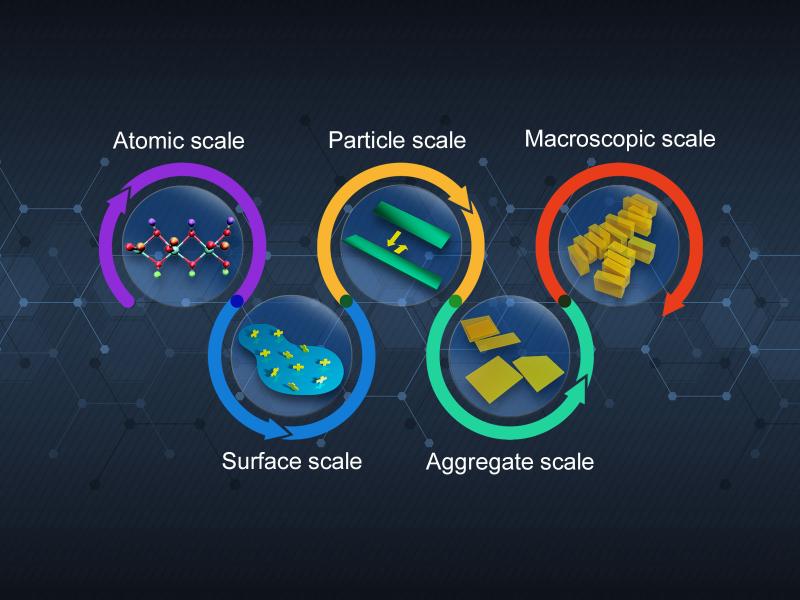
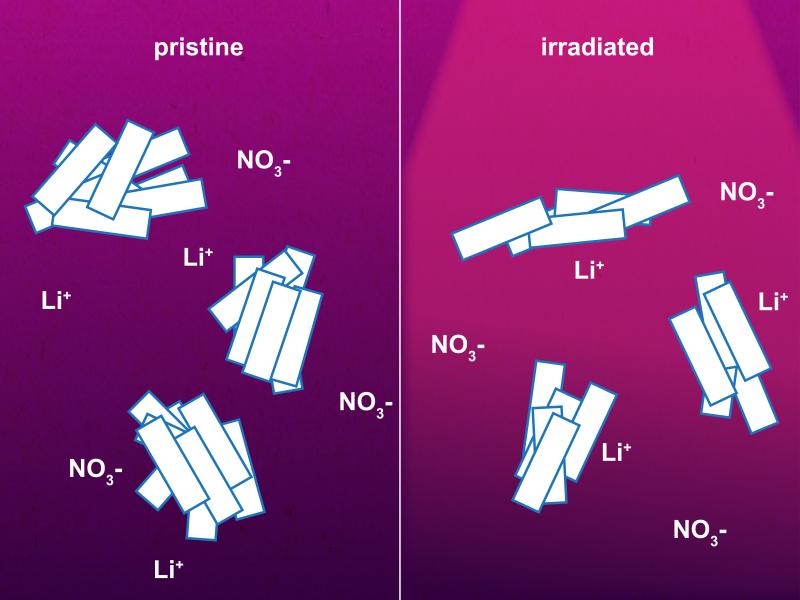
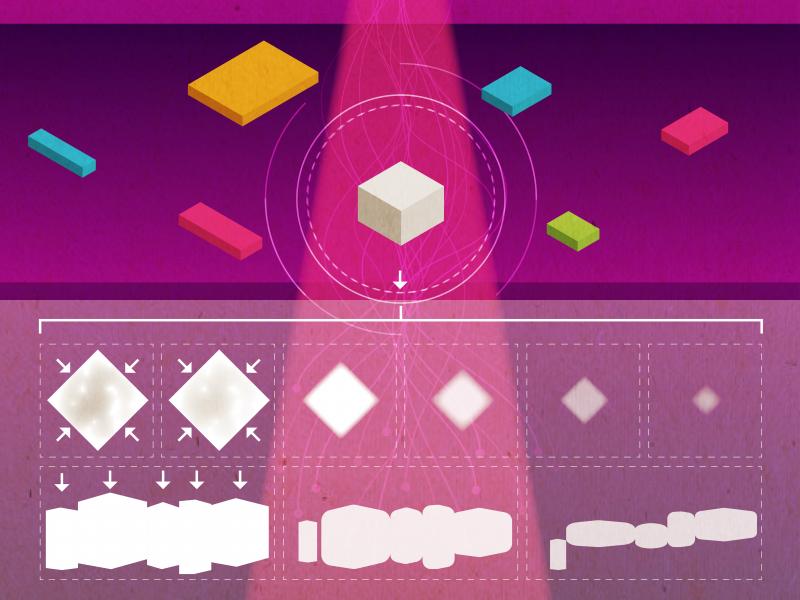
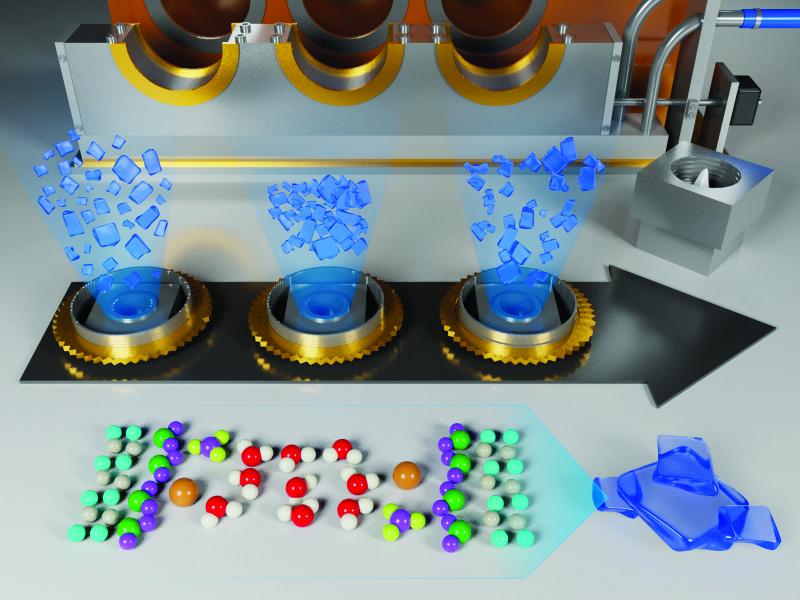
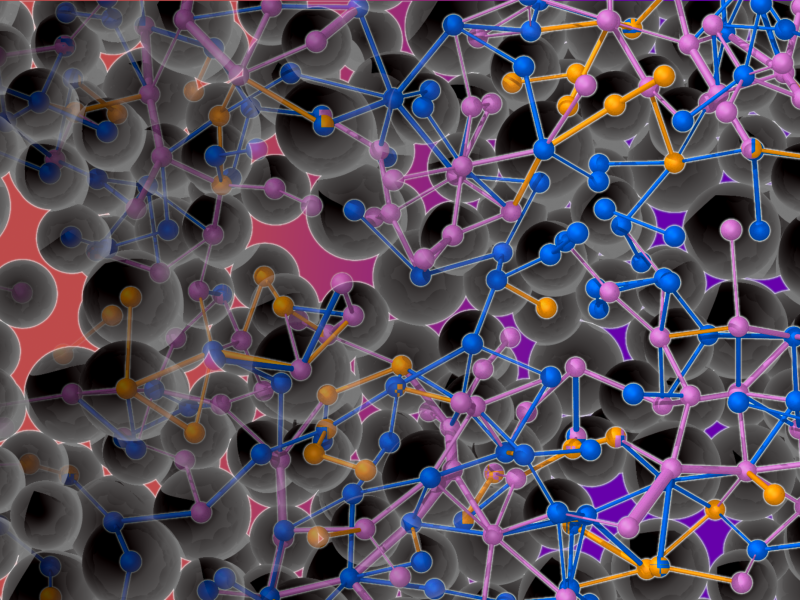
Resolving how nanoparticles come together is important for industry and environmental remediation. New work predicts nanoparticle aggregation behavior across a wide range of scales for the first time.
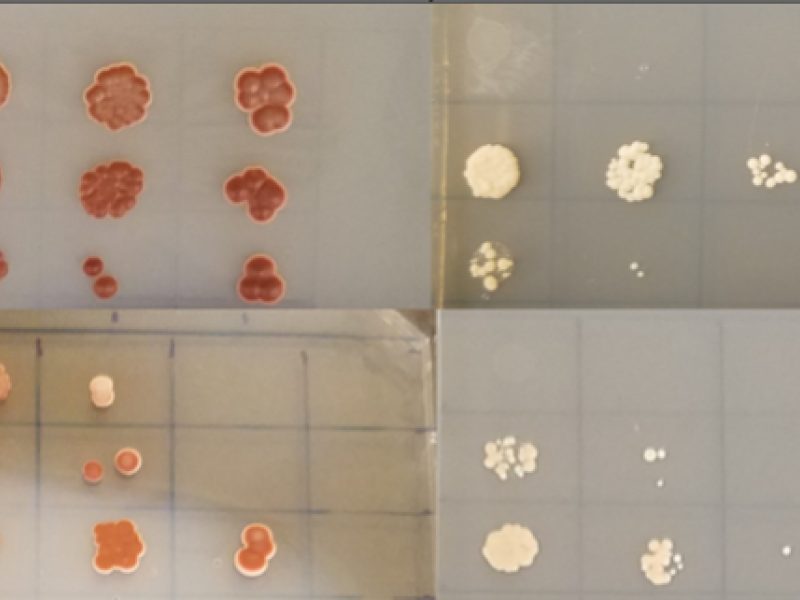
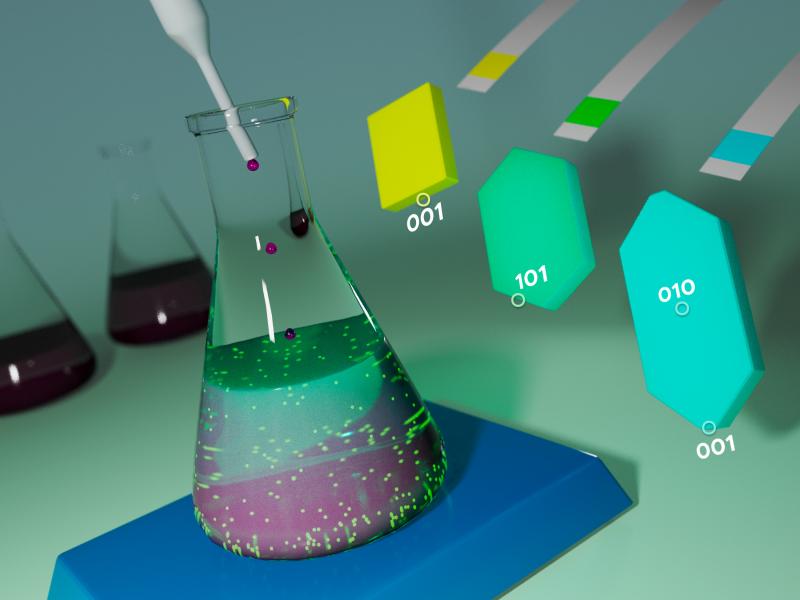
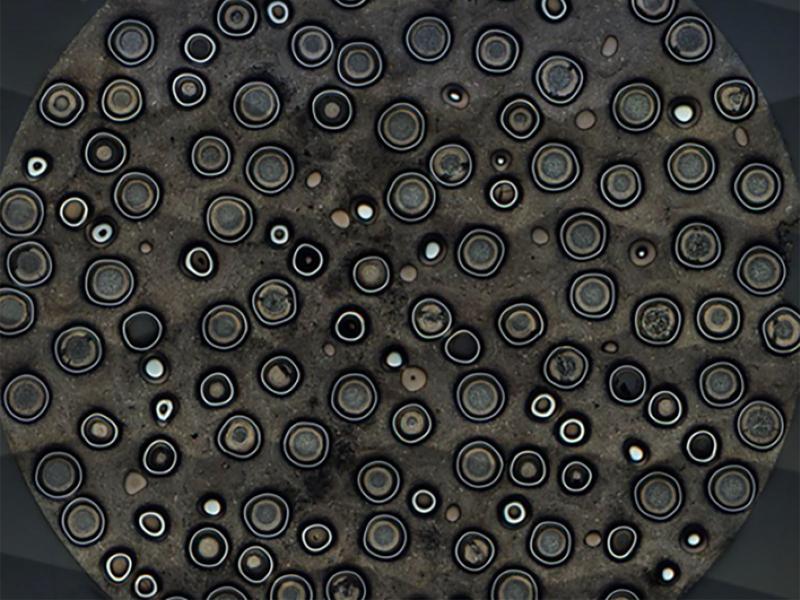
Scientists developed a process (or pipeline) that combined molecular probes—a specific chemical that binds to microbes carrying out a particular function—with a method that isolated these cells from their complex community.
Scientists screen for nanobodies that recognize wild type and mutant functional proteins to develop a framework to disrupt protein interactions that can cause disease.
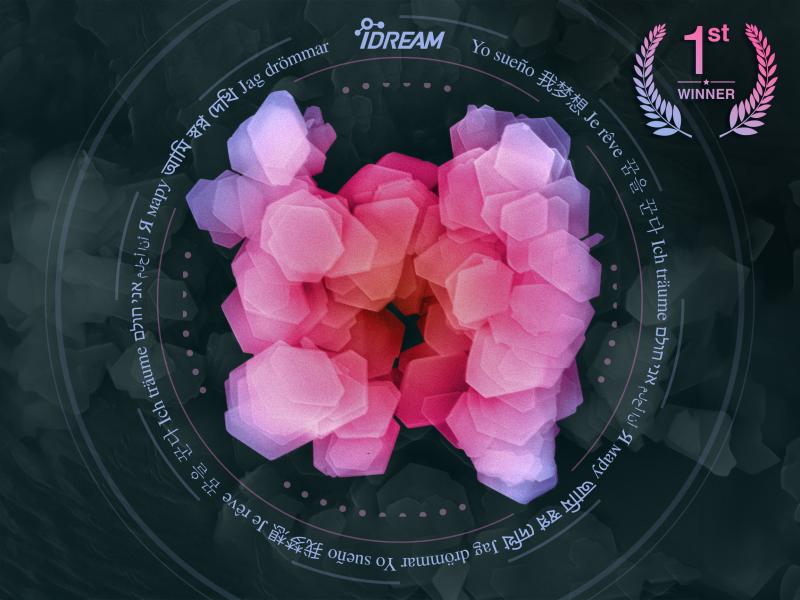
A poem inspired by radioactive tank waste—“Can a Scientist Dream it Alone?”—was awarded first place in the Department of Energy’s Poetry of Science Art Contest.
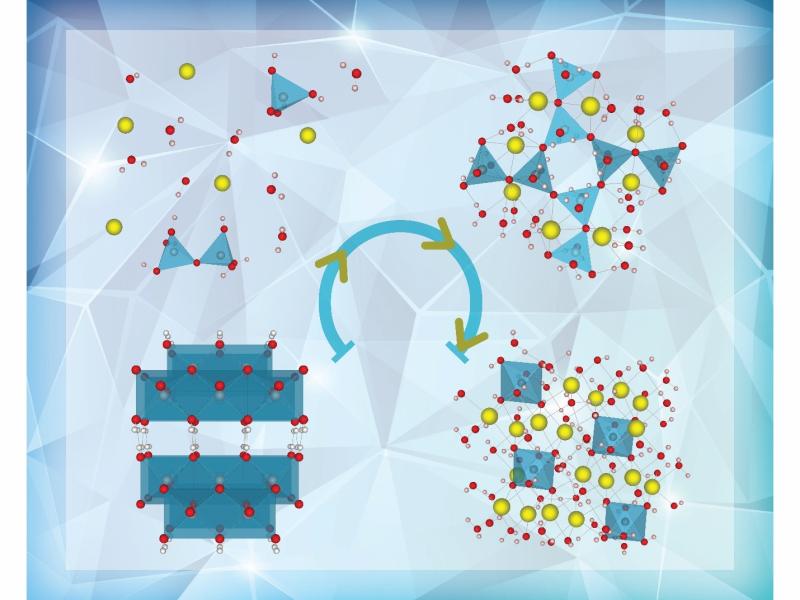
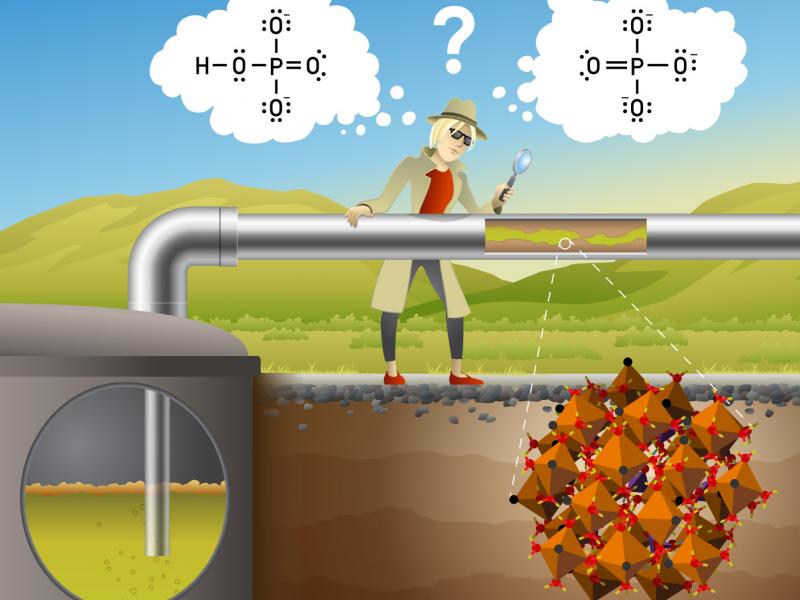
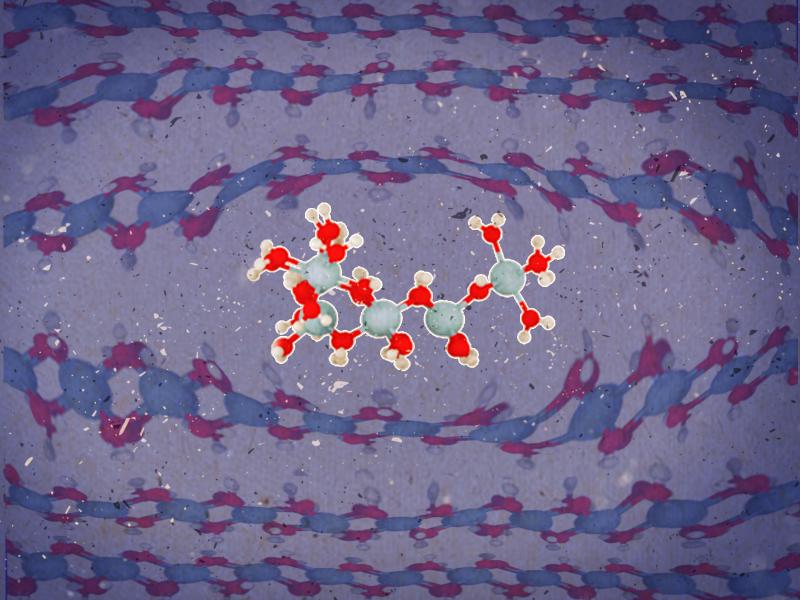
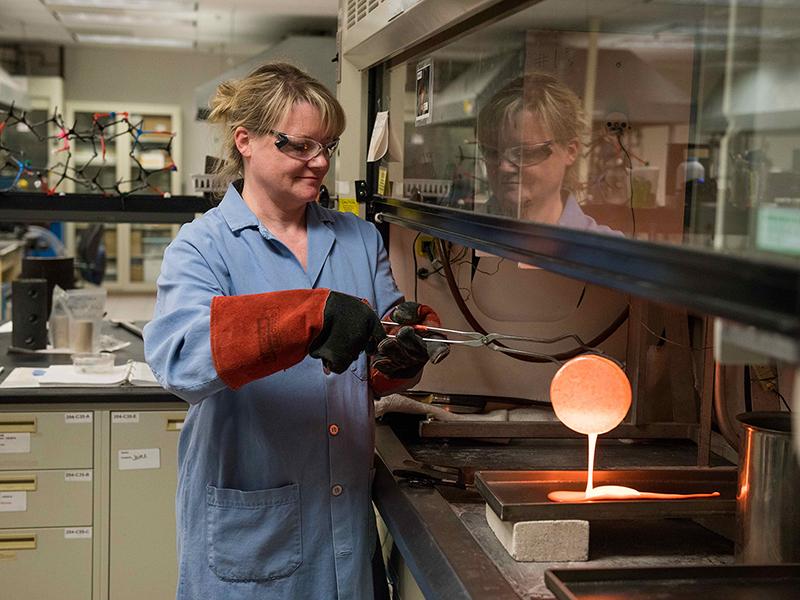
Developing a new understanding of the structure of natrophosphate, a complex mineral found in radioactive tank waste at the Hanford Site, by integrating experimental techniques.
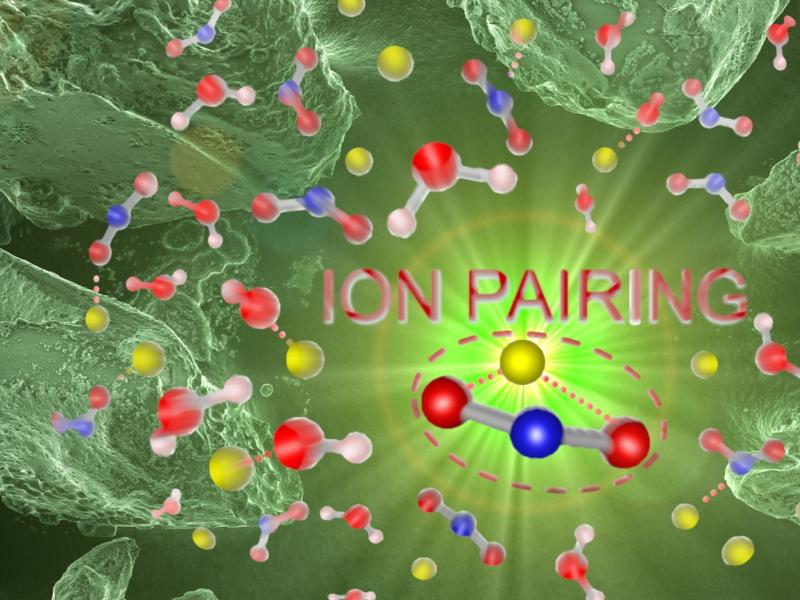
IDREAM researchers show that high concentrations of sodium hydroxide significantly impact the molecular and macroscale properties of sodium nitrite solutions.
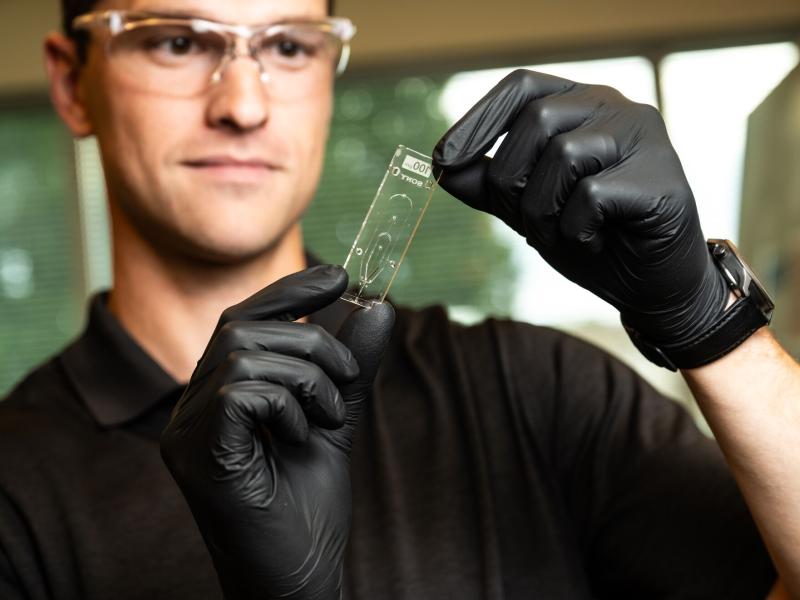
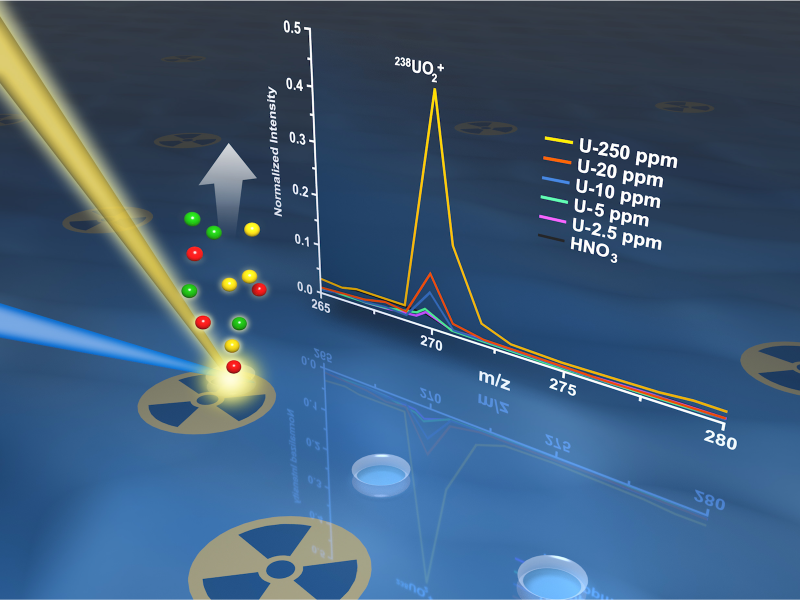
Pacific Northwest National Laboratory researchers developed a patented, nearly non-destructive approach, known as liquid secondary ion mass spectrometry, to analyze nuclear samples.
PNNL paper in Nuclear Technology journal unveils modeling possibilities for TRISO used fuel, implications for reactor planning, and resulting carbon-free nuclear energy.
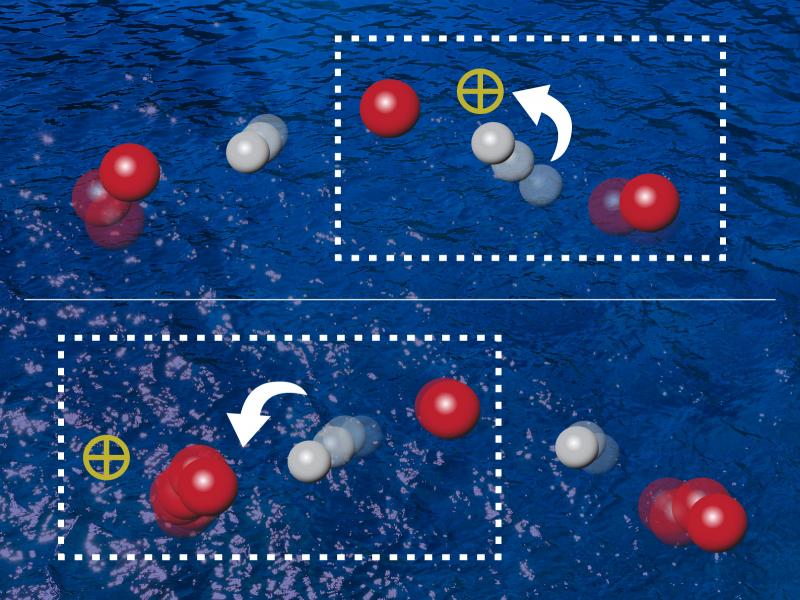
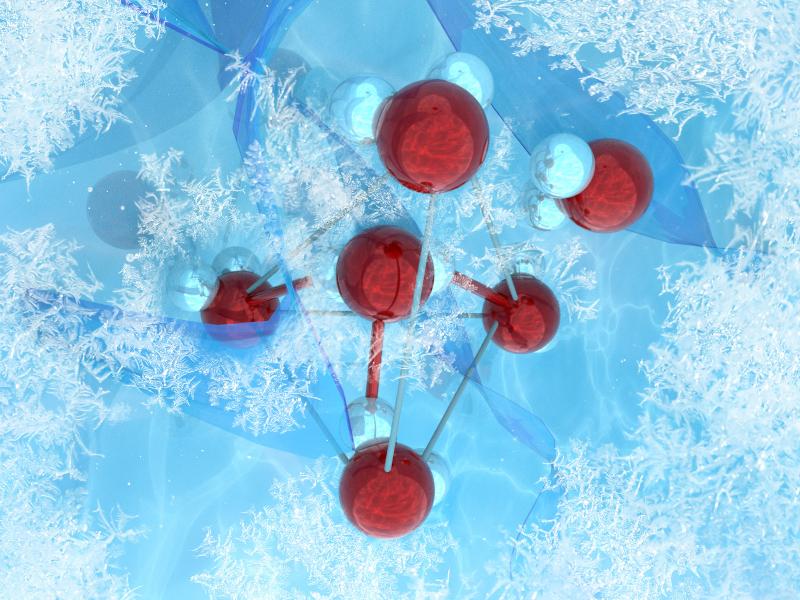
New study elucidates the complex relaxation kinetics of supercooled water using a pulsed laser heating technique at previously inaccessible temperatures.