Through AMAIS, PNNL is developing new memory systems that can advance scientific computational research by broadening AI capabilities and powering high-speed analysis of large datasets.
Pacific Northwest National Laboratory (PNNL) is advancing AI that unlocks new scientific discoveries, ensures reliable energy, and strengthens national security through the Center for AI @PNNL and its partnership with the Department of Ener
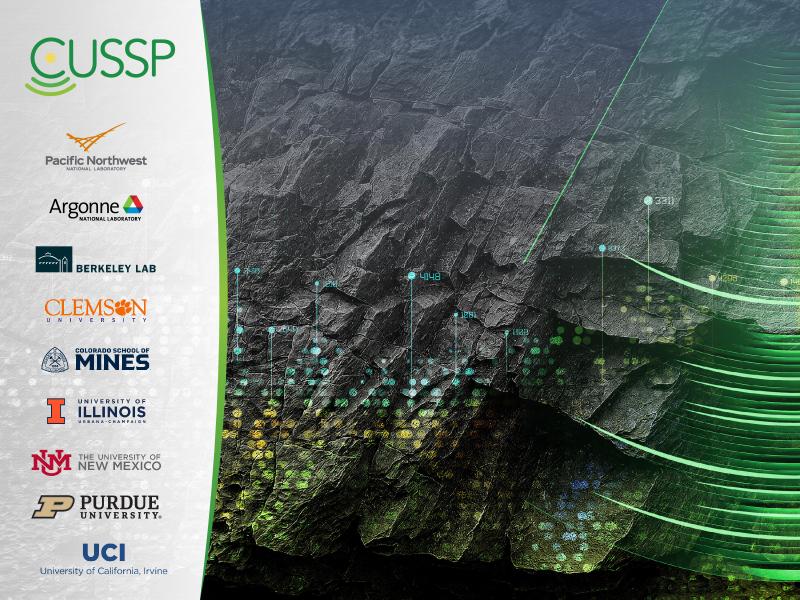
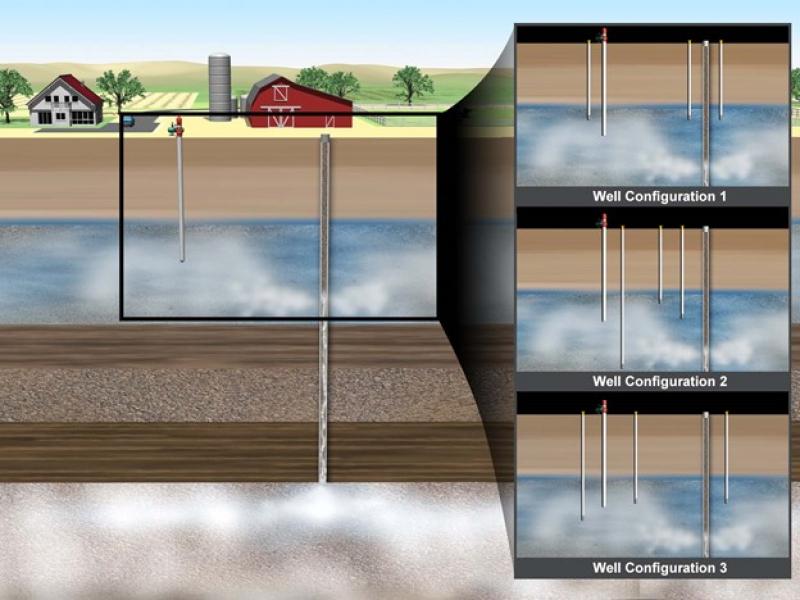
The Center for Understanding Subsurface Signals and Permeability (CUSSP) Energy Earthshot Research Center (EERC) is working to develop the ability to predict and control fluid flow through fracture networks in enhanced geothermal systems.
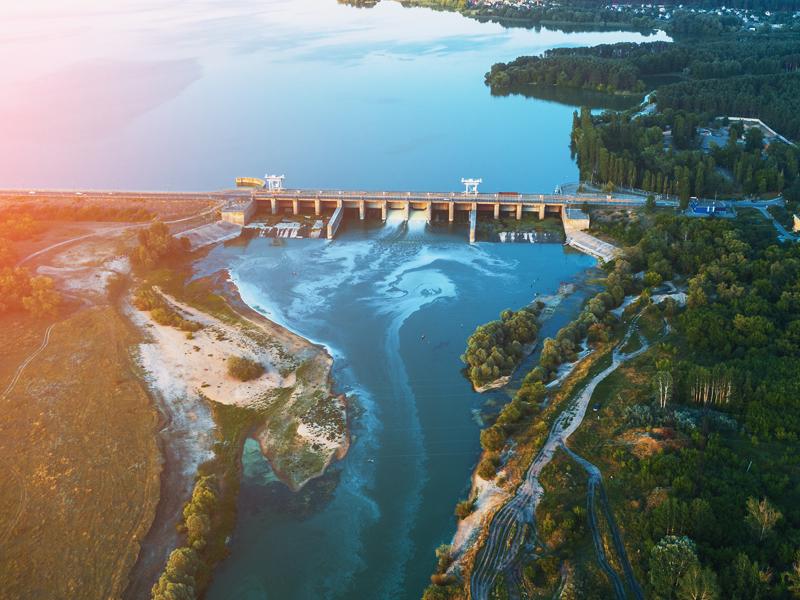
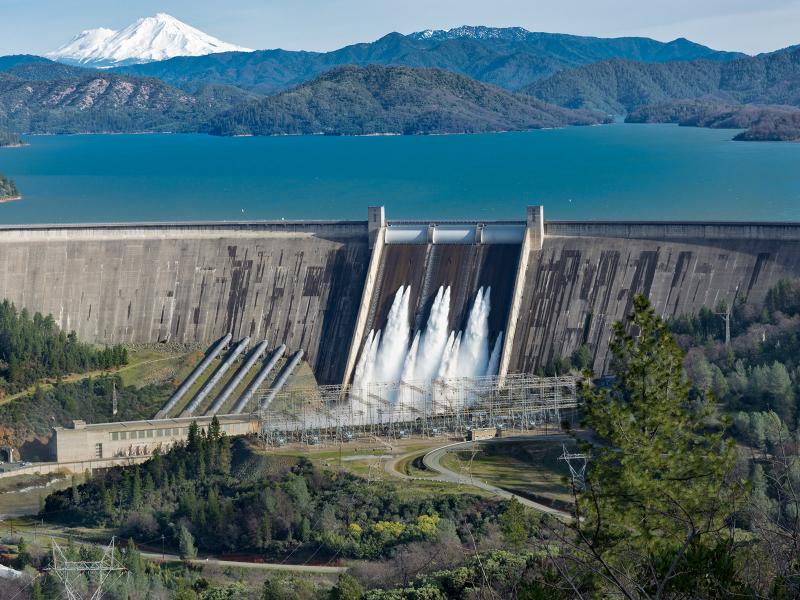
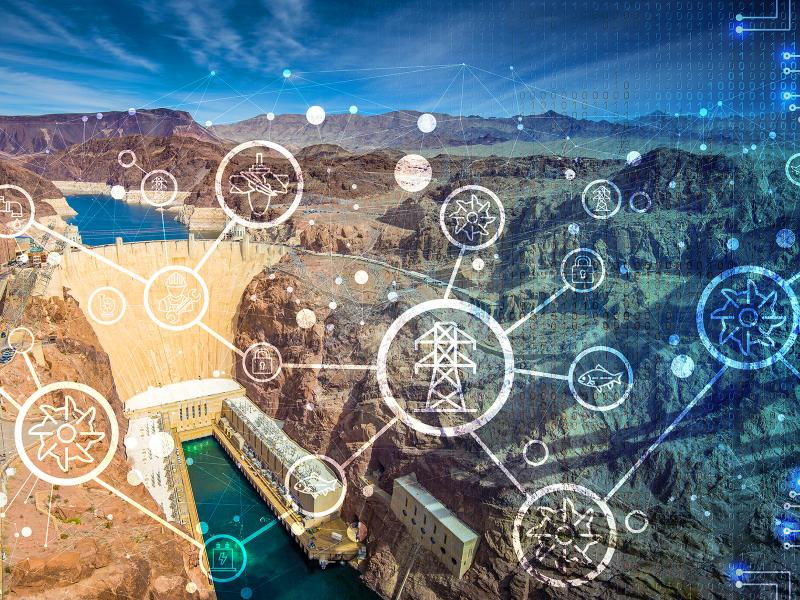
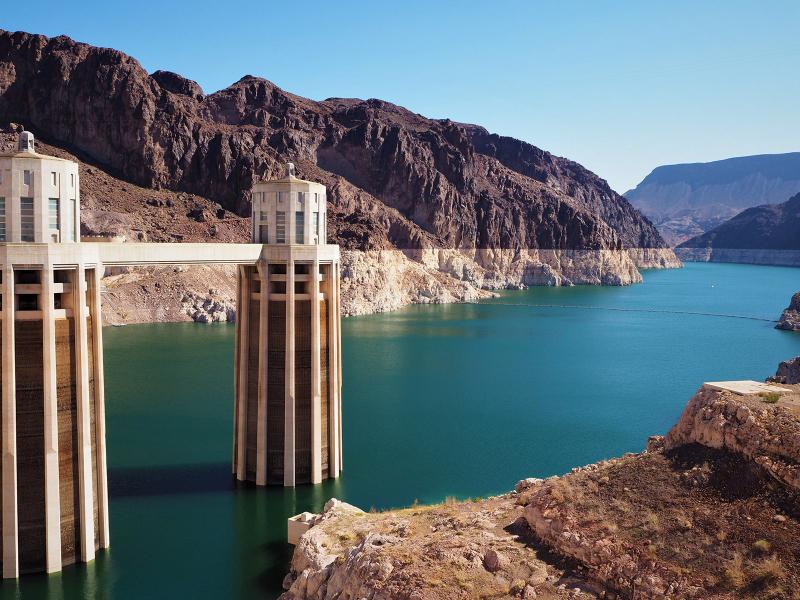
PNNL and ORNL are working together on Digital Twins to modernize the U.S. hydropower plant fleet, which will reduce operating costs, improve reliability, reduce downtime, enhance grid resiliency, and reduce environmental impacts.
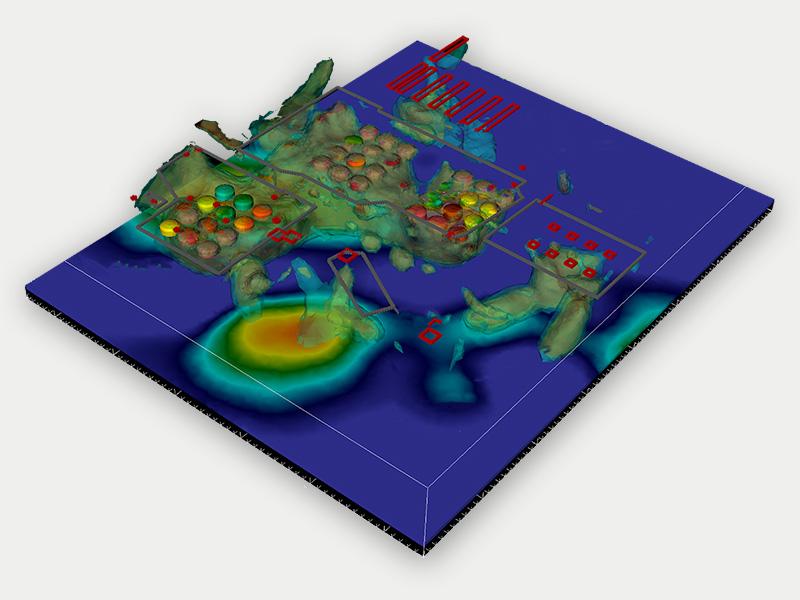
E4D is a 3D geophysical modeling and inversion program designed for subsurface imaging and monitoring using static and time-lapse electrical resistivity tomography (ERT), spectral induced polarization (SIP) and travel-time tomography data.
Fish reintroduction is the intentional establishment of a fish species in an area where it existed historically prior to hydropower development and other terrain changes to the species’ habitat.