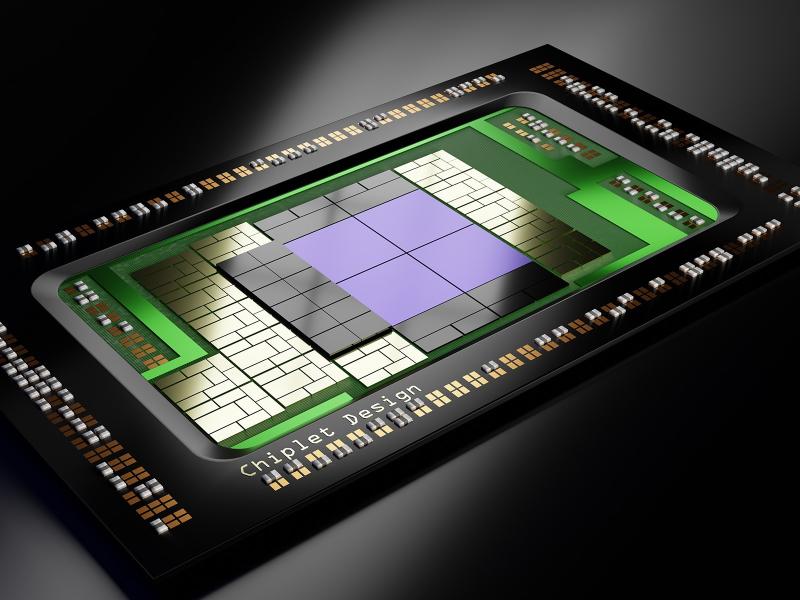
Through AMAIS, PNNL is developing new memory systems that can advance scientific computational research by broadening AI capabilities and powering high-speed analysis of large datasets.
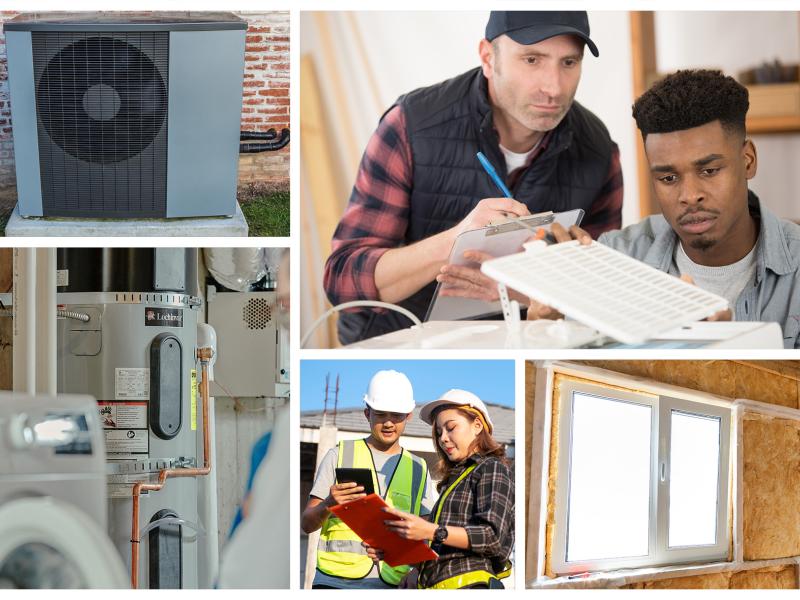
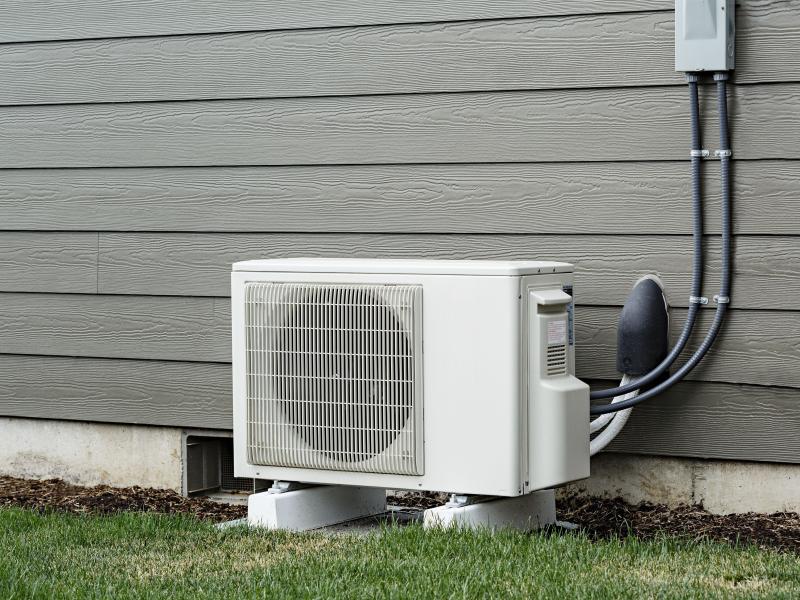
PNNL and collaborators have established a national heat pump and heat pump water heater partnership to help drive adoption of these energy-saving technologies in both residential and commercial buildings.
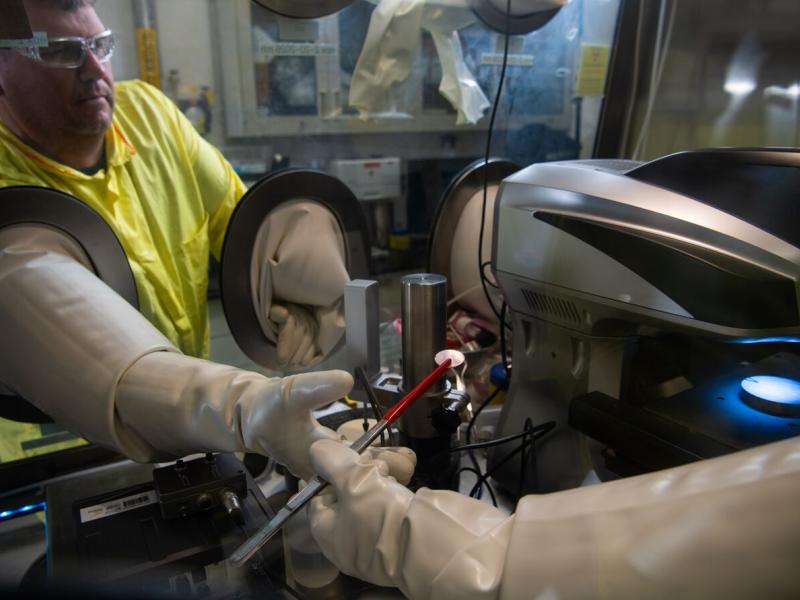
The Isotope Program at PNNL supports scientific advances in the production and use of radioisotopes for research, medicine, and industrial applications.
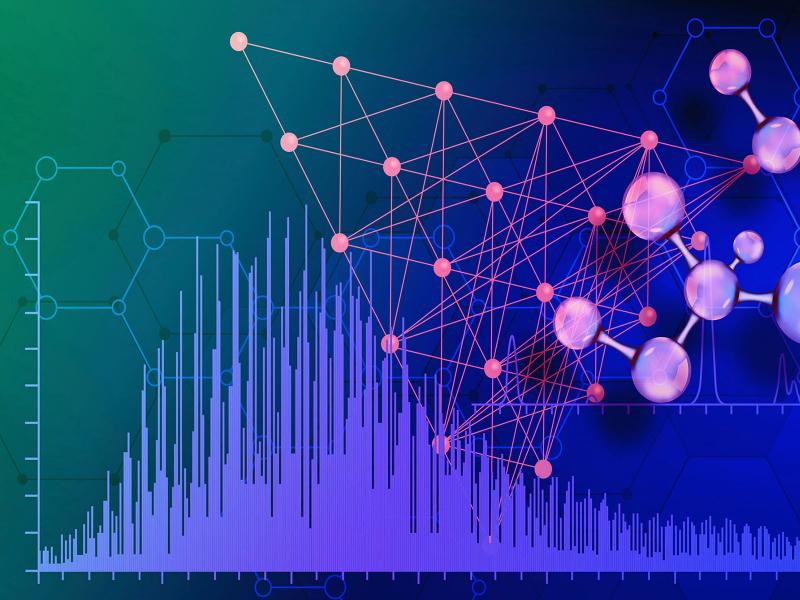
PNNL is heavily engaged in the development and use of mass spectrometry technology across its science, energy, and security missions, from fundamental research through mature operational capabilities.
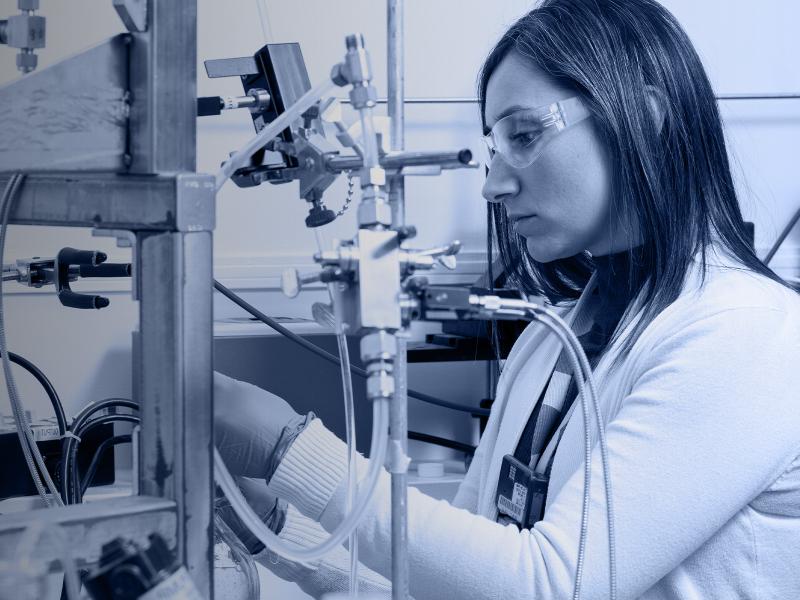
Advancing the understanding and monitoring of nuclear material processing to accelerate development and qualification of new material systems for national security and nuclear energy.
The QuAADS Initiative seeks to develop the computing processes, tools, and knowledge to transition from current technologies to quantum computing technologies by leveraging codesign and hybrid computing approaches.
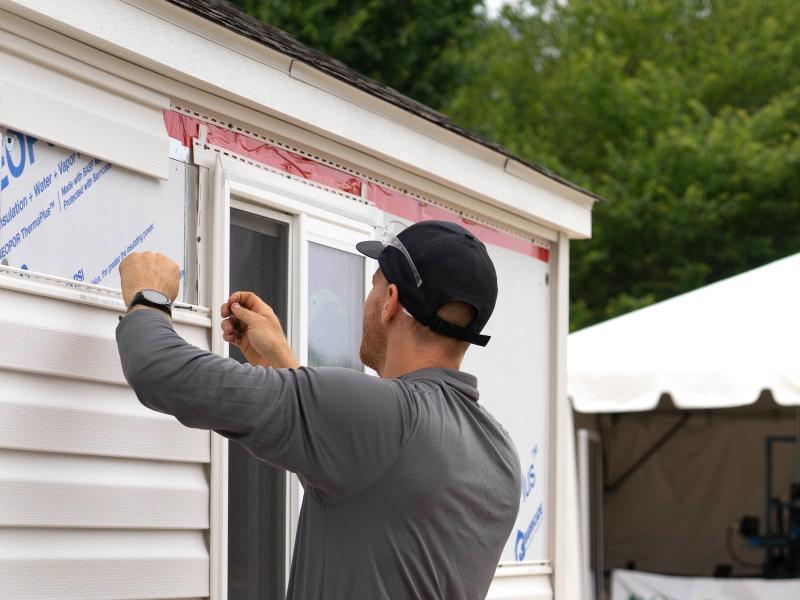
Poorly insulated walls in residential buildings waste an estimated quadrillion+ Btus of energy per year. Upgrading windows and insulation during re-siding projects is a unique, cost-effective opportunity to improve efficiency and comfort.
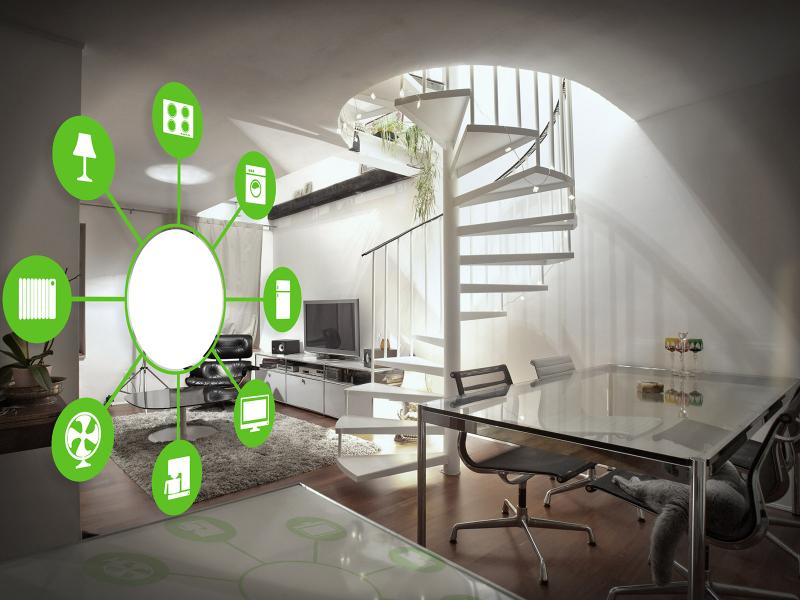
PNNL is working on behalf of the U.S. Department of Energy to create a prototype system that enables homes to help provide services to the power grid while delivering economic benefits to residents.