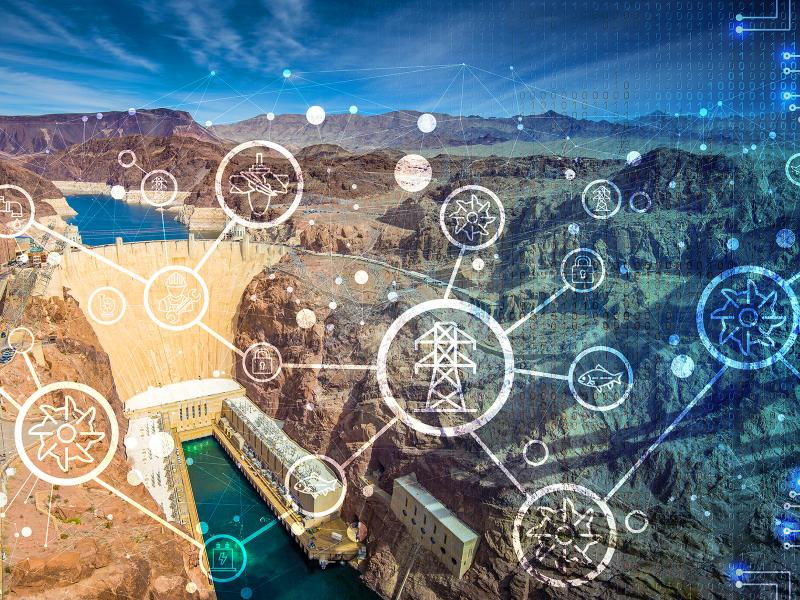
PNNL and ORNL are working together on Digital Twins to modernize the U.S. hydropower plant fleet, which will reduce operating costs, improve reliability, reduce downtime, enhance grid resiliency, and reduce environmental impacts.
The Data-Model Convergence (DMC) Initiative is a multidisciplinary effort to create the next generation of scientific computing capability through a software and hardware co-design methodology.
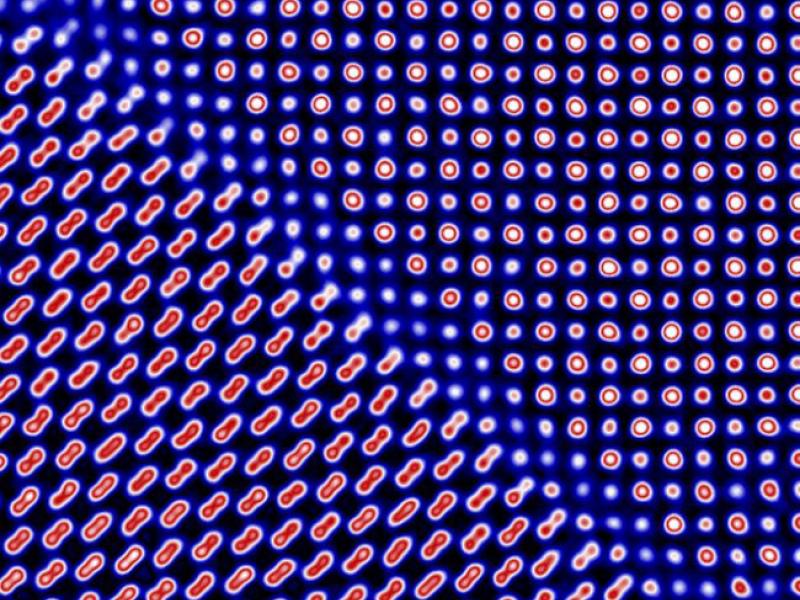
PNNL is a leader in the integration of aberration-corrected electron microscopy, in-situ techniques, and atom probe tomography to address challenges in nuclear materials, environmental remediation, energy storage, and national security.
PNNL’s ESMI is a Laboratory-funded research and development (R&D) program focused on transforming and accelerating materials development processes for next-generation energy storage technologies.
Pacific Northwest National Laboratory’s Generative AI Investment aims to harness this transformative technology to drive innovation across the science, energy, and security research domains.
PNNL is a key partner in the Department of Energy (DOE) Genesis Mission, which is developing a powerful AI platform to accelerate scientific discovery, drive energy innovation, and strengthen national security.
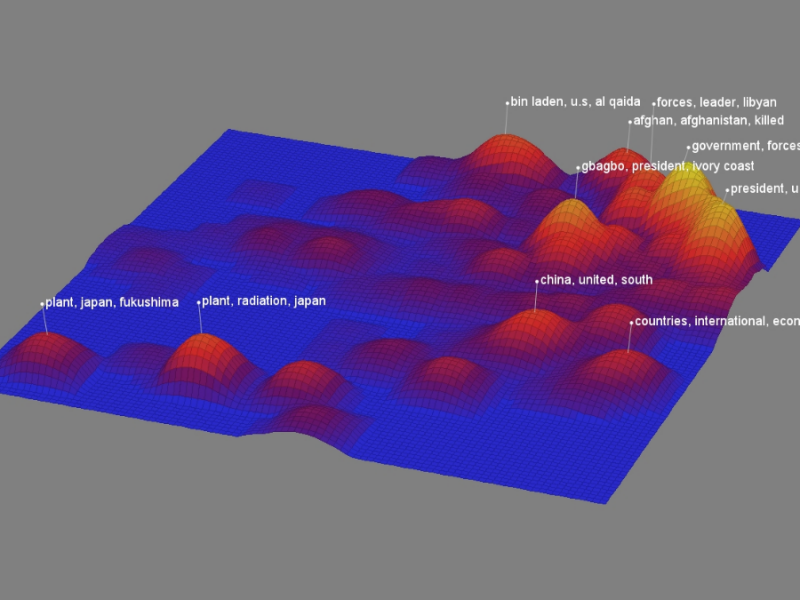
GeoBOSS is a software library that combines the data-handling capabilities of Spark and the user-friendliness of Python to simplify geospatial analytics and the transition between small-scale research and large-scale operational projects.
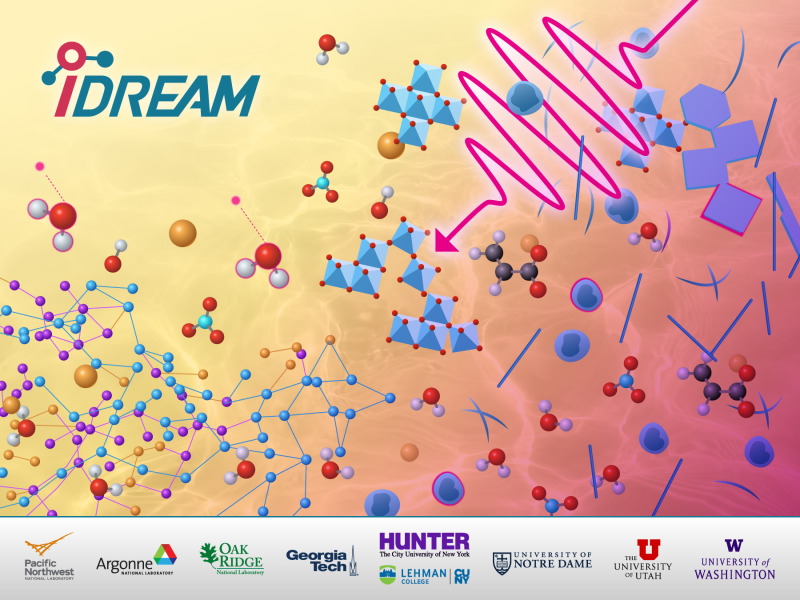
The Ion Dynamics in Radioactive Environments and Materials (IDREAM) Energy Frontier Research Center (EFRC) conducts fundamental science to support innovations in retrieving and processing high-level radioactive waste.
The Isotope Program at PNNL supports scientific advances in the production and use of radioisotopes for research, medicine, and industrial applications.