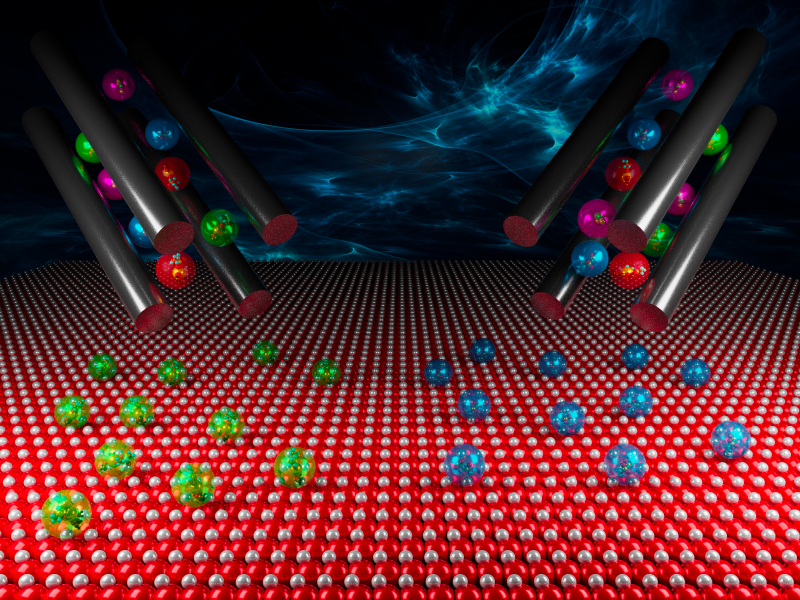
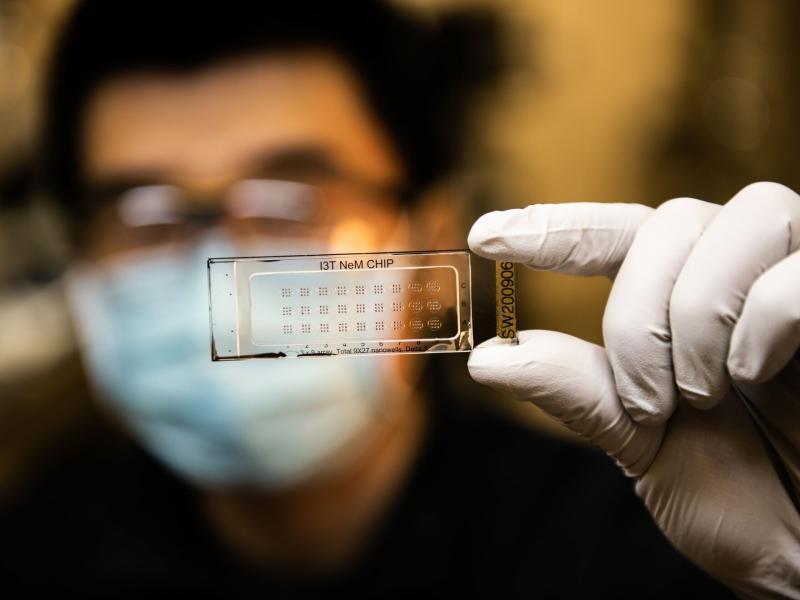
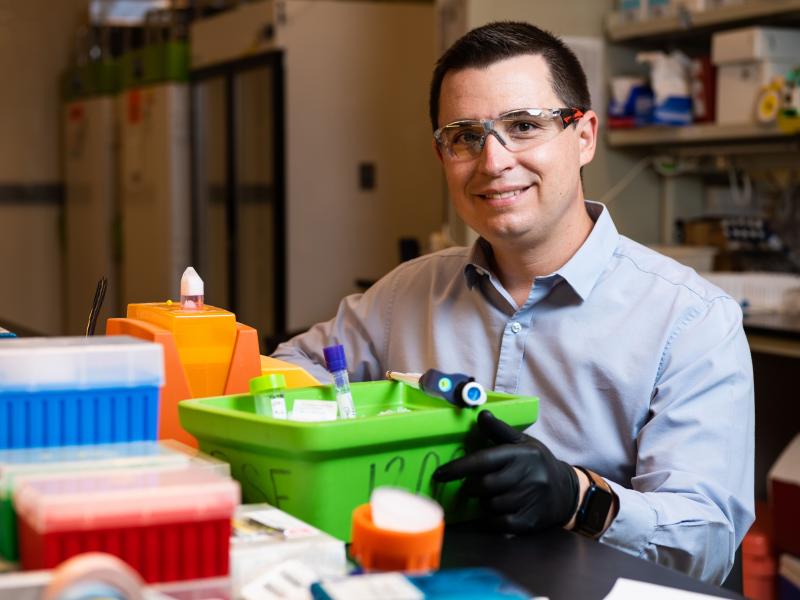
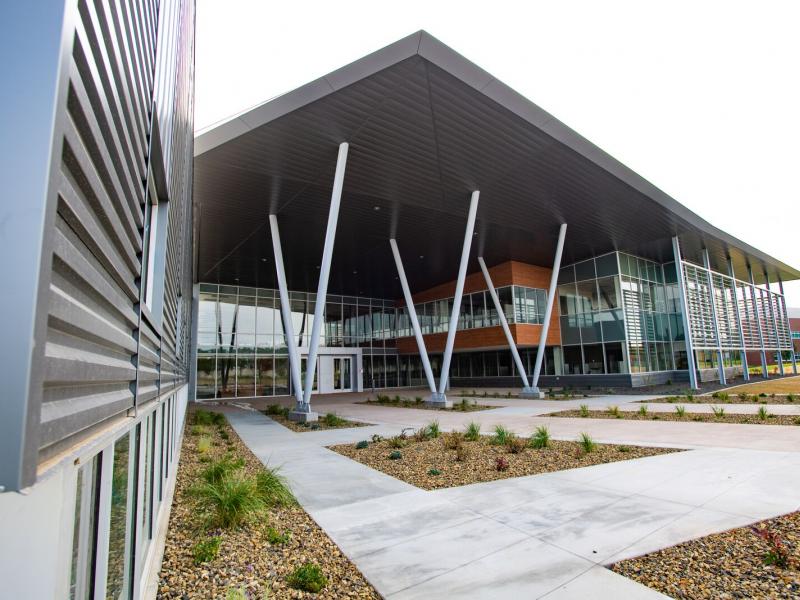
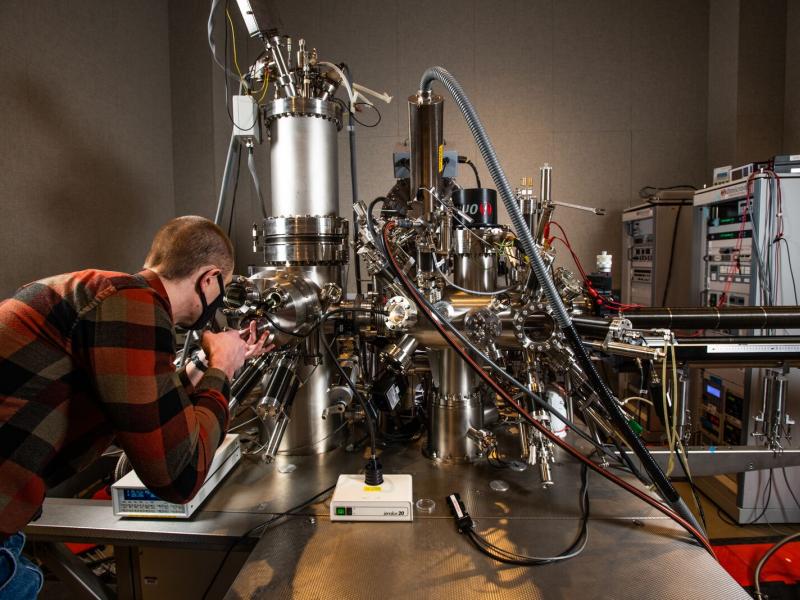
In adjoining Energy Sciences Center laboratories, researchers develop better energy storage devices by understanding the fundamental reactions that form interfaces.
Williams brings his deep understanding of the technology industry and PNNL’s quantum and national security expertise to this Technical Advisory Committee.
A team of researchers developed a simulation approach to identify how atomic structures can affect the phonon transport of energy and information in quantum systems near absolute zero temperatures.
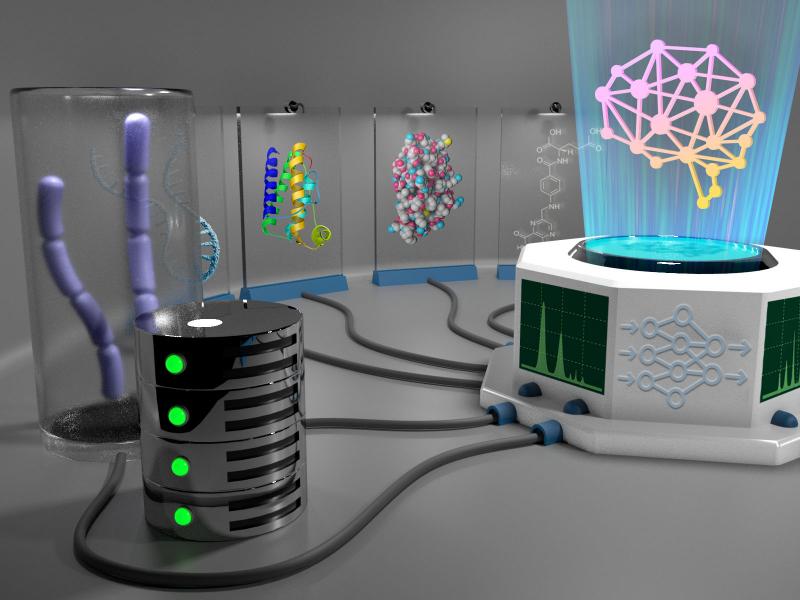
Richard (Dick) Smith and Ljiljana (Lili) Paša-Tolić are experts in developing technology and techniques for mass-spectrometry-based multi-omics measurements.
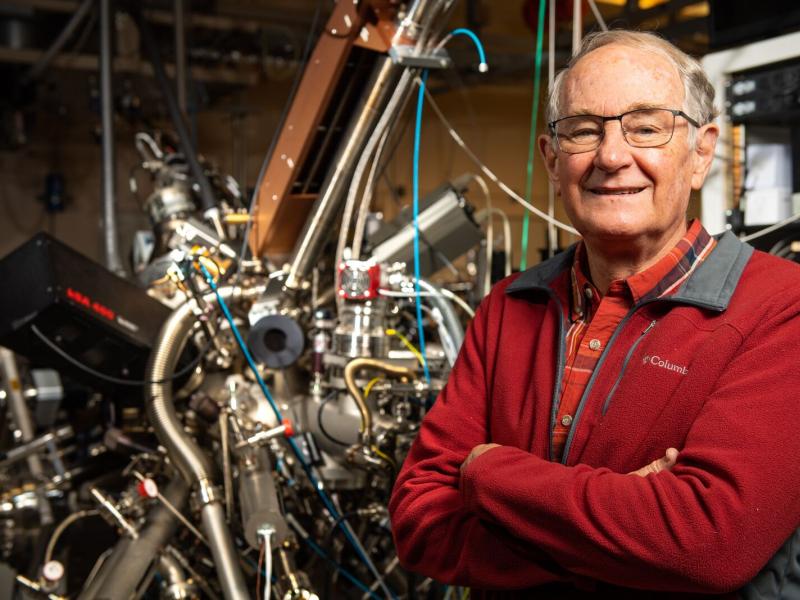
Scott Chambers creates layered structures of thin metal oxide films and studies their properties, creating materials not found in nature. He will soon move his instrumentation and research to the new Energy Sciences Center.
Knowing which bacteria in a community are involved with carbon cycling could help scientists predict how microbial carbon storage and release could influence future climate dynamics.
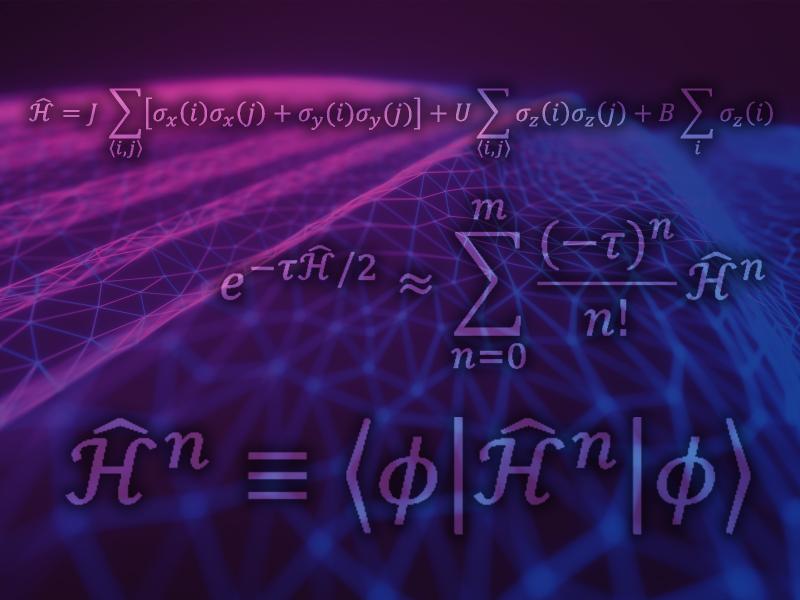
The U.S. Department of Energy has selected the Scalable Predictive Methods for Excitations and Correlated Phenomena project to receive funding to develop software for chemical research.
The Washington State Academy of Sciences consists of more than 300 elected members who are nationally recognized for their scientific and technical expertise.