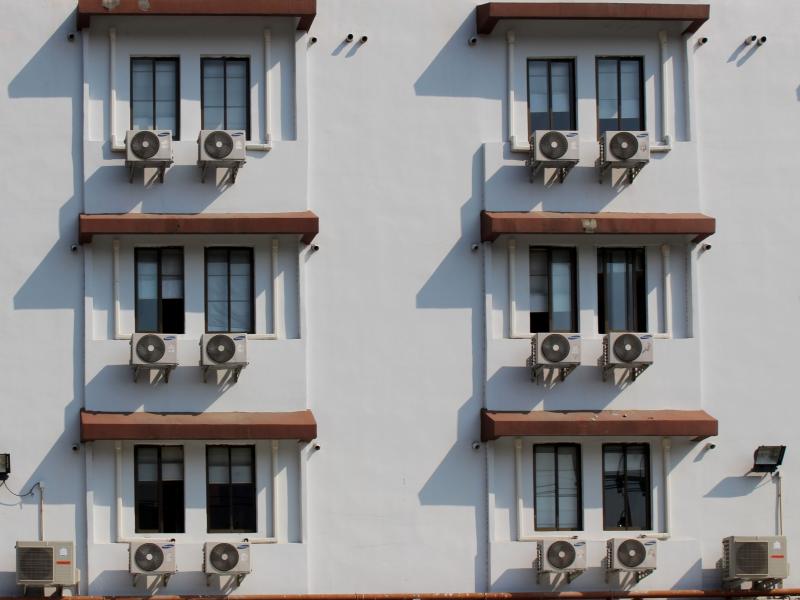
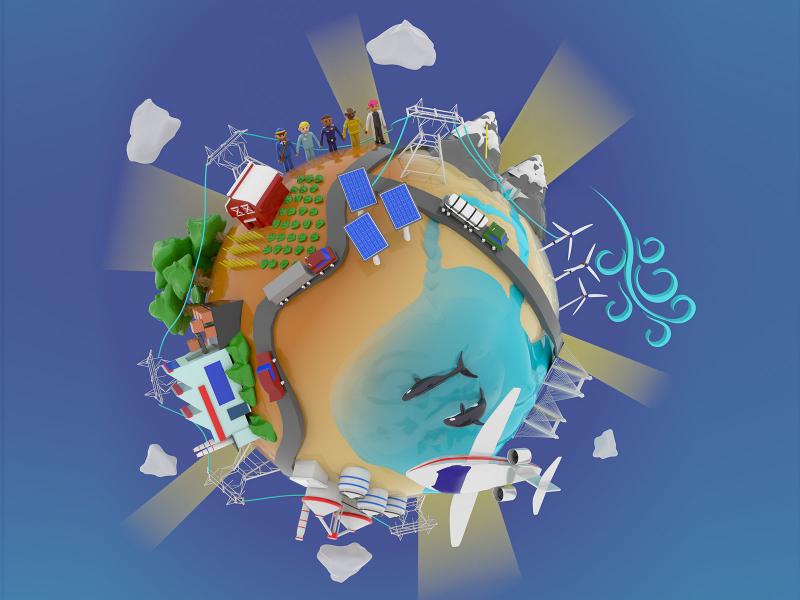
A new study projects that electricity demand tied to cooling U.S. buildings will grow as peak temperatures rise, and so too would the need for an expanded power sector.
PNNL teamed with academia and industry to develop a novel zero-emission methane pyrolysis process that produces both hydrogen and high-value carbon solids suitable for an array of manufacturing applications.
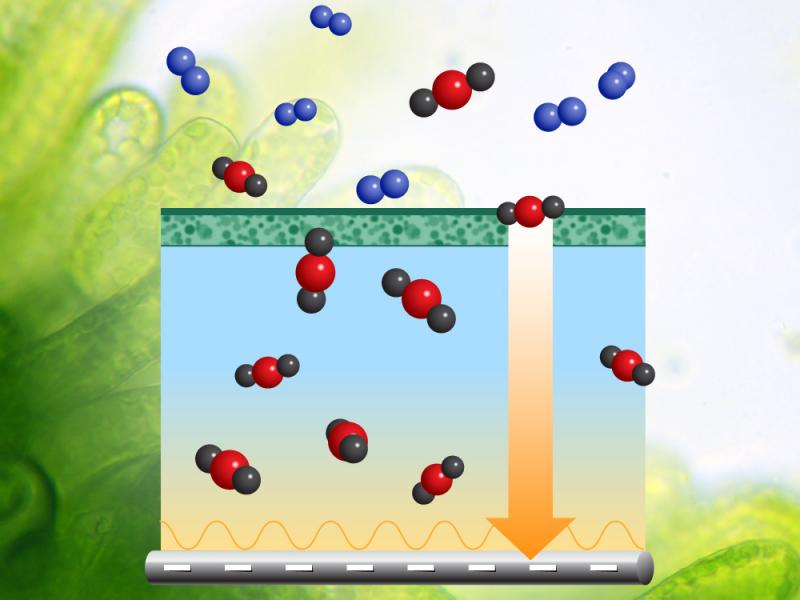
PNNL’s newest solvent captures carbon dioxide from power plants for as little as $47.10 per metric ton, marking a significant milestone in the journey to lower the cost of carbon capture.
PNNL provided expert analysis and technical background for some of the most ambitious building energy efficiency codes proposed for this year's International Energy Conservation Code updates.
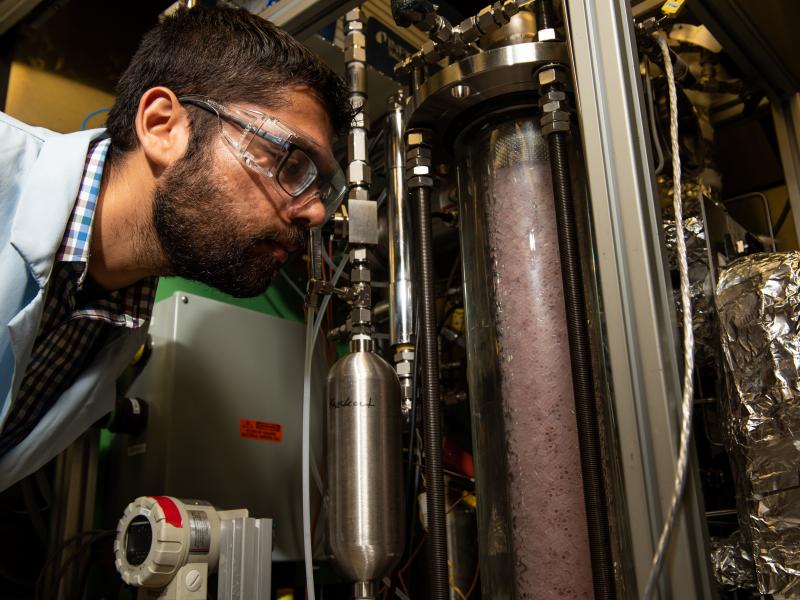
A research team from Pacific Northwest National Laboratory developed an apparatus that evaluates the performance of high-temperature fluids in hydraulic fracturing for enhanced geothermal systems.
PNNL building energy-efficiency expert Theresa Gilbride has been invited to participate in a new task group that will provide guidance to make homes more resistant to hurricanes and high winds.
In a new review, PNNL researchers outline how to convert stranded biomass to sustainable fuel using electrochemical reduction reactions in mini-refineries powered by renewable energy.
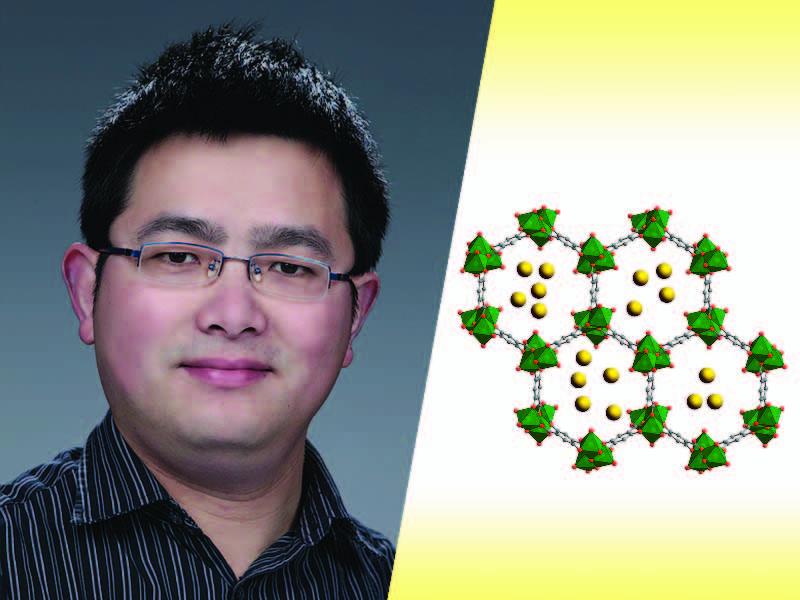
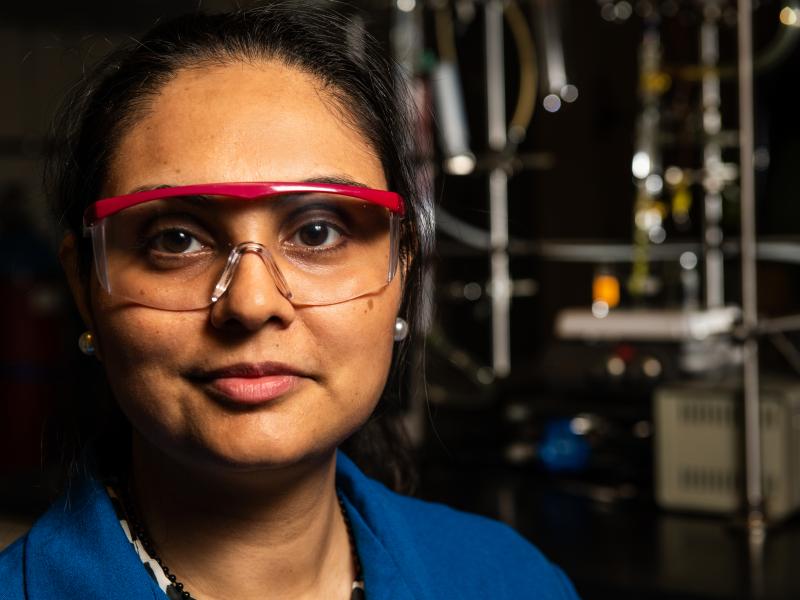
Deepika Malhotra, an organic chemist at PNNL, will lend her expertise to help shape the content and quality of Pollutants a new, interdisciplinary, open access, journal focusing on a range of environmental science research.
Malhotra, a chemist, will apply her expertise on designing and creating modular solvents for carbon capture, acid gas separations, catalysis, and rare earth metal extractions to provide constructive review for the submitted manuscripts.
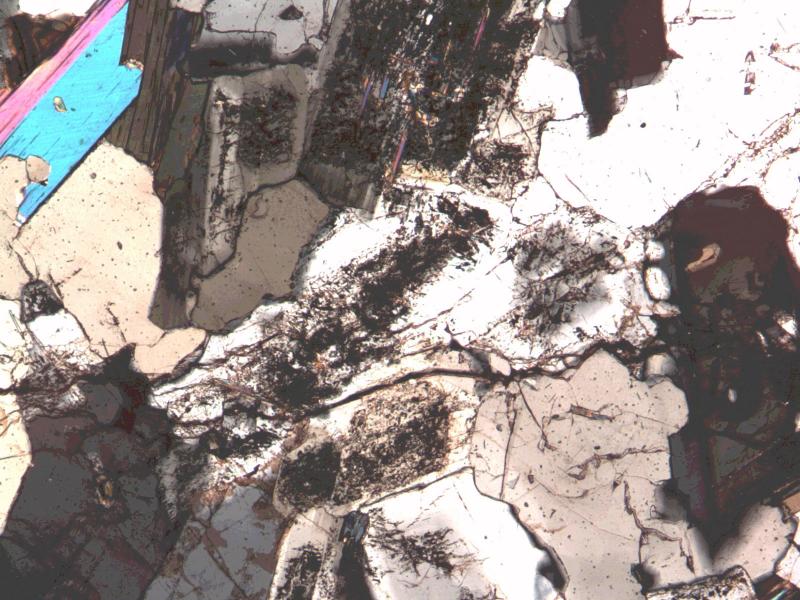
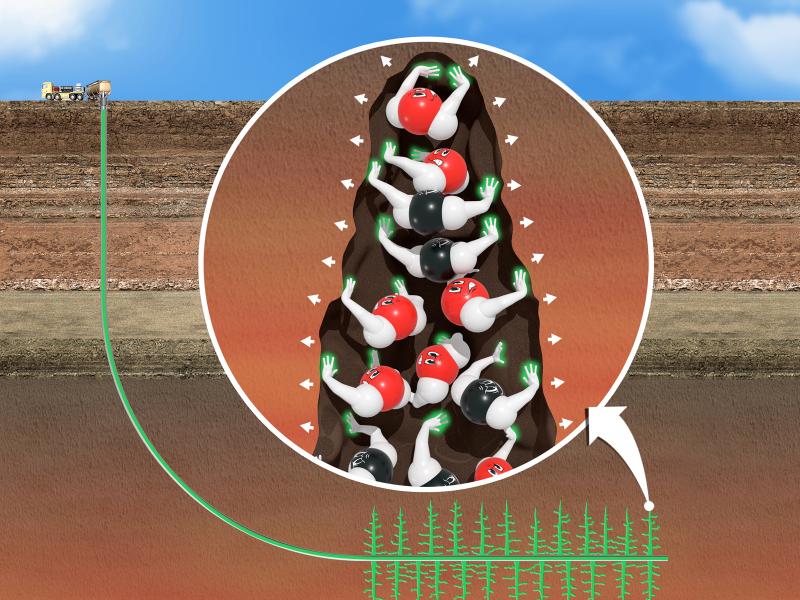
Researchers have identified two processes responsible for fracturing rock at lower pressures for geothermal energy production using PNNL’s fracturing fluid, StimuFrac™.
Global climate change is often at the forefront of national and international discussions and controversies, yet many details of the specific contributing factors are poorly understood.
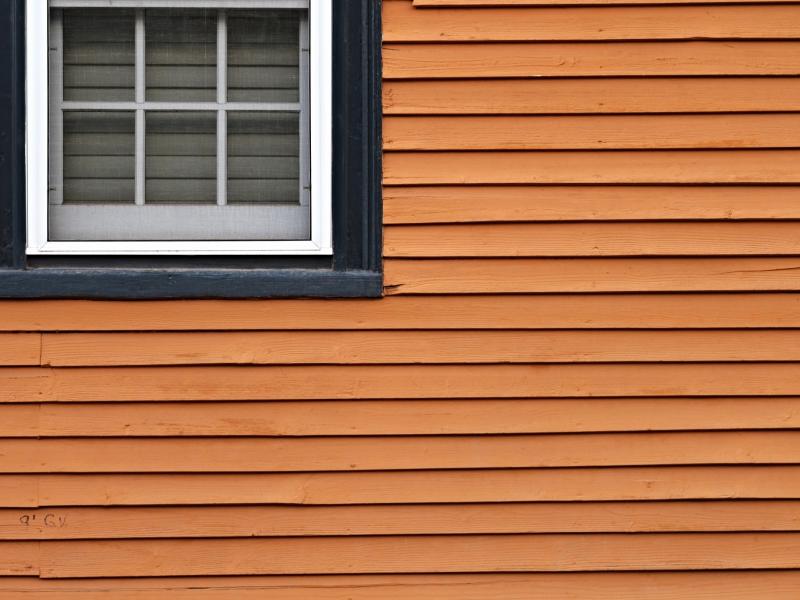
A multi-institute research team is exploring ways to improve residential walls across America, making homes warmer and drier and delivering significant energy savings.