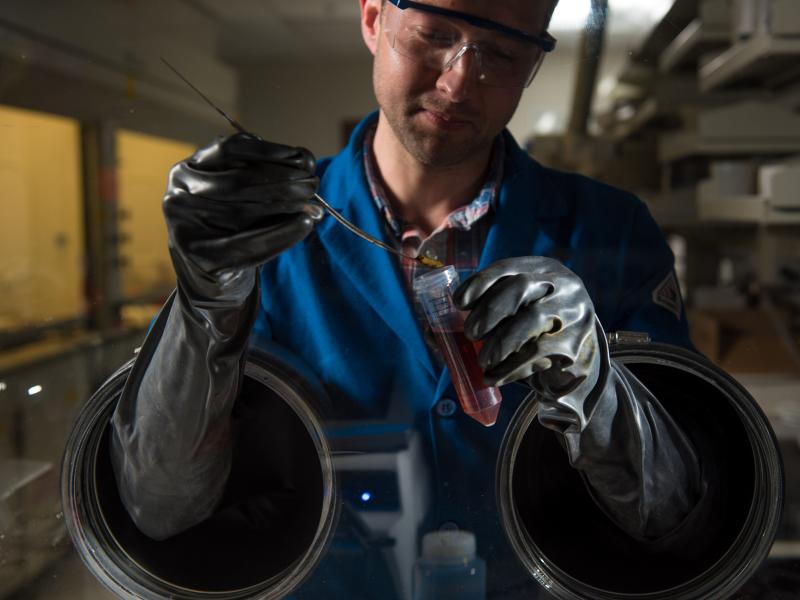
PNNL and Oklahoma State University join forces to understand the chemistry of sodium-ion and potassium-ion batteries thanks to an award from the U.S. Department of Energy's Established Program to Stimulate Competitive Research (EPSCoR).
PNNL’s Patrick Balducci delivered an information-packed tutorial on grid energy storage valuation at the Naval Postgraduate School in Monterey, California.
Deepika Malhotra, an organic chemist at PNNL, will lend her expertise to help shape the content and quality of Pollutants a new, interdisciplinary, open access, journal focusing on a range of environmental science research.
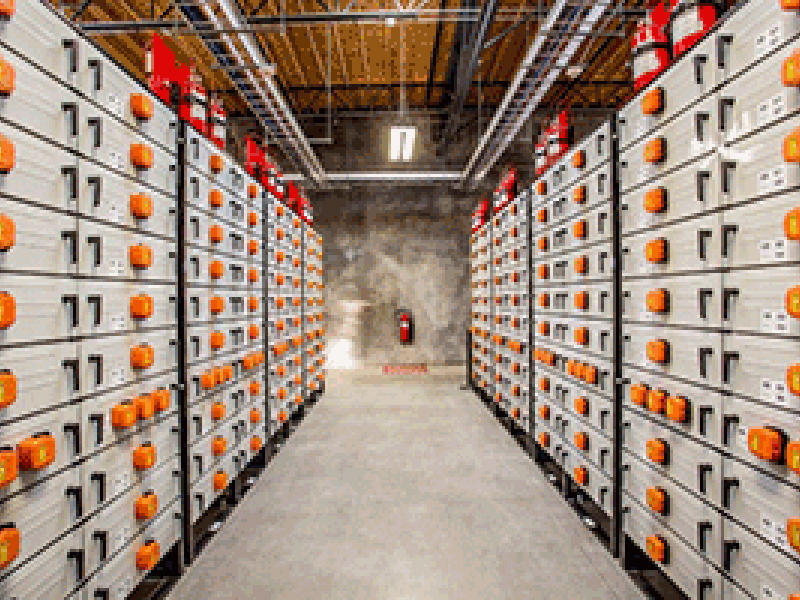
The Energy Storage System Safety and Reliability Forum at PNNL brought together more than 120 energy storage experts from the U.S. Department of Energy, the national laboratories, utilities, industry and academia.
Malhotra, a chemist, will apply her expertise on designing and creating modular solvents for carbon capture, acid gas separations, catalysis, and rare earth metal extractions to provide constructive review for the submitted manuscripts.
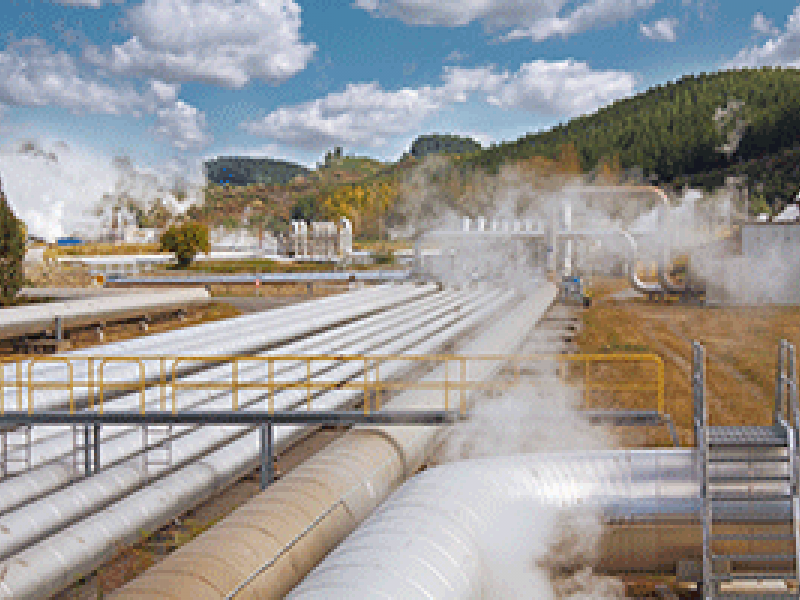
Researchers have identified two processes responsible for fracturing rock at lower pressures for geothermal energy production using PNNL’s fracturing fluid, StimuFrac™.
PNNL will lead three new grid modernization projects funded by the Department of Energy. The projects focus on scalability and usability, networked microgrids, and machine learning for a more resilient, flexible and secure power grid.
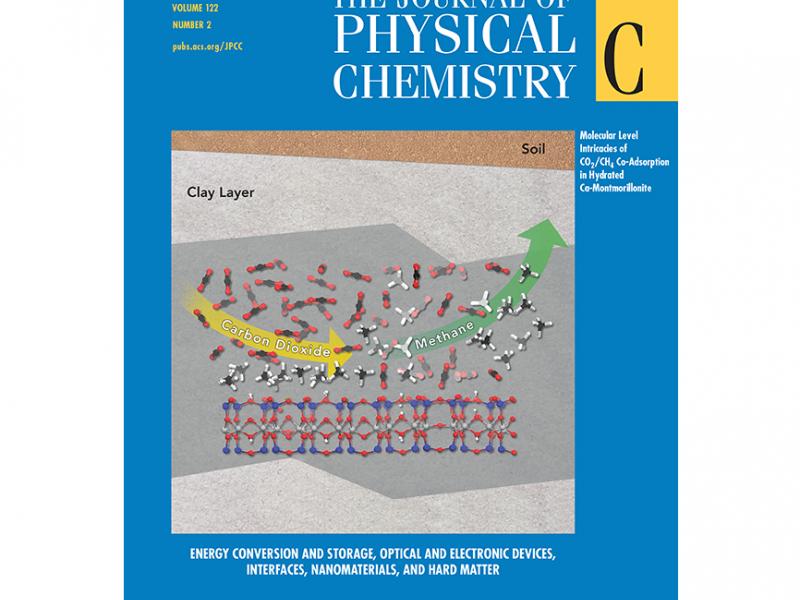
Global climate change is often at the forefront of national and international discussions and controversies, yet many details of the specific contributing factors are poorly understood.
With support from DOE’s Office of Electricity and National Grid, PNNL led a groundbreaking study to accurately assess the full value of grid energy storage investments across a wide variety of use cases.
Energy storage is slowly shifting utility planning practices from the current paradigm, which ensures grid reliability by building reserve generation resources, to ensuring grid reliability by optimizing grid services.
The Soil Science Society of America presents Nik Qafoku with the 2019 Jackson Award for contributions in soil chemistry and mineralogy—ranging from agricultural fertilizer efficiency in Albania to soil contaminant transport at Hanford.
A study co-led by PNNL and reviewed in Science investigates how nanomaterials—both ancient and modern—cycle through the Earth’s air, water, and land, and calls for a better understanding of how they affect the environment and human health.