Global climate change is often at the forefront of national and international discussions and controversies, yet many details of the specific contributing factors are poorly understood.
Advancements such as LEDs have changed consumers’ experience with lighting. Whereas there was once a simple choice of how much light a consumer desired, there’s now a variety of choices to be made about the appearance of light.
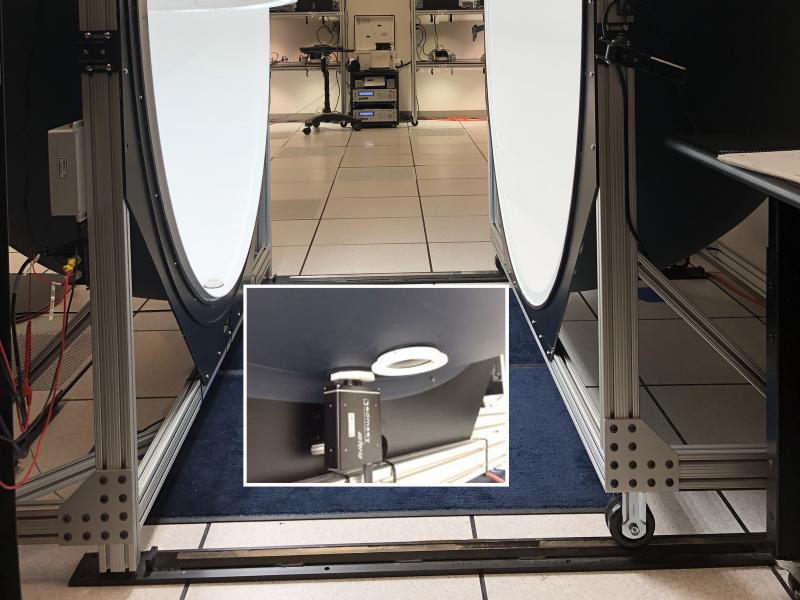
A staple in horror movies, flickering lights can also summon potential human health and productivity concerns. PNNL studied hand-held meters that measure flicker, and the results could improve future measurement and lighting strategies.
The Soil Science Society of America presents Nik Qafoku with the 2019 Jackson Award for contributions in soil chemistry and mineralogy—ranging from agricultural fertilizer efficiency in Albania to soil contaminant transport at Hanford.
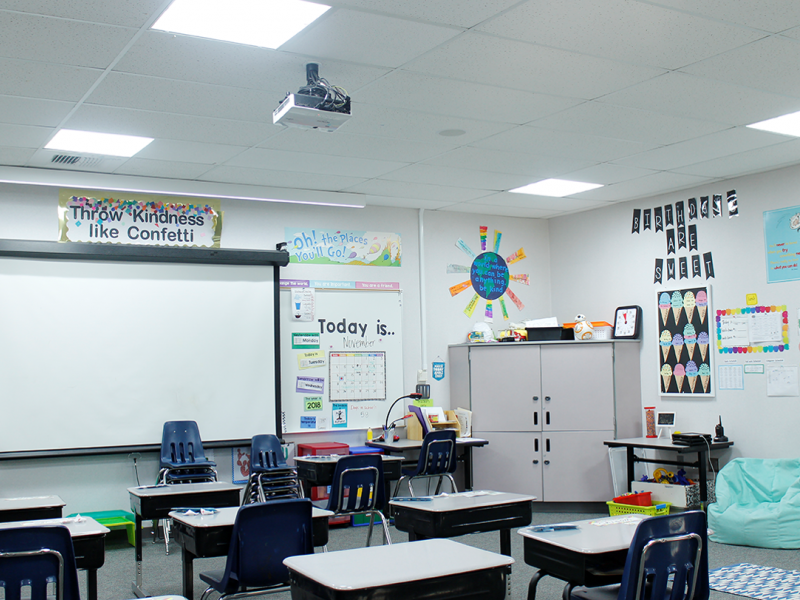
PNNL’s Solid State Lighting program evaluated the energy and photometric performance of adjustable LED lighting systems installed in three California classrooms as part of a GATEWAY study.
A study co-led by PNNL and reviewed in Science investigates how nanomaterials—both ancient and modern—cycle through the Earth’s air, water, and land, and calls for a better understanding of how they affect the environment and human health.
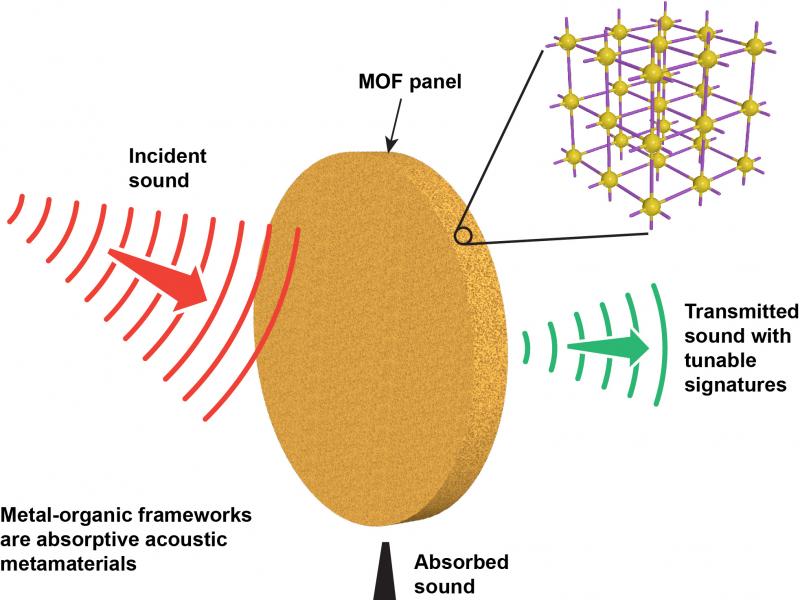
Researchers at PNNL are developing a new class of acoustically active nanomaterials designed to improve the high-resolution tracking of exploratory fluids injected into the subsurface. These could improve subsurface geophysical monitoring.