Recycling polyolefin materials is challenging. One waste management strategy is plastic upcycling. New work demonstrates a single-step upcycling route coupling cracking and alkylation, recycling carbon and keeping valuable resources active.
Kriston Brooks received the 2023 Department of Energy Office of Classification Outstanding DC Award, which is given to those in the classification community who have made significant contributions.
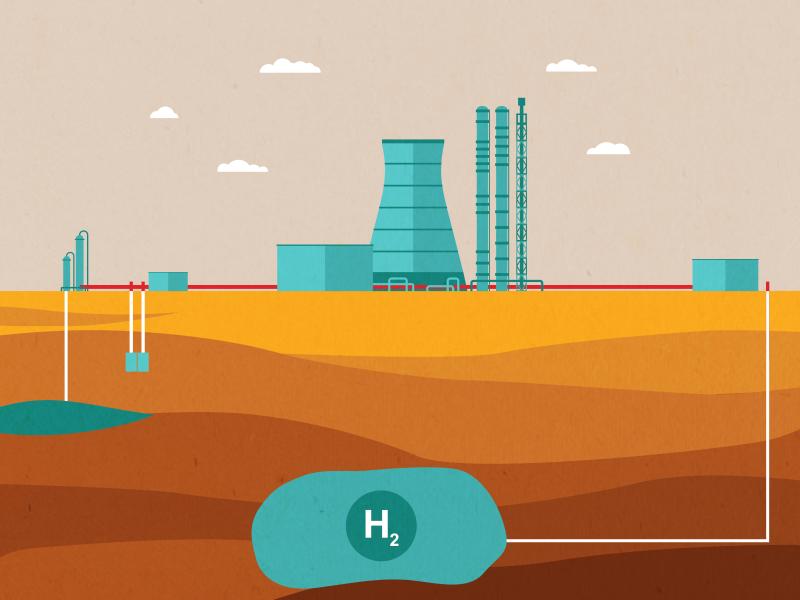
The SHASTA program is doing a deep dive on subsurface hydrogen storage in underground caverns, helping to lay the foundation for a robust hydrogen economy.
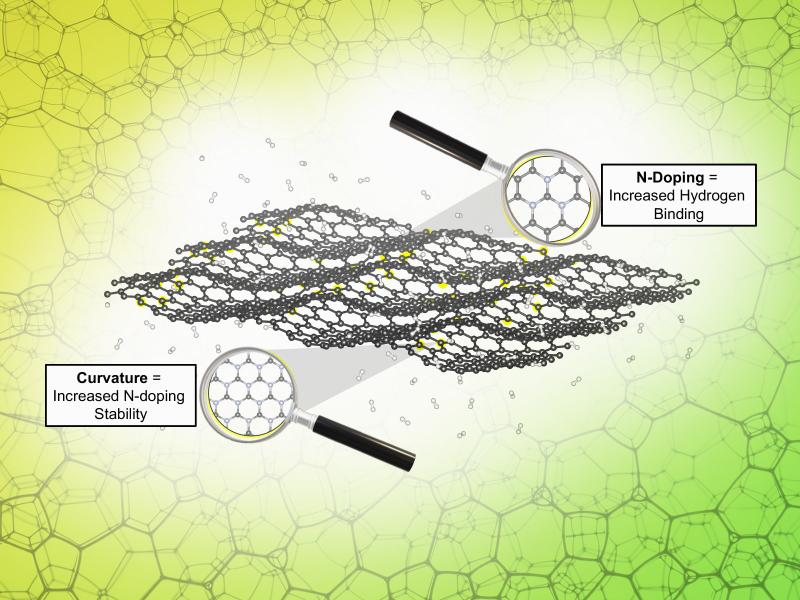
Identifying how curvature affects the doping and hydrogen binding energies of carbon-based materials provides a framework for designing hydrogen storage materials.
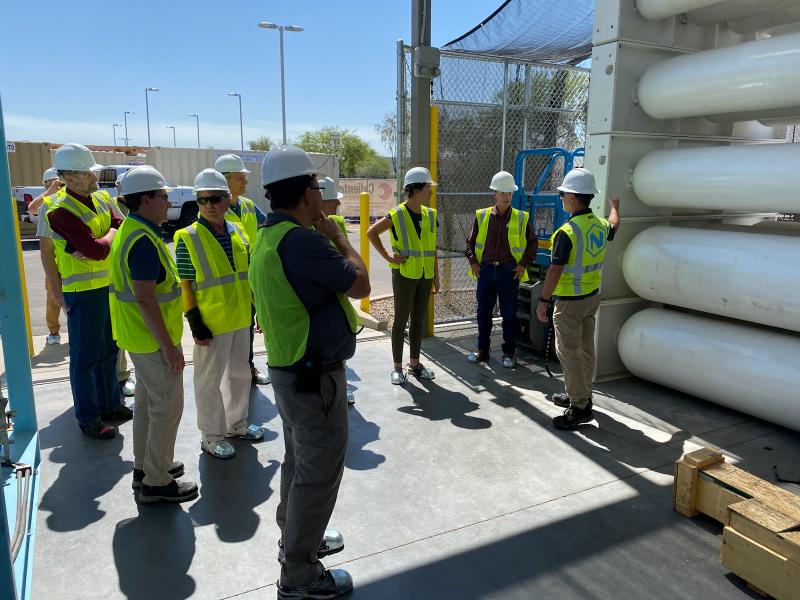
Now in its twentieth year, the Hydrogen Safety Panel is led by PNNL and includes more than two dozen experts. These experts developed a trusted resource for best practices for hydrogen energy.
Harish Gadey, David Peeler, and Tom Brouns named to Waste Management Symposia Program Advisory Committee positions to help develop radioactive waste management discussions.
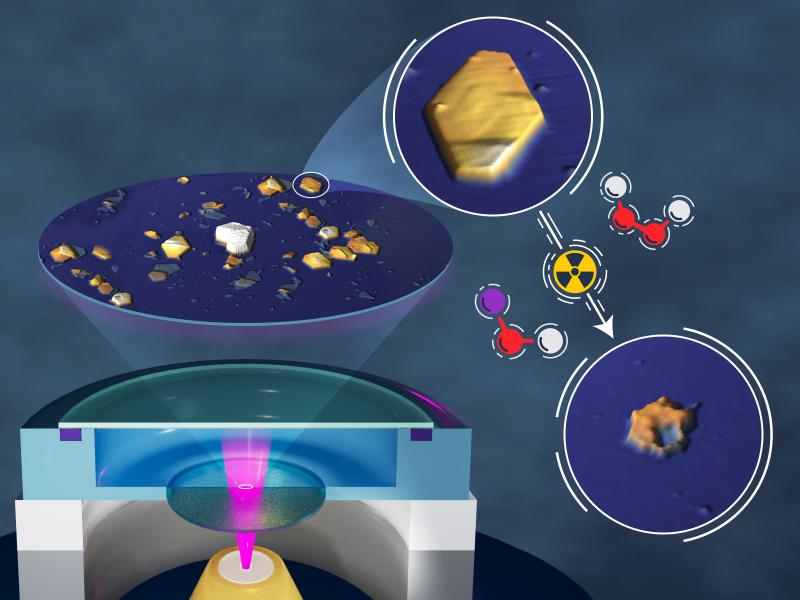
Resolving how nanoparticles come together is important for industry and environmental remediation. New work predicts nanoparticle aggregation behavior across a wide range of scales for the first time.
Clean hydrogen energy infrastructure is coming to the Pacific Northwest with a newly announced hydrogen hub, and PNNL experts are advising the work to come.
A poem inspired by radioactive tank waste—“Can a Scientist Dream it Alone?”—was awarded first place in the Department of Energy’s Poetry of Science Art Contest.