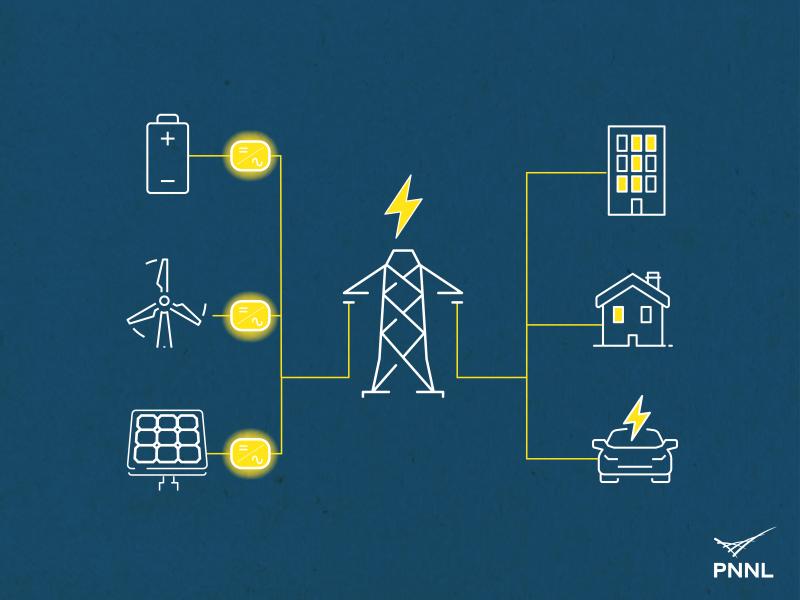
PNNL researchers developed a new model to help power system operators and planners better evaluate how grid-forming, inverter-based resources could affect the system stability.
Recognizing how innovation and clean technologies at the very edge of the grid can work together to transition the electricity system, PNNL takes a multidisciplinary approach to advancing and integrating renewable energy solutions.
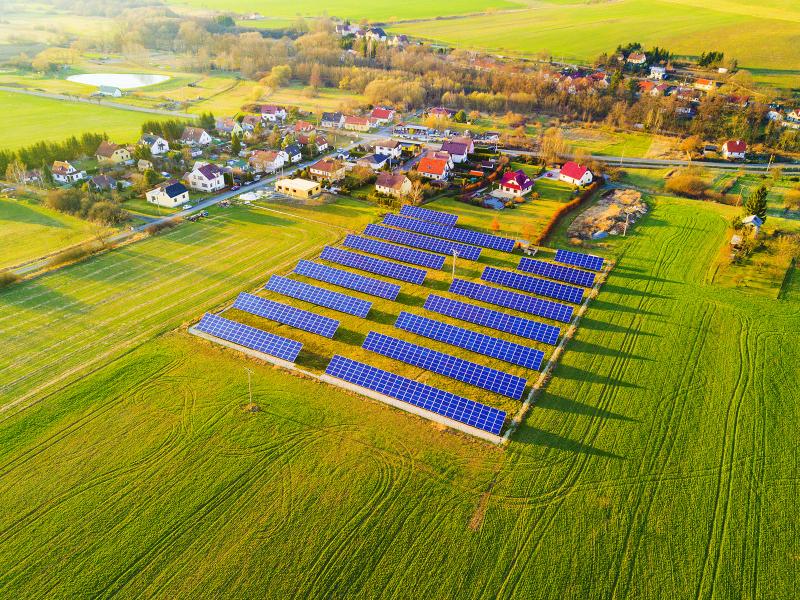
With an eye on renewable, accessible, and resilient power, PNNL researchers show hyper-local microgrids are a viable option, if designed with the right mix of sources.
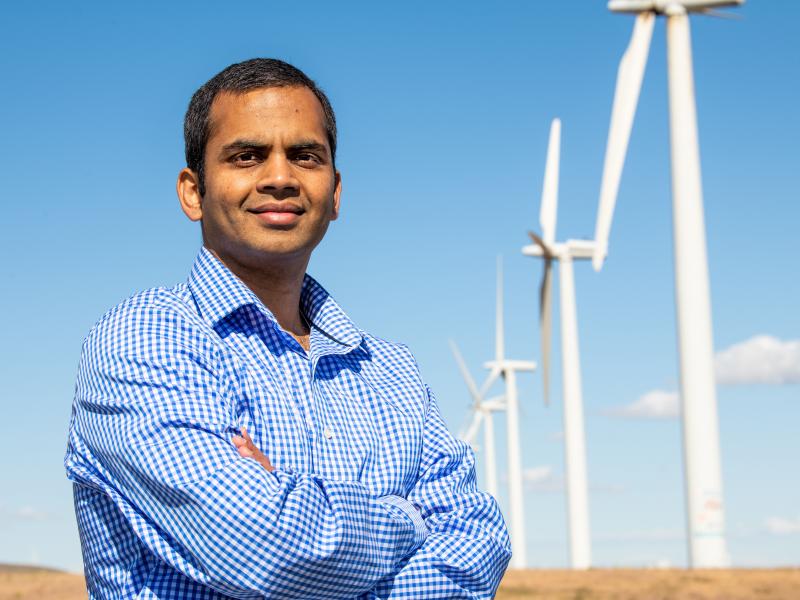
Electrical engineer Aditya Ashok and cybersecurity researcher Thomas Edgar win best paper award for their work to create a new high-fidelity dataset that will help advance cybersecurity solutions for critical infrastructure protection.
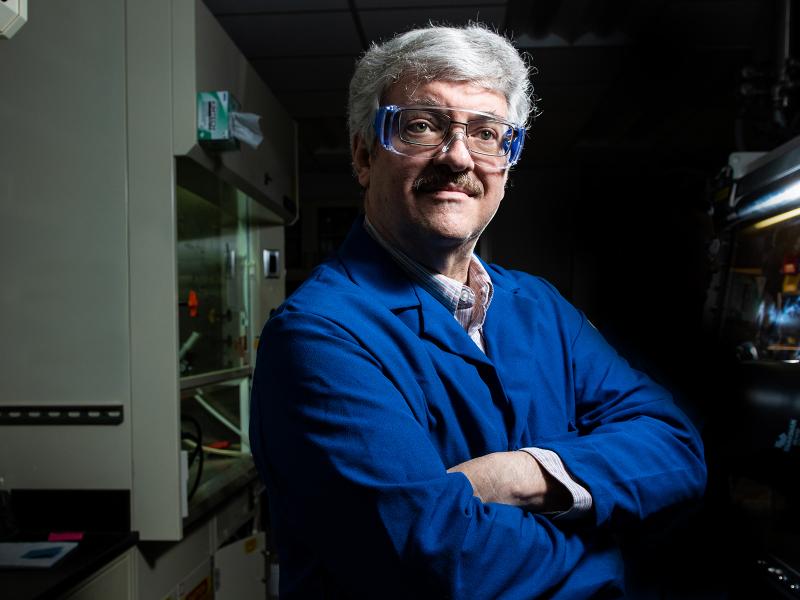
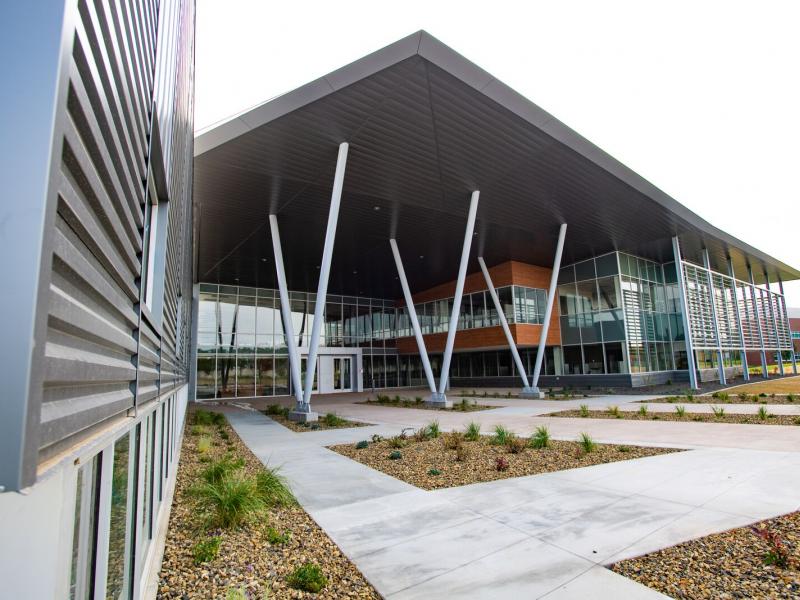
Johannes Lercher, Battelle Fellow and director of the PNNL Institute for Integrated Catalysis, envisions energy storage solutions at the new Energy Sciences Center.
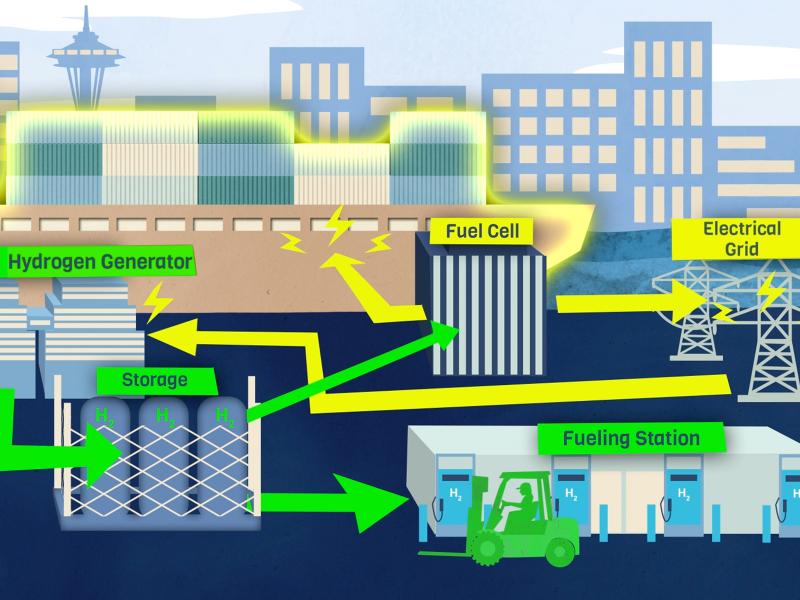
A research team is exploring the safety and feasibility of clean hydrogen to replace some fossil fuel in medium- and heavy-duty vehicles and maritime uses at the Port of Seattle.
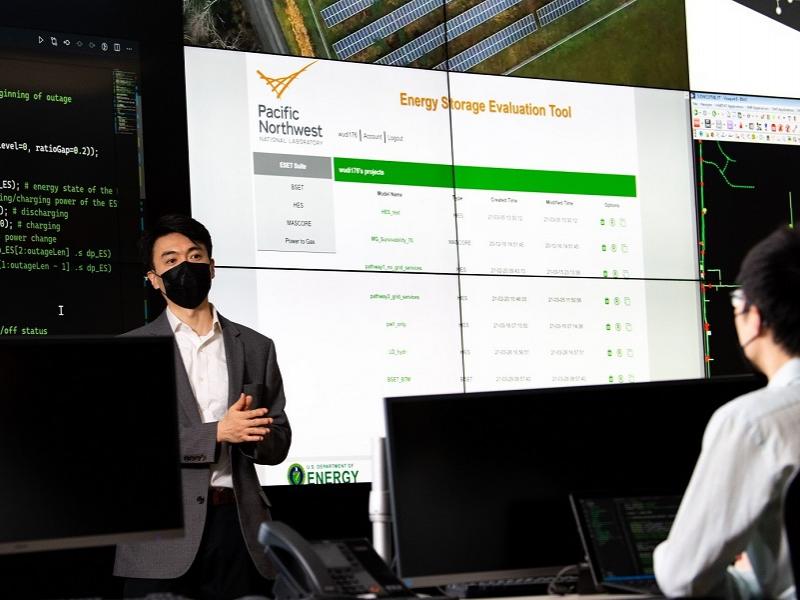
PNNL’s new Hydrogen Energy Storage Evaluation Tool allows users to examine multiple energy delivery pathways and grid applications to maximize benefits.
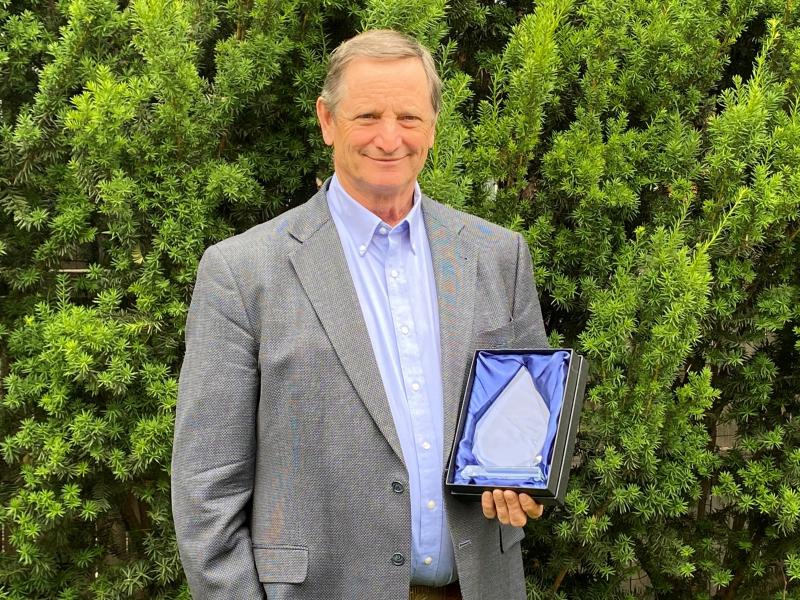
Grid Forward, an industry association dedicated to promoting and accelerating innovation in the regional electric system, honored PNNL's Carl Imhoff with the 2021 Grid Innovator Award.
Tools being developed at PNNL are helping the nation plan for, respond to and recover from severe storms and wildfires that could threaten critical energy systems.