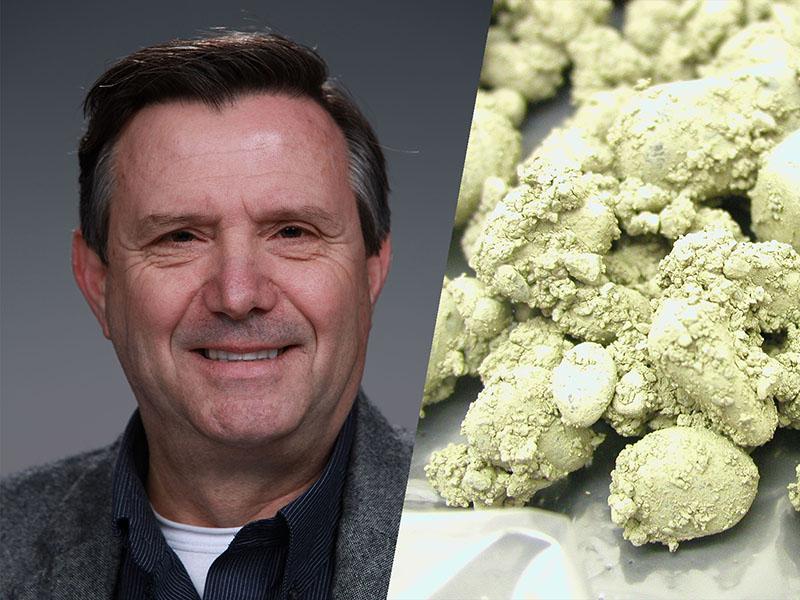
The Soil Science Society of America presents Nik Qafoku with the 2019 Jackson Award for contributions in soil chemistry and mineralogy—ranging from agricultural fertilizer efficiency in Albania to soil contaminant transport at Hanford.
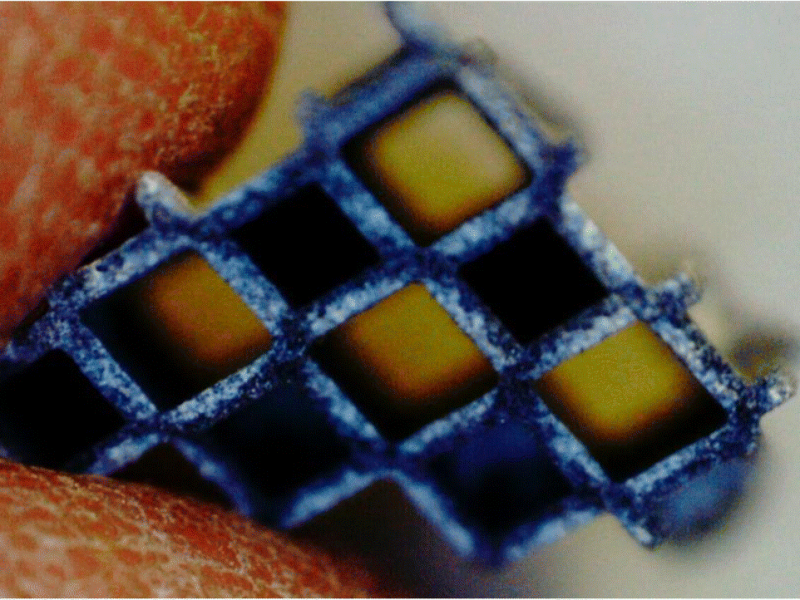
Editors of the journal Emission Control Science and Technology deemed “Coating Distribution in a Commercial SCR Filter” Best Paper in 2018. The authors include PNNL's Mark Stewart, Carl Justin Kamp, Feng Gao, Yilin Wang, and Mark Engelhard.
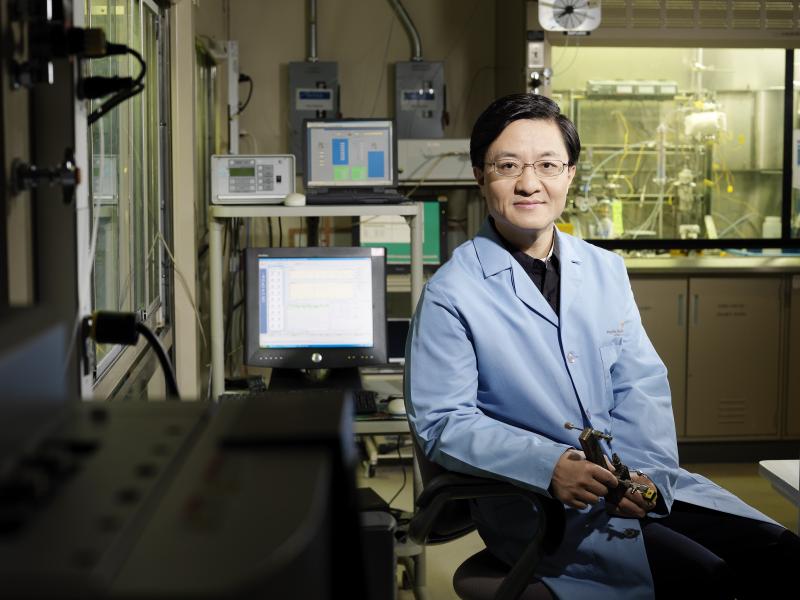
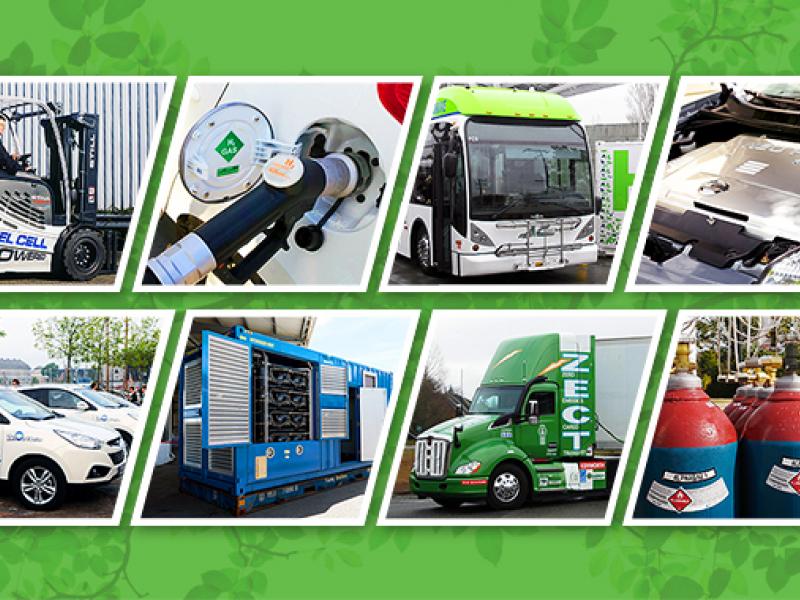
PNNL materials scientist Kevin Simmons is part of a collaboration that was recognized for work in hydrogen safety, codes and standards recently at the DOE Hydrogen and Fuel Cells Program annual merit review and peer evaluation.
A study co-led by PNNL and reviewed in Science investigates how nanomaterials—both ancient and modern—cycle through the Earth’s air, water, and land, and calls for a better understanding of how they affect the environment and human health.
Keerti S. Kappagantula, a scientist in PNNL’s Energy Processes and Materials Division, was featured in ASM International’s Women in Engineering Series.
Researchers at PNNL and their collaborators have made a significant improvement to a catalyst that is more rugged and can reduce tailpipe pollution at lower temperatures than existing methods.
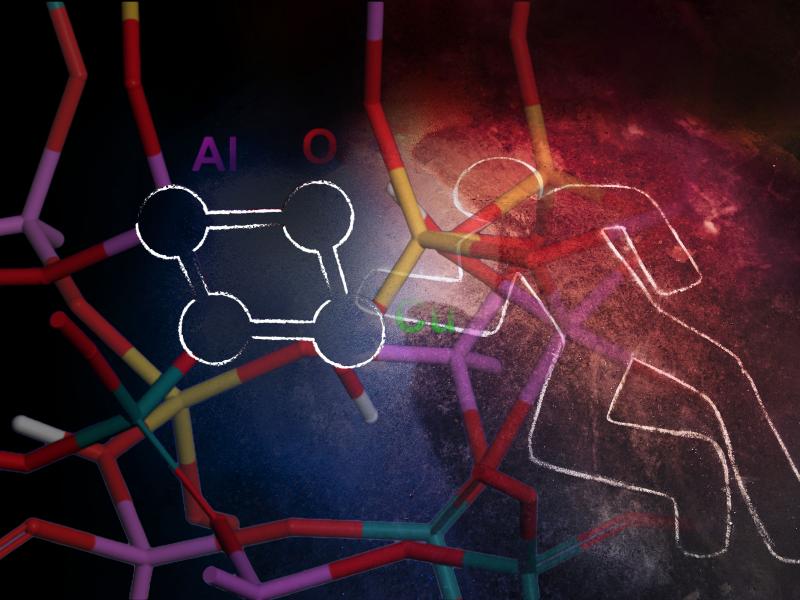
Several years ago, a relatively new catalyst for vehicle emission control began showing failure. A team at PNNL found that this seemingly suicidal catalyst wasn’t actually self-destructing but was the victim of an external assailant.
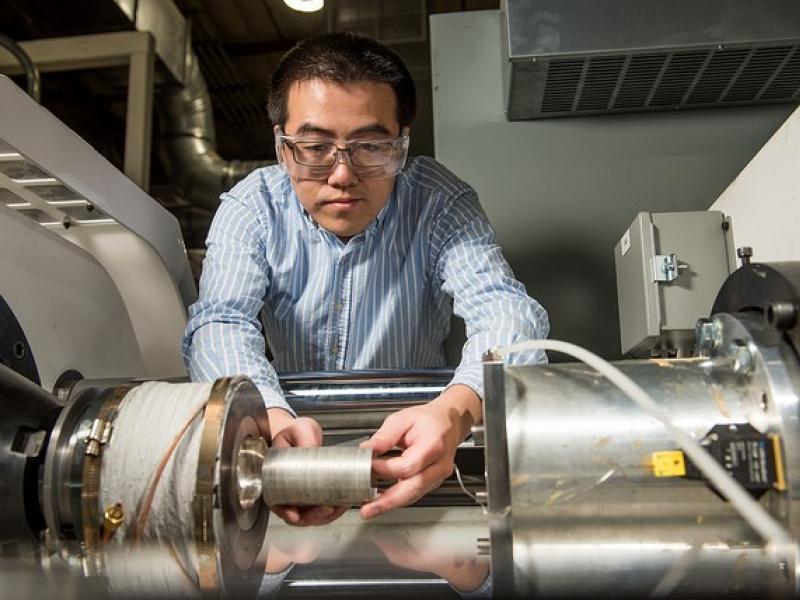
A new technology that offers a novel way to manufacture extrusions with unprecedented improvements in material properties recently received a U.S. patent.
PNNL leads a consortium to help find the best algae strains for biofuels and bioproducts to reduce the cost of producing bioenergy from algae feedstocks.
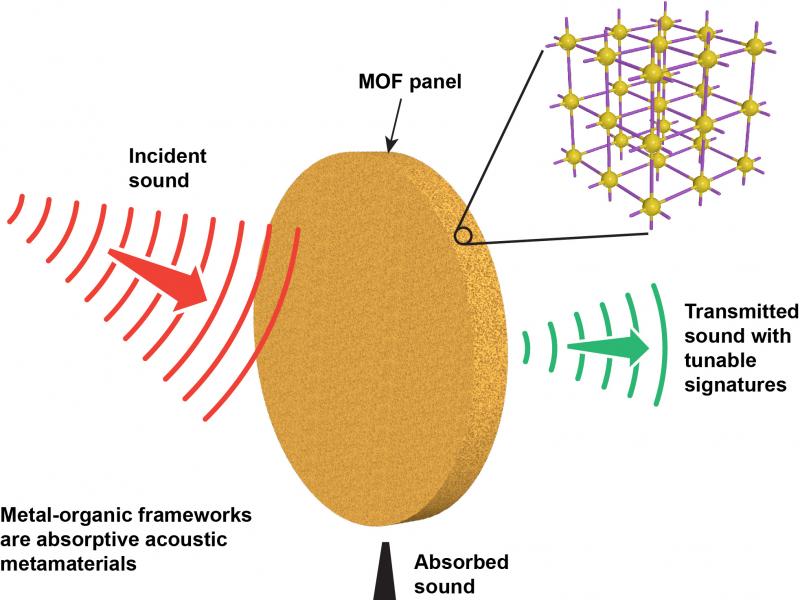
Researchers at PNNL are developing a new class of acoustically active nanomaterials designed to improve the high-resolution tracking of exploratory fluids injected into the subsurface. These could improve subsurface geophysical monitoring.
A process for converting carbon-rich pollution to jet fuel powered a commercial flight for the first time, marking history and ushering in a new era for low-carbon aviation.