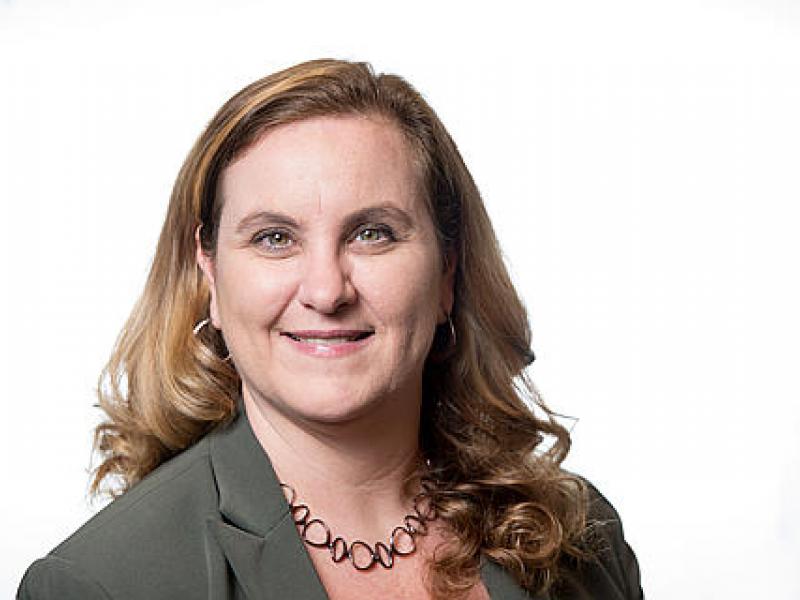
PNNL computational biologist Bobbie-Jo Webb-Robertson was recently awarded the “Spirit of nPOD award” to acknowledge her hard work in building, coordinating, and leading the Data Science Working Group.
To help spur economic development and assist in the battle against COVID-19, PNNL is making available its entire portfolio of patented technologies on a research trial basis—at no cost—through the end of 2020.
PNNL microbial ecologist Janet Jansson will serve on a committee representing the U.S. soil science community in the International Union of Soil Sciences.
PNNL biomedical scientist Ernesto Nakayasu brings expertise in host-pathogen interactions and the interconnection between the immune response and cellular metabolism to provide constructive review for submitted manuscripts.
After 50 years in science and on the eve of retirement, Laboratory Fellow Karin Rodland, a cancer cell biologist at PNNL, is working on experiments she has dreamed about for decades.
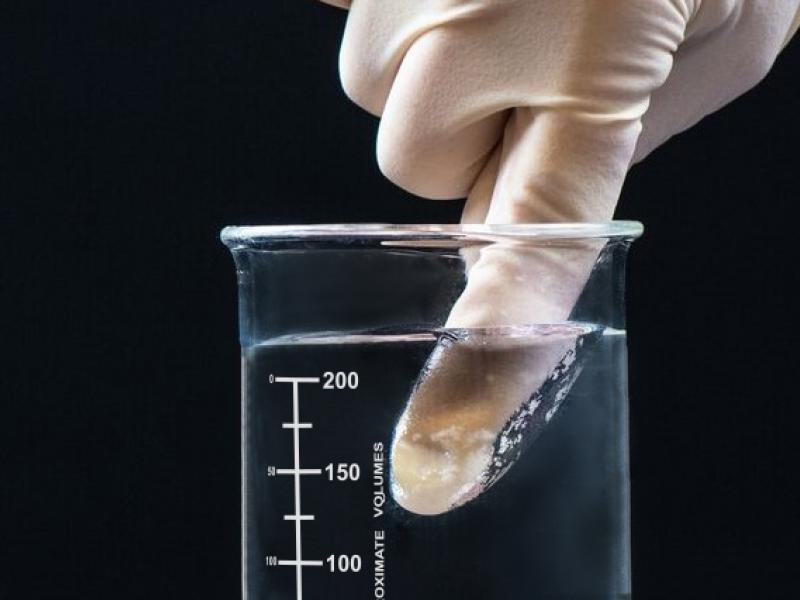
Accurate identification of metabolites, and other small chemicals, in biological and environmental samples has historically fallen short when using traditional methods.
A technology developed by researchers at the U.S. Department of Energy’s Pacific Northwest National Laboratory could pave the way for increased fuel economy and lower greenhouse gas emissions as part of an octane on demand fuel-delivery.
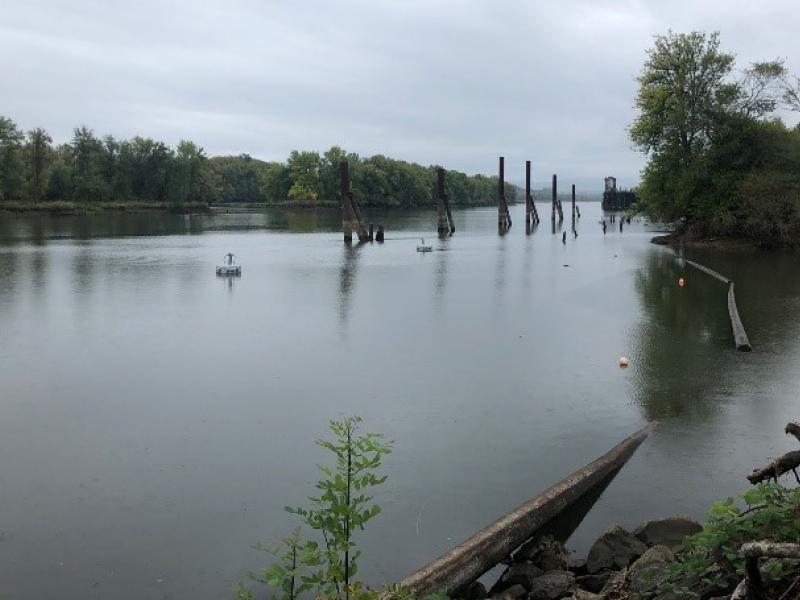
A long-standing collaboration between PNNL and Oregon State University to study harmful chemicals at federally designated hazardous waste sites primarily across the Pacific Northwest has been awarded a five-year, $12.7 million grant.
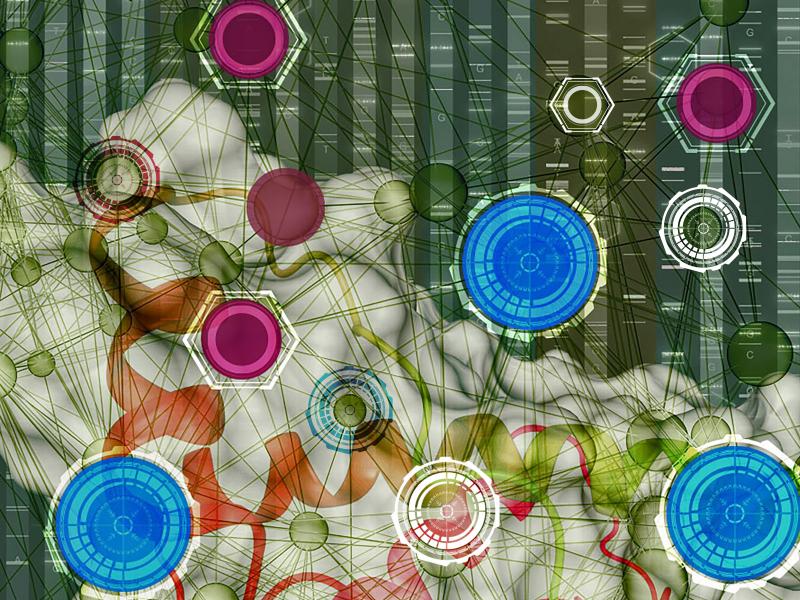
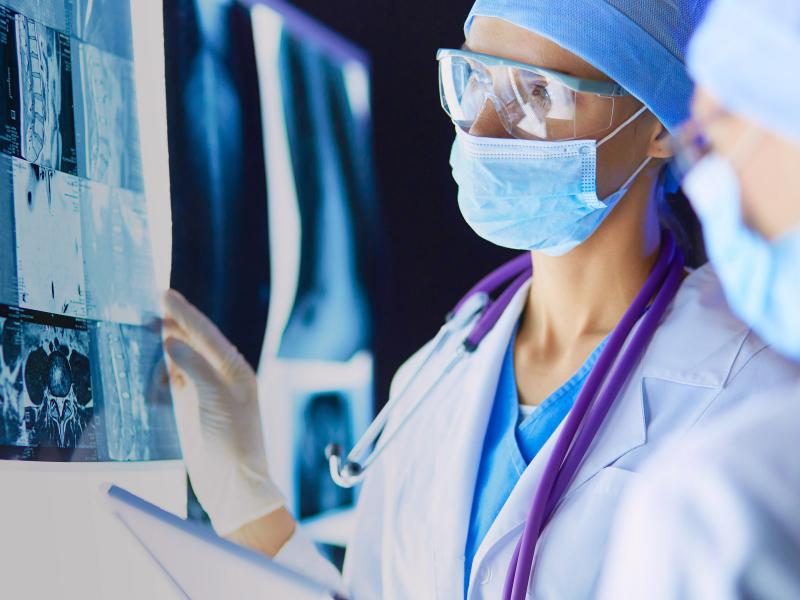
A new study using proteogenomics to compare cancerous tissue with normal fallopian tube samples advances insights about the molecular machinery that underlies ovarian cancer.
The PNNL team that made history, working with industrial partner LanzaTech, by creating the first jet fuel from industrial waste gas will receive a 2020 IRI Achievement Award for its breakthrough.
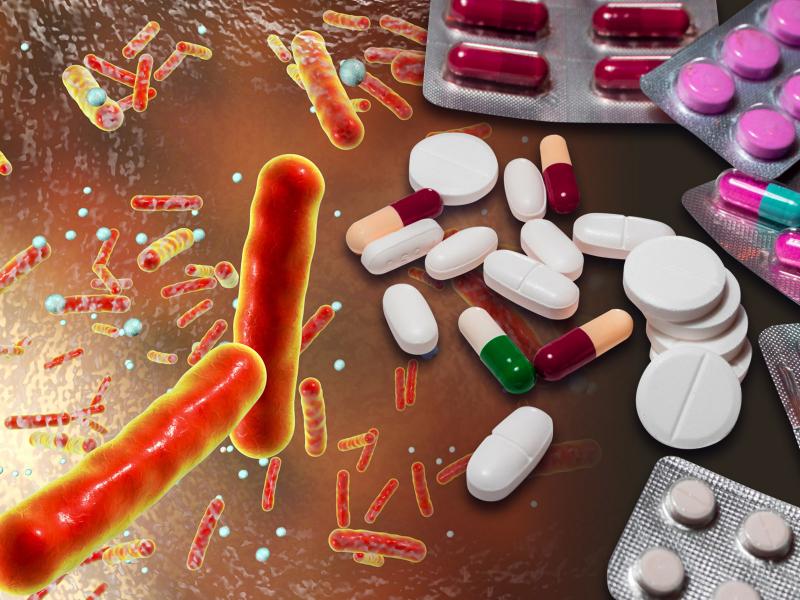
The recent coronavirus pandemic shows just how quickly a deadly pathogen can sweep across the globe, killing tens of thousands in the U.S. and disrupting daily life for millions more in the span of a few months.
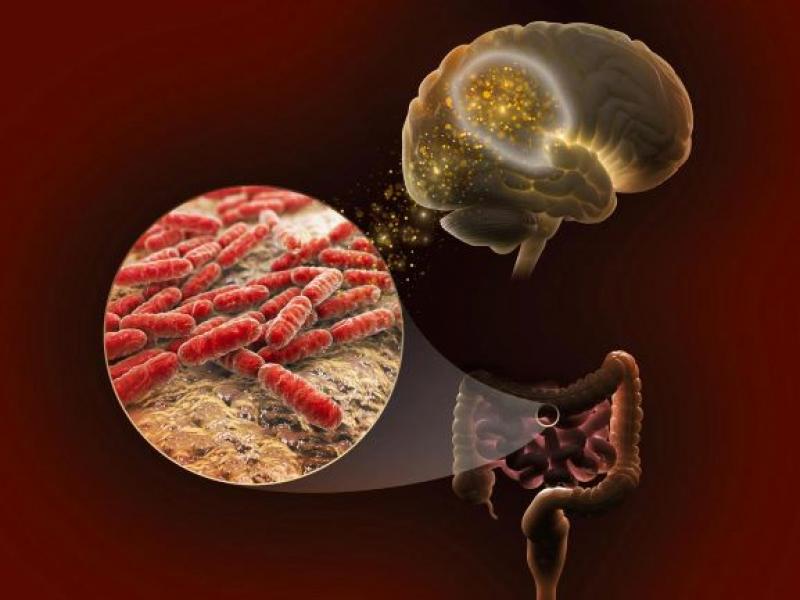
A new study is among the first to trace the molecular connections between genetics, the gut microbiome and memory in a mouse model bred to resemble the diversity of the human population.
Researchers at PNNL have come up with a novel way to use silicon as an energy storage ingredient, replacing the graphite in electrodes. Silicon can hold 10 times the electrical charge per gram, but it comes with problems of its own.
Scientists at the U.S. Department of Energy’s Pacific Northwest National Laboratory have developed and continue to maintain a global database of measurements made of soil-to-atmosphere CO2 flows, termed soil respiration.
Scientists at Pacific Northwest National Laboratory have recently formed a new partnership with Washington State University Health Sciences Spokane to study how gut microbes influence circadian rhythms.
PNNL and the U.S. Forest Service used a combination of data, models, analytical techniques and software to evaluate forest restoration impacts on the environment, while also assessing the economics of resulting biomass.