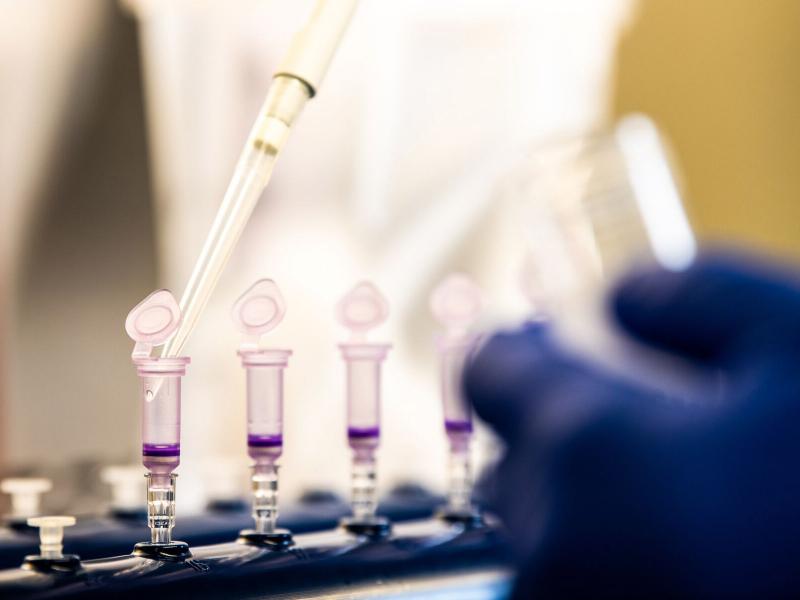
Using a large repository of blood samples from military personnel, PNNL and Uniformed Services University scientists have discovered a group of 13 proteins that could provide early detection of head and neck cancers.
Researchers at PNNL have increased the conductivity of copper wire by about five percent via a process called Shear Assisted Processing and Extrusion. General Motors tested the wire for application in vehicle motor components.
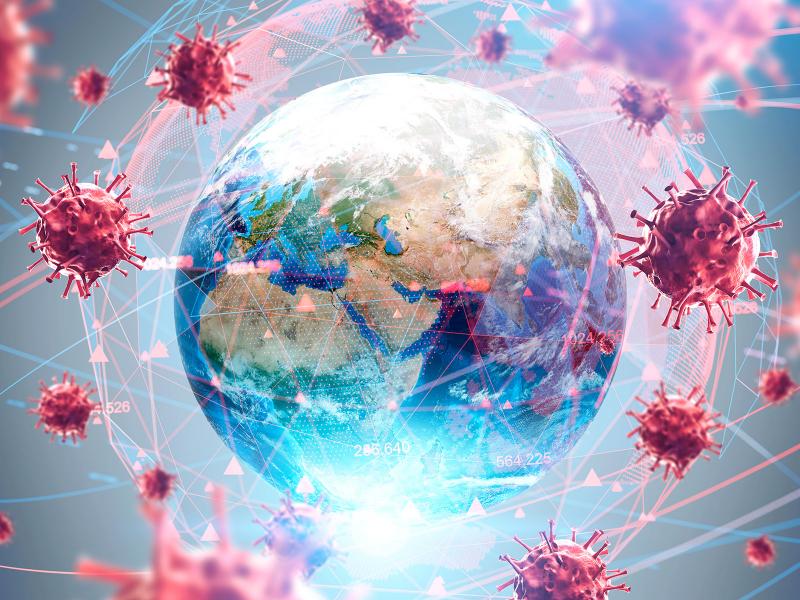
The nation’s ability to test for COVID-19 has expanded, thanks to work at Pacific Northwest National Laboratory, where scientists have established the performance of testing equipment to detect the virus.
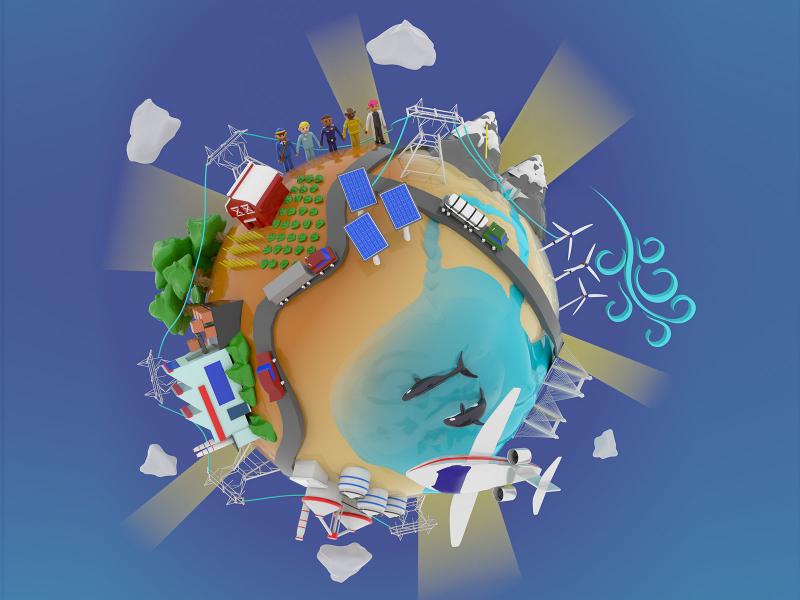
In a new review, PNNL researchers outline how to convert stranded biomass to sustainable fuel using electrochemical reduction reactions in mini-refineries powered by renewable energy.
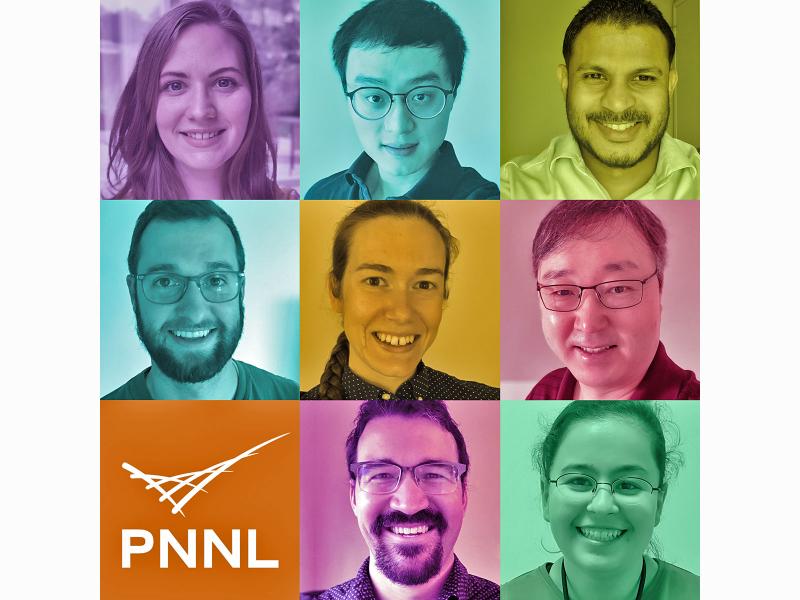
Twelve researchers from PNNL presented at the 2020 Metabolomics Association of North America virtual conference in mid-September. Their presentations included a plenary talk, keynote talks, oral presentations, posters, and a lightning talk.
Pacific Northwest National Laboratory (PNNL) is part of a continuing National Science Foundation (NSF) team investigating the environmental impact of nanoparticles at the molecular level.
To study the impact of accelerated dryland expansion and degradation on global dryland gross primary production (GPP,) PNNL and Washington State University researchers assessed GPP data from 2000-2014 and the CMIP5 aridity index (AI).
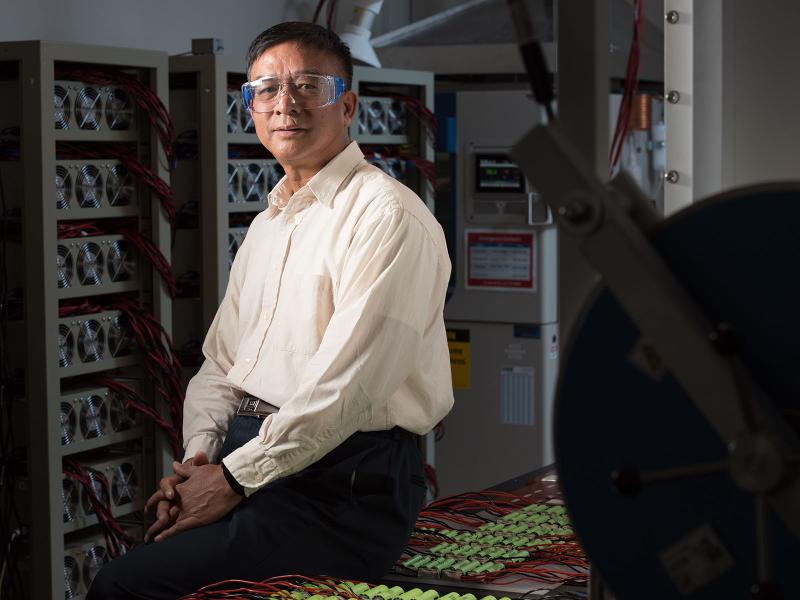
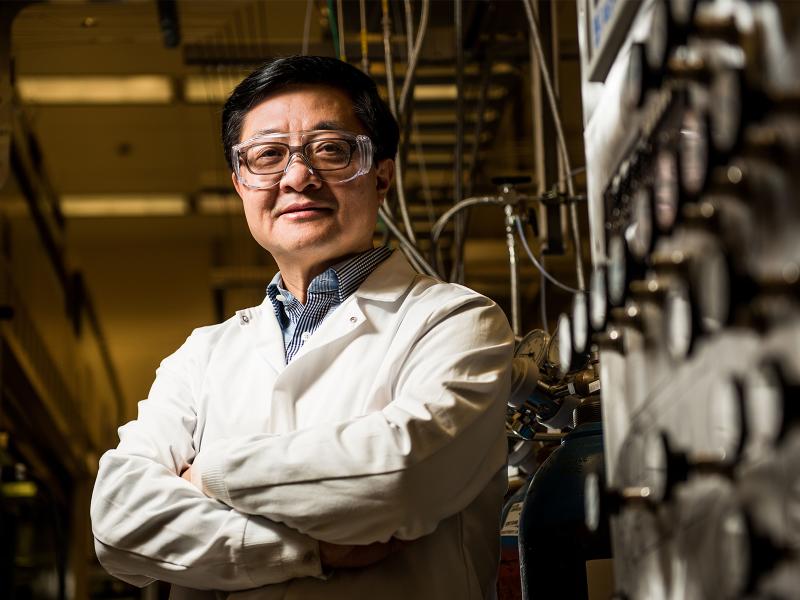
Yong Wang, associate director of PNNL’s Institute for Integrated Catalysis, has been recognized with 2021 American Chemical Society’s E.V. Murphree Award in Industrial and Engineering Chemistry.
Researchers from PNNL have helped colleagues at OHSU identify lipid molecules required for Zika infection in human cells. The specific lipids involved could also be a clue to why the virus primarily infects brain tissue.