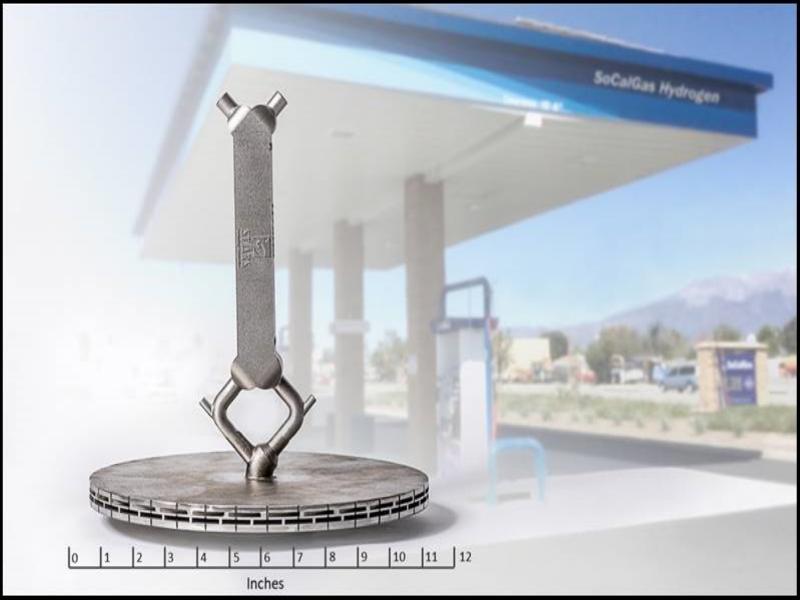
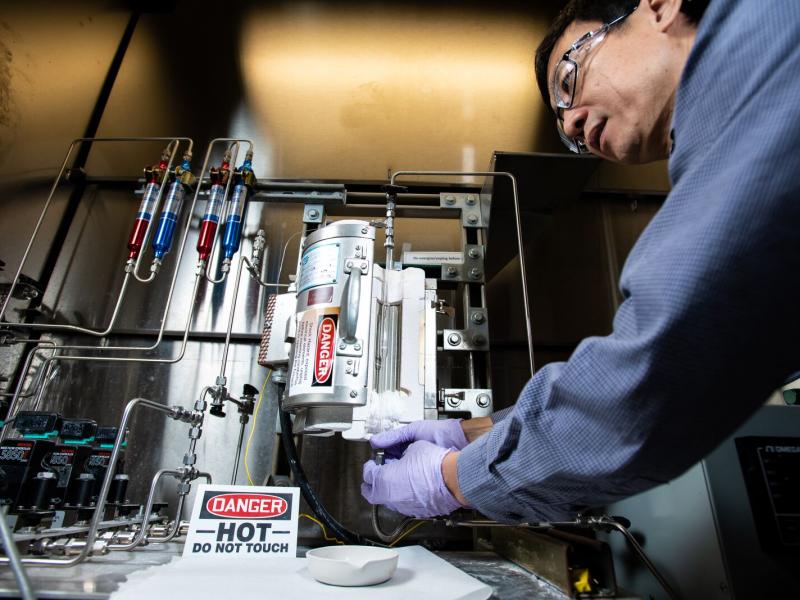
PNNL licensed two technologies to generate hydrogen. One, a reactor design, generates hydrogen from natural gas. The second innovation uses a 3D printing method to economically manufacture the generator.
A webapp developed by PNNL in collaboration with the University of Washington to help drive efficiencies for urban delivery drivers is now in the prototype stage and ready for testing.
A collaboration among PNNL, Washington State University, and Tsinghua University has led to the discovery of a mechanism behind the decline in performance of an advanced copper-based catalyst.
Samantha Eaves discusses the future of marine energy and her role with Triton from the Department of Energy Water Power Technologies Office perspective.
Johnson is among the PNNL scientists preparing to move into the Energy Sciences Center, the new $90 million, 140,000-square-foot facility that is expected to open in late 2021.
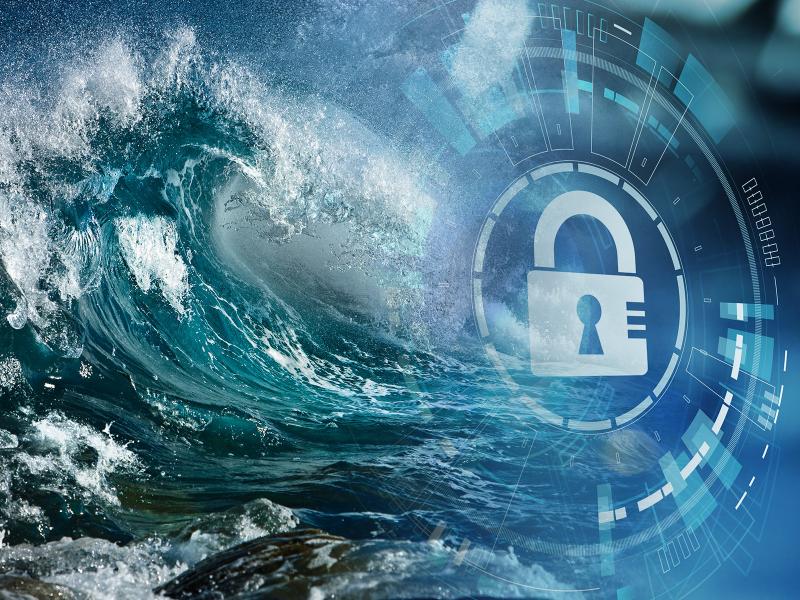
PNNL has published a cybersecurity guidance report for marine renewable energy devices to prepare the blue economy for harnessing ocean power from waves, tides, and currents.
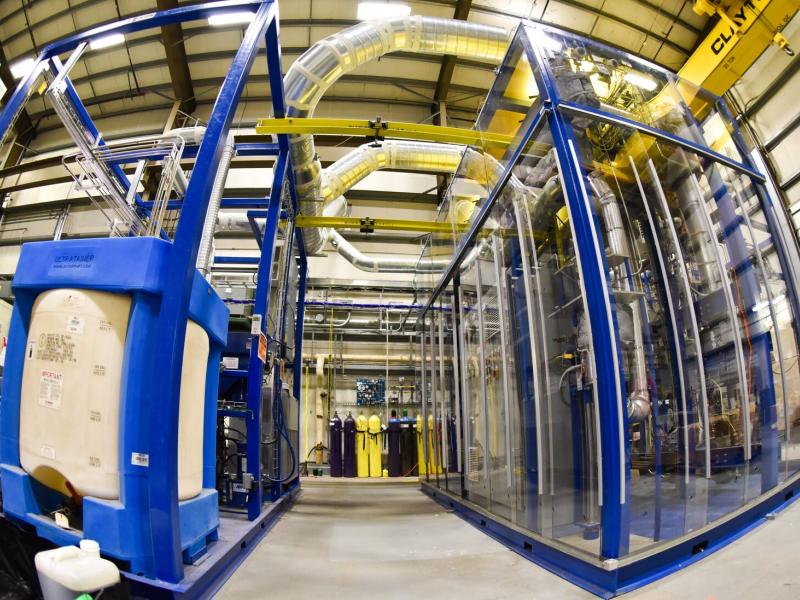
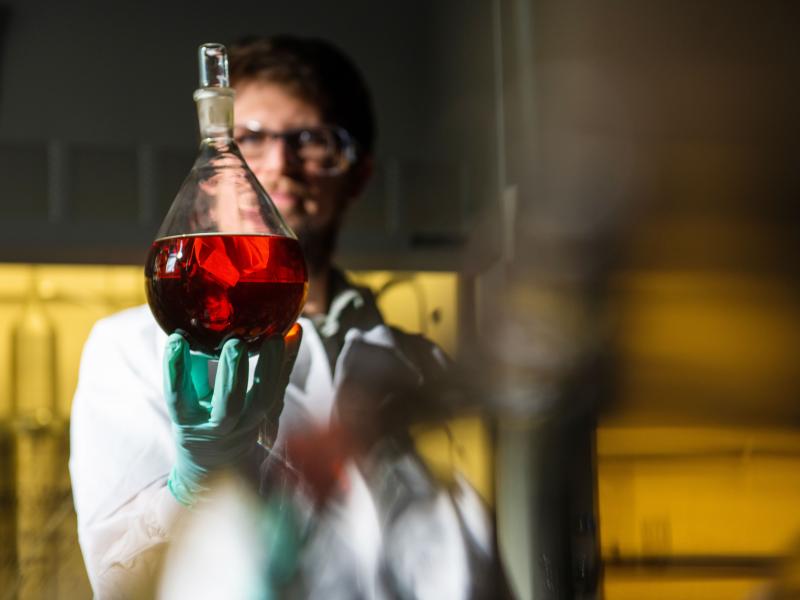
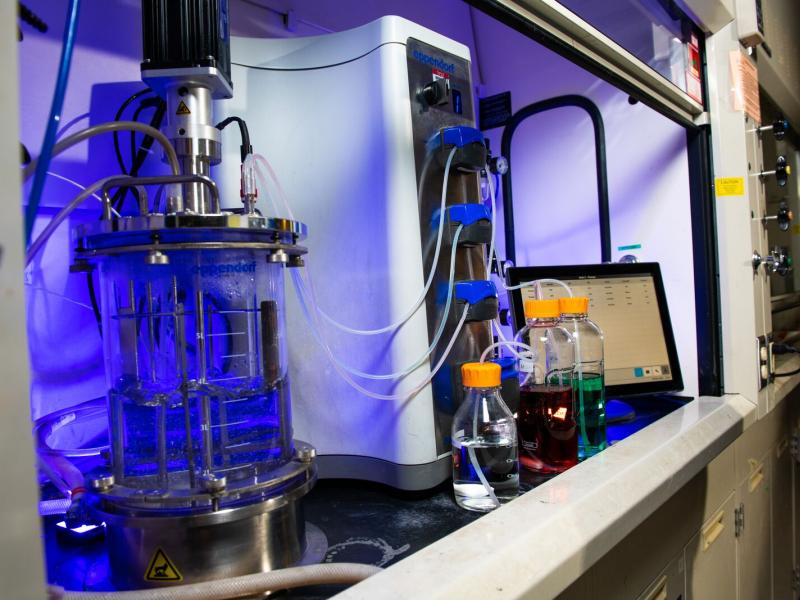
A demonstration converting biocrude to renewable diesel fuel has passed a significant test, operating for more than 2,000 hours continuously without losing effectiveness.
The U.S. Department of Energy has awarded funding to PNNL for the design and construction of a hybrid research vessel and an underwater testbed to be located at PNNL-Sequim.
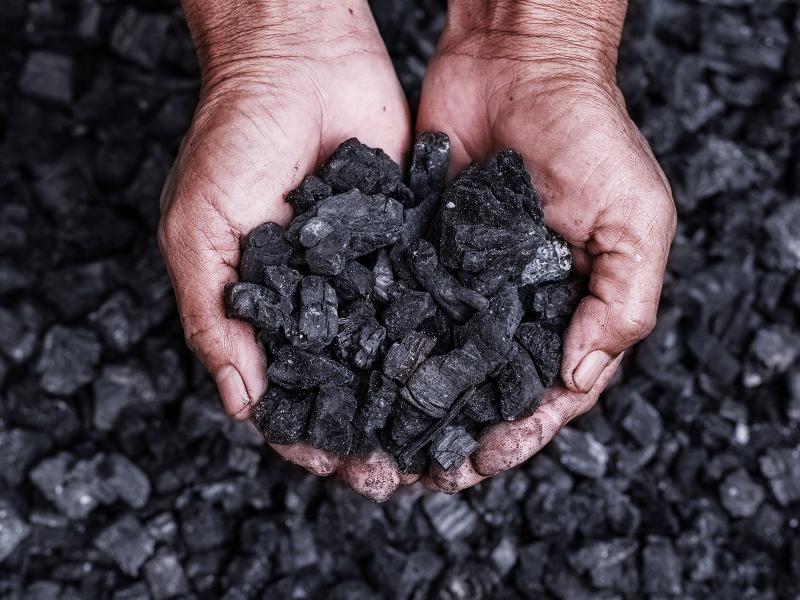
PNNL teamed with academia and industry to develop a novel zero-emission methane pyrolysis process that produces both hydrogen and high-value carbon solids suitable for an array of manufacturing applications.
PNNL catalysis experts Oliver Y. Gutierrez and Jamie Holladay, along with a colleague from The City College of New York, led a special issue of the Journal of Applied Electrochemistry.
Through two U.S. Department of Energy funding calls awarded in 2020, PNNL is partnering with industry and academia to advance battery materials and processes.
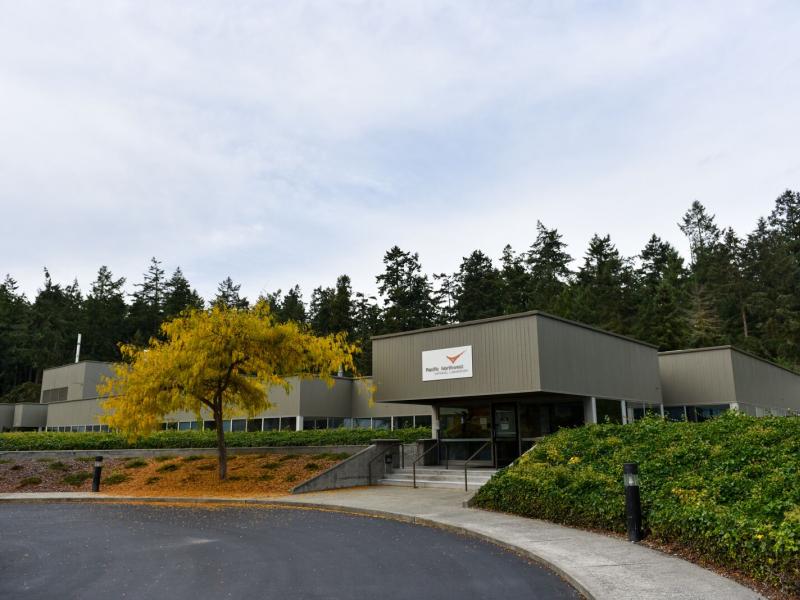
The Marine and Coastal Research Laboratory (MCRL), part of PNNL, in Sequim, Washington, is the U.S. Department of Energy’s only marine research facility. It has a rich history and expanding research scope.