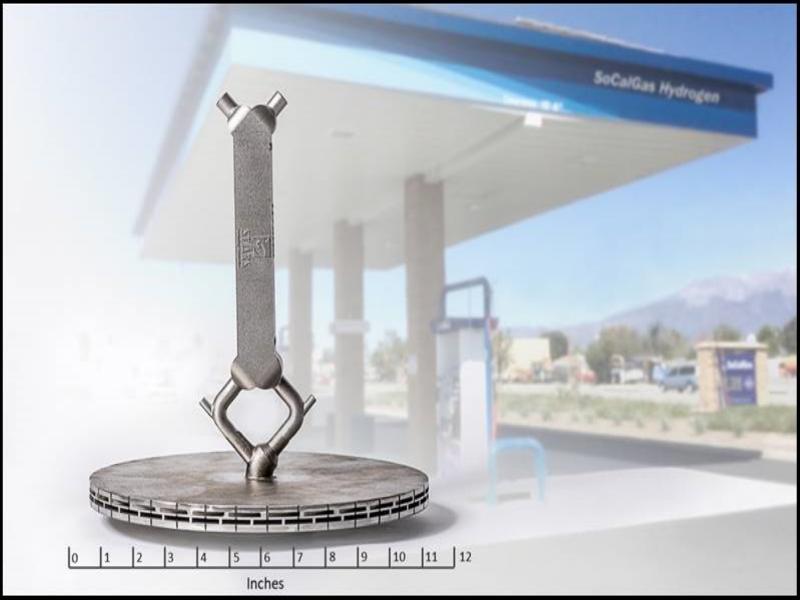
PNNL licensed two technologies to generate hydrogen. One, a reactor design, generates hydrogen from natural gas. The second innovation uses a 3D printing method to economically manufacture the generator.
Study says planners need to account for climate impacts on renewable energy during capacity development planning to fully understand investment implications to the power sector.
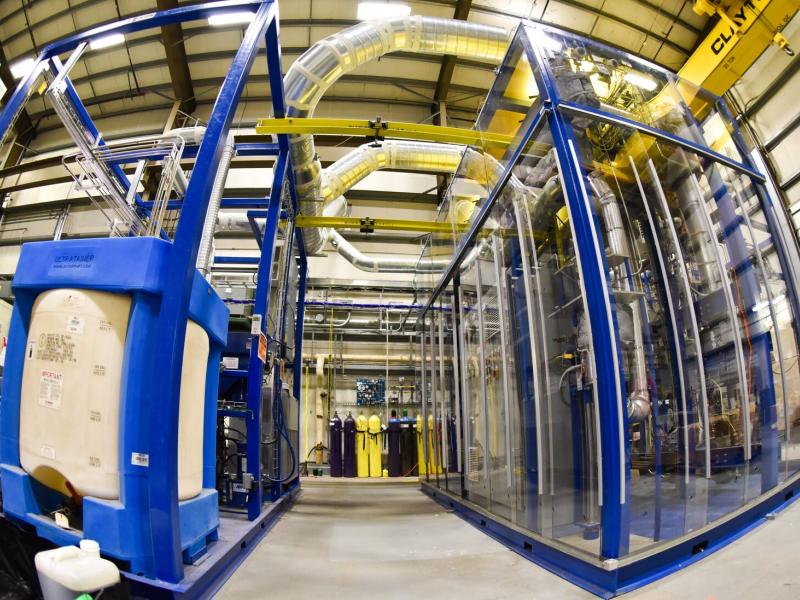
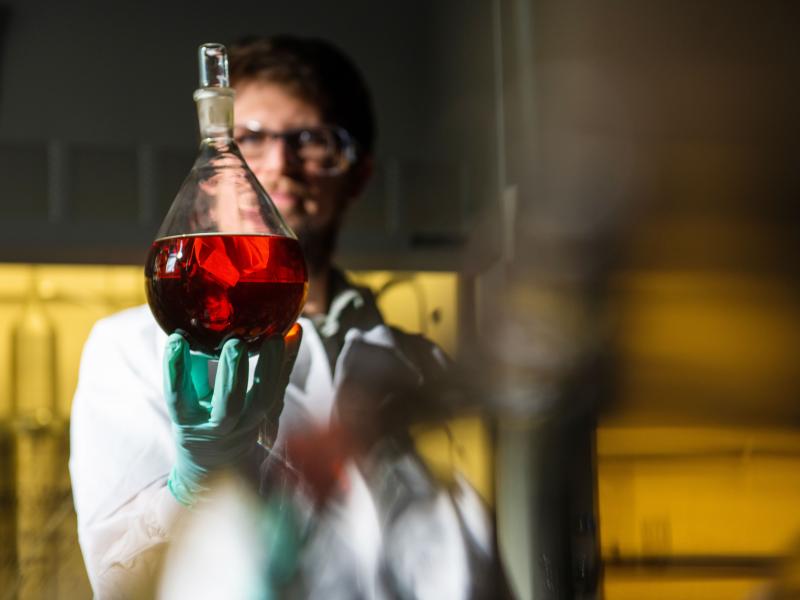
A demonstration converting biocrude to renewable diesel fuel has passed a significant test, operating for more than 2,000 hours continuously without losing effectiveness.
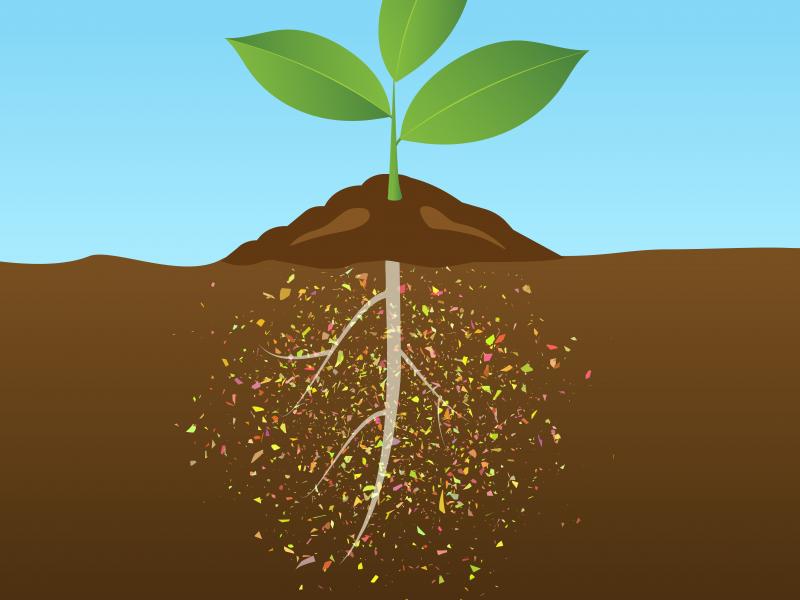
Like a toxic Trojan horse, microplastics can act as hot pockets of contaminant transport. But, can microplastics get into plant cells? Recent research shows that they can't.
PNNL’s Karthikeyan Ramasamy was elected to a three-year term as a director in the American Institute of Chemical Engineers’ Fuels and Petrochemicals Division.
Calcium carbonate found in chalk, shells and rocks is one of the most important materials on earth. New insights on how it turns into hard, strong materials will help scientists design materials needed for a low-carbon future.