PNNL recently joined the Department of Homeland Security for two technical meetings exploring national security research spanning the threat realm, from chemical and biological attacks to adversarial artificial intelligence.
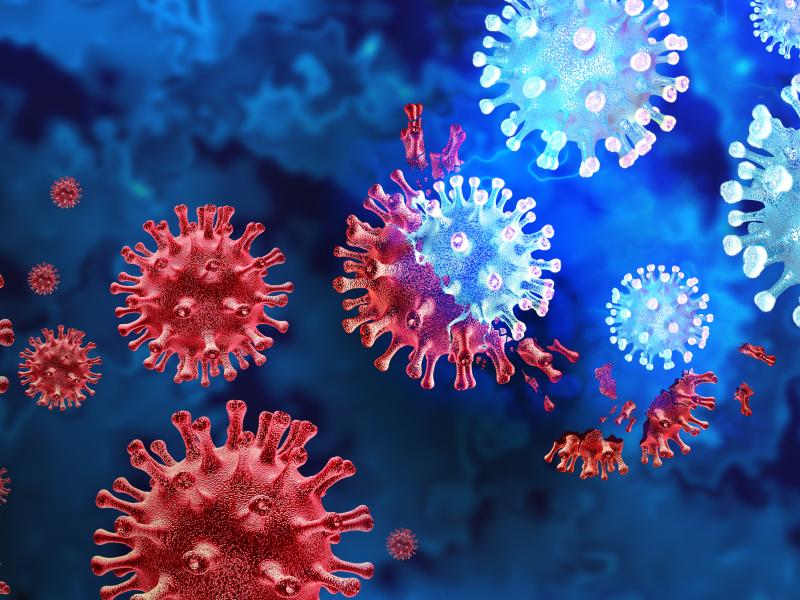
PNNL’s wide-ranging report maps the current nanobiotechnology landscape, flags potential concerns, and details the need for an organizing body to coordinate currently disparate disciplines.
To overcome high-performance computing bottlenecks, a research team at PNNL proposed using graph theory, a mathematical field that explores relationships and connections between a number, or cluster, of points in a space.
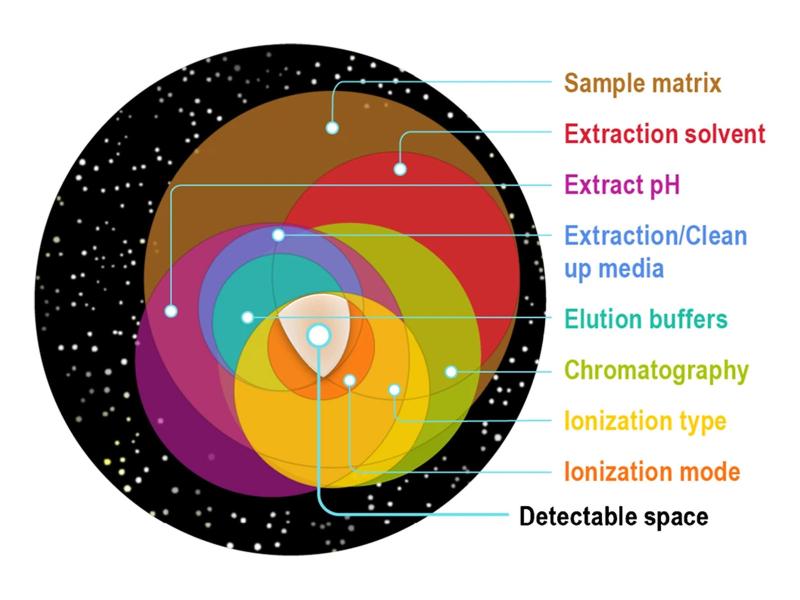
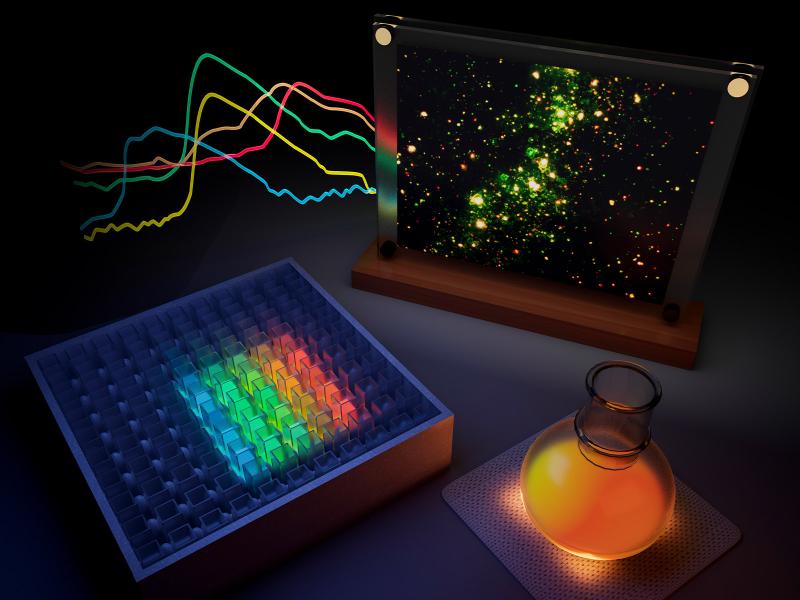
The ChemSpace Tool, when fully developed, is intended to divide chemical space into three subsets: the detectable space, the identifiable space, and the region that includes compounds that are not detectable or identifiable.
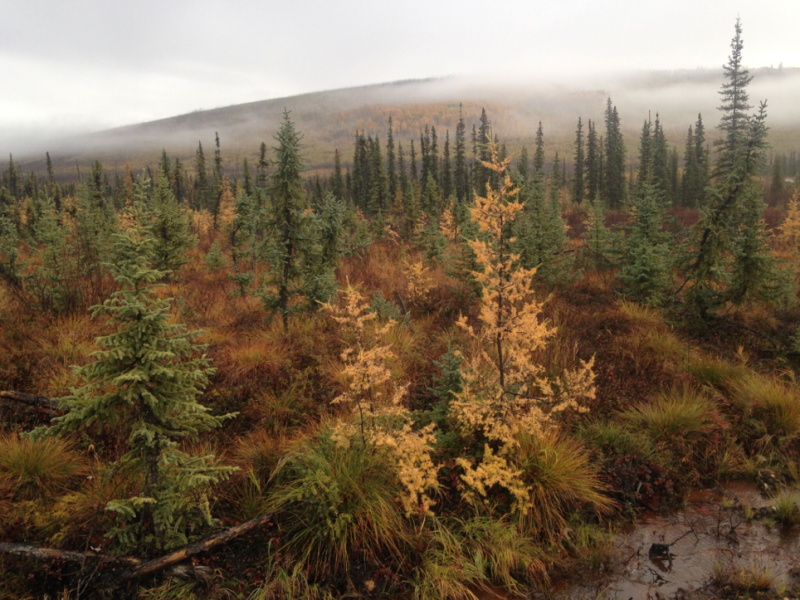
Microbes that were previously frozen in soils are becoming more active. This study demonstrates the diverse RNA viral communities found in thawed permafrost.
To thwart pathogens, researchers in the epidemiology field of infectious disease (ID) prediction are continuously trying to forecast when, where, and how an ID event will occur.
A new web-based tool provides easy-to-understand progress metrics and other data about groundwater cleanup sites overseen by the DOE Office of Environmental Management.