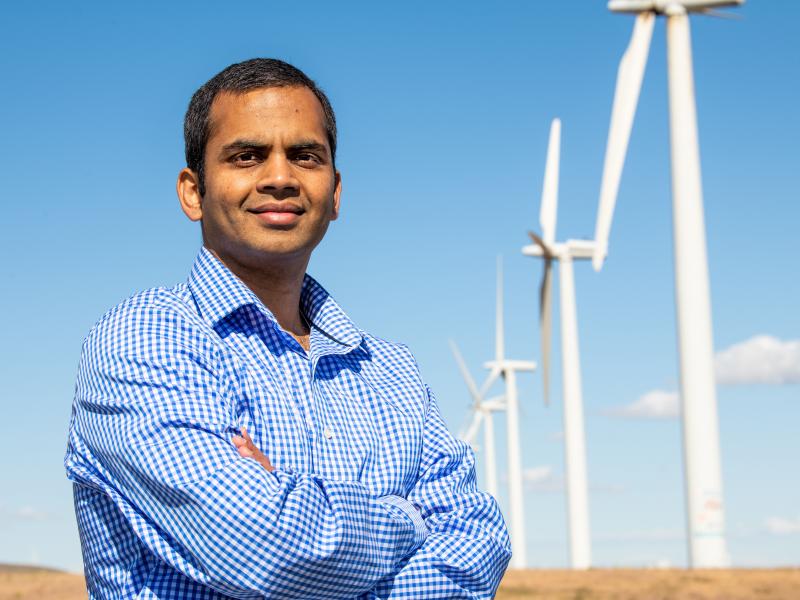
Two renewable energy approaches—enhanced geothermal systems and floating offshore wind energy—get new focus as Energy Earthshot™ Research Centers at PNNL.
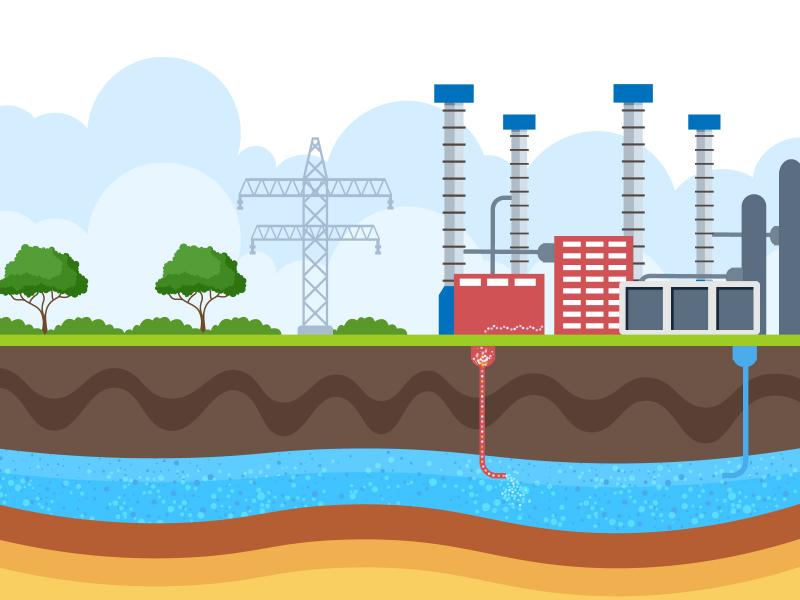
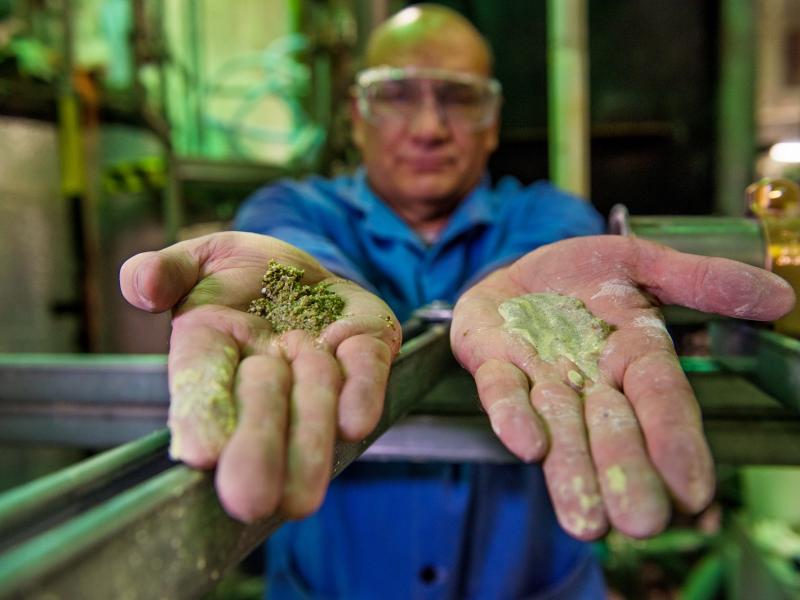
Research shows that coupling geothermal power plants with lithium extraction from geothermal brine would make geothermal energy more economically viable, providing renewable energy and valuable raw materials.
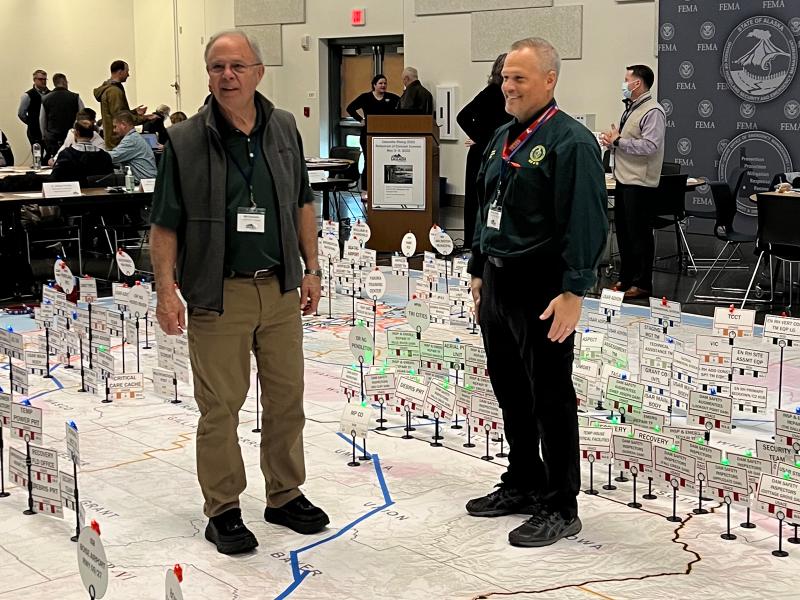
Over three days more than 200 federal, state, and tribal partners gathered to evaluate and walk through the Federal Emergency Management Agency (FEMA) Region 10 Cascadia Subduction Zone Earthquake and Tsunami Response Plan.
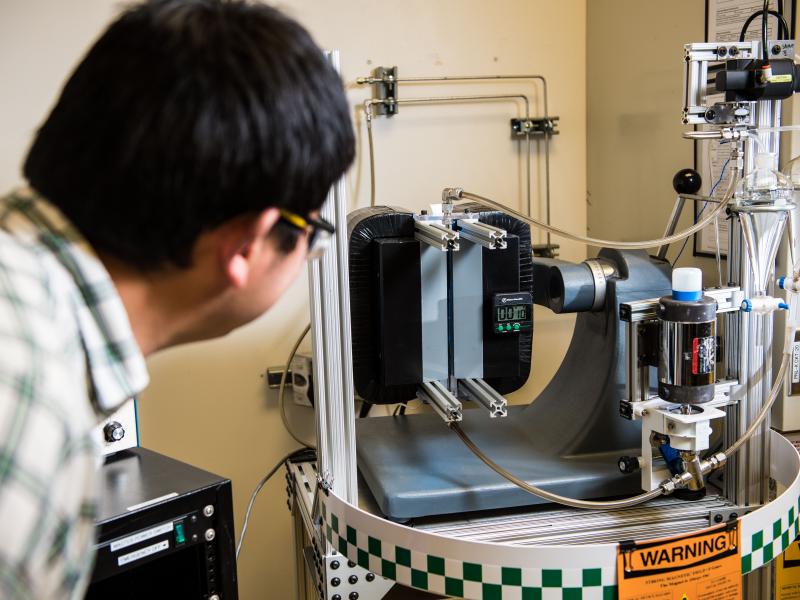
This PNNL-developed separation system quickly and successfully separates larger particles from smaller ones at various scales, in different solid-liquid mixtures and at different flow rates.
Recognizing how innovation and clean technologies at the very edge of the grid can work together to transition the electricity system, PNNL takes a multidisciplinary approach to advancing and integrating renewable energy solutions.
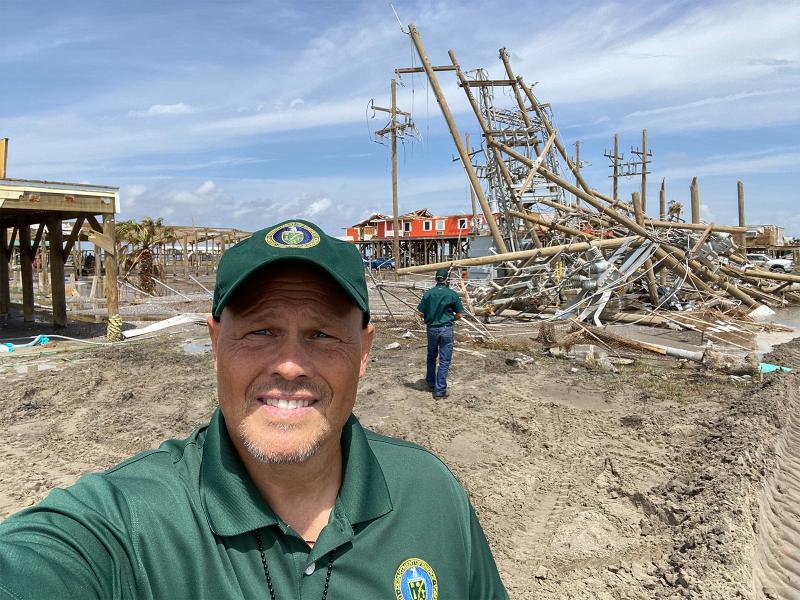
PNNL combines AI and cloud computing with damage assessment tool to predict path of wildfires and quickly evaluate the impact of natural disasters, giving first responders an upper hand.
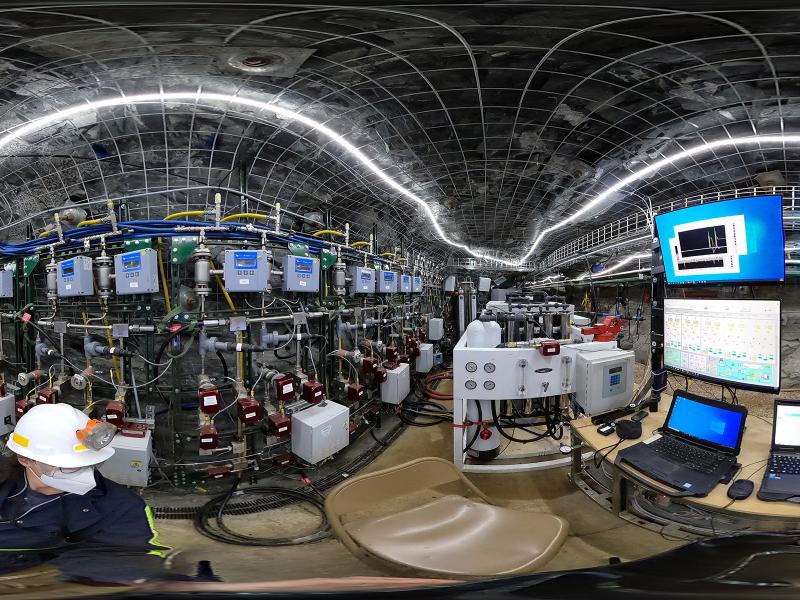
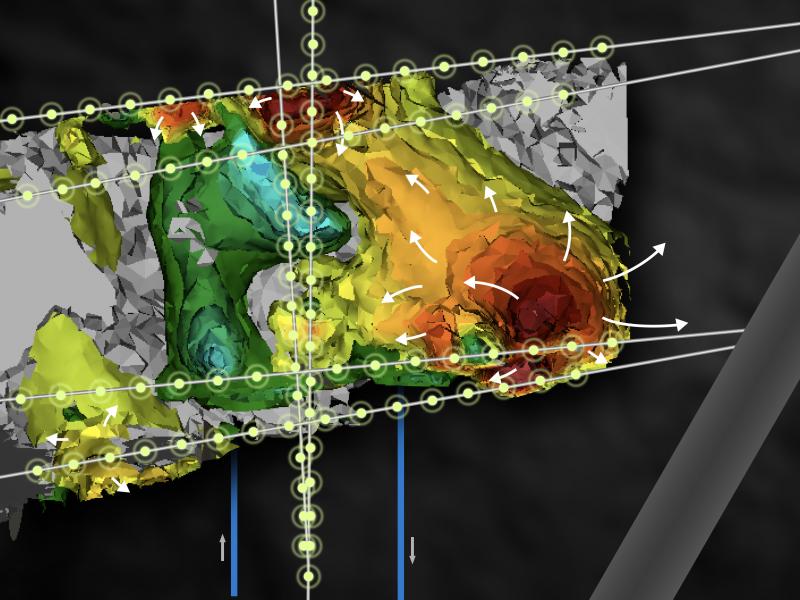
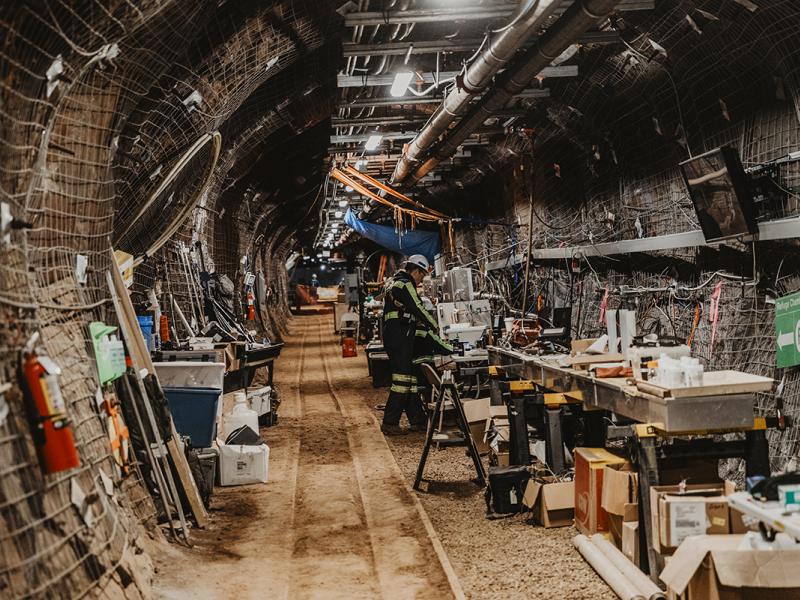
A team of researchers from 10 national laboratories and eight universities is conducting hydraulic shearing tests to explore the potential for geothermal energy at the Sanford Underground Research Facility (SURF).