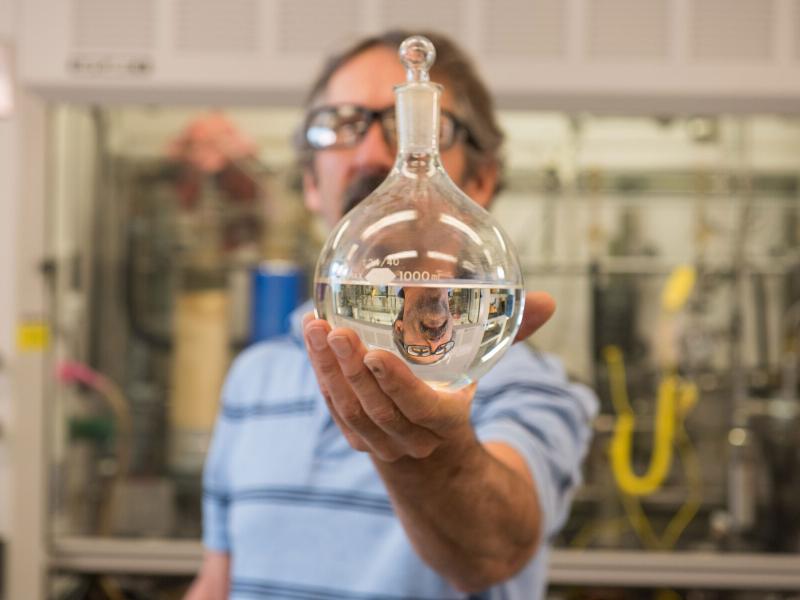
The PNNL team that made history, working with industrial partner LanzaTech, by creating the first jet fuel from industrial waste gas will receive a 2020 IRI Achievement Award for its breakthrough.
Ten staff members from PNNL were invited to attend and lead the various breakout sessions at the Department of Energy Office of Science 5G Enabled Energy Innovation Workshop (5GEEIW), which was held in early March.
Two PNNL researchers are helping define the future of transparency and accountability for public and private use of autonomous and intelligent systems.
PNNL and the U.S. Forest Service used a combination of data, models, analytical techniques and software to evaluate forest restoration impacts on the environment, while also assessing the economics of resulting biomass.
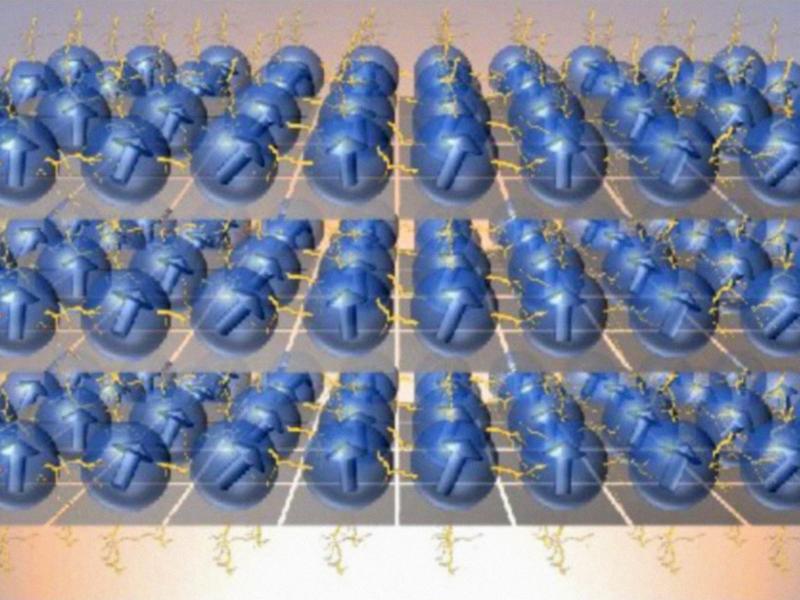
The race toward the first practical quantum computer is in full stride. Scientists at PNNL are bridging the gap between today’s fastest computers and tomorrow’s even faster quantum computers.
Verizon recently announced a partnership that will make Pacific Northwest National Laboratory the U.S. Department of Energy’s first national laboratory with Verizon 5G ultra wideband wireless technology.
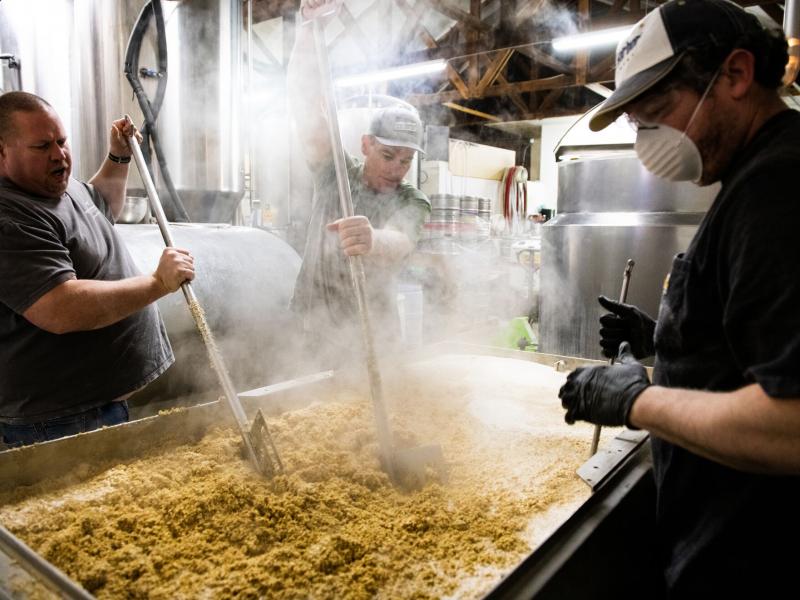
A chemical engineer by day at PNNL, Dan Howe is an ardent home brewer by night. The connection resulted in production of biocrude oil from brewery waste.
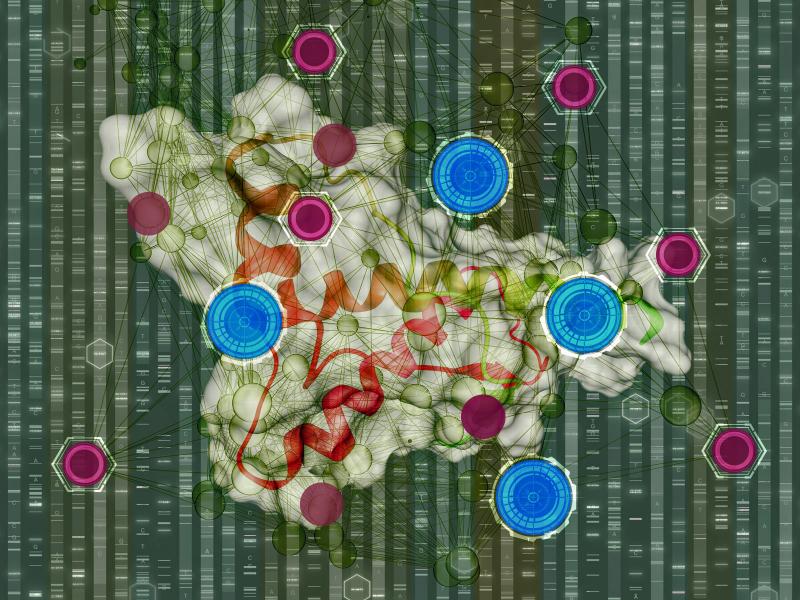
Combining its strength in biological sciences and data analytics, researchers at the Department of Energy's PNNL are working to enable a quick response to a biological incident — whether intentional, accidental or natural.
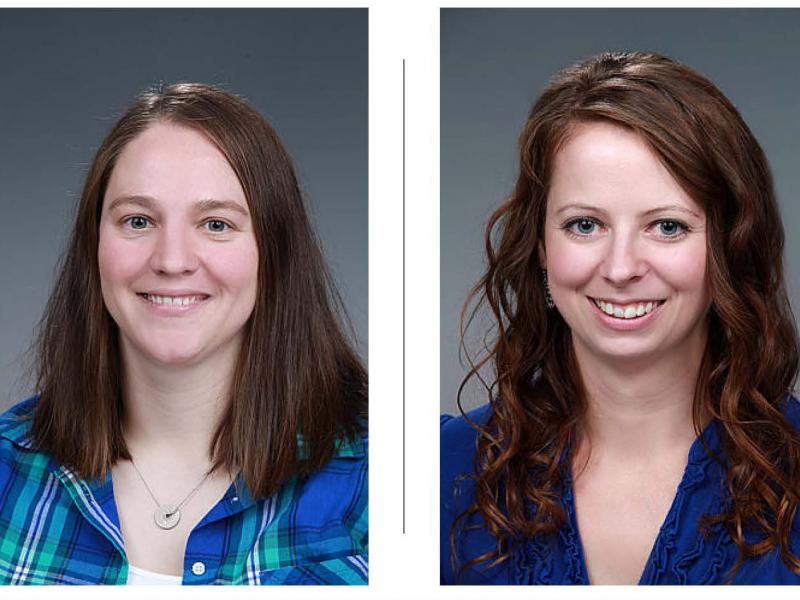
PNNL researchers Lisa Bramer and Sarah Reehl were on a team that received a patent for its work with electron microscopy. Electron microscopy allows scientists to make nanoscale observations of materials.
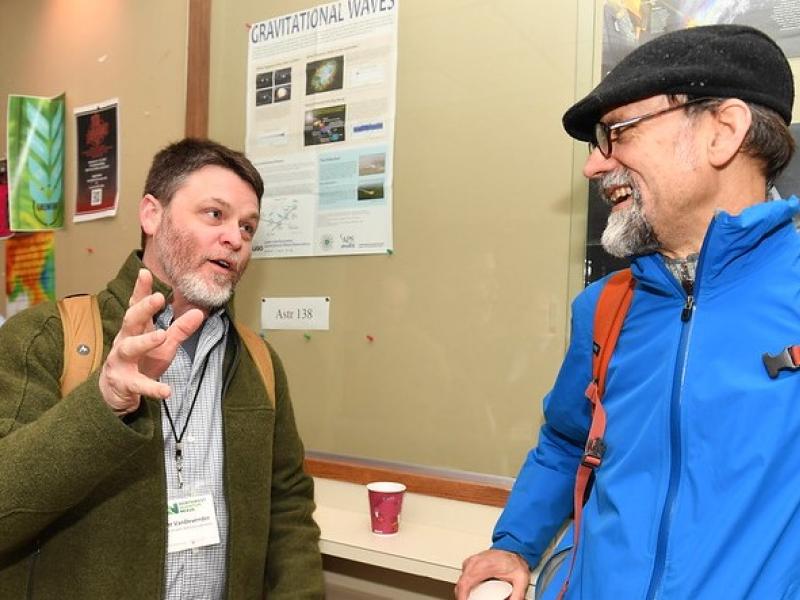
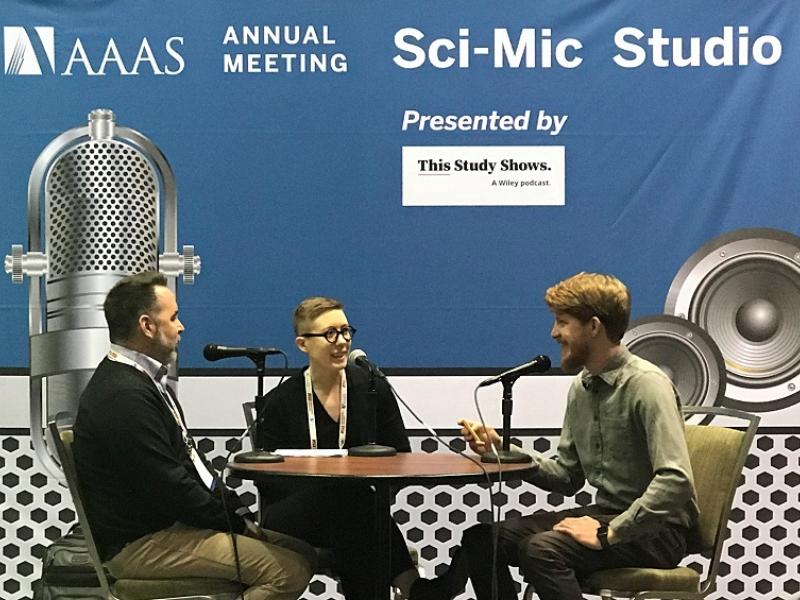
PNNL researchers and professional staff led discussions ranging from biothreats and climate change to science careers at the 2020 annual meeting of the American Association for the Advancement of Science, held this year in Seattle.
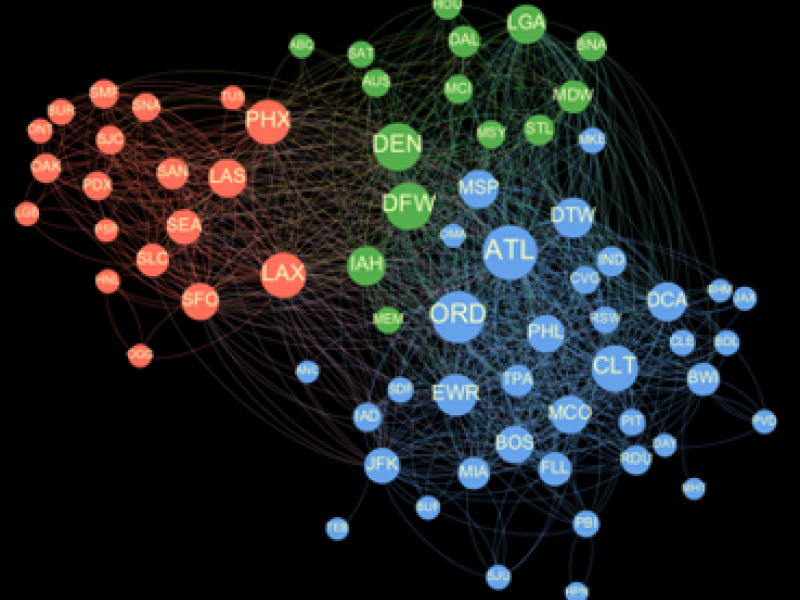
First-of-its-kind network analysis on a supercomputer can speed real-time applications for cybersecurity, transportation, and infectious disease tracking
The National Association of Mathematics named PNNL Data Analyst Brett Jefferson best speaker for his presentation on an innovative mathematical finding that could be used to improve electric grid coverage.
Bill Cannon, senior scientist and biophysicist in the Computational Mathematics Group, was a co-author of a recent article published in Nature Partner Journals-Digital Medicine.
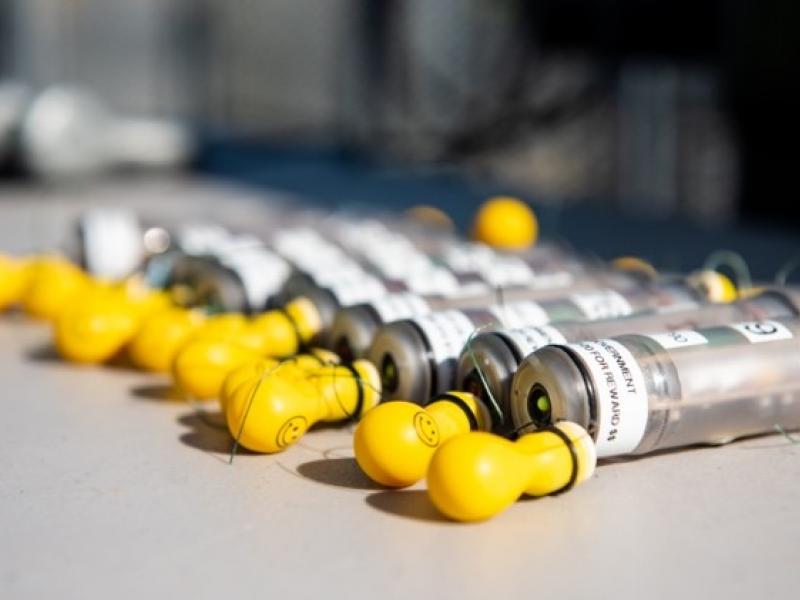
PNNL's Sensor Fish were deployed at Ice Harbor Dam to collect data from a new turbine. The data indicates the design changes are making travel through the dam less arduous for fish.
In a special edition of the Journal of Information Warfare, Pacific Northwest National Laboratory researchers explore the revolution of technologies defending the nation’s critical infrastructure.