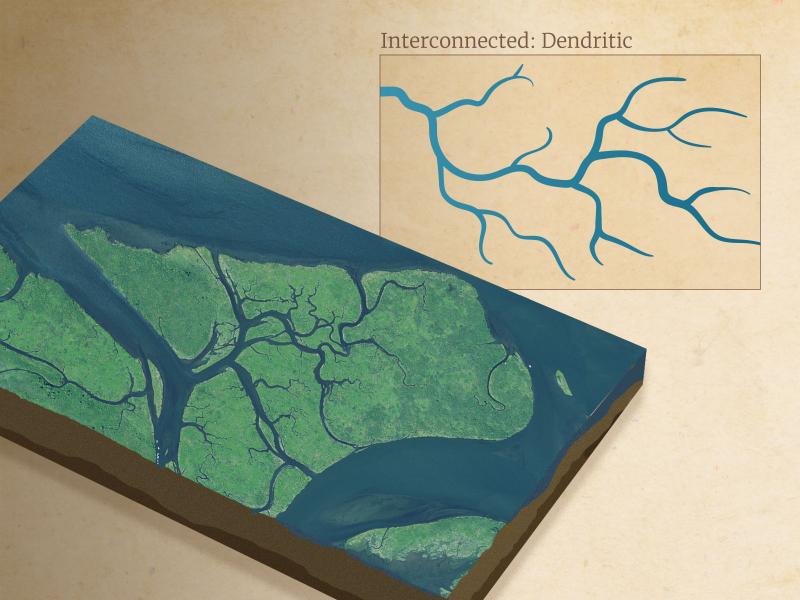
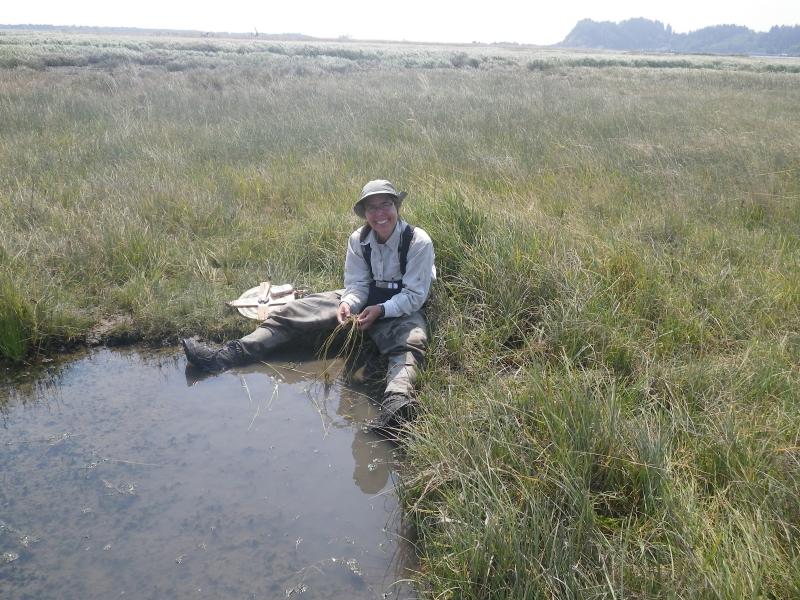
Principles derived from coastal wetlands to describe wetland channel cross-sections were applicable to the Columbia River estuary, but not the tidal river.
The U.S. Department of Energy has awarded funding to PNNL for the design and construction of a hybrid research vessel and an underwater testbed to be located at PNNL-Sequim.
PNNL physical oceanographer Maggie McKeon will speak February 3 at the U.S. launch meeting for the United Nations’ Ocean Decade. She will present on improving diversity in the Superfund site workforce.
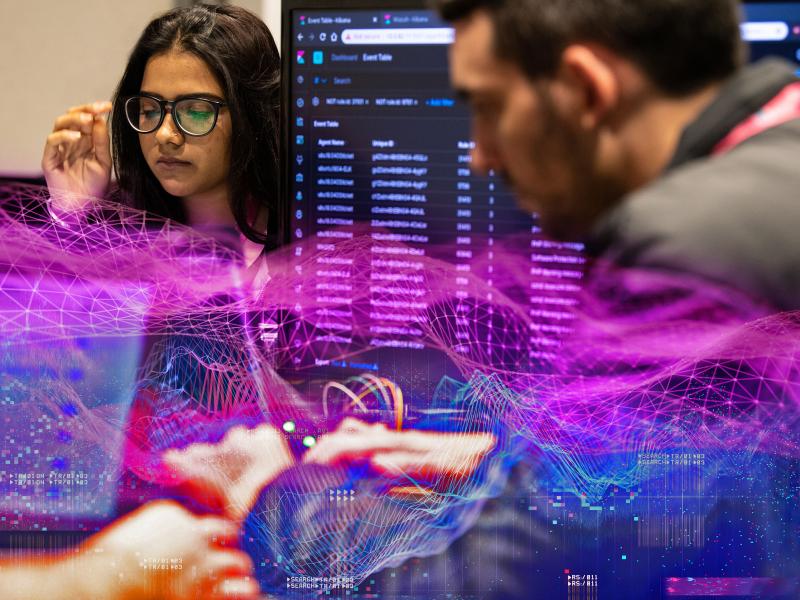
Red teaming for CPS, the process of challenging systems, involves a group of cybersecurity experts to emulate end-to-end cyberattacks following a set of realistic tactics, techniques, and procedures.
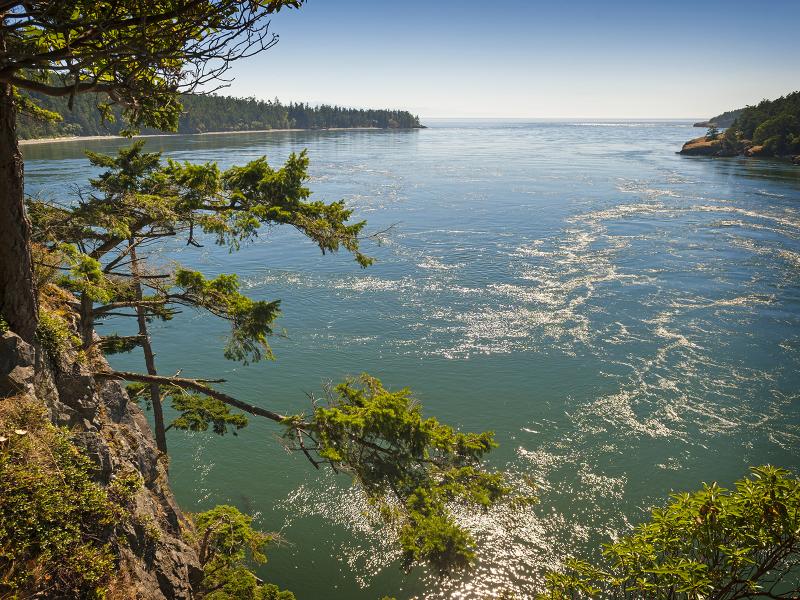
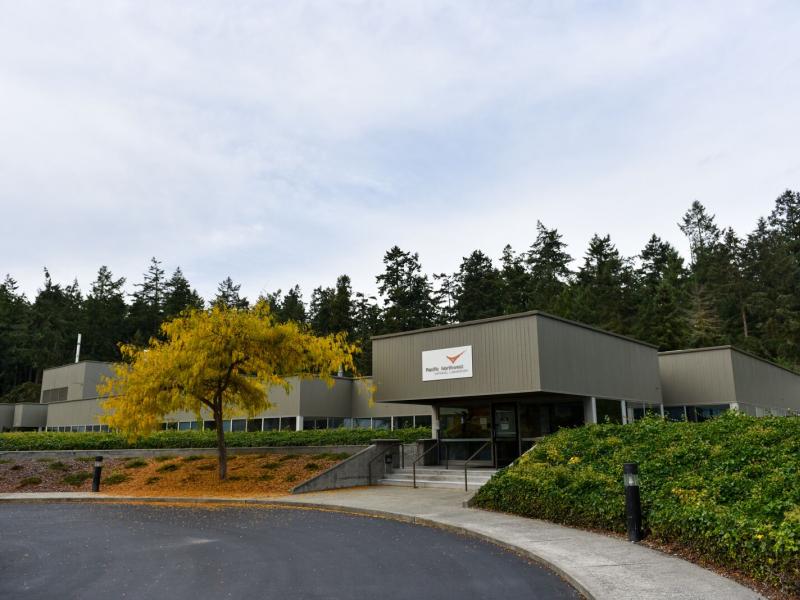
The Marine and Coastal Research Laboratory (MCRL), part of PNNL, in Sequim, Washington, is the U.S. Department of Energy’s only marine research facility. It has a rich history and expanding research scope.
A special issue of the Marine Technology Society Journal, titled “Utilizing Offshore Resources for Renewable Energy Development,” focuses on research and development efforts including those at Pacific Northwest National Laboratory (PNNL).
Two PNNL researchers, one a world-leading authority on microorganisms, the other an expert on coastal ecosystem restoration, have been elected fellows of the American Association for the Advancement of Science.
The American Society for Quality (ASQ) has recognized Laboratory Fellow and Pacific Northwest National Laboratory (PNNL) Statistician Greg Piepel with the William G. Hunter Award.
Culminating 10 years of study, researchers at PNNL’s Marine and Coastal Research Laboratory developed a new predictive framework for estuarine–tidal river research and management.
PNNL team has developed and implemented a generalizable computational framework to study the resilience of the multilayered London Rail Network to the compound threat of intense flooding and a targeted cyberattack.
PNNL’s Heida Diefenderfer was recently appointed to a National Academies of Sciences, Engineering, and Medicine committee that will assess long-term environmental trends in the Gulf of Mexico region.
PNNL scientists have created a tool called WatchOwl to collect more than 4 million tweets per day related to the COVID-19 pandemic. The tool analyzes tweets related to interventions like social distancing and movement restrictions.
PNNL scientists Larry Berg, Susannah Burrows, Nicholas Ward, and Yun Qian were named among the most outstanding journal reviewers by the American Geophysical Union.