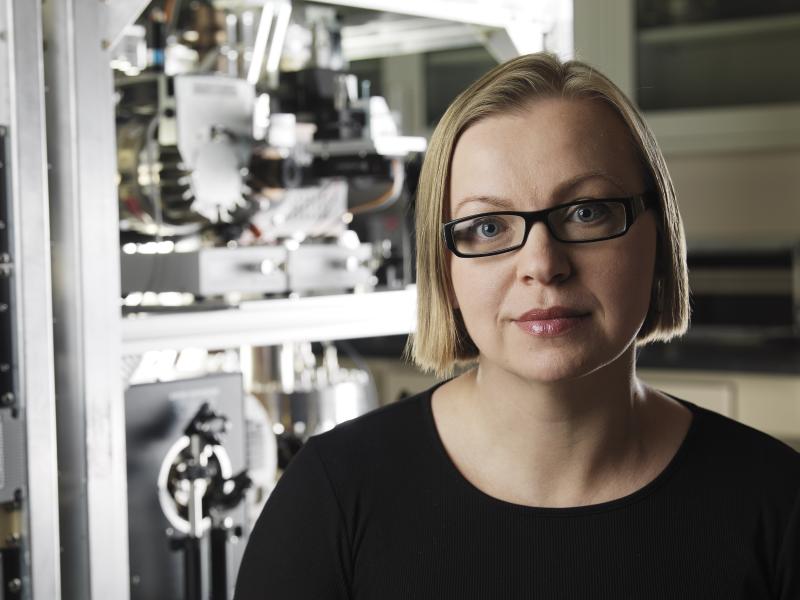
PNNL's Tegan Emerson was invited to be one of two plenary speakers at the inaugural AIM 2022 congress. The Minerals, Metals & Materials Society organized AIM 2022 to connect materials and manufacturing researchers from around the world.
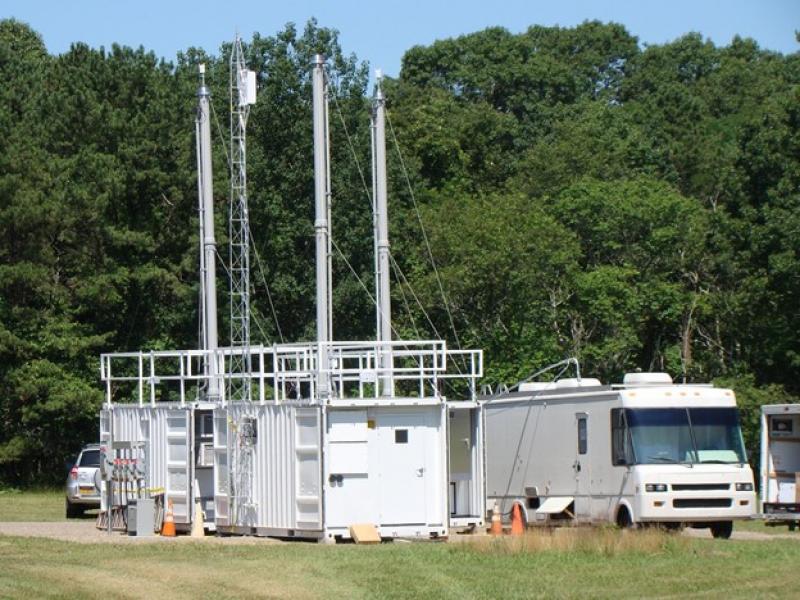
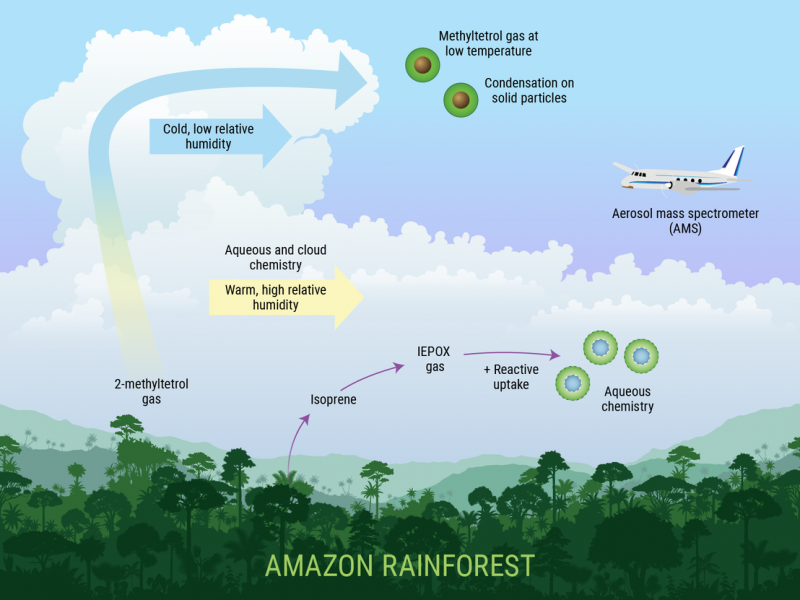
PNNL researchers have uncovered a plant-derived process that leads to the formation of aerosol particles over the Amazon rainforest and potentially other forested parts of the world.
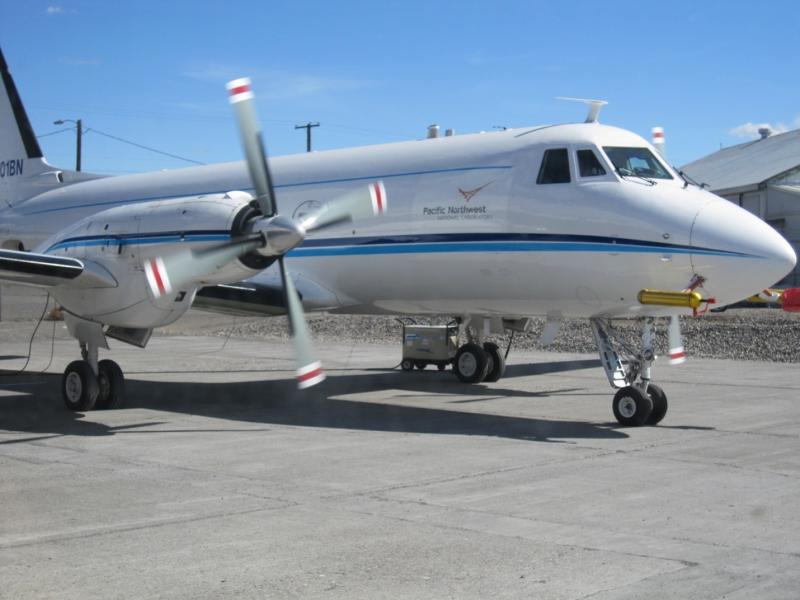
Combining aircraft measurements and regional modeling allowed researchers to identify the role of in-plant biochemistry in secondary organic aerosol formation.
PNNL Chief Scientist for Computing Jim Ang will be part of a DOE Office of Science virtual discussion regarding industry collaborations on AI hardware.
Working on puzzles with her grandpa helped instill Emilie Purvine’s interest in math from an early age. That interest later turned to being co-captain for her high school math team, a degree in mathematics, and eventually a career at PNNL.
A paper co-authored by Courtney Corley was recently selected as the most influential paper for the Twenty-First National Conference on Artificial Intelligence.
Anika Halappanavar’s research into COVID-19 misinformation earned her recognition by the Washington State Academy of Sciences as one of the state’s top high school researchers.
Four research staff from PNNL are part of an international team that earned top honors for a journal paper focused on a new algorithm-evaluation approach for buildings.
Moving toward a deeper understanding of the influence of large marine biogenic particles on cloud ice formation by combining modeling and observational data.
Three staff selected for leadership program that brings together representatives from all 17 Department of Energy national laboratories to build the national lab leaders of tomorrow.
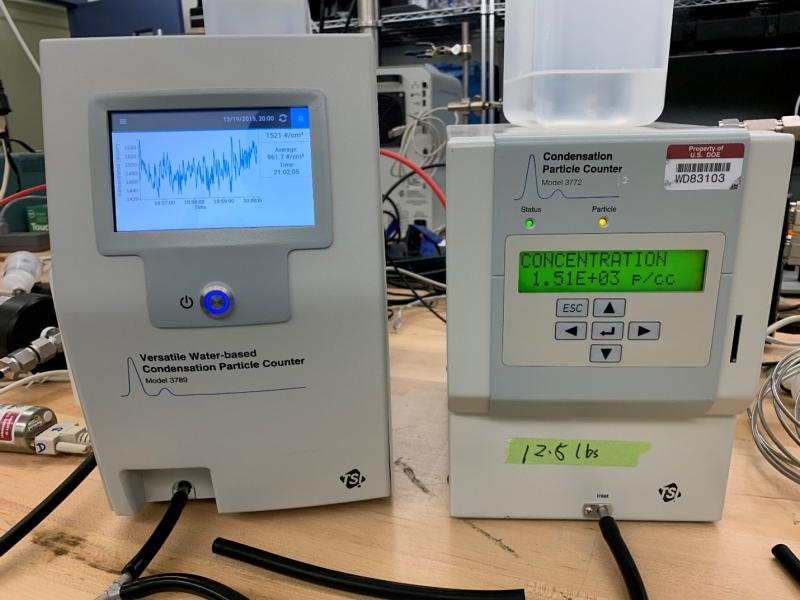
The rapid growth of urban nanoparticles via the condensation of organic vapors substantially alters shallow cloud formation and suppresses precipitation.