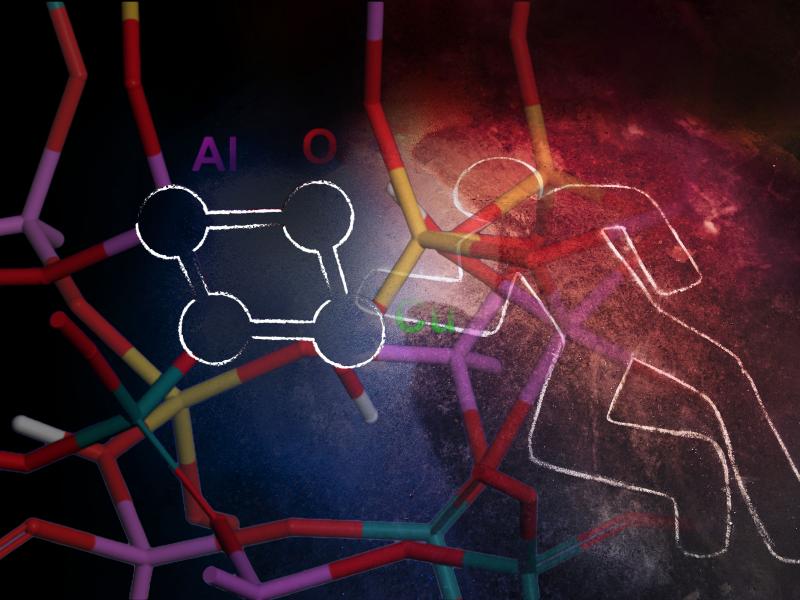
Several years ago, a relatively new catalyst for vehicle emission control began showing failure. A team at PNNL found that this seemingly suicidal catalyst wasn’t actually self-destructing but was the victim of an external assailant.
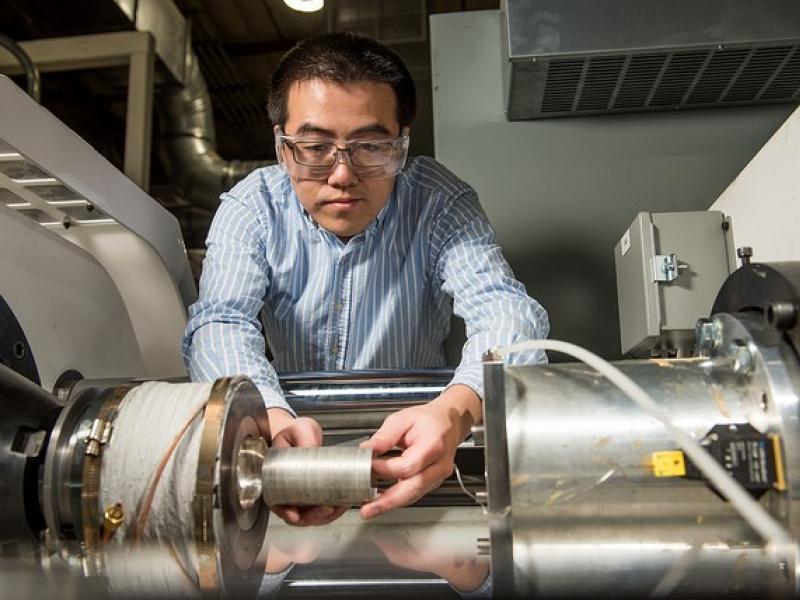
A new technology that offers a novel way to manufacture extrusions with unprecedented improvements in material properties recently received a U.S. patent.
PNNL leads a consortium to help find the best algae strains for biofuels and bioproducts to reduce the cost of producing bioenergy from algae feedstocks.
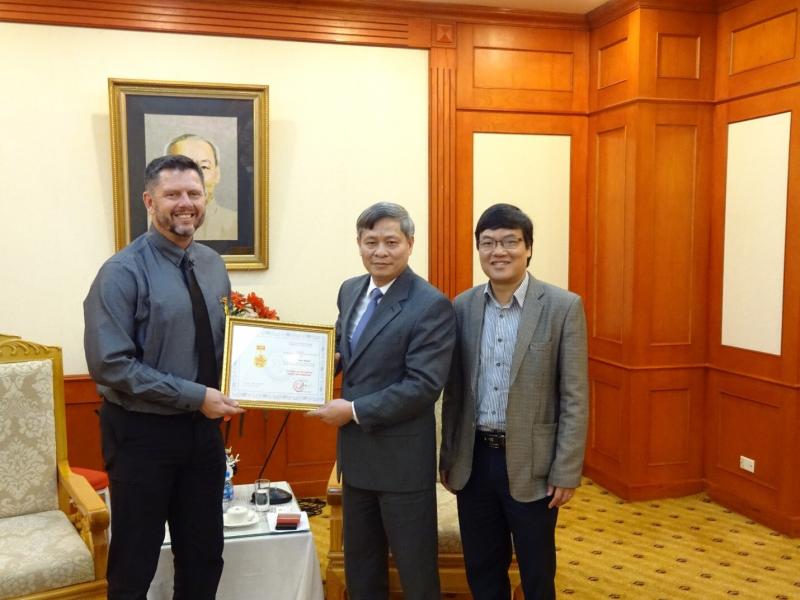
Vietnam's Ministry of Science and Technology (MOST) Deputy Minister Pham Cong Tac awarded the Medal for the Cause of Science and Technology to PNNL's Todd Haynie.
Researchers used novel methods to safely create and analyze plutonium samples. The approaches could prove influential in future studies of the radioactive material, benefitting research in legacy, national security and nuclear fuels.
A process for converting carbon-rich pollution to jet fuel powered a commercial flight for the first time, marking history and ushering in a new era for low-carbon aviation.