Study says planners need to account for climate impacts on renewable energy during capacity development planning to fully understand investment implications to the power sector.
In 2020, virtual Washington State University teams successfully worked together in a program sponsored by the National Nuclear Security Administration’s (NNSA) Office of International Nuclear Safeguards.
A recent edition of the Infrastructure Resilience Research Group Journal featured an article written by PNNL researchers Rob Siefken and Jake Burns about “Design Basis Threat and the Low Threat Environment.”
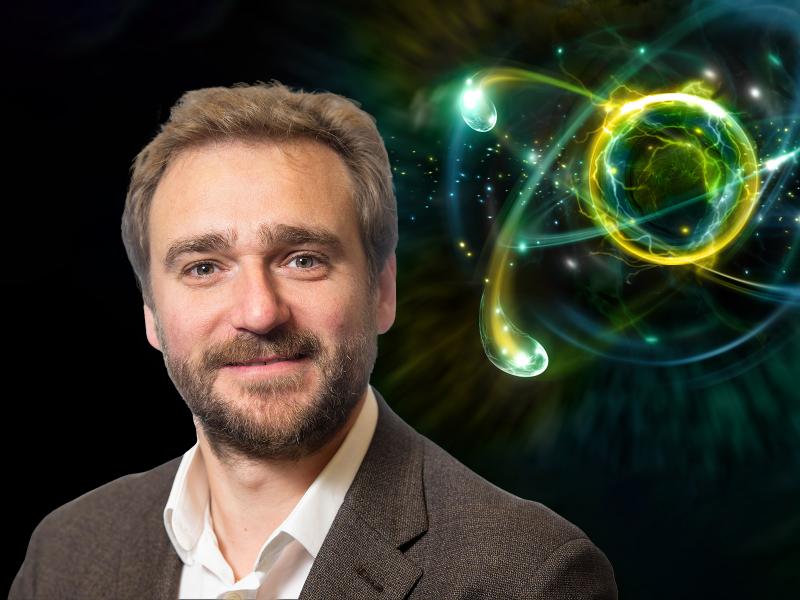
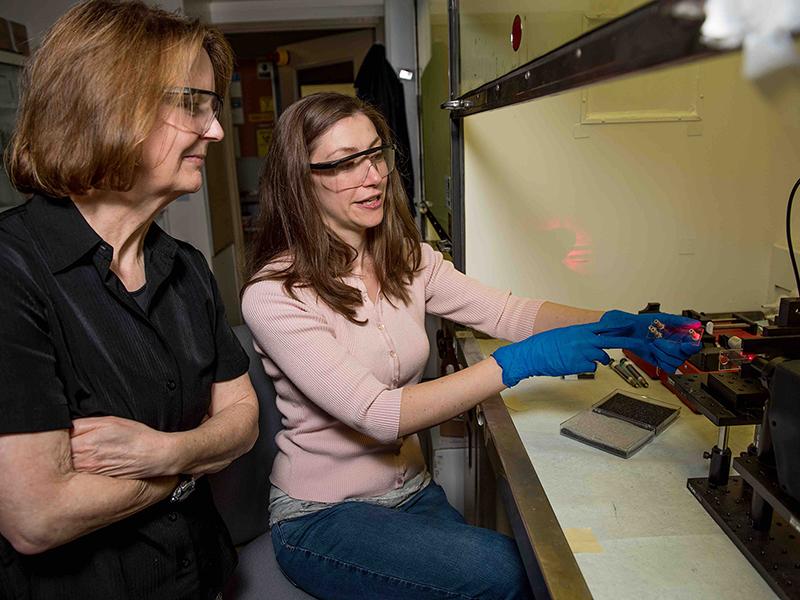
As a physicist at PNNL, Jon Burnett’s work is about developing instruments to detect ultra-trace radionuclide signatures, analyze samples from around the world to look for evidence of nuclear explosions, and then interpret that information.
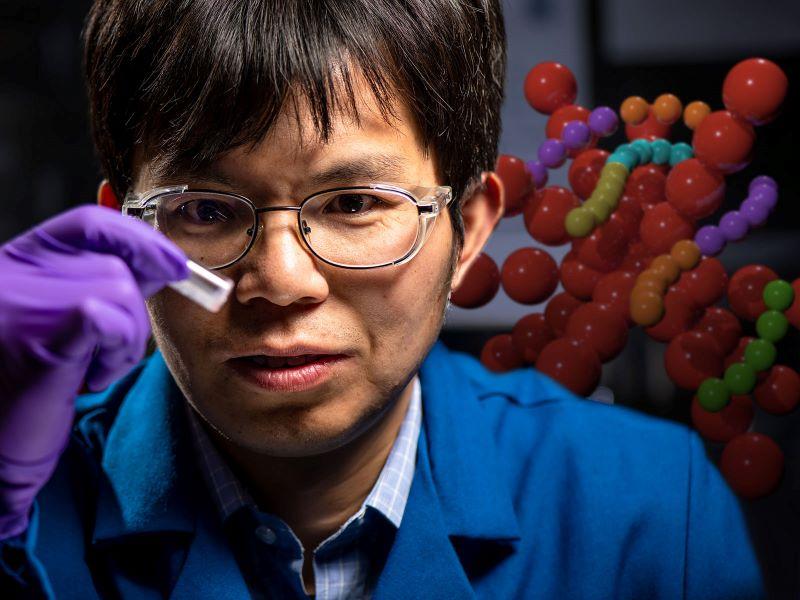
A new review paper led by senior research scientist Chun-Long Chen and featured on the cover of Accounts of Chemical Research summarizes advances by PNNL scientists in developing sequence-defined peptoids.
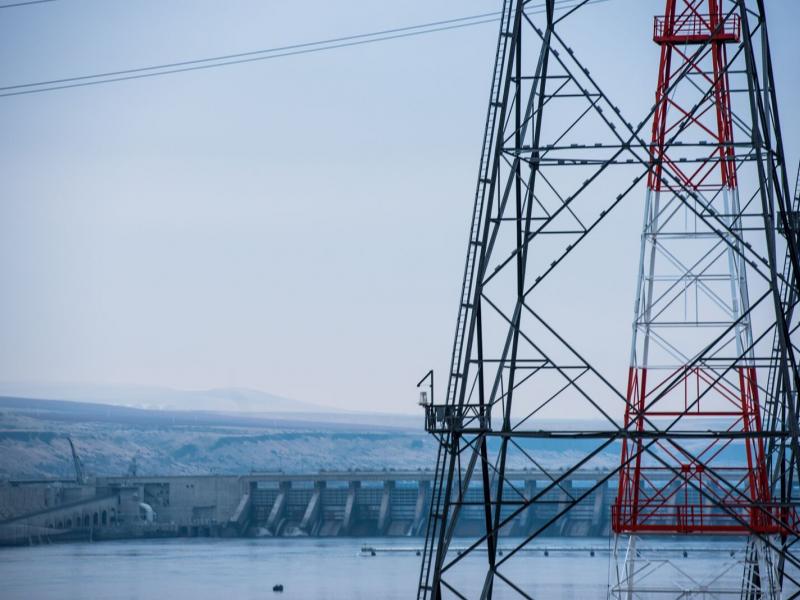
PNNL has published a report that sets the foundation for modeling gaps and technical challenges in optimizing hydropower operations for both energy production and water management.
California and other areas of the U.S. Southwest may see less future winter precipitation than previously projected by climate models, according to new research that corrects for a long-standing model error: the double-ITCZ bias.
In a new video series, PNNL is highlighting six scientific and technical experts in the national security domain throughout the fall. Each was promoted to scientist and engineer Level 5, one of PNNL’s most senior research roles.
In a new video series this fall, PNNL is highlighting six scientific and technical experts in the national security domain. Each was promoted to Scientist and Engineer Level 5, one of PNNL’s most senior research roles.
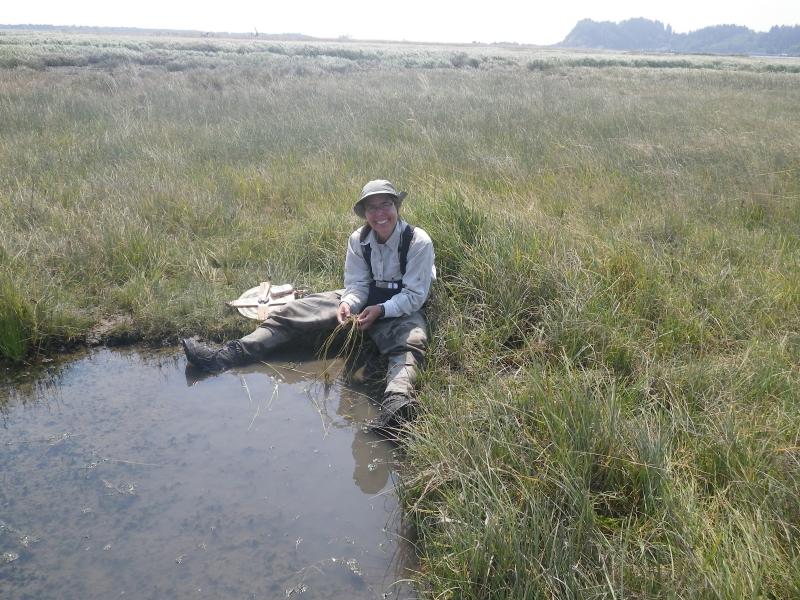
Culminating 10 years of study, researchers at PNNL’s Marine and Coastal Research Laboratory developed a new predictive framework for estuarine–tidal river research and management.
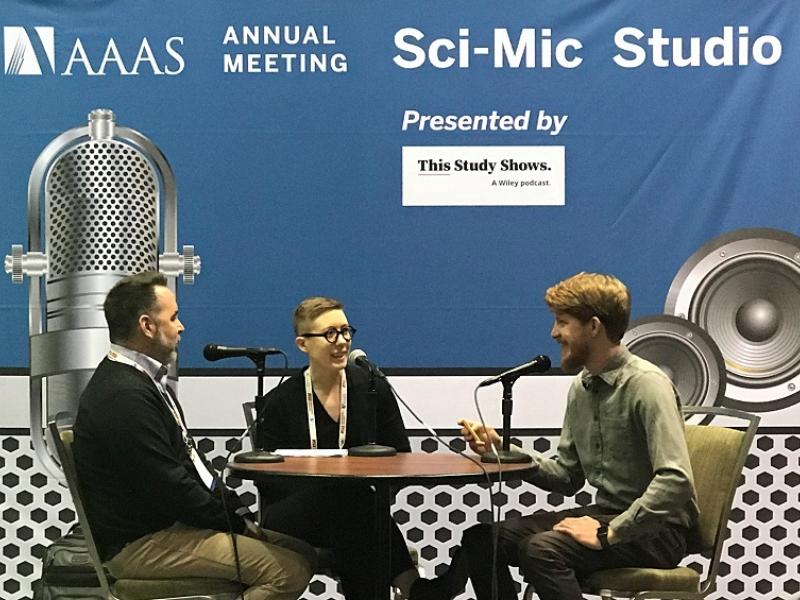
PNNL researchers and professional staff led discussions ranging from biothreats and climate change to science careers at the 2020 annual meeting of the American Association for the Advancement of Science, held this year in Seattle.
The world’s largest scientific society honored Sue B. Clark, a PNNL and WSU chemist, for contributions toward resolving our legacy of radioactive waste, advancing nuclear safeguards, and developing landmark nuclear research capabilities.
When two powerful earthquakes rocked southern California earlier this month, officials’ attention focused, understandably, on safety. How many people were injured? Were buildings up to code? How good are we at predicting earthquakes?