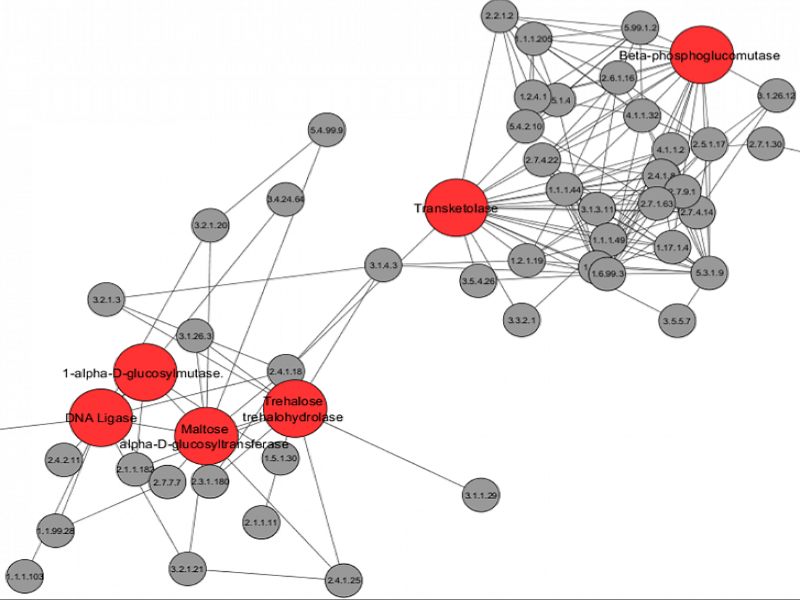
Researchers performed a combined analysis of metabolic and gene co-expression networks to explore how the soil microbiome responds to changes in moisture and nutrient conditions.
By studying discrete functional components of the soil microbiome at high resolution, researchers obtained a more complete picture of soil diversity compared to analysis of the entire soil community.
Accurate identification of metabolites, and other small chemicals, in biological and environmental samples has historically fallen short when using traditional methods.
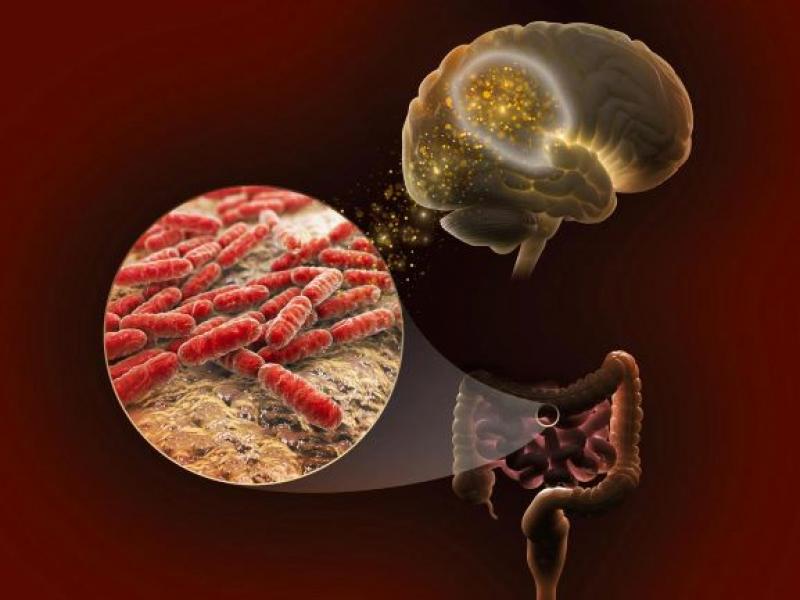
A new study is among the first to trace the molecular connections between genetics, the gut microbiome and memory in a mouse model bred to resemble the diversity of the human population.
Scientists at Pacific Northwest National Laboratory have recently formed a new partnership with Washington State University Health Sciences Spokane to study how gut microbes influence circadian rhythms.
DOE researchers investigated the role of microbial genetic diversity in two major subsurface biogeochemical processes: nitrification and denitrification.
PNNL researchers and professional staff led discussions ranging from biothreats and climate change to science careers at the 2020 annual meeting of the American Association for the Advancement of Science, held this year in Seattle.
The world’s largest scientific society honored Sue B. Clark, a PNNL and WSU chemist, for contributions toward resolving our legacy of radioactive waste, advancing nuclear safeguards, and developing landmark nuclear research capabilities.
Researchers from Pacific Northwest National Laboratory reviewed the current state of knowledge about the impacts of climate change on soil microorganisms in different climate-sensitive soil ecosystems.
The microbial communities within the loose, friable aggregations of organic and mineral components in soil are highly organized spatially, shaped in part by the structure of the soil itself.
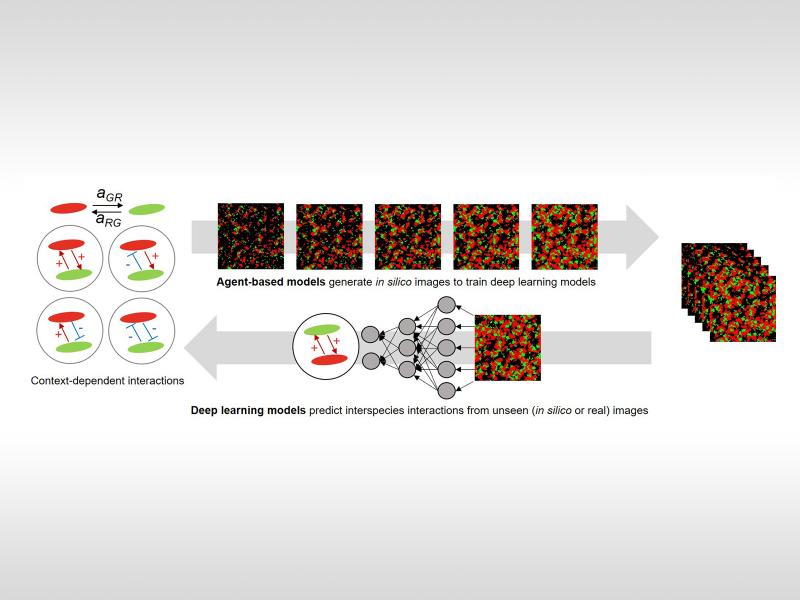
Soil microbial communities are made of networks of interacting species that dynamically reorganize in a changing environment. Understanding how such microbiomes are organized in nature is important for designing or controlling them in the f
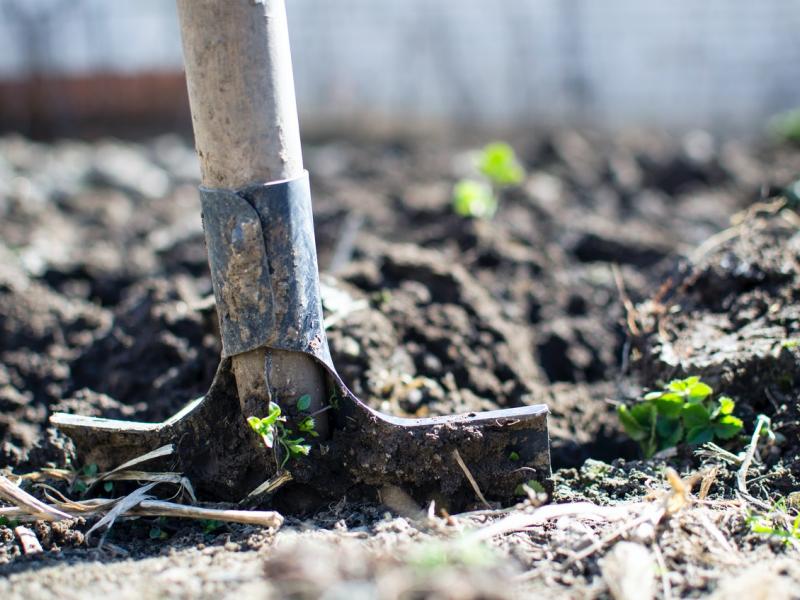
Soil microbiomes are among the most diverse microbial communities on Earth. They also play an immense role in cycling soil carbon, nitrogen, and other nutrients that underpin the terrestrial food web.
Researchers at the U.S. Department of Energy’s Pacific Northwest National Laboratory and Kansas State University found that soil drying significantly affected the structure and function of soil microbial communities.
When two powerful earthquakes rocked southern California earlier this month, officials’ attention focused, understandably, on safety. How many people were injured? Were buildings up to code? How good are we at predicting earthquakes?
PNNL’s Janet Jansson is part of an international team of scientists warning scientists of the urgency to pay more attention to the role of microorganisms in our climate.