To help close the gap between observed and modeled ice-nucleating particles (INPs), researchers simulated concentrations of dust, sea spray, and other types of atmospheric particles within a global atmospheric model.
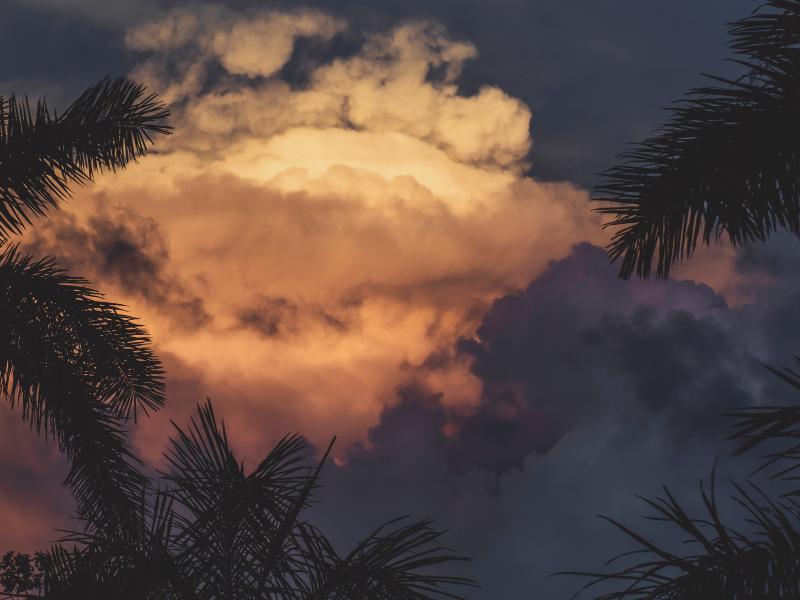
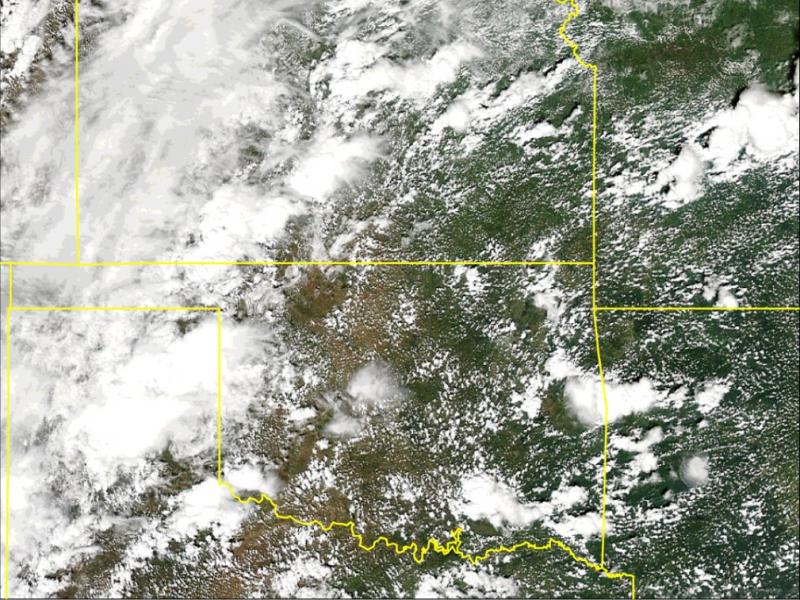
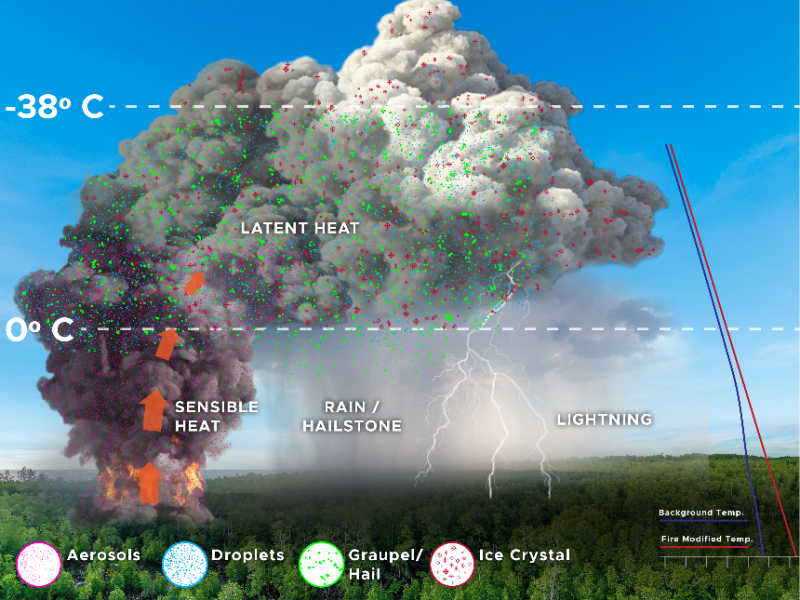
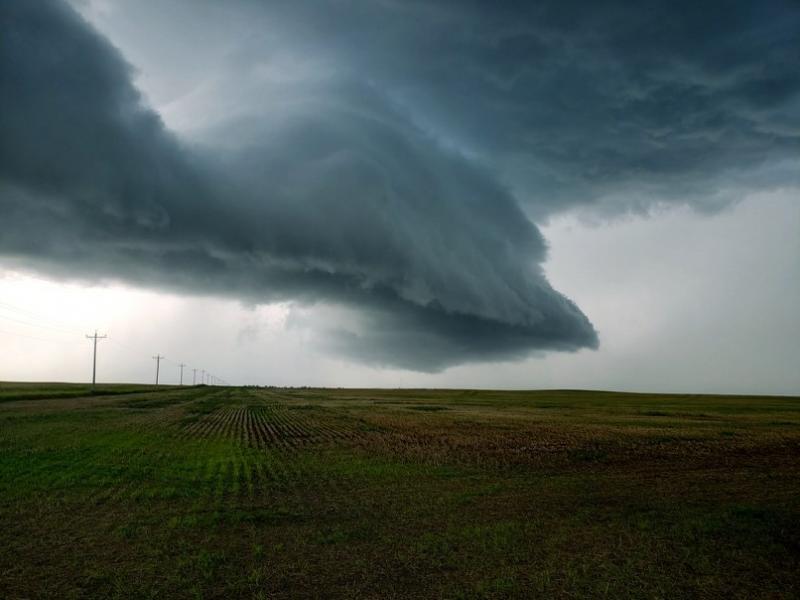
Researchers at PNNL and the University of Washington examined storms seen by the GPM satellite and found that deep convective storms have been occurring surprisingly frequently at high latitudes during the warm seasons of recent years.
Researchers quantified temperature and gas-cycle responses over time of five simple climate models to impulses of carbon dioxide, methane, and black carbon.
PNNL scientists Larry Berg, Susannah Burrows, Nicholas Ward, and Yun Qian were named among the most outstanding journal reviewers by the American Geophysical Union.
Researchers analyzed the relationship between Earth’s climate sensitivity and historical/future sea level projections, with a particular focus on the high‐impact upper tail.
Their consistency and predictability makes tidal energy attractive, not only as a source of electricity but, potentially, as a mechanism to provide reliability and resilience to regional or local power grids.
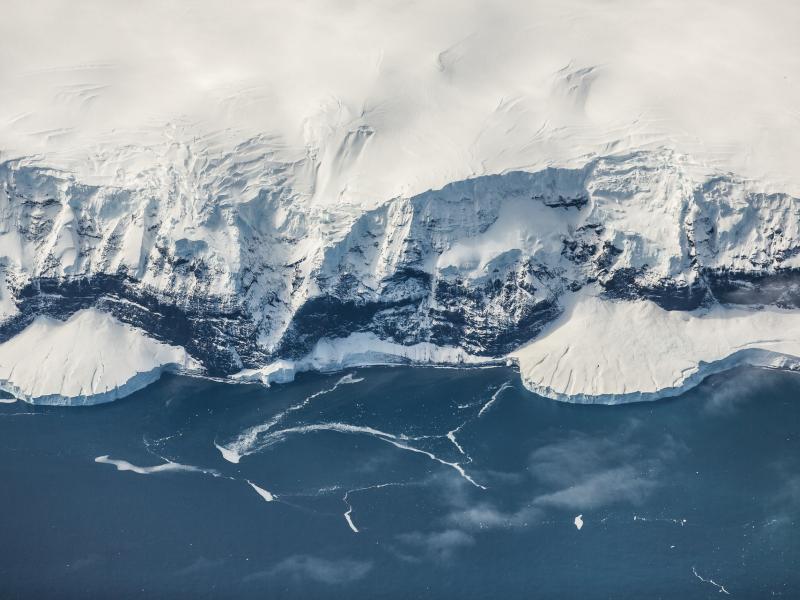
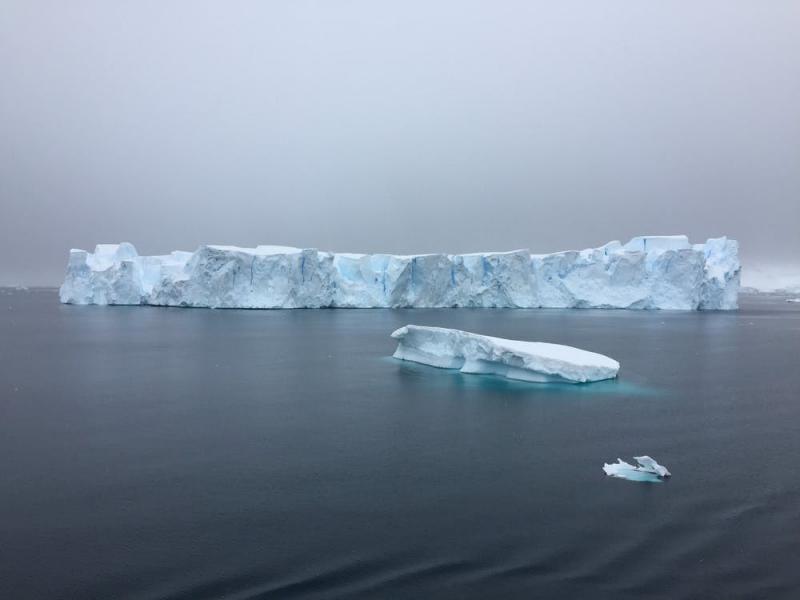
A team of researchers discovered more about how sea ice in the Southern Ocean might regulate changes in the amount and location of Antarctic precipitation.
Lenaïg Hemery, a marine energy specialist with Pacific Northwest National Laboratory, has been appointed to the position of topic editor for the Journal of Marine Science and Engineering.
Electrical engineer Nolann Williams supports technical development for DOE-funded projects building marine energy environmental monitoring technologies.
Research buoys managed by PNNL underwent a $1.3-million upgrade that included more powerful lidar that reaches heights of today’s taller wind turbines.
To help spur economic development and assist in the battle against COVID-19, PNNL is making available its entire portfolio of patented technologies on a research trial basis—at no cost—through the end of 2020.
On World Oceans Day, an international team of marine scientists reports that the potential impact of marine renewable energy to marine life is likely small or undetectable, though some uncertainty remains.
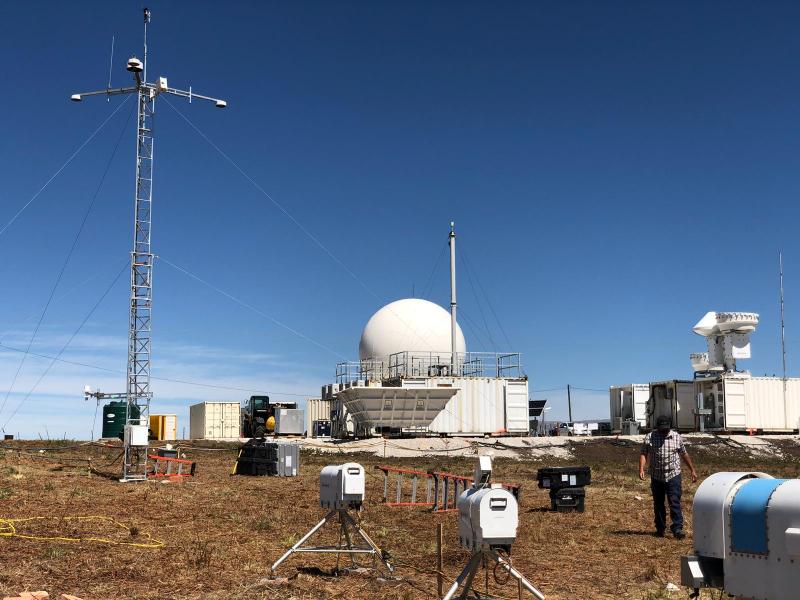
PNNL is managing the Data Archive and Portal, which provides the wind research community with secure, timely, easy, and open access to all data brought in from research under DOE’s Atmosphere to Electrons program.