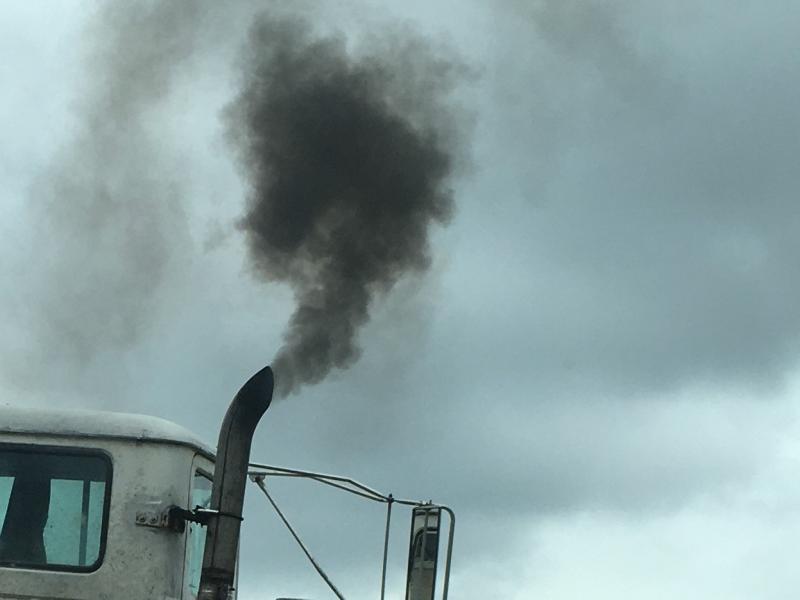
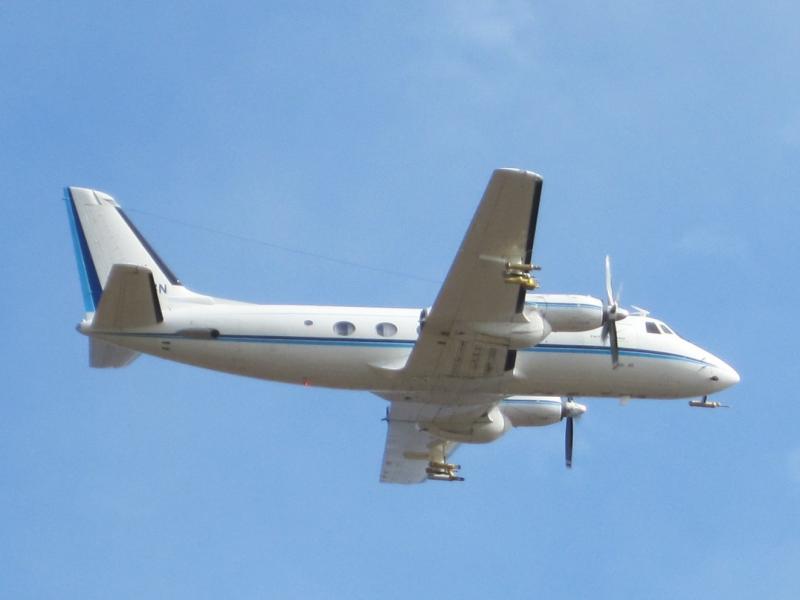
The most polluted U.S. communities from five years ago are still the most polluted today, 50 years after passage of the Clean Air Act amendments of 1970.
A new research partnership between PNNL and the University of Nevada, Reno aims to tackle critical challenges such as climate change, infrastructure resilience and cybersecurity.
Cailene Gunn discusses her work in science communication and how she communicates the Triton Initiative's research to help advance the marine energy industry.
PNNL computational scientist Diana Bacon’s role as carbon storage associate editor uses her expertise in subsurface modeling and quantitative risk assessment.
Sagadevan Mundree, director of the Queensland University of Technology Centre for Agriculture and the Bioeconomy, is joining PNNL as a joint appointee.
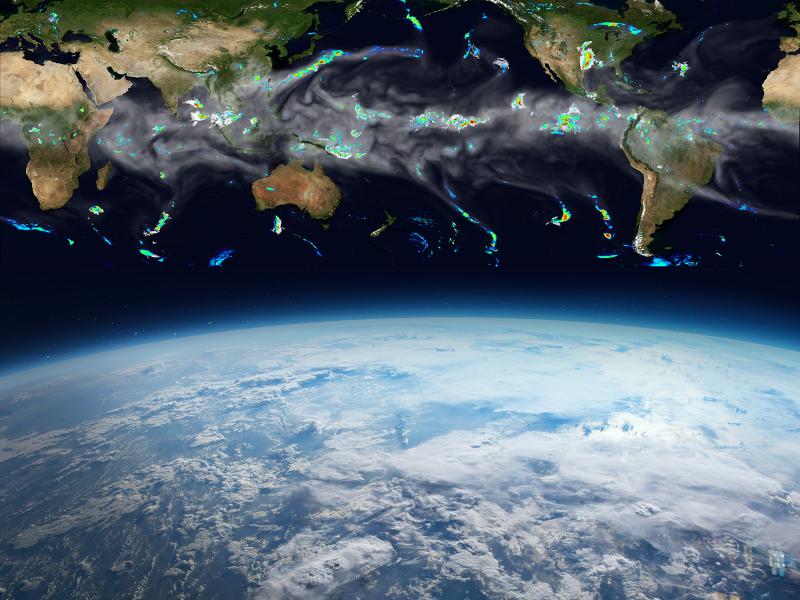
A high-resolution dataset captures a more complete view of the global distribution and characteristics of strong storms called mesoscale convective systems.
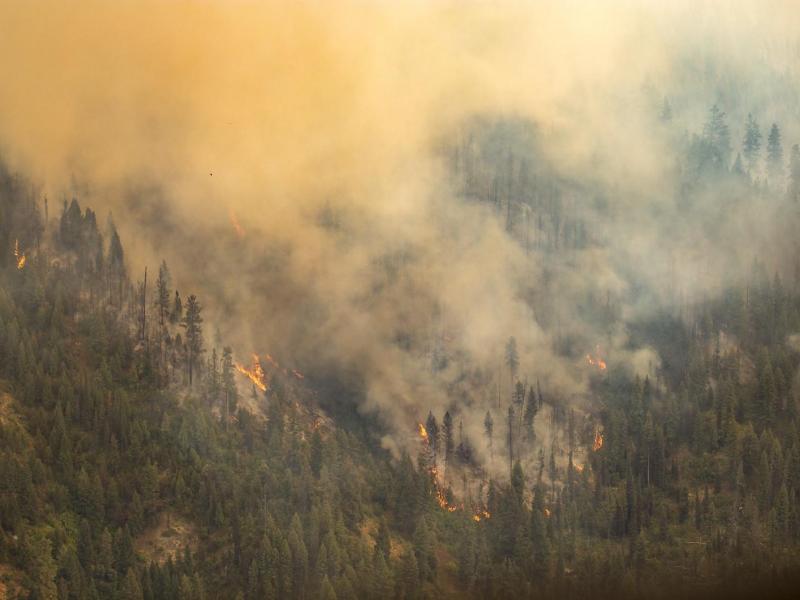
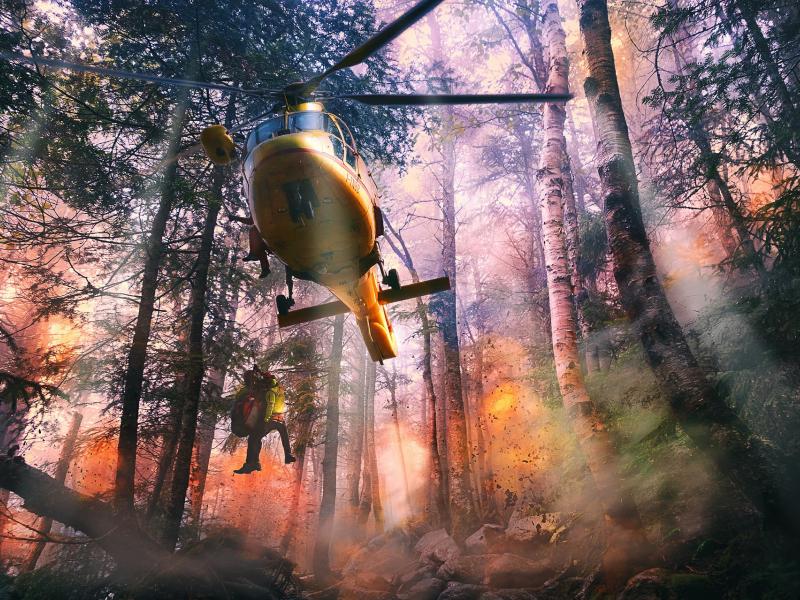
PNNL combines AI and cloud computing with damage assessment tool to predict path of wildfires and quickly evaluate the impact of natural disasters, giving first responders an upper hand.
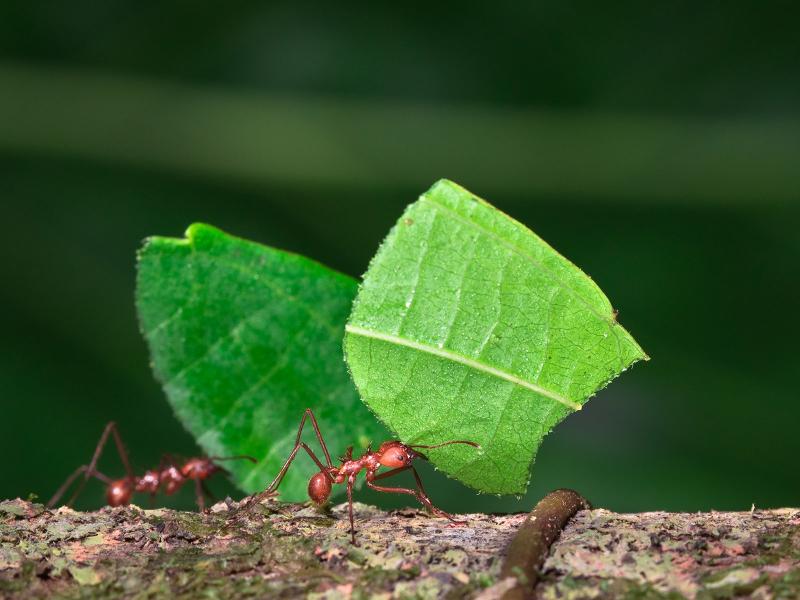
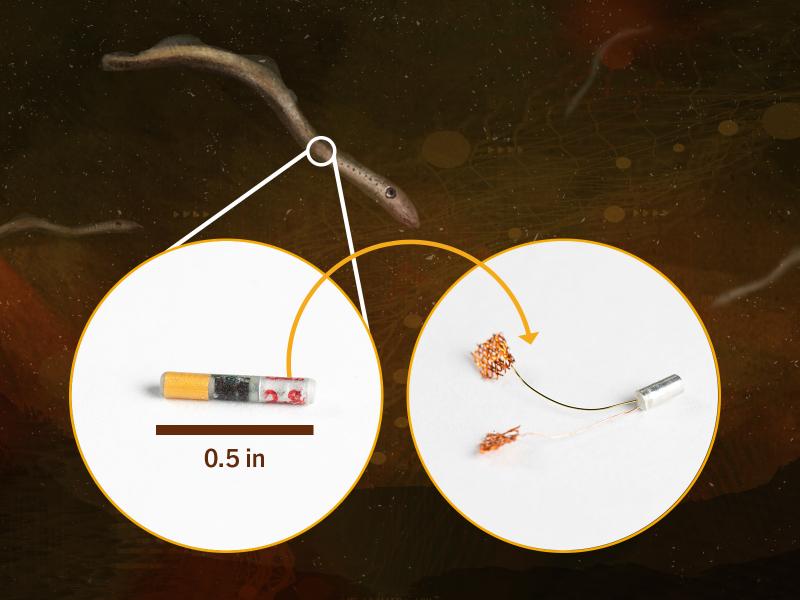
PNNL scientists developed a new, tiny battery and tag to track younger, smaller species, to evaluate behavior and estimate survival during downstream migration.
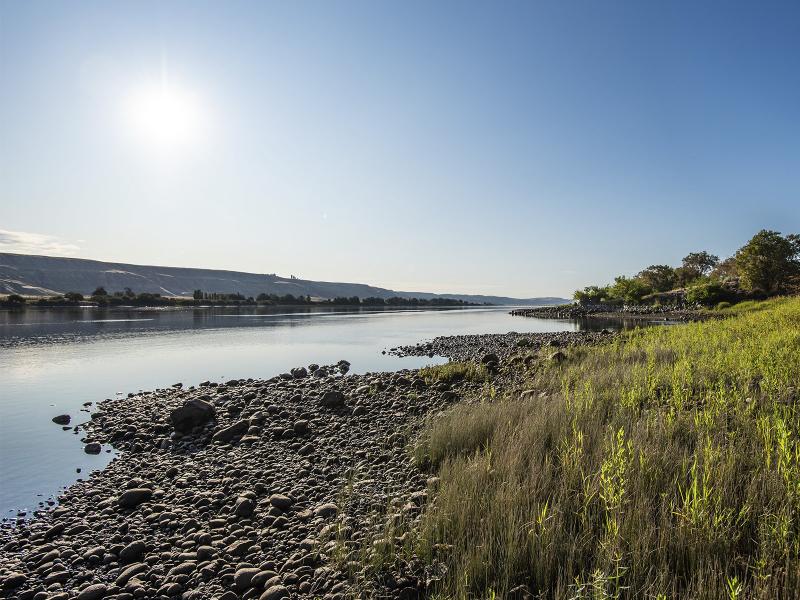
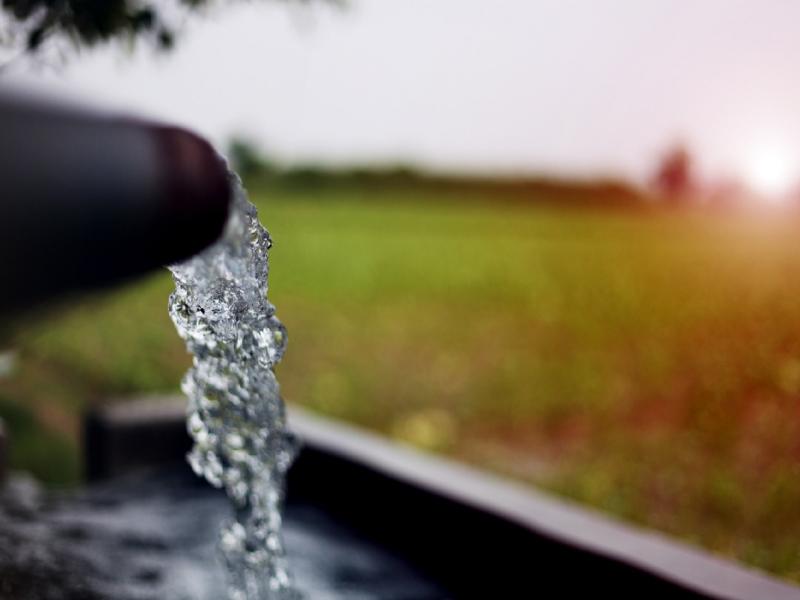
PNNL provided ultra-low measurements of argon-39 to date groundwater as part of a collaborative study of the aquifer in California’s San Joaquin Valley. PNNL is one of only a few laboratories worldwide with this capability.