From water purification, to better batteries and tools to foil a cyberattack—a look back at how PNNL helped to invent a brighter and better future over the last year.
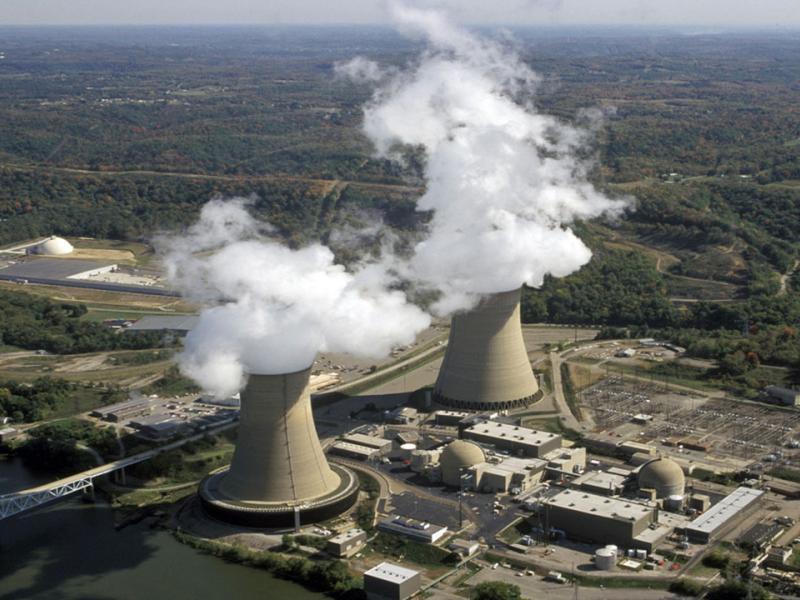
Despite an increase in future electricity demands, virtual water trading in the U.S. electricity sector is expected to decline as renewable energy expands.
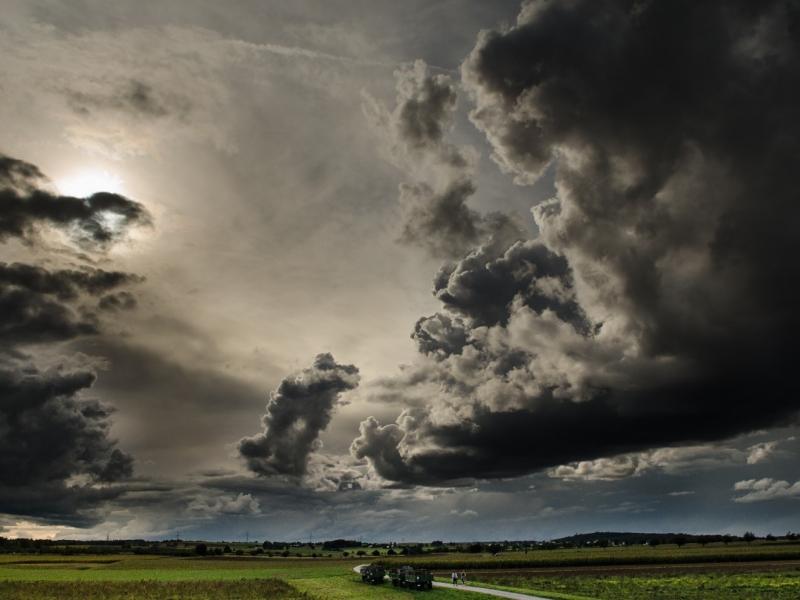
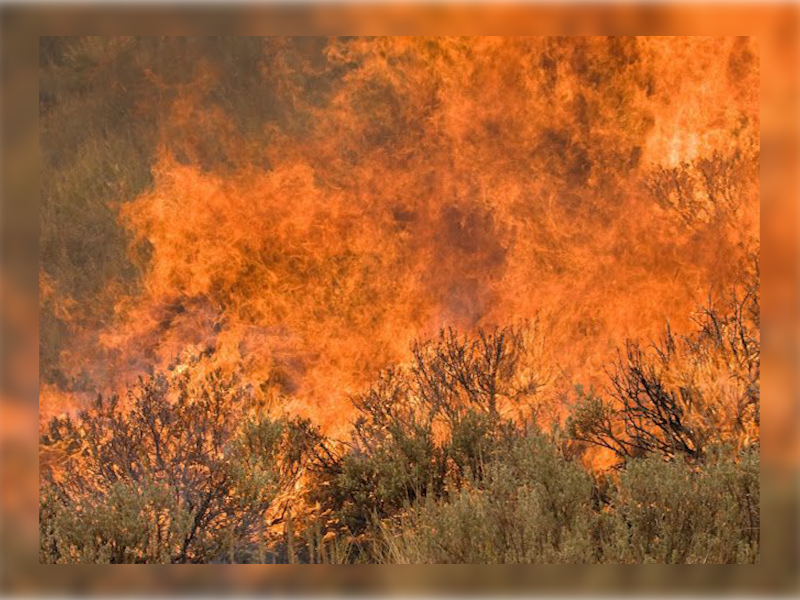
Additional fire-favorable weather associated with declines in Arctic sea ice during summer can increase autumn wildfires over the western United States.
The newly created ICON Science Cooperative is a resource enabling an innovative approach to science to generate transferable knowledge and increase equity.
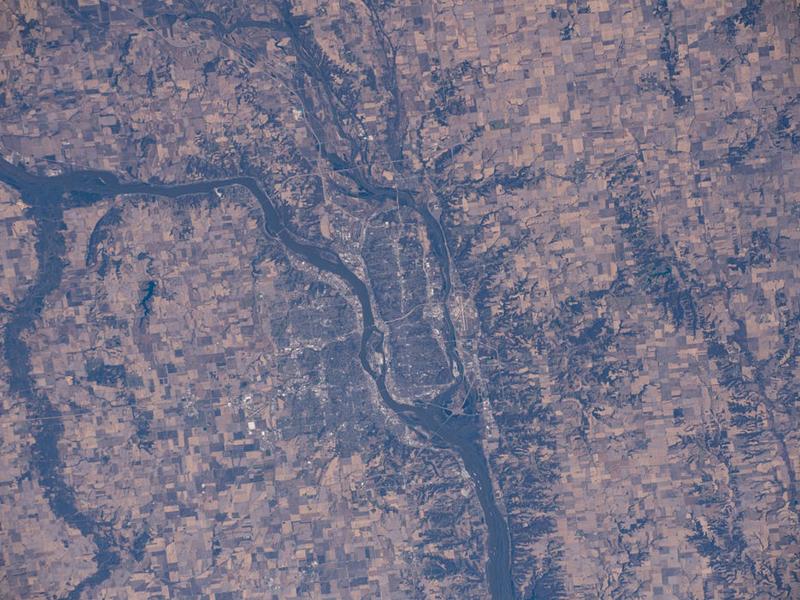
A new study demonstrates how researchers can model human–Earth system feedbacks in a single internally consistent, computationally efficient framework.
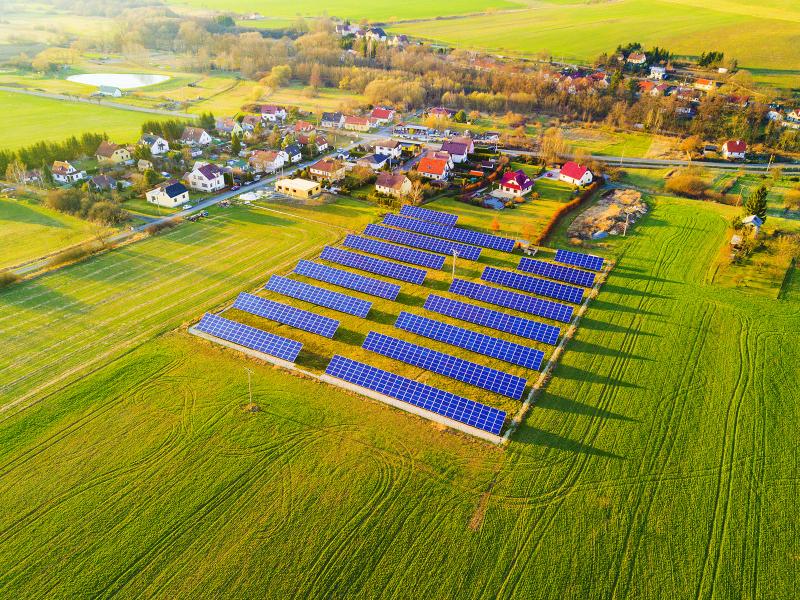
With an eye on renewable, accessible, and resilient power, PNNL researchers show hyper-local microgrids are a viable option, if designed with the right mix of sources.
Electrical engineer Aditya Ashok and cybersecurity researcher Thomas Edgar win best paper award for their work to create a new high-fidelity dataset that will help advance cybersecurity solutions for critical infrastructure protection.