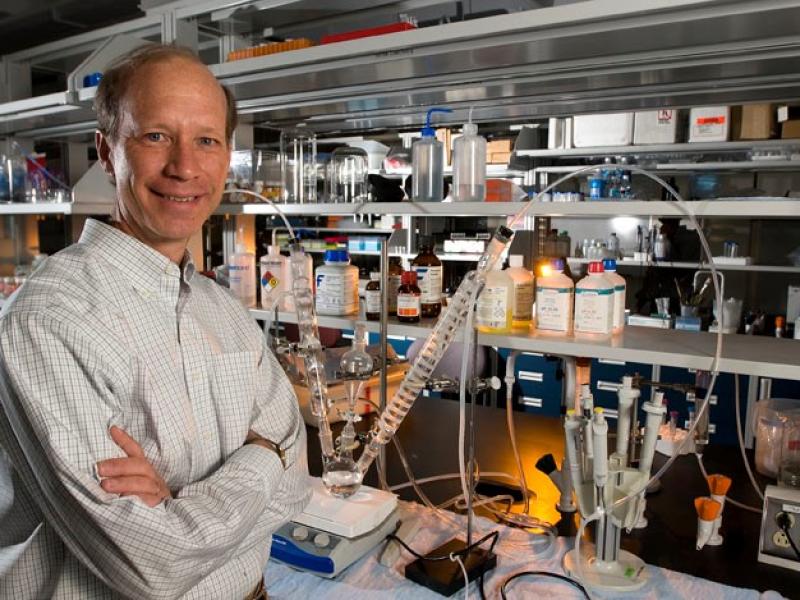
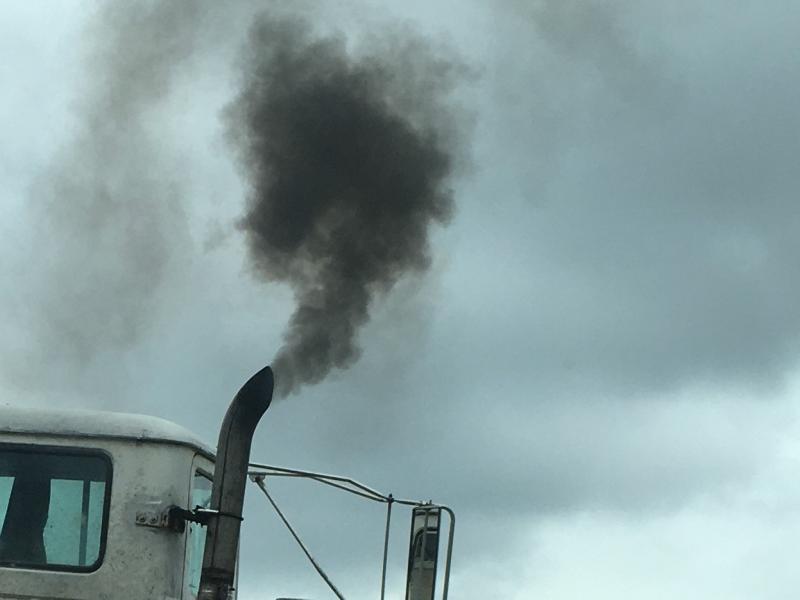
PNNL’s Mike Hochella receives Geochemical Society’s Patterson Award and ACS Geochemistry medal for discovery of toxic particles produced during coal combustion.
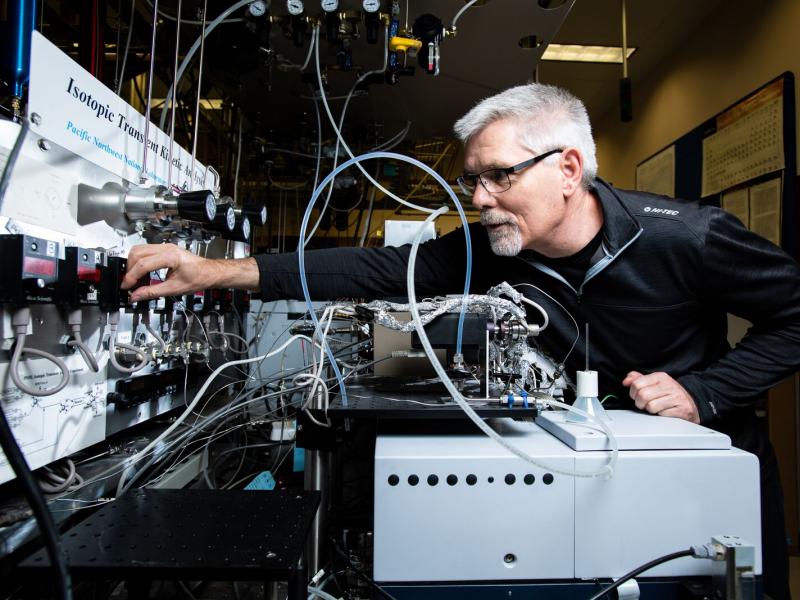
A discovery from PNNL and Washington State University could help reduce the amount of expensive material needed to treat vehicle exhaust by making the most of every precious atom.
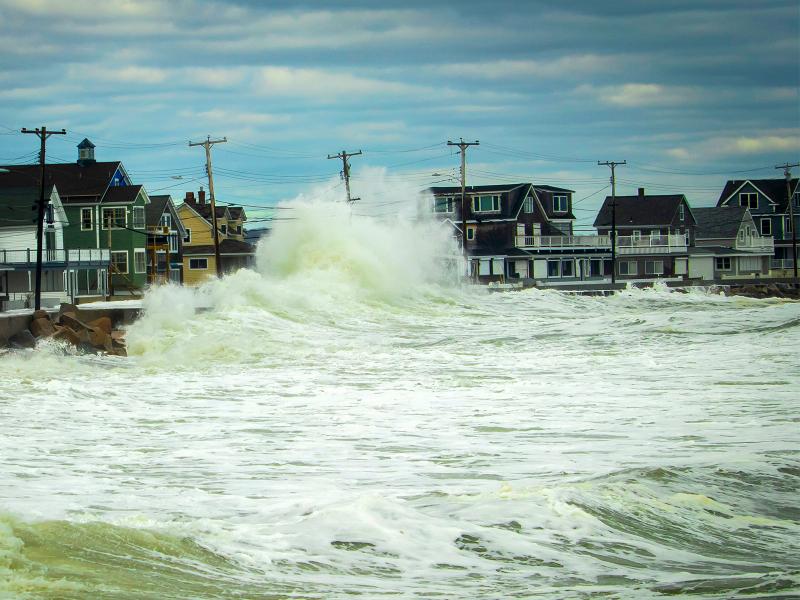
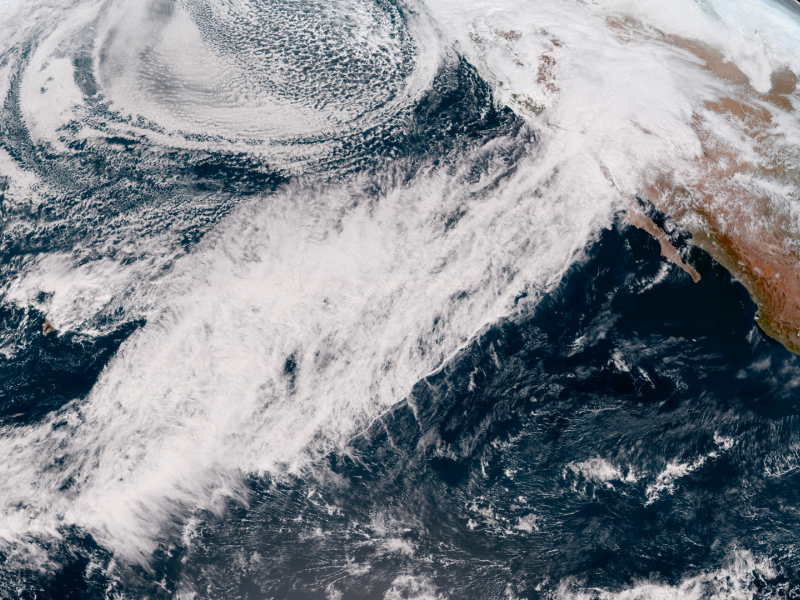
Differences in background moisture transport explain how climate variability modes influence the frequency of landfalling atmospheric rivers and their corresponding precipitation.
Sherman Beus, software engineer, Katie Dorsey, communications team writer and editor, and Brian Ermold, data ingest manager, receive 2021 Atmospheric Radiation Measurement User Facility Service Awards.
Examining flood occurrences associated with mesoscale convective systems and their characteristics allows researchers to explore climate-flood linkages.
A new report led by PNNL identifies the top 13 most promising waste- and biomass-derived diesel blendstocks for reducing greenhouse gas emissions, other pollutants, and overall system costs.
The most polluted U.S. communities from five years ago are still the most polluted today, 50 years after passage of the Clean Air Act amendments of 1970.
A new research partnership between PNNL and the University of Nevada, Reno aims to tackle critical challenges such as climate change, infrastructure resilience and cybersecurity.
PNNL computational scientist Diana Bacon’s role as carbon storage associate editor uses her expertise in subsurface modeling and quantitative risk assessment.