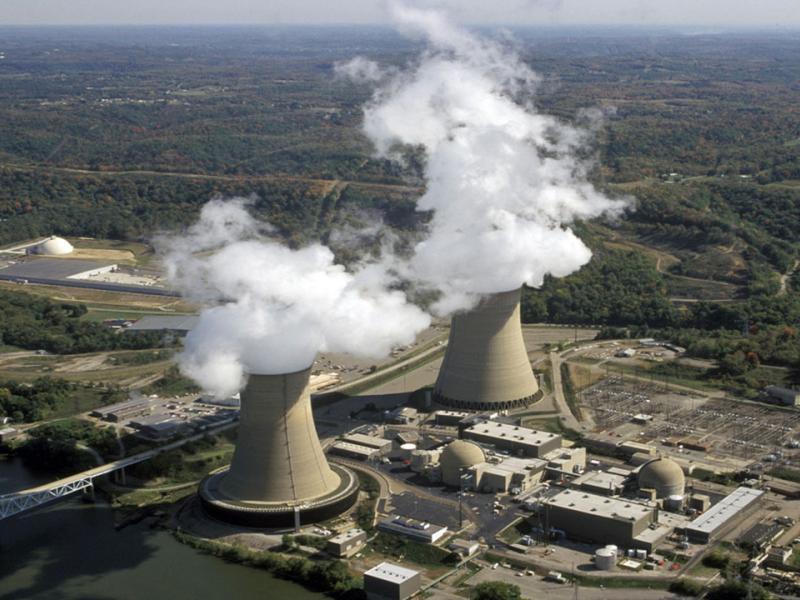
Despite an increase in future electricity demands, virtual water trading in the U.S. electricity sector is expected to decline as renewable energy expands.
Human-machine teaming may sound like something from the distant future. In “Human-Machine Teaming: A Vision of Future Law Enforcement” in Domestic Preparedness, Corey Fallon, Kris Cook, and Grant Tietje of PNNL examine this topic.
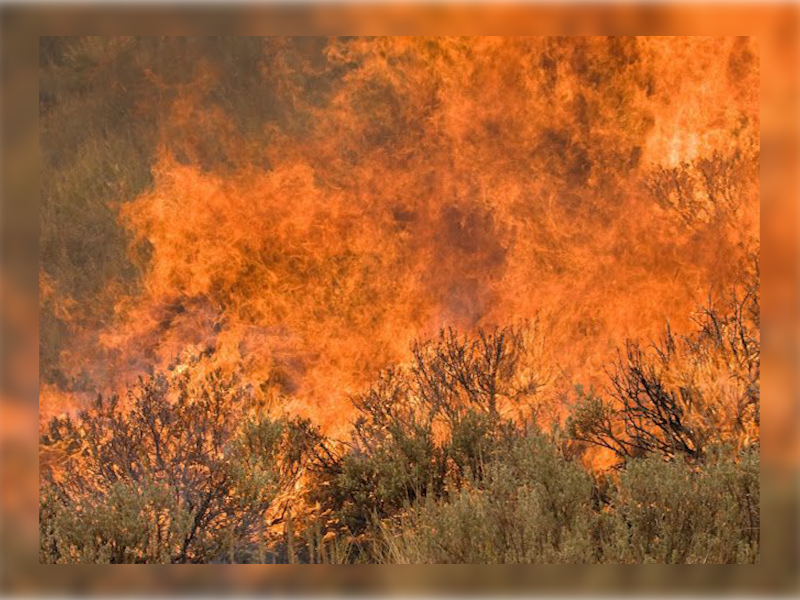
Additional fire-favorable weather associated with declines in Arctic sea ice during summer can increase autumn wildfires over the western United States.
PNNL engages in expert panels to address emerging policy issues surrounding deep space exploration; forms new partnership with University of Washington Space Policy and Research Center.
A new study demonstrates how researchers can model human–Earth system feedbacks in a single internally consistent, computationally efficient framework.
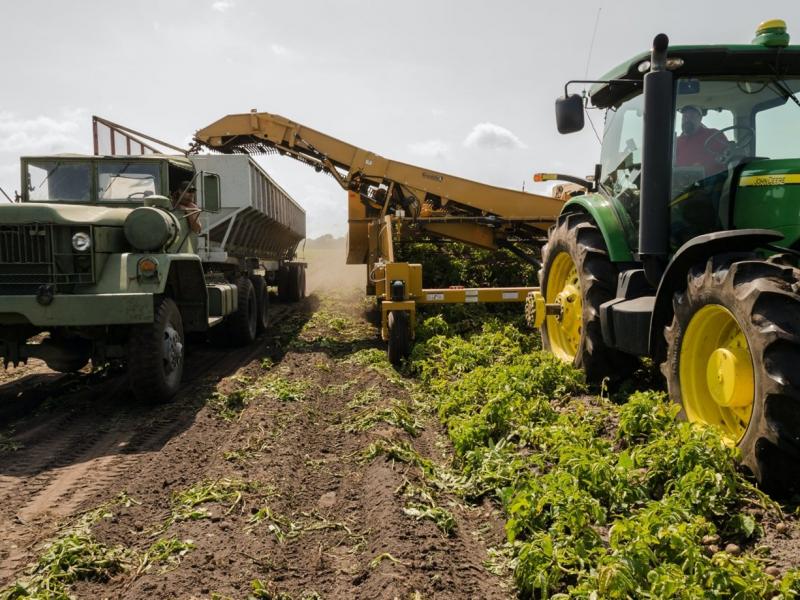
Model results show that uncertainties in farmers’ expectations of market and weather conditions amplify agricultural supply and demand variability under a changing climate.
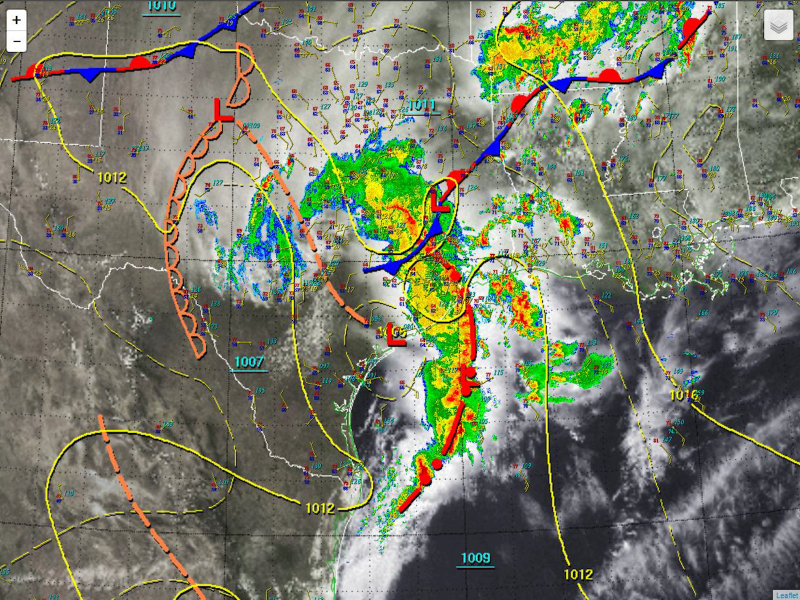
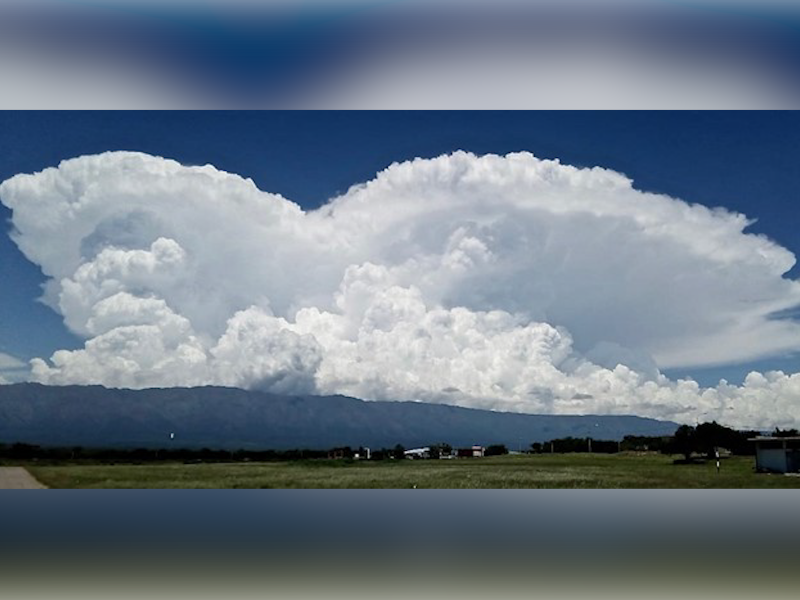
Investigating the soil moisture–precipitation feedbacks that are associated with mesoscale convective system and non-mesoscale convective system rainfall.
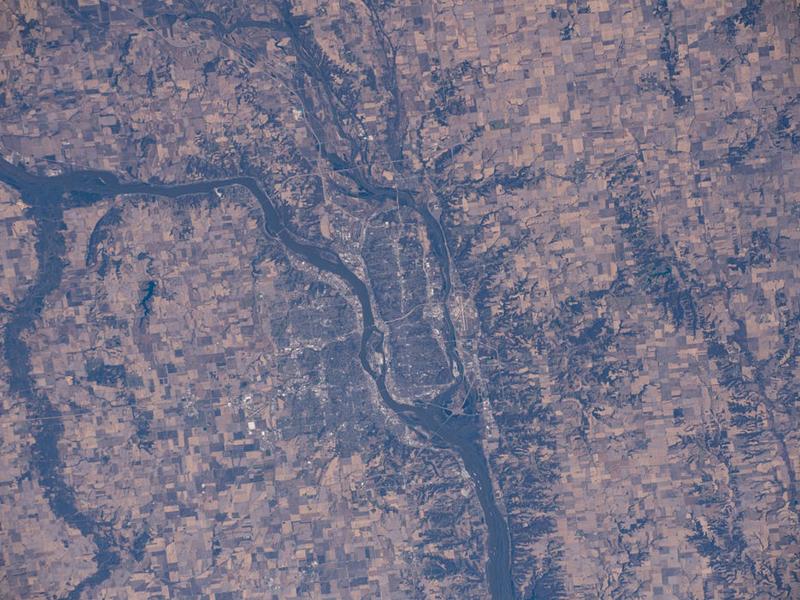
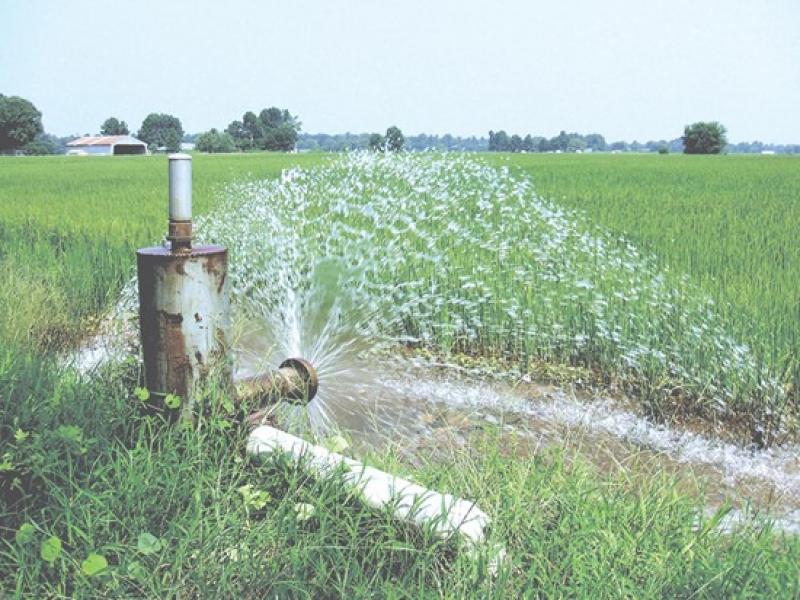
Researchers found that increasing restrictions on nonrenewable groundwater use for irrigation shifts agricultural production from western states to the east.
Developing a new approach for defining energy-water-agriculture linkages highlights U.S. regions where focusing on individual sectors may miss cross-sectoral impacts.