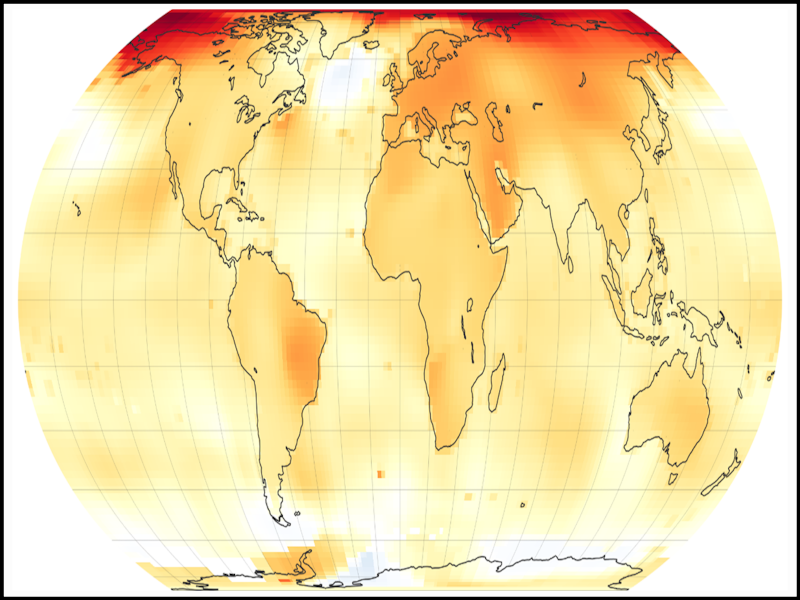
Ensembles of 20–25 members, notably smaller than traditional large ensembles, can accurately represent changes in extremes of temperature and precipitation.
Despite an increase in future electricity demands, virtual water trading in the U.S. electricity sector is expected to decline as renewable energy expands.
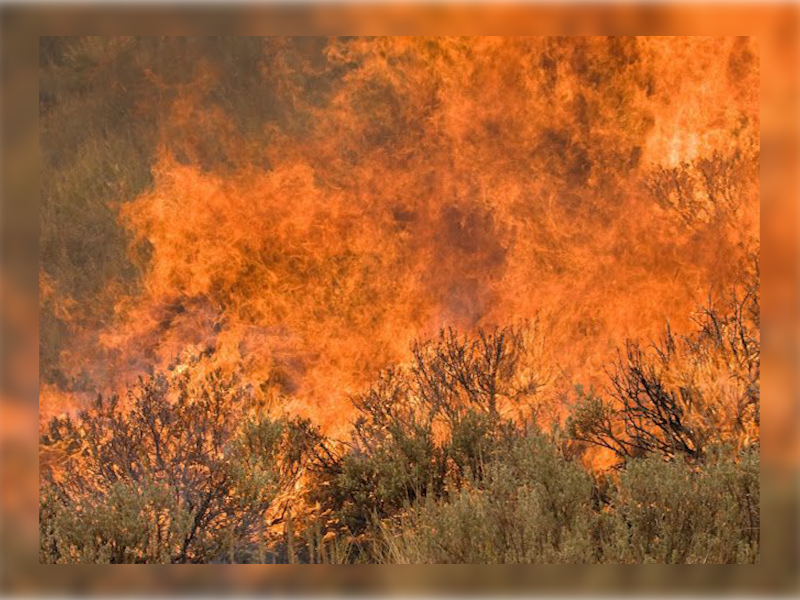
Additional fire-favorable weather associated with declines in Arctic sea ice during summer can increase autumn wildfires over the western United States.
PNNL scientists partnered with colleagues at the University of Akron to create a new molecule that could substantially improve the electrochemical stability of redox flow batteries.
A new study demonstrates how researchers can model human–Earth system feedbacks in a single internally consistent, computationally efficient framework.
The Energy Storage for Social Equity Initiative will help up to 15 disadvantaged communities consider energy storage technologies to meet local energy goals.
Electrical engineer Aditya Ashok and cybersecurity researcher Thomas Edgar win best paper award for their work to create a new high-fidelity dataset that will help advance cybersecurity solutions for critical infrastructure protection.
Model results show that uncertainties in farmers’ expectations of market and weather conditions amplify agricultural supply and demand variability under a changing climate.
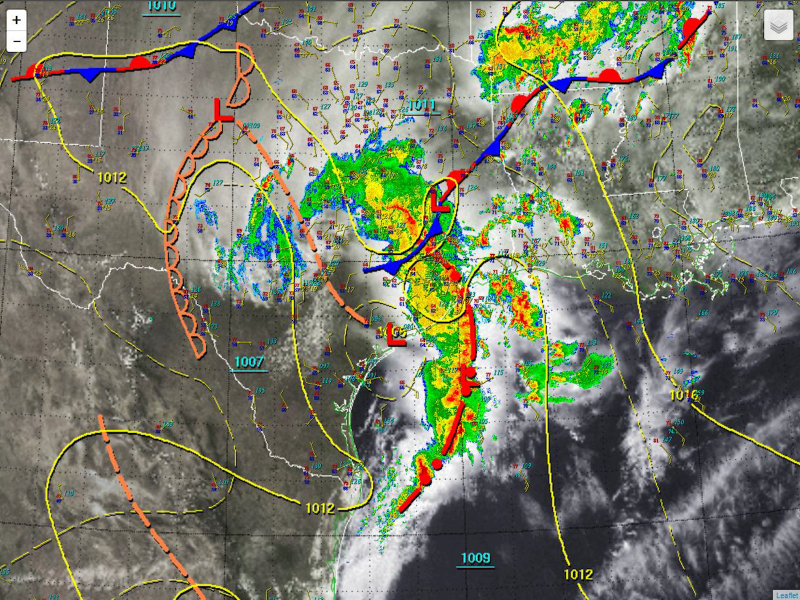
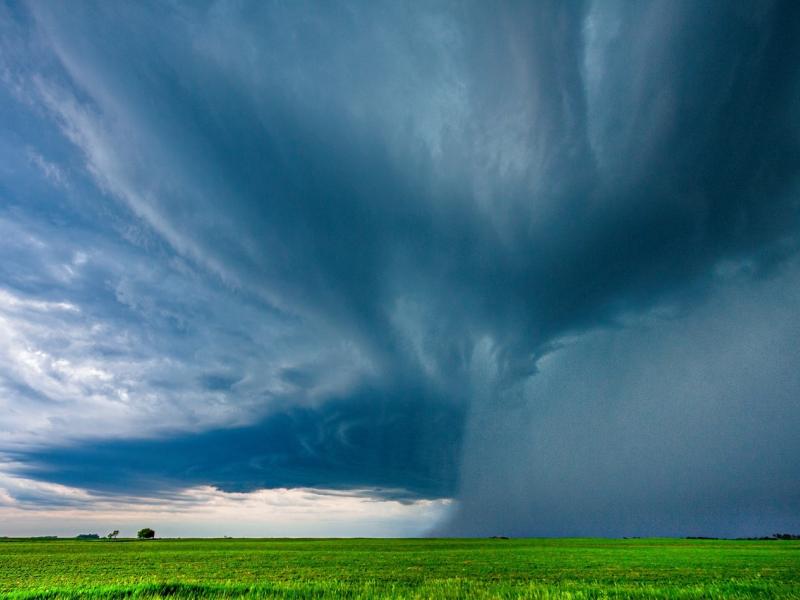
Investigating the soil moisture–precipitation feedbacks that are associated with mesoscale convective system and non-mesoscale convective system rainfall.
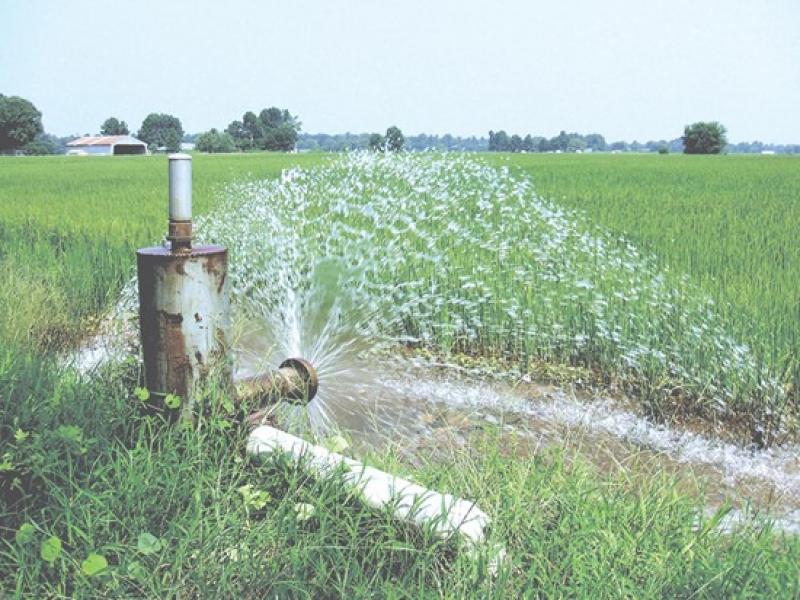
Researchers found that increasing restrictions on nonrenewable groundwater use for irrigation shifts agricultural production from western states to the east.