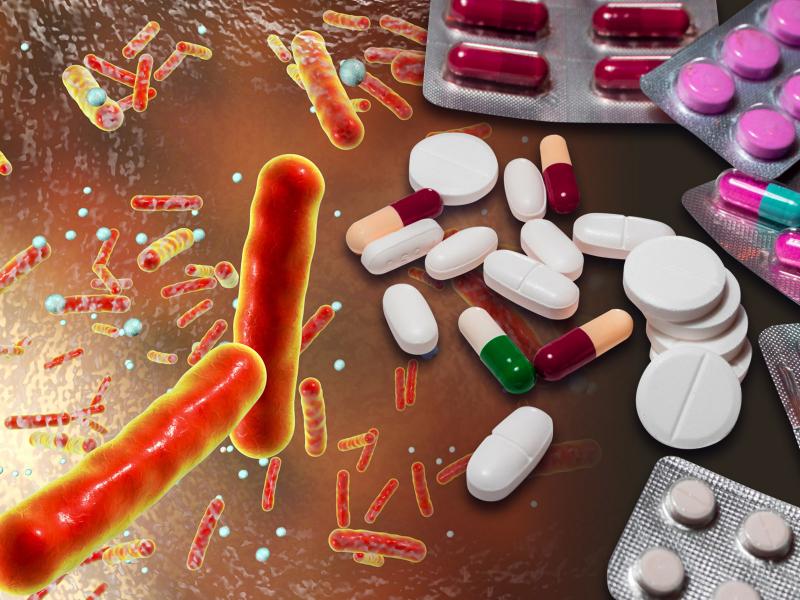
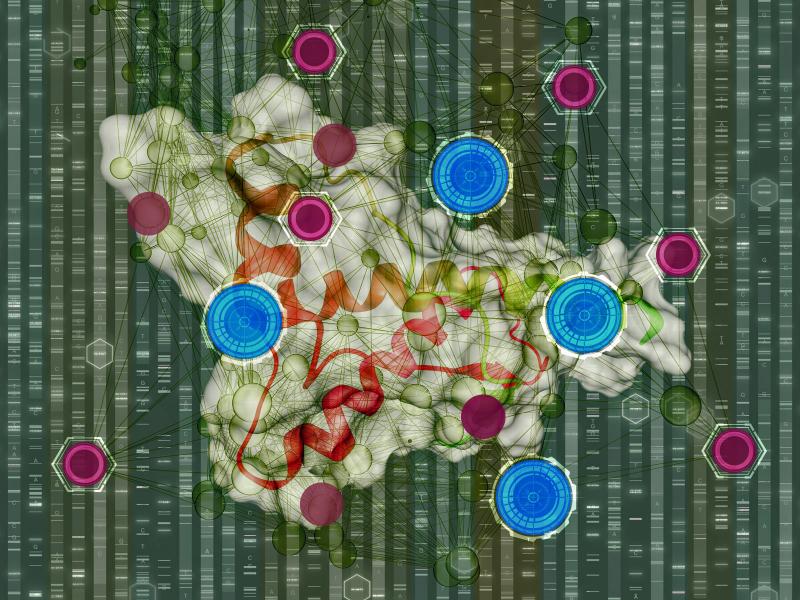
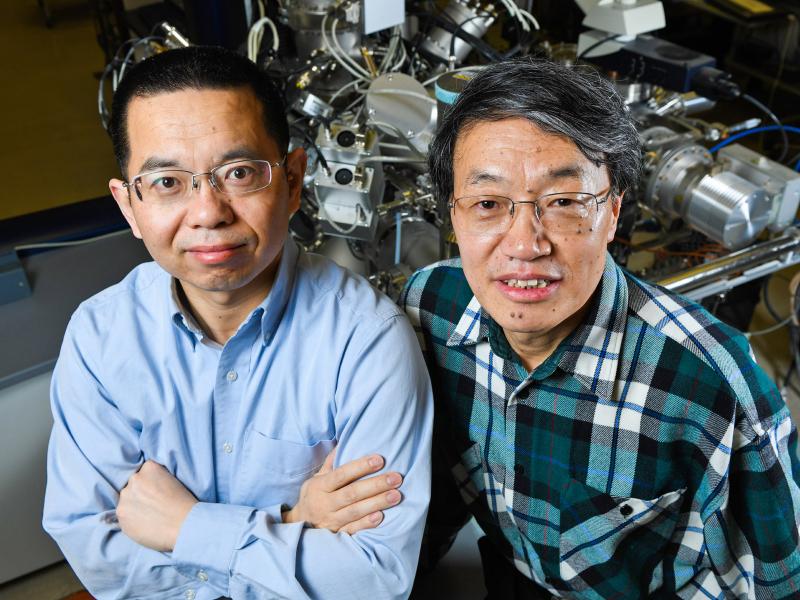
Accurate identification of metabolites, and other small chemicals, in biological and environmental samples has historically fallen short when using traditional methods.
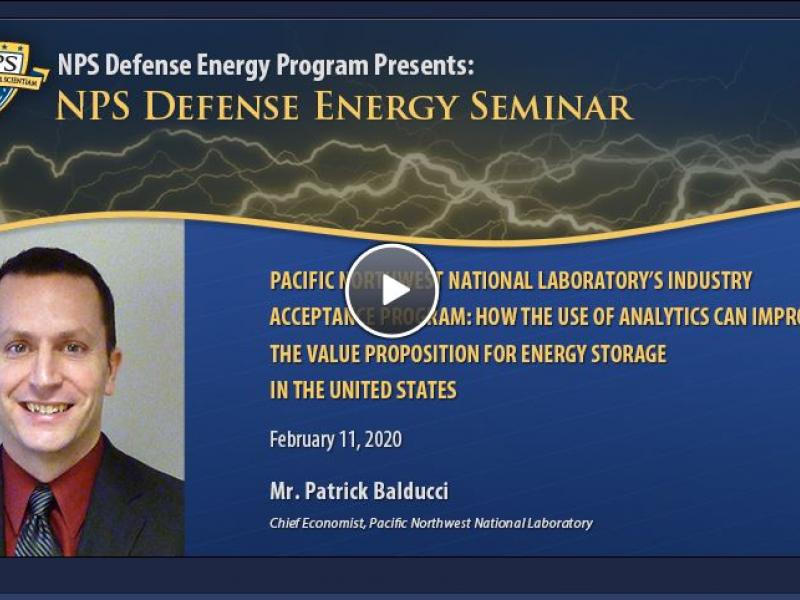
PNNL’s Patrick Balducci delivered an information-packed tutorial on grid energy storage valuation at the Naval Postgraduate School in Monterey, California.
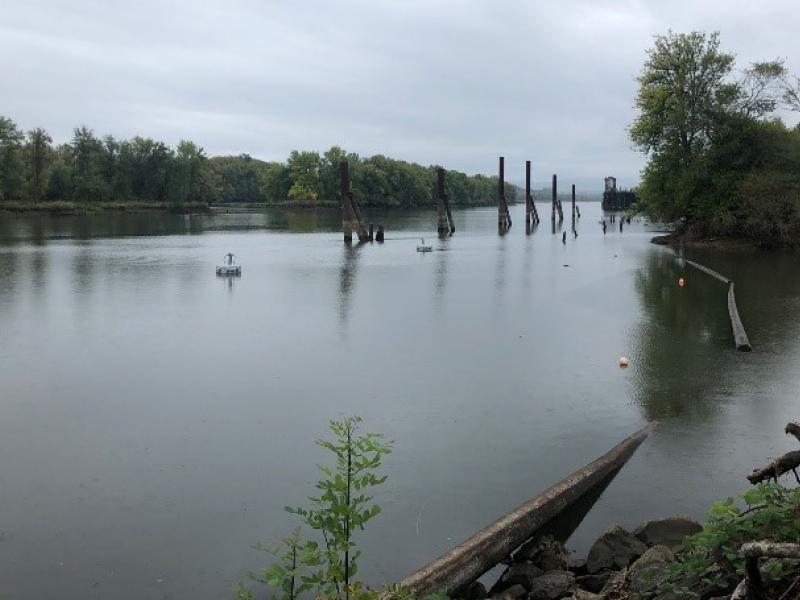
A long-standing collaboration between PNNL and Oregon State University to study harmful chemicals at federally designated hazardous waste sites primarily across the Pacific Northwest has been awarded a five-year, $12.7 million grant.
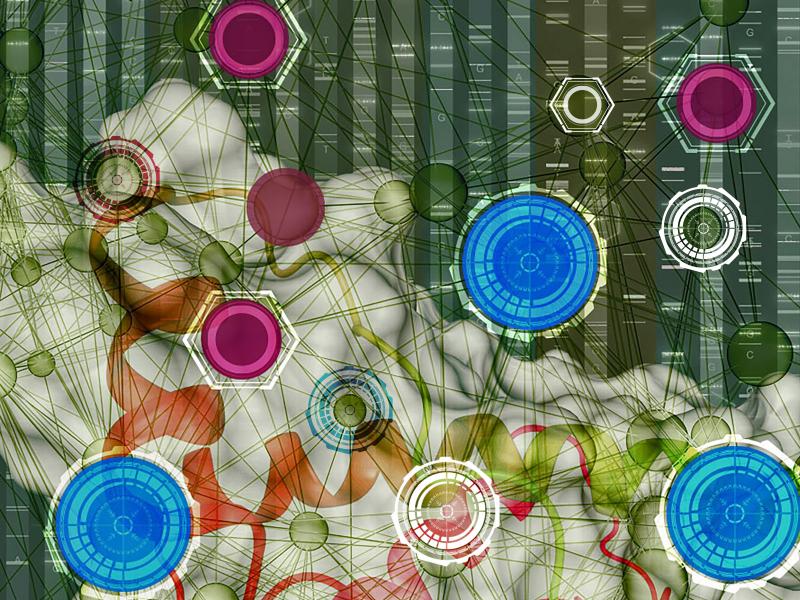
A new study using proteogenomics to compare cancerous tissue with normal fallopian tube samples advances insights about the molecular machinery that underlies ovarian cancer.
The recent coronavirus pandemic shows just how quickly a deadly pathogen can sweep across the globe, killing tens of thousands in the U.S. and disrupting daily life for millions more in the span of a few months.
Ten staff members from PNNL were invited to attend and lead the various breakout sessions at the Department of Energy Office of Science 5G Enabled Energy Innovation Workshop (5GEEIW), which was held in early March.
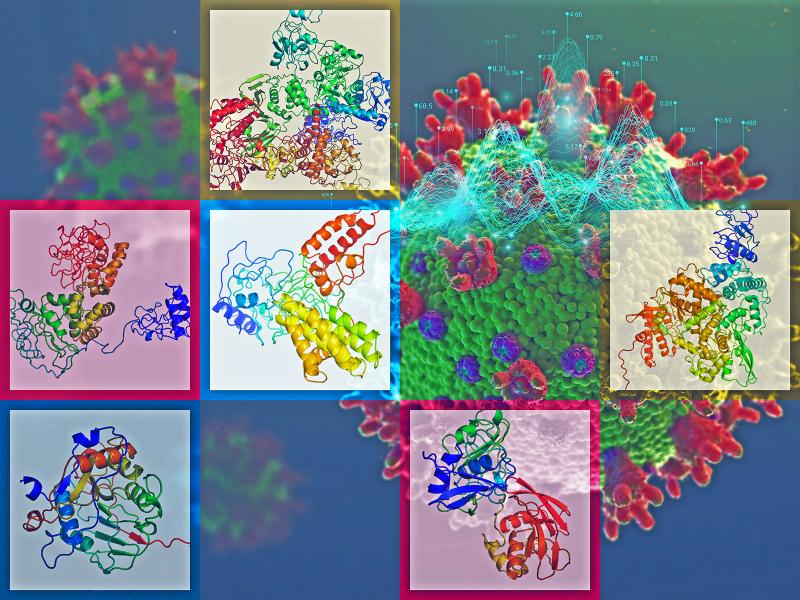
A PNNL scientist is studying the structures of the proteins on the surface of the novel coronavirus, using NMR spectroscopy to reveal information about the molecular toolkit that holds the keys to a vaccine or treatment.
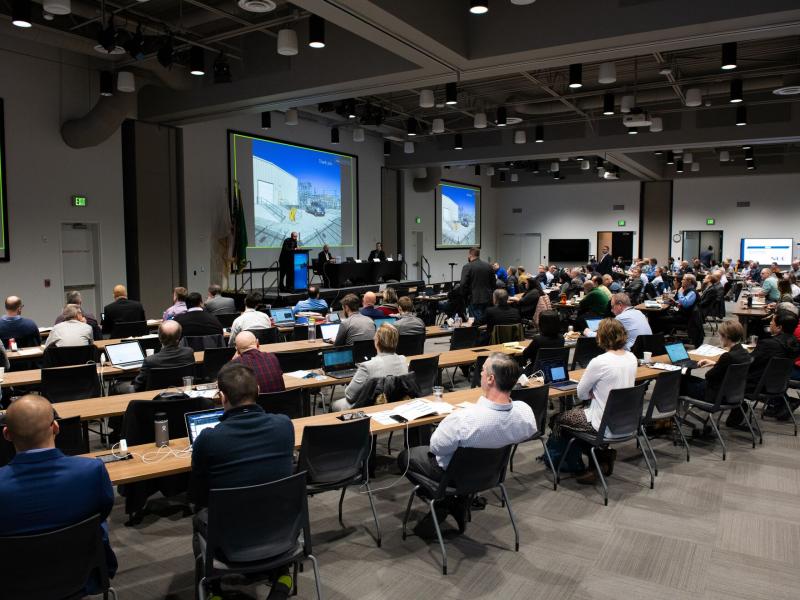
The Energy Storage System Safety and Reliability Forum at PNNL brought together more than 120 energy storage experts from the U.S. Department of Energy, the national laboratories, utilities, industry and academia.
Verizon recently announced a partnership that will make Pacific Northwest National Laboratory the U.S. Department of Energy’s first national laboratory with Verizon 5G ultra wideband wireless technology.
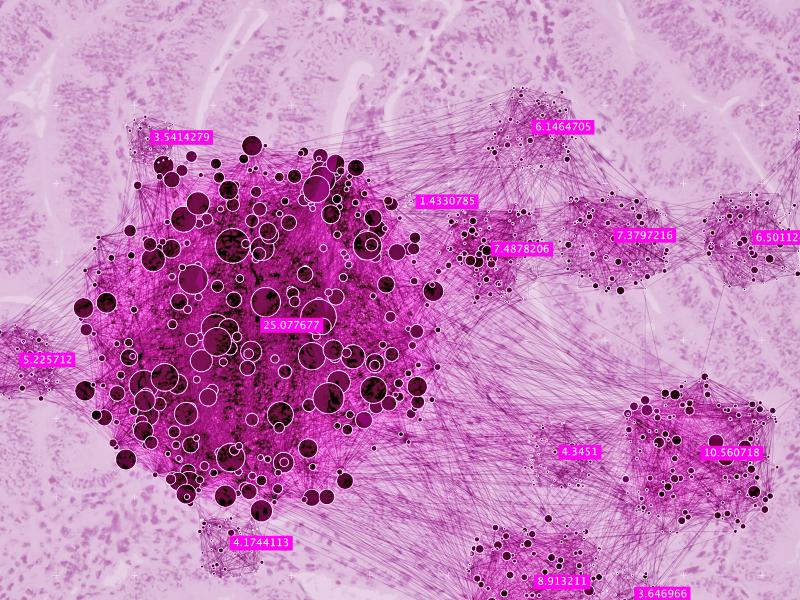
Combining its strength in biological sciences and data analytics, researchers at the Department of Energy's PNNL are working to enable a quick response to a biological incident — whether intentional, accidental or natural.
David Manz, a PNNL cybersecurity scientist working to build more resilient architectures for the nation’s critical infrastructure, was inducted to the National Science Foundation’s CyberCorps: Scholarship for Service (SFS) Hall of Fame.
A new study focusing on the proteins involved in endometrial cancer, commonly known as uterine cancer, offers insights about which patients will need aggressive treatment and which won’t.
PNNL’s Juliet Homer was an invited panelist at a California Energy Commission workshop, which highlighted research on water treatment, delivery, and energy.
In a special edition of the Journal of Information Warfare, Pacific Northwest National Laboratory researchers explore the revolution of technologies defending the nation’s critical infrastructure.
PNNL and the 13 other national laboratories of the Grid Modernization Laboratory Consortium (GMLC) will be sharing their R&D work and technologies for grid modernization at DistribuTECH International in San Antonio Jan. 28-30.
While it’s one small step forward for mouse research, it’s a big step forward for understanding proteins, the molecular workhorses in biological organisms.