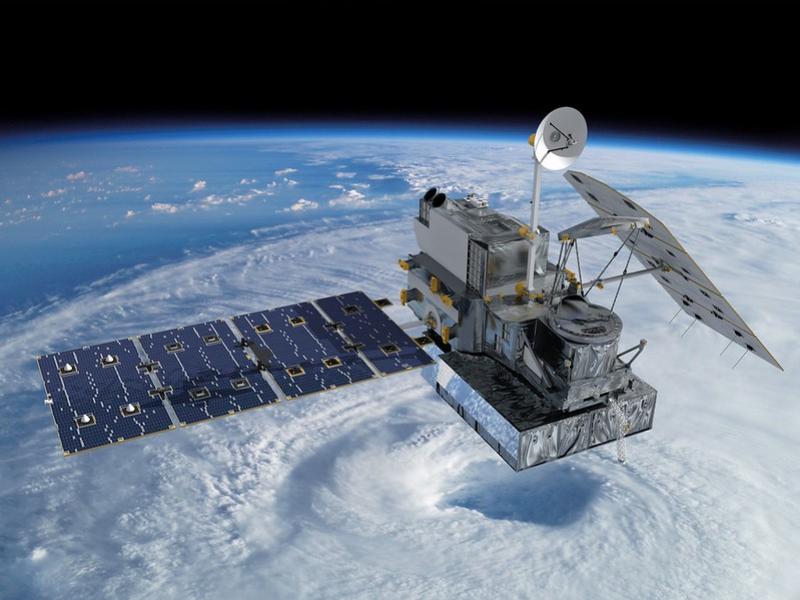
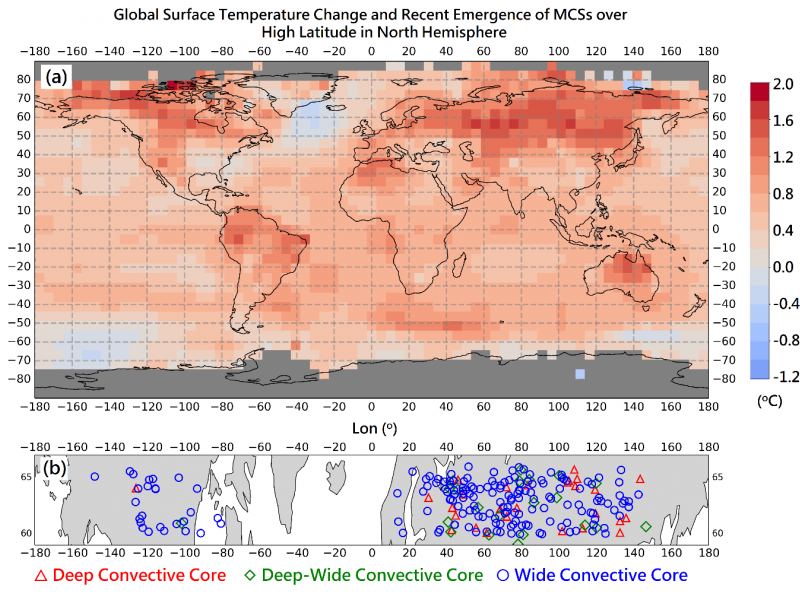
Cloud and precipitation characteristics observed by the Global Precipitation Measurement spaceborne radar allowed researchers to establish, for the first time, a global map of mesoscale convective systems in mid- and high-latitude regions.
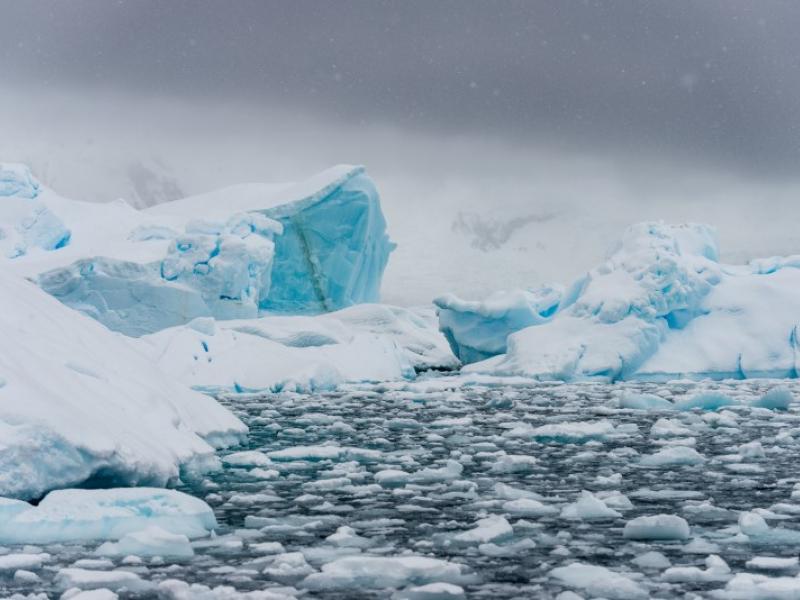
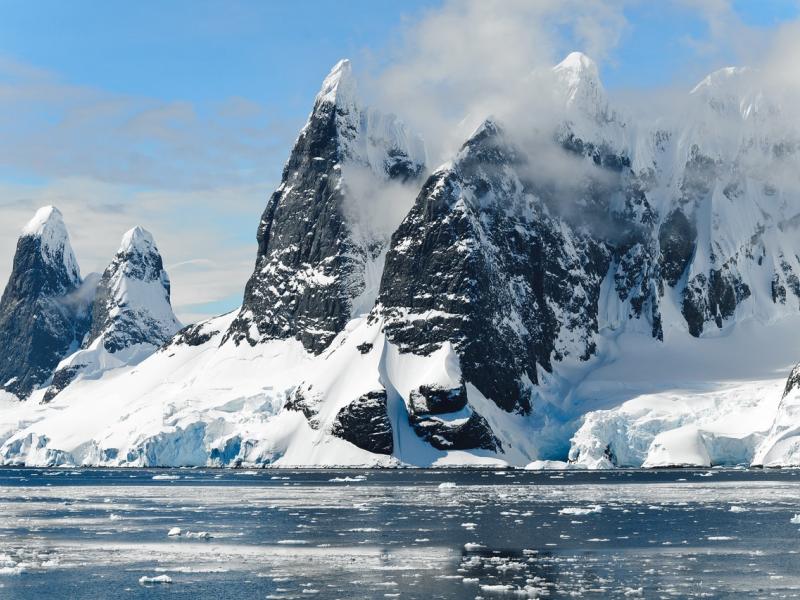
As the planet has warmed during recent history, summer sea ice extent has been decreasing in the Arctic but expanding in the Antarctic at modest but significant rates. This study helps explain why the hemispheres are behaving differently.
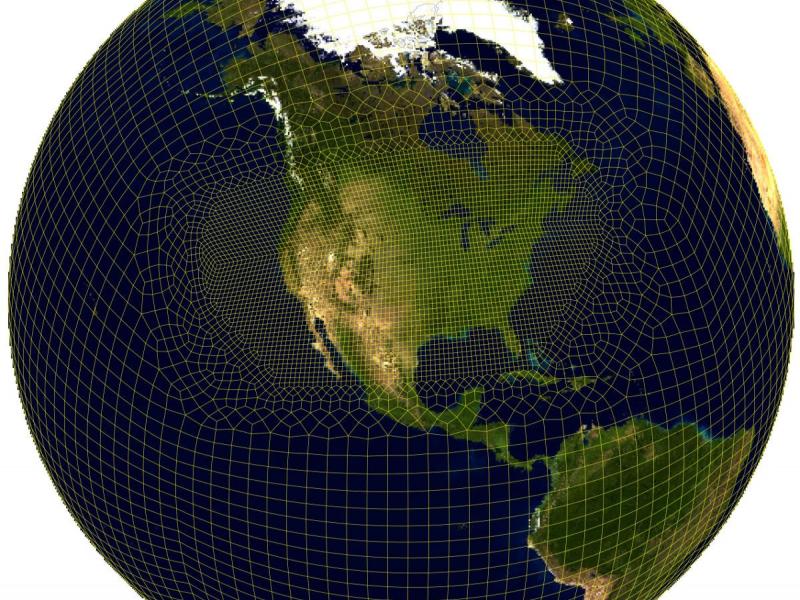
A new version of the E3SM Atmosphere Model (EAM) has been released to the community. This study provides an overview of the model and the science behind it, describing advances made to address E3SM science challenges.
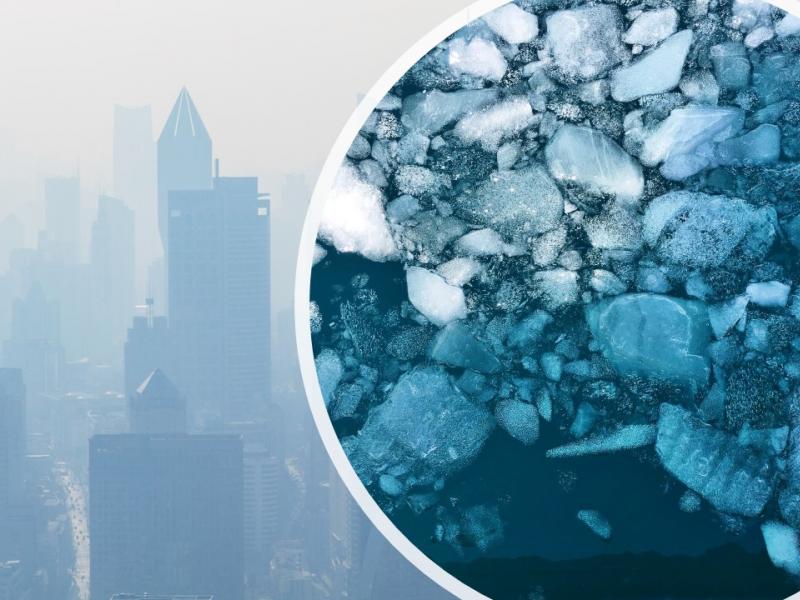
A study led by researchers at PNNL reveals physical mechanisms that link declining Arctic sea ice to increasing winter air stagnation and pollution extremes in China based on Earth system modeling results.
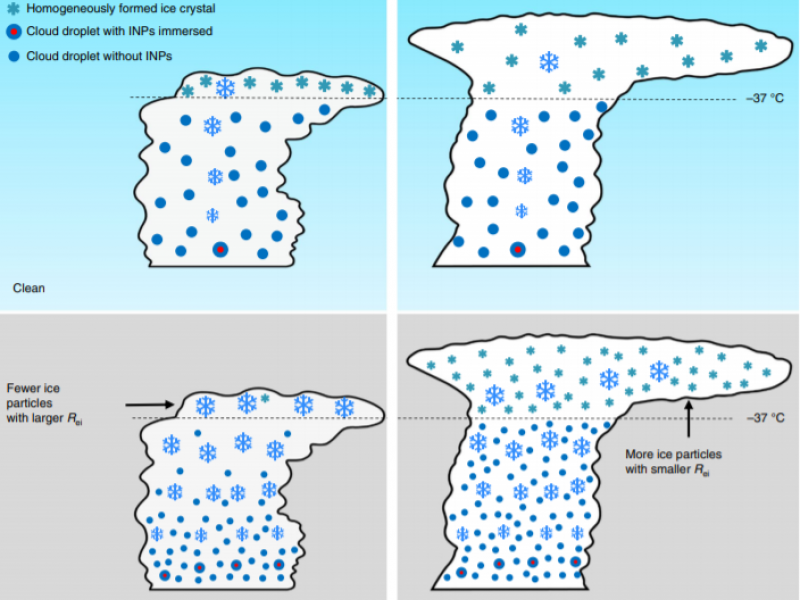
In this study, researchers probed the ice nucleation ability of different aerosol types by combining 11-year observations from multiple satellites and cloud-resolving model simulations.
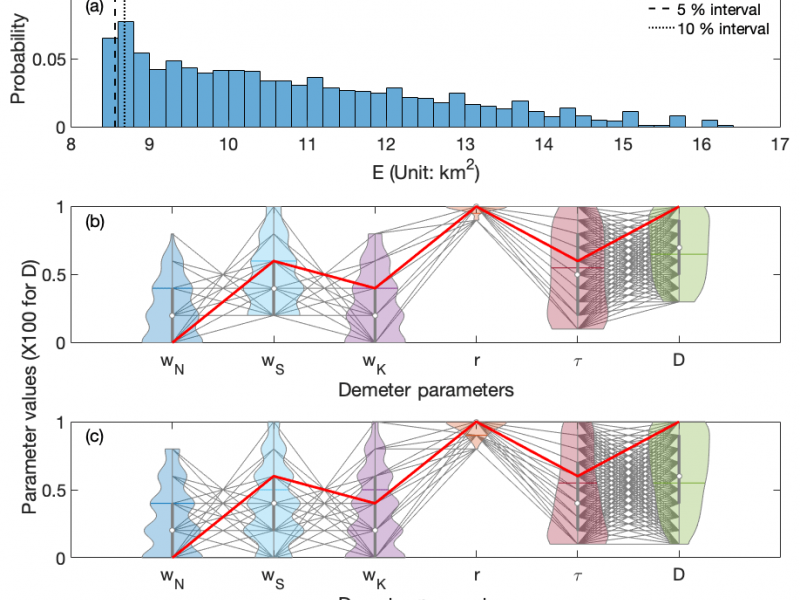
New study provides a key reference for Demeter users and is expected to help reduce uncertainties in downstream hydrologic and Earth system simulations.
Researchers at PNNL and the University of Washington examined storms seen by the GPM satellite and found that deep convective storms have been occurring surprisingly frequently at high latitudes during the warm seasons of recent years.
Researchers quantified temperature and gas-cycle responses over time of five simple climate models to impulses of carbon dioxide, methane, and black carbon.
Researchers analyzed the relationship between Earth’s climate sensitivity and historical/future sea level projections, with a particular focus on the high‐impact upper tail.
A team of researchers discovered more about how sea ice in the Southern Ocean might regulate changes in the amount and location of Antarctic precipitation.
A strong interdisciplinary team with a high-performance track record recently received their third Award of Excellence in five years from the National Nuclear Security Administration (NNSA).
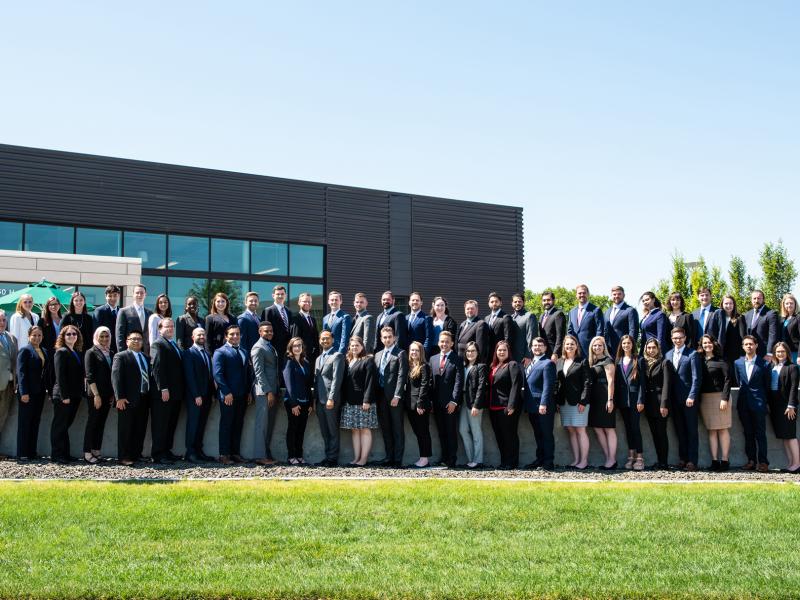
Like many graduates crossing the finish line in 2020, the National Nuclear Security Administration Graduate Fellowship Program class of 2019-2020 transitioned its closing ceremony to a virtual environment, joined by NNSA and PNNL leaders.
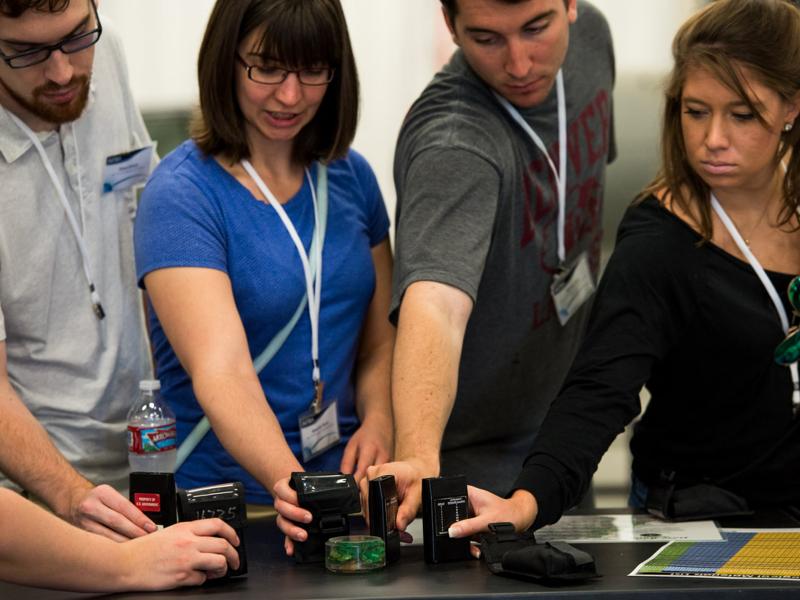
PNNL and the National Nuclear Security Administration are building future leaders for nuclear security through the NNSA Graduate Fellowship Program, a hands-on fellowship spanning the nuclear security enterprise.
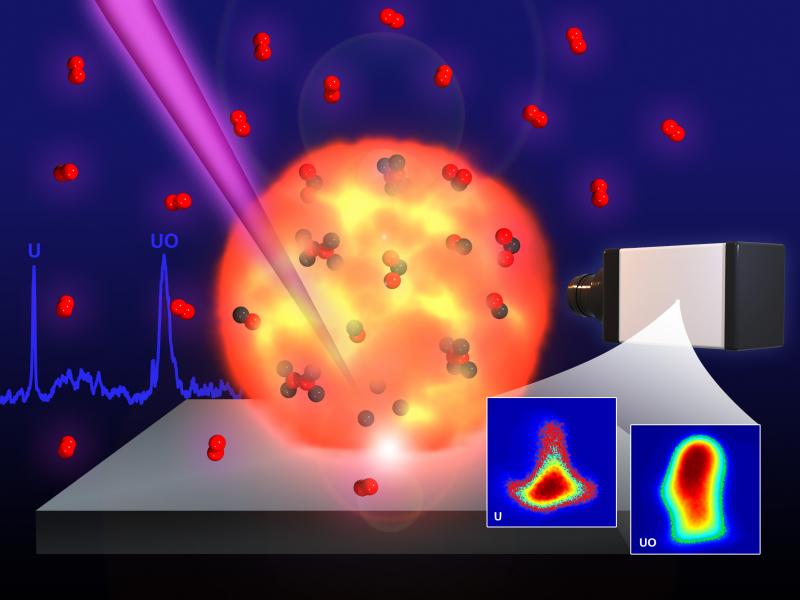
A team of researchers is working to expand our uranium chemistry understanding using a surprising tool: lasers. This capability gives never-before-seen insight into uranium gas-phase oxidation during nuclear explosions.
David Senor, PNNL researcher and tritium expert, has been named to the Texas A&M University Nuclear Engineering Advisory Council. This appointment follows Senor’s eight consecutive years of mentoring Texas A&M’s nuclear engineering senior