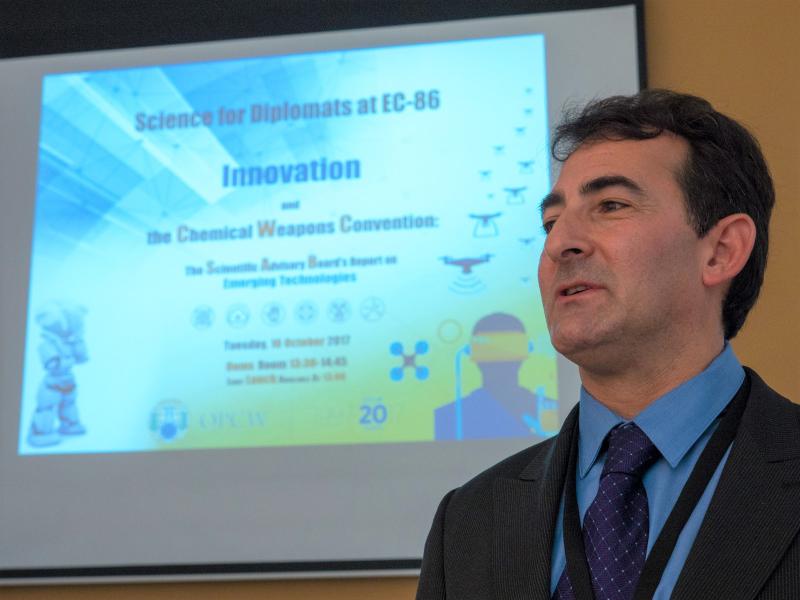
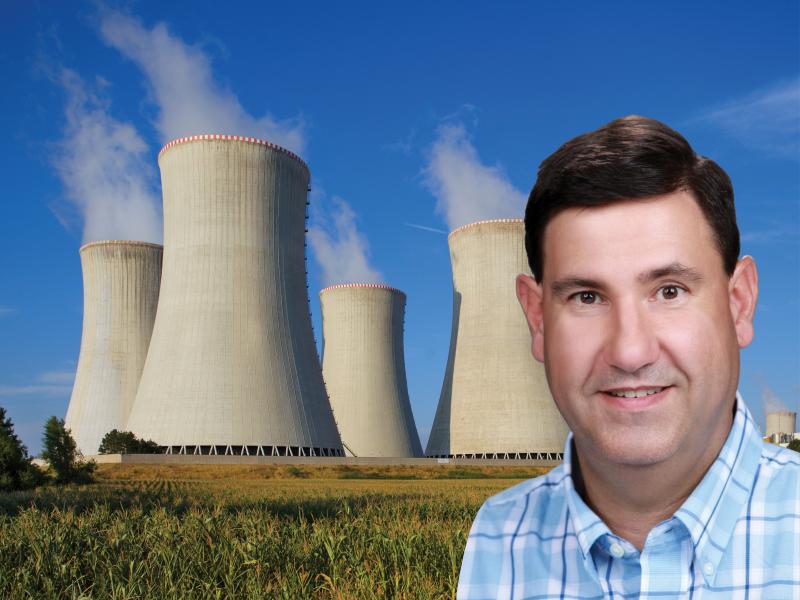
Jonathan Forman, science and technology advisor at Pacific Northwest National Laboratory, was announced as the winner of the Hall of Fame award in the innovator category by the Organisation for the Prohibition of Chemical Weapons.
A cadre of physical scientists, engineers and computing experts at Pacific Northwest National Laboratory is poised to participate in the launch of three new DOE Office of Science-sponsored quantum information science research centers.
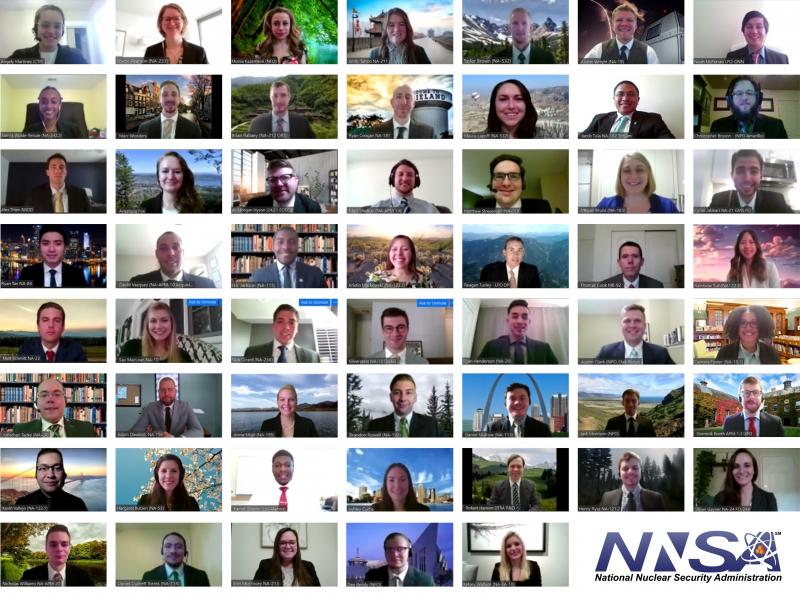
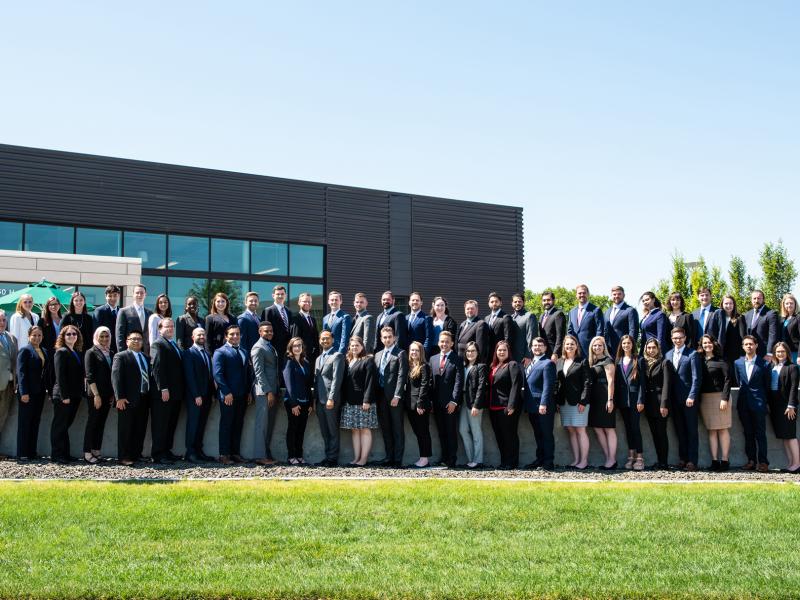
The National Nuclear Security Administration Graduate Fellowship Program has welcomed aboard the Class of 2020—53 graduate students placed (virtually for now) with offices across the nuclear security enterprise.
Contributions from researchers across Pacific Northwest National Laboratory (PNNL) were recently recognized in the preliminary findings of a Secretary of Energy Advisory Board (SEAB) report.
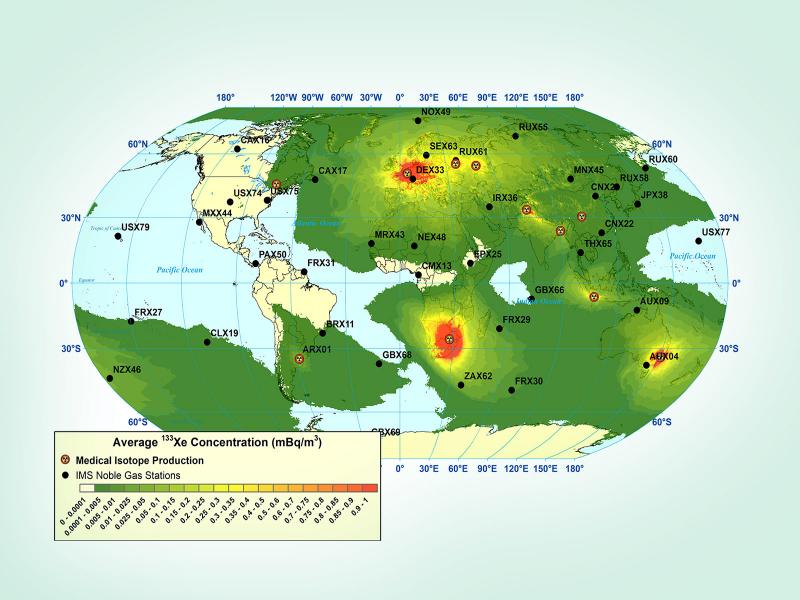
Scientists at PNNL have contributed much of the nuclear science that underlies an international monitoring system designed to detect nuclear explosions worldwide. The system detects radioxenon anywhere on the planet.
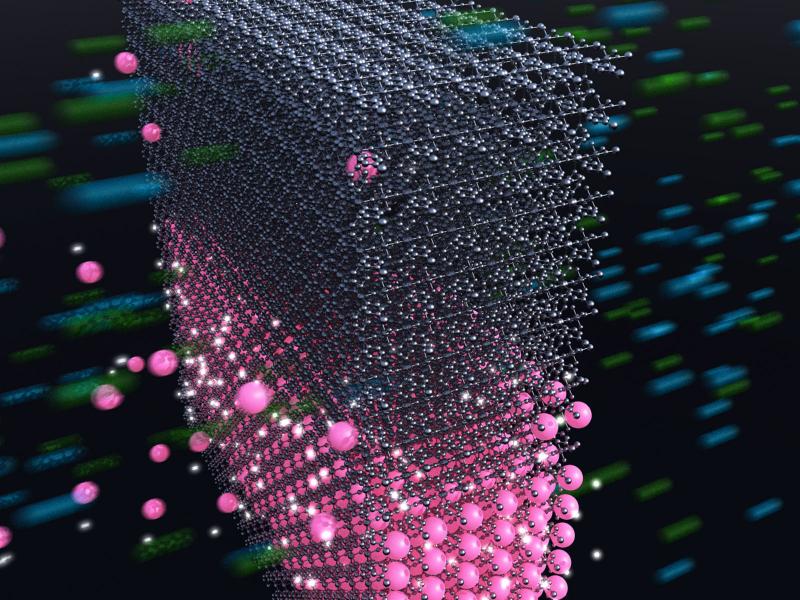
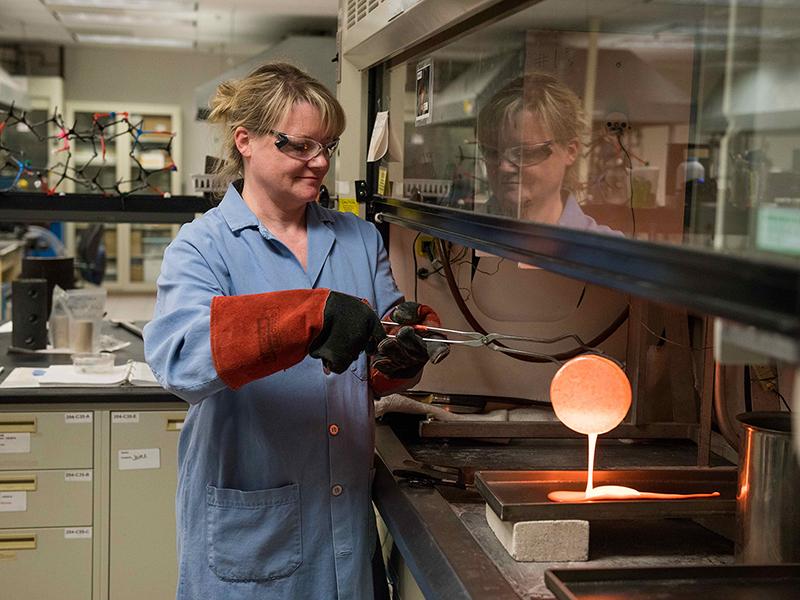
A new radiation-resistant material for the efficient capture of noble gases xenon and krypton makes it safer and cheaper to recycle spent nuclear fuel.
International editing team provided 15-year update, with Devanathan focused on intersection of nuclear science, materials science, and multiscale modeling.
A strong interdisciplinary team with a high-performance track record recently received their third Award of Excellence in five years from the National Nuclear Security Administration (NNSA).
Materials Scientist Arun Devaraj has been selected among 76 recipients nationwide to receive a 2020 Early Career Research Program award from the U.S. Department of Energy
Like many graduates crossing the finish line in 2020, the National Nuclear Security Administration Graduate Fellowship Program class of 2019-2020 transitioned its closing ceremony to a virtual environment, joined by NNSA and PNNL leaders.
PNNL and the National Nuclear Security Administration are building future leaders for nuclear security through the NNSA Graduate Fellowship Program, a hands-on fellowship spanning the nuclear security enterprise.
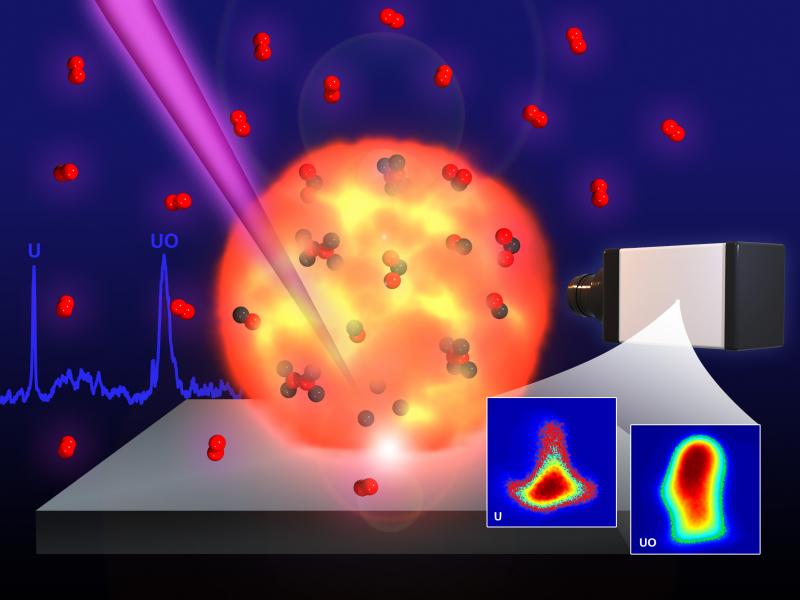
A team of researchers is working to expand our uranium chemistry understanding using a surprising tool: lasers. This capability gives never-before-seen insight into uranium gas-phase oxidation during nuclear explosions.
David Senor, PNNL researcher and tritium expert, has been named to the Texas A&M University Nuclear Engineering Advisory Council. This appointment follows Senor’s eight consecutive years of mentoring Texas A&M’s nuclear engineering senior
Researchers found that certain oxide interface configurations remain stable in extreme environments, suggesting ways to build better performing, more reliable devices for fuel cells, space-based electronics, and nuclear energy.
The world’s largest scientific society honored Sue B. Clark, a PNNL and WSU chemist, for contributions toward resolving our legacy of radioactive waste, advancing nuclear safeguards, and developing landmark nuclear research capabilities.
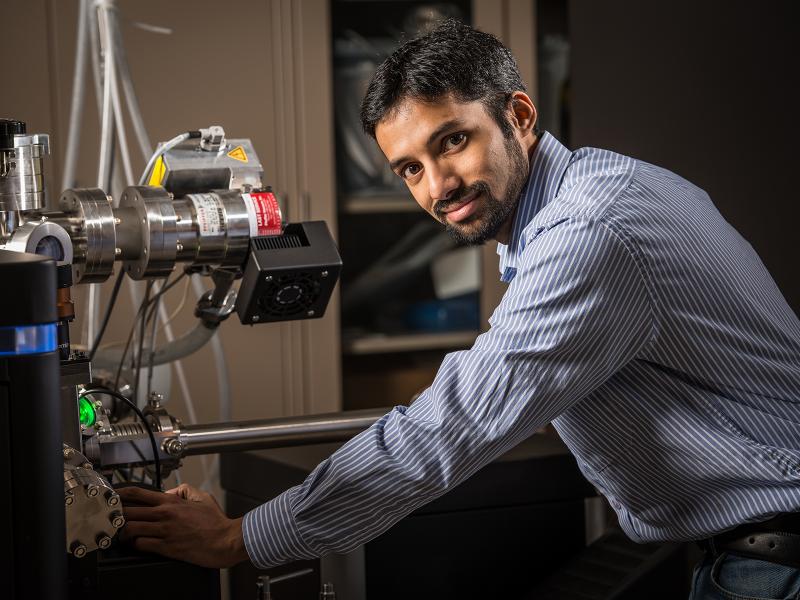
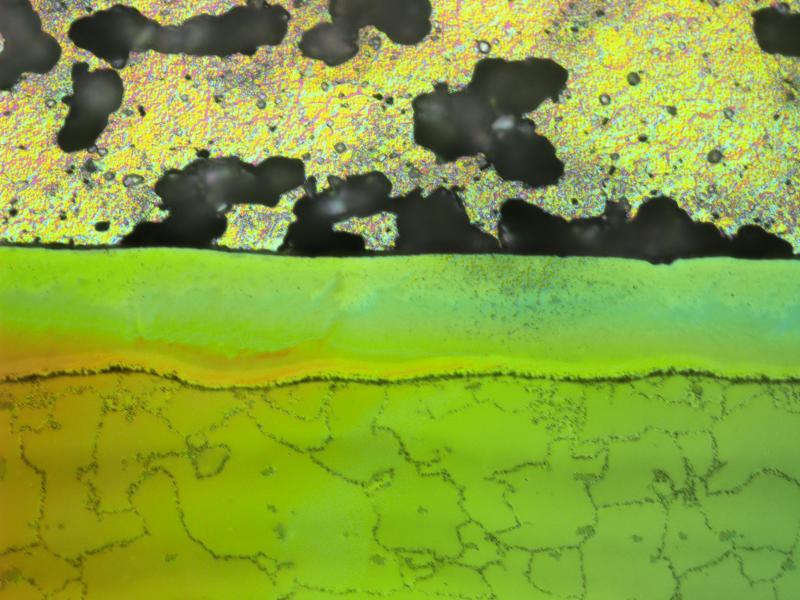
PNNL researchers demonstrated a nanoscale analysis tool to map isotopes to location in low-enriched uranium-molybdenum fuel plates for use in nuclear research reactors.
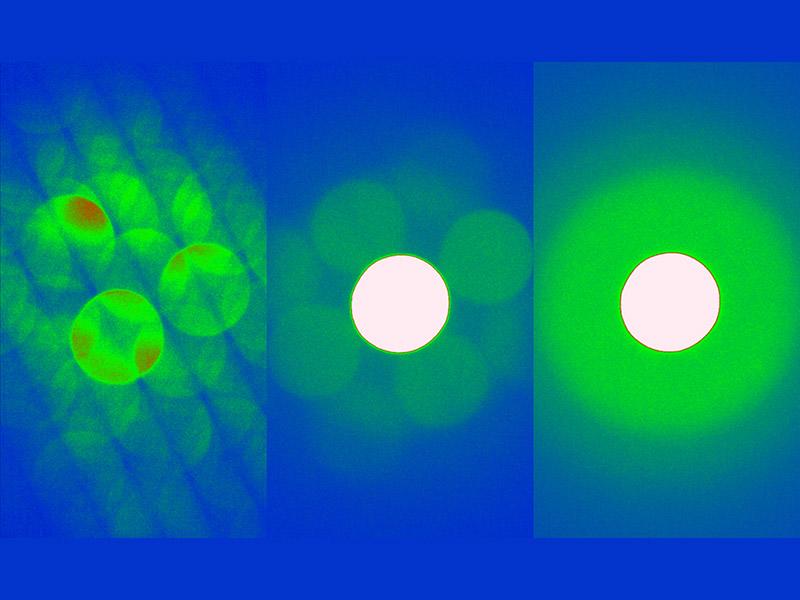
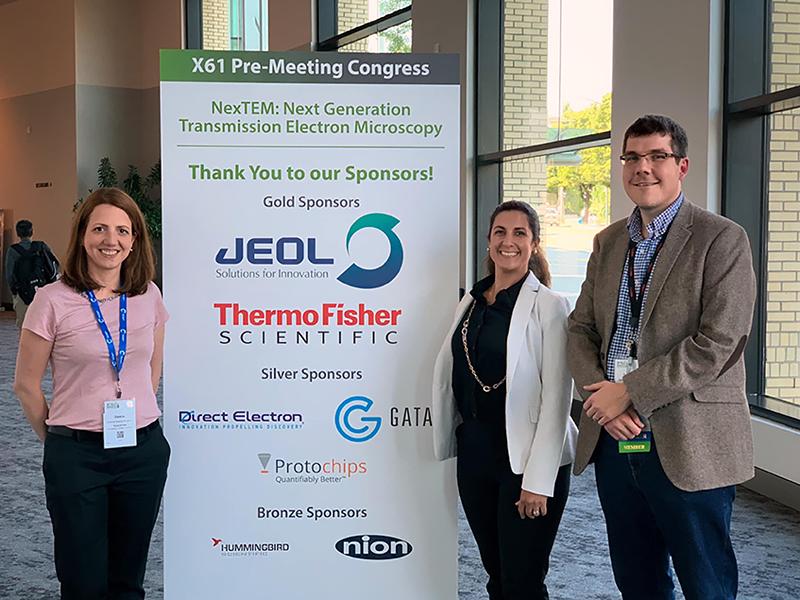
A gathering of international experts in Portland, Oregon, explored the future of electron microscopy and surfaced potential solutions in areas including new instrument designs, high-speed detectors, and data analytics capabilities.