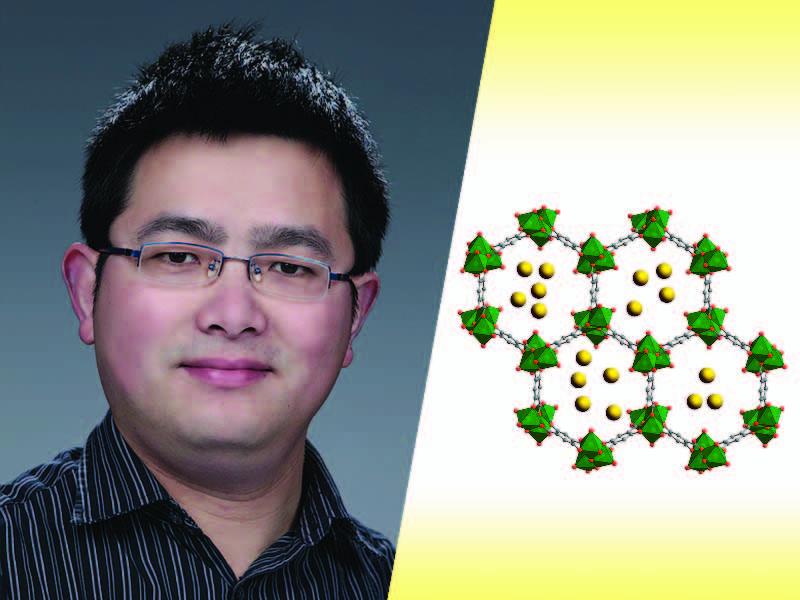
PNNL and Oklahoma State University join forces to understand the chemistry of sodium-ion and potassium-ion batteries thanks to an award from the U.S. Department of Energy's Established Program to Stimulate Competitive Research (EPSCoR).
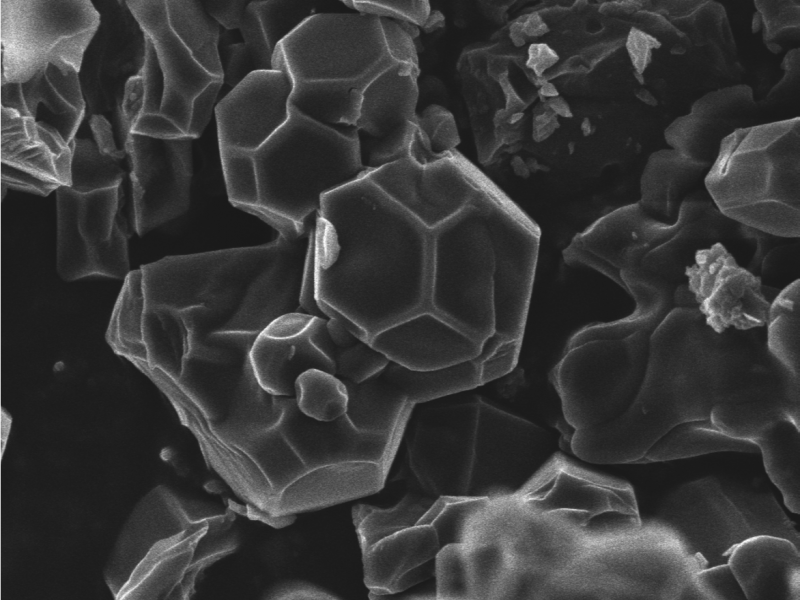
Corresponding PNNL authors assembled a team of experts to show that supercritical carbon dioxide is a promising media for the construction of metal-organic frameworks (MOFs).
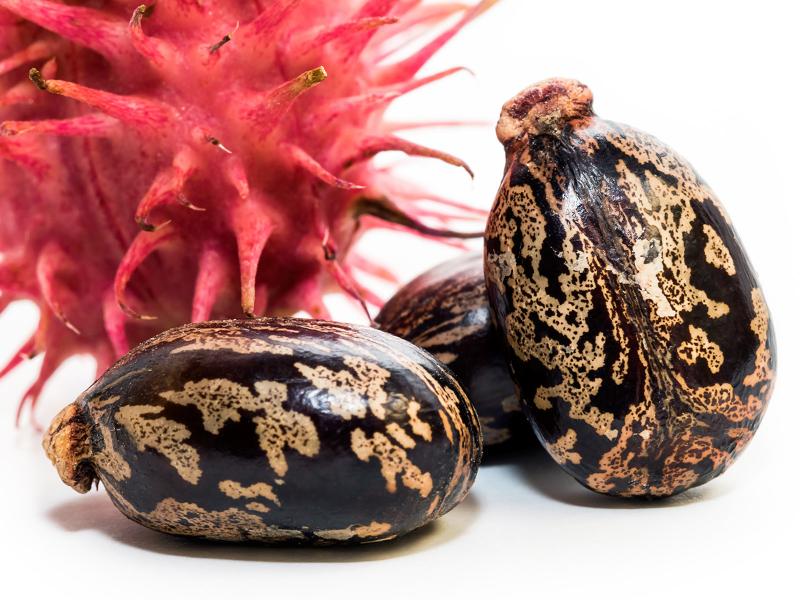
As author of her first publication, PNNL bioinformaticist Isabelle O’Bryon developed the first forensic proteomics method to more quickly detect ricin, a toxin often crudely made in home laboratories that can kill in trace amounts.
Six months into a pandemic that has claimed more than 570,000 lives worldwide, scores of PNNL scientists are engaged in dozens of projects in the fight against COVID-19.
Twelve energy-related technologies developed at PNNL have been selected for additional technology maturation funding to help move them from the laboratory and field tests to the marketplace.
Researchers at PNNL have developed a software tool that helps universities, small business, and corporate developers to design better batteries with new materials that hold more energy.
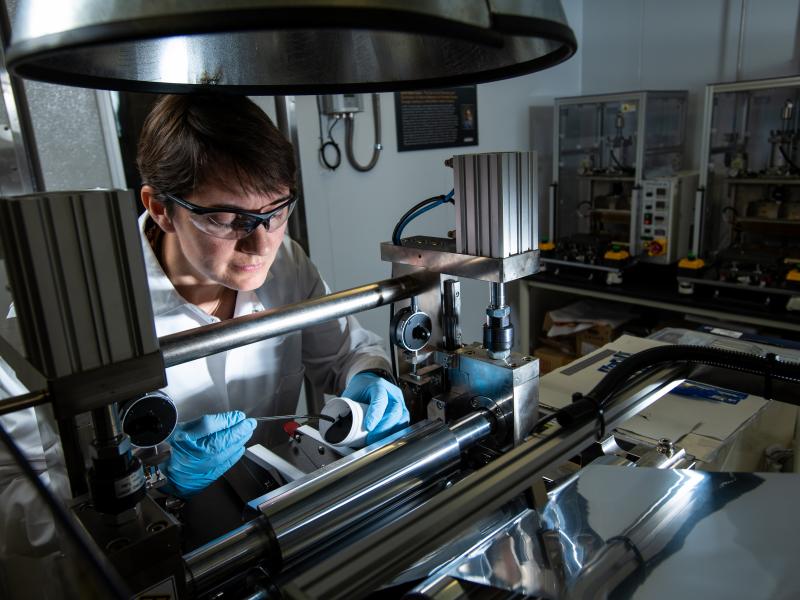
Darrell Herling and two national laboratory collaborators were recently recognized by DOE for their leadership in the Powertrain Materials Core Program.
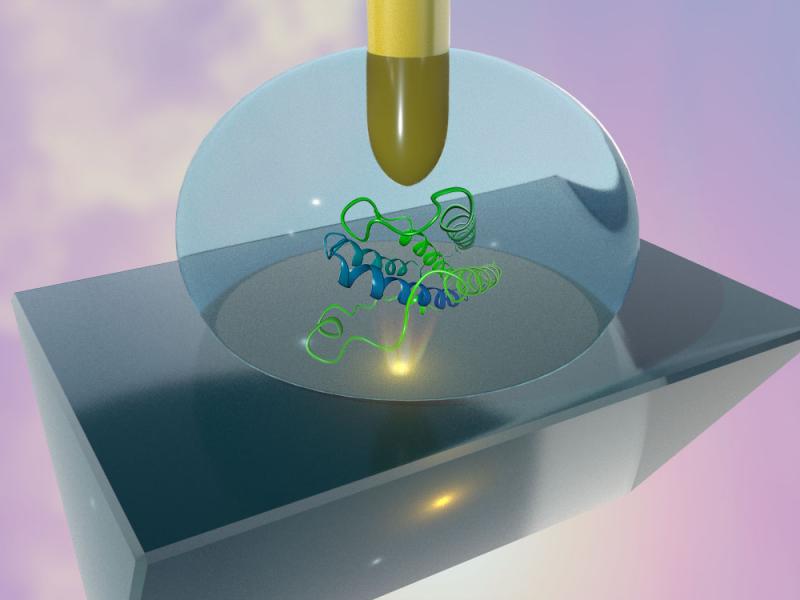
DOE researchers have developed an infrared nano-imager that may be used to visualize and fingerprint biological molecules in their native liquid environments.
Plant scientists at Pacific Northwest National Laboratory have garnered the most comprehensive—and first ever—genetic level dataset of the rooting process in a flowering model grass.
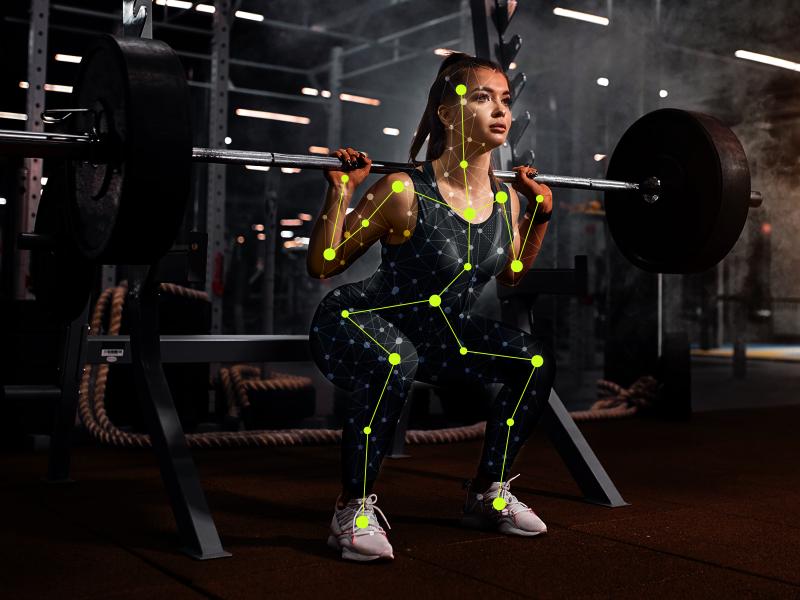
Researchers from 25 institutions around the country, including PNNL, are working to find out how exercise changes the molecular makeup of our cells to generate health benefits.
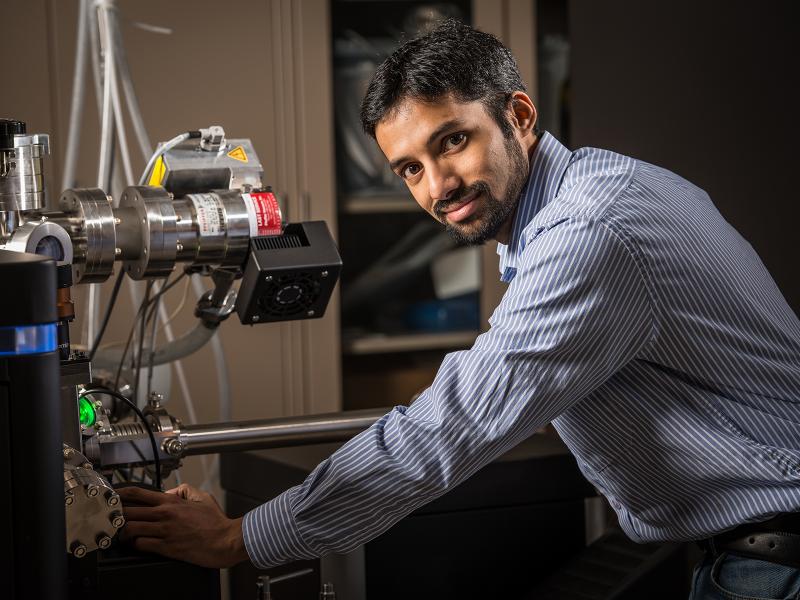
Materials Scientist Arun Devaraj has been selected among 76 recipients nationwide to receive a 2020 Early Career Research Program award from the U.S. Department of Energy
Jonathan Male originally joined PNNL in 2006 as a scientist focused on catalysis. After more than seven years leading DOE’s Bioenergy Technologies Office, he's back at PNNL as a chief scientist in the Energy Processes & Materials Division.
PNNL and WSU researchers have improved the performance and life cycle of sodium-ion battery technology to narrow the gap with some lithium-ion batteries.