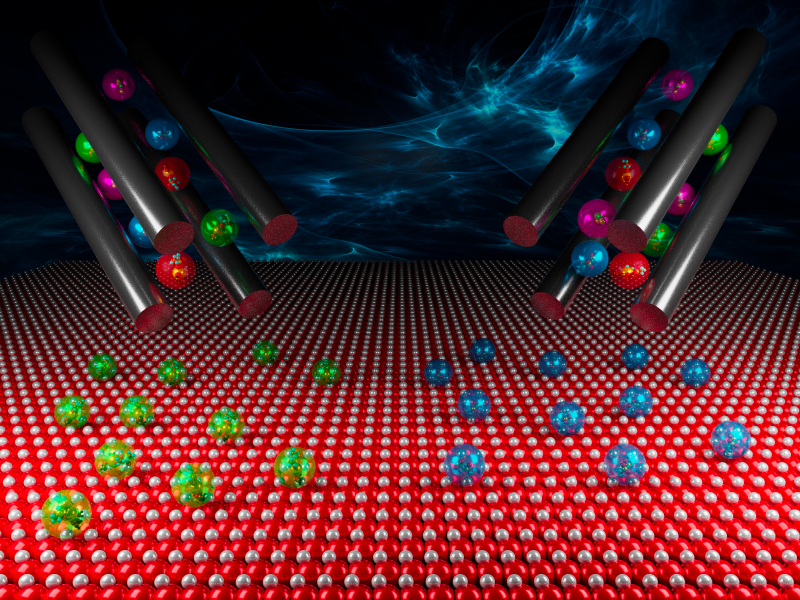
When it comes to hydrogen compatibility, all rubbers are not created equal. New research hints at pathways to improve the durability of rubber-based materials in hydrogen infrastructure.
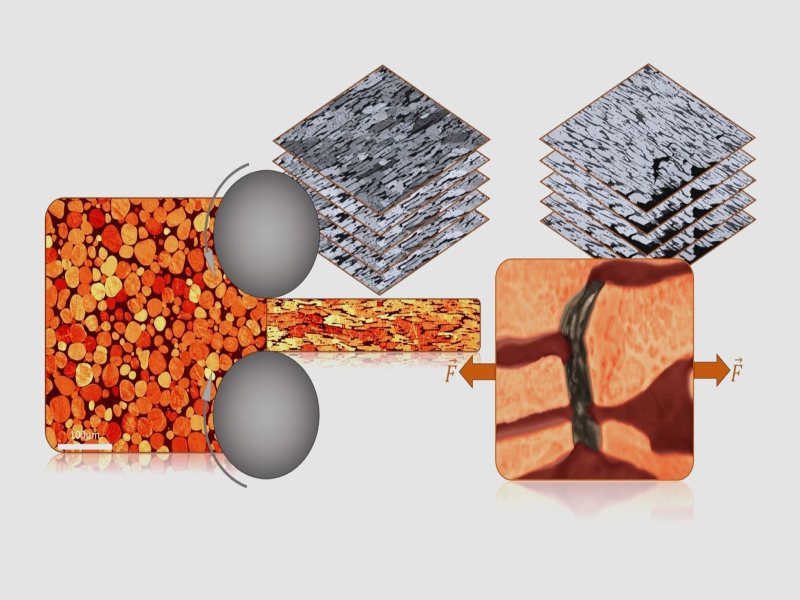
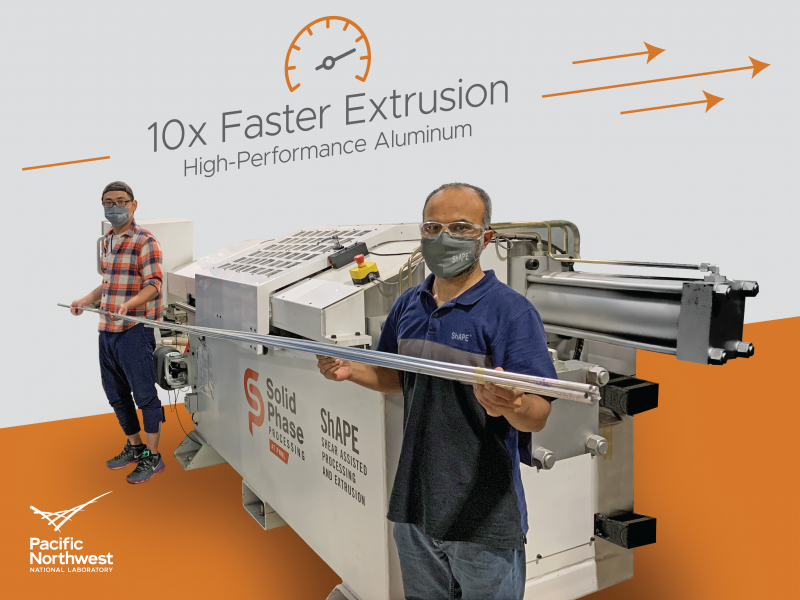
Rotational Hammer Riveting, developed by PNNL, joins dissimilar materials quickly without preheating rivets. The friction-based riveting enables use of lightweight magnesium rivets and also works on aluminum and speeds manufacturing.
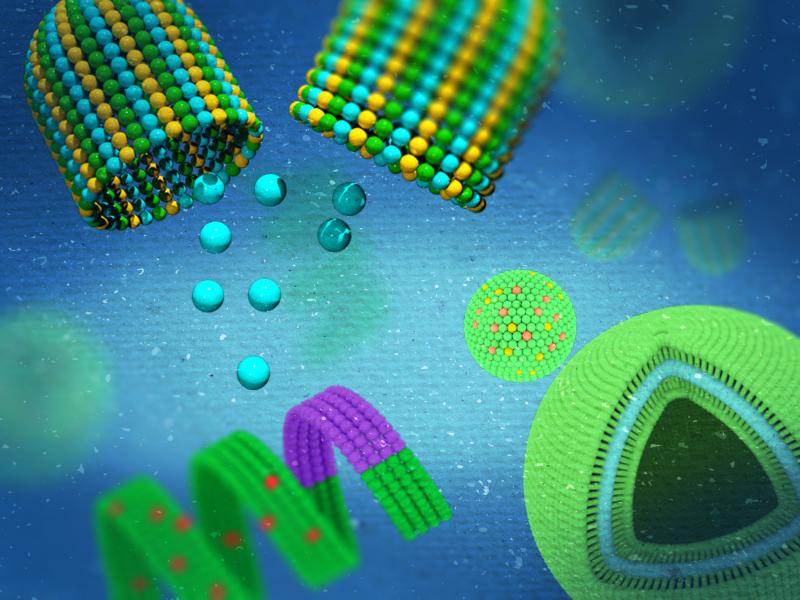
IDREAM study characterizes chemical species and mechanisms that control aluminum salt and mineral crystallization for nuclear waste retrieval, processing.
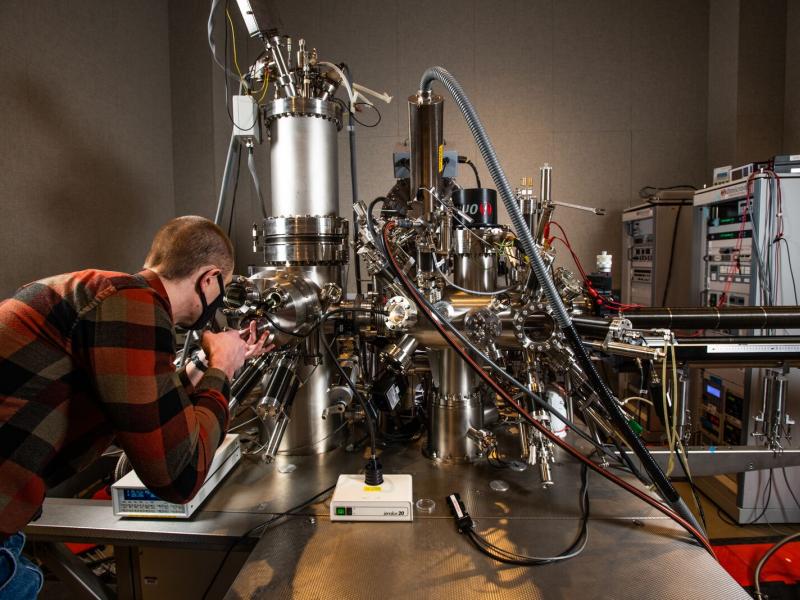
PNNL’s data-infused approach to electron microscopes’ use in scientific experimentation will help researchers and industry interpret large data streams and drive down costs.
Researchers developed two solutions for air-conditioning—a novel, energy-efficient dehumidification system and a technology to detect refrigerant leaks. Both help increase energy-efficiency and reduce costs.
New study elucidates the complex relaxation kinetics of supercooled water using a pulsed laser heating technique at previously inaccessible temperatures.
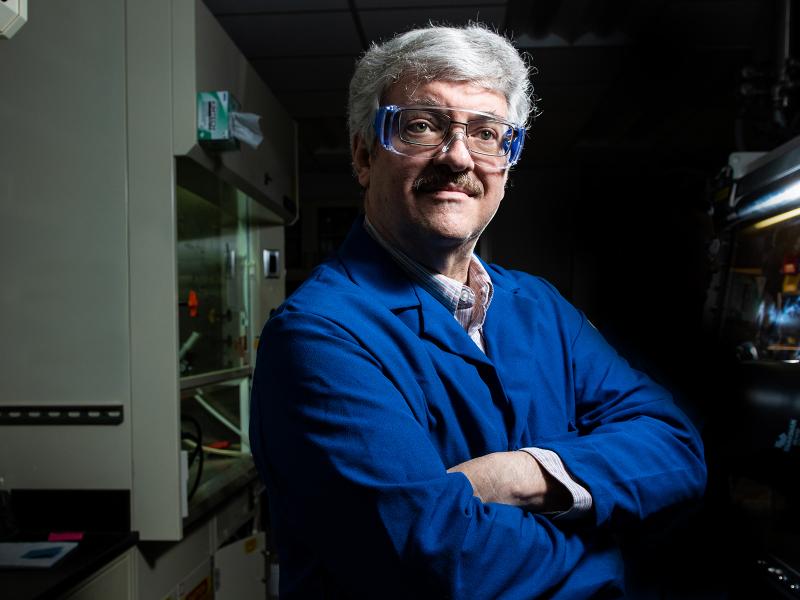
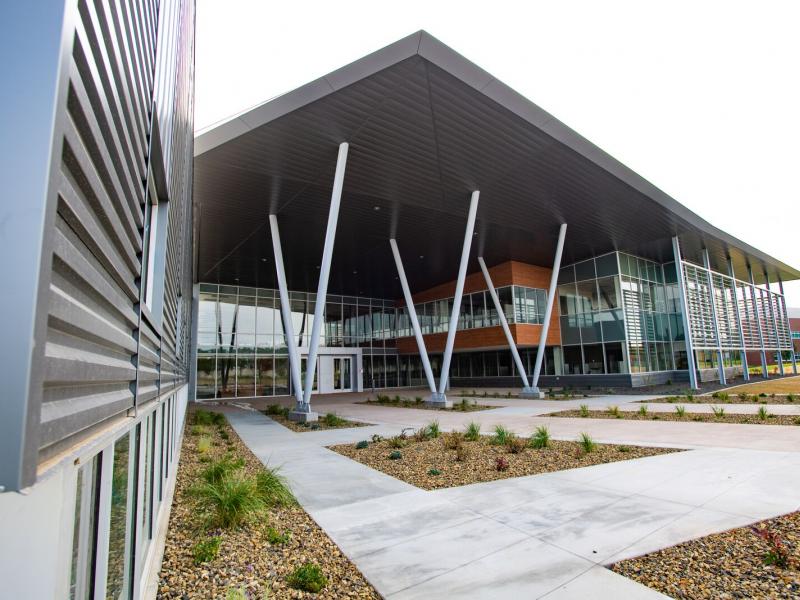
Bojana Ginovska leads a physical biosciences research team headed for PNNL's new Energy Sciences Center. She uses the transformative power of molecular catalysis and enzymes to explore scientific principles.
Three recent doctoral graduates are beginning their research careers at Pacific Northwest National Laboratory after completing the WSU-PNNL Distinguished Graduate Research Program this spring.
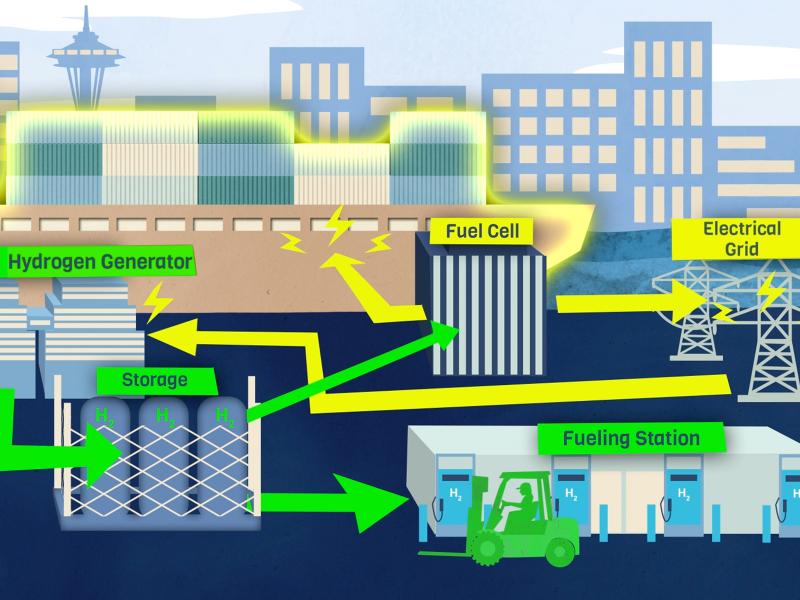
PNNL’s new Hydrogen Energy Storage Evaluation Tool allows users to examine multiple energy delivery pathways and grid applications to maximize benefits.