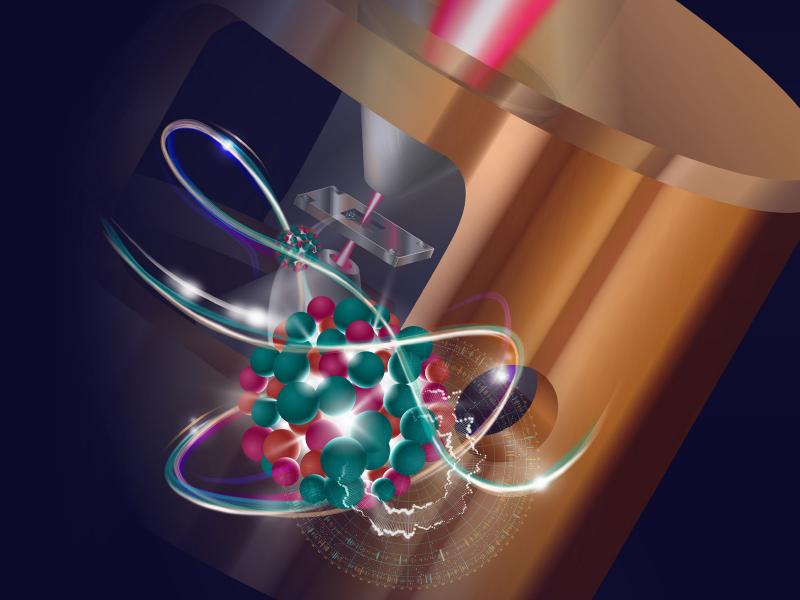
PNNL’s Steven Spurgeon, a materials scientist, was recently elected leader of the Microscopy Society of America (MSA) aberration-corrected microscopy focused interest group.
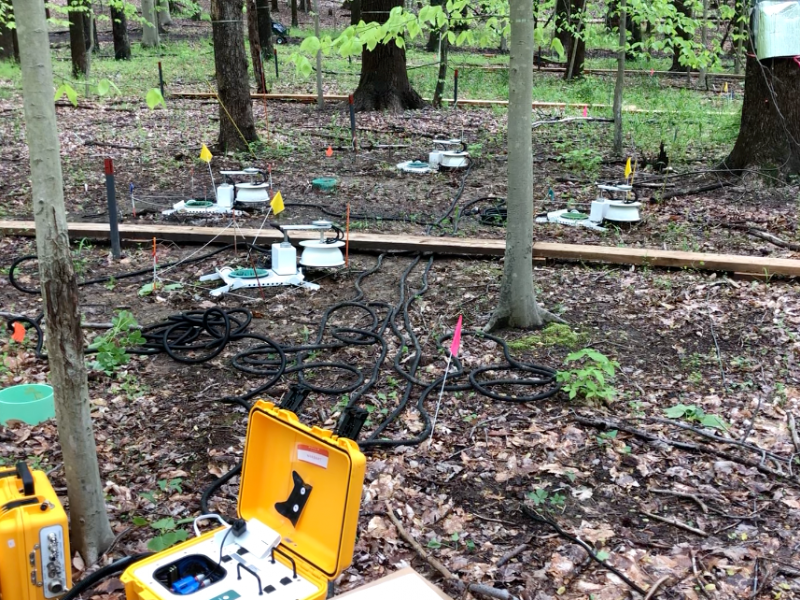
Researchers introduced a simulated carbon cycle to the Energy Exascale Earth System Model, broadening its utility and enabling new research directions.
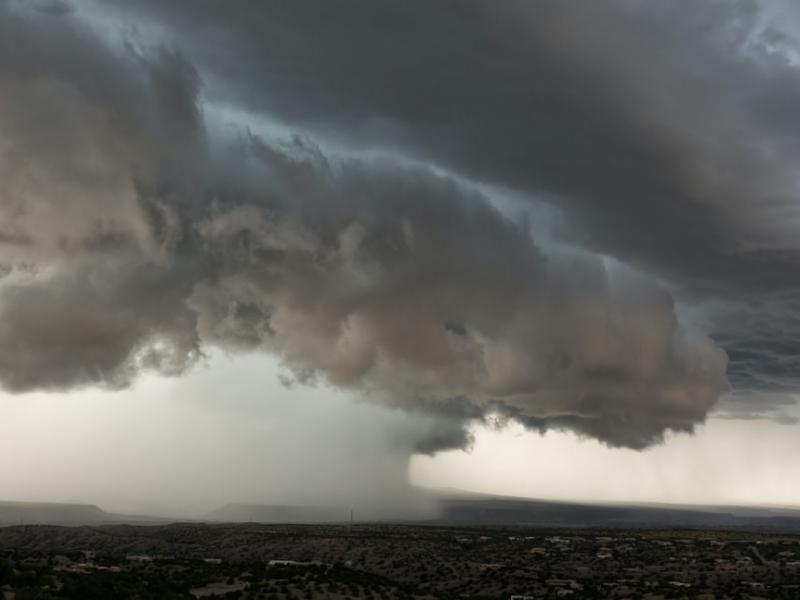
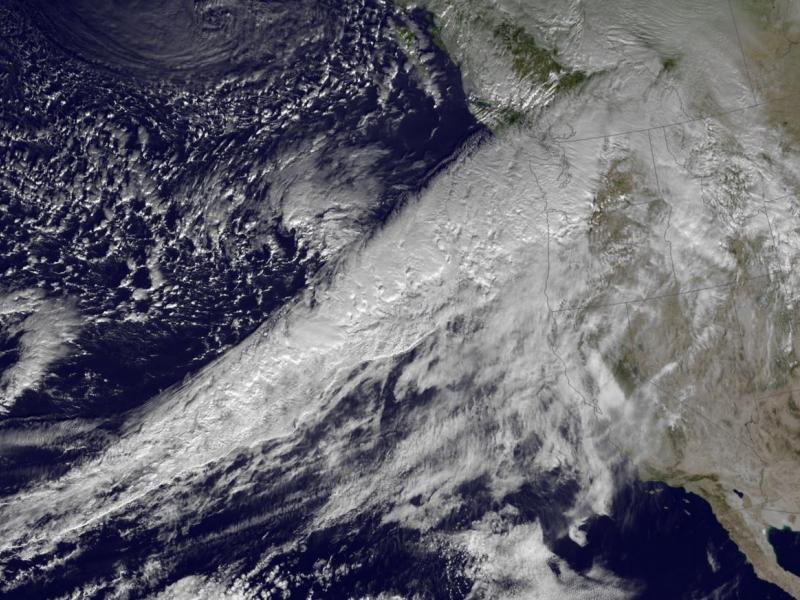
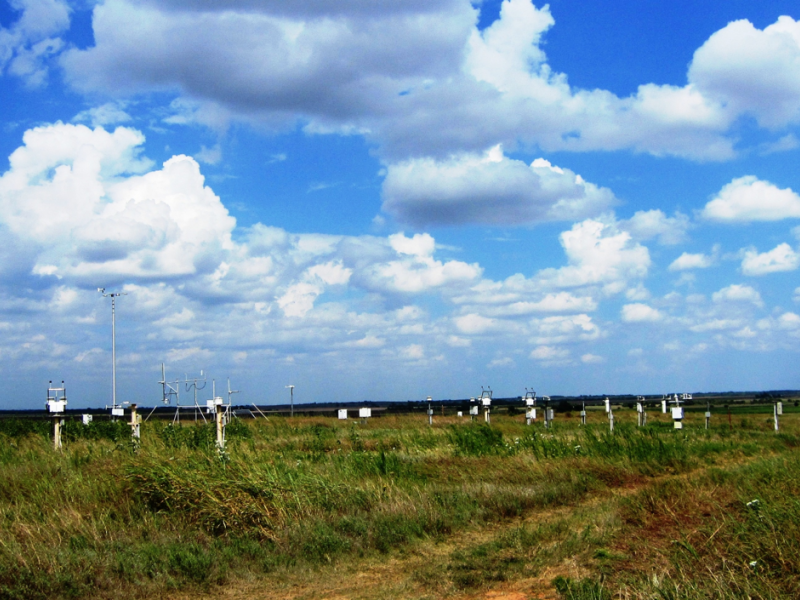
Differences in the rainfall intensity of mesoscale convective systems and other types of warm—season rainfall in the central United States lead to differences in their impacts over land.
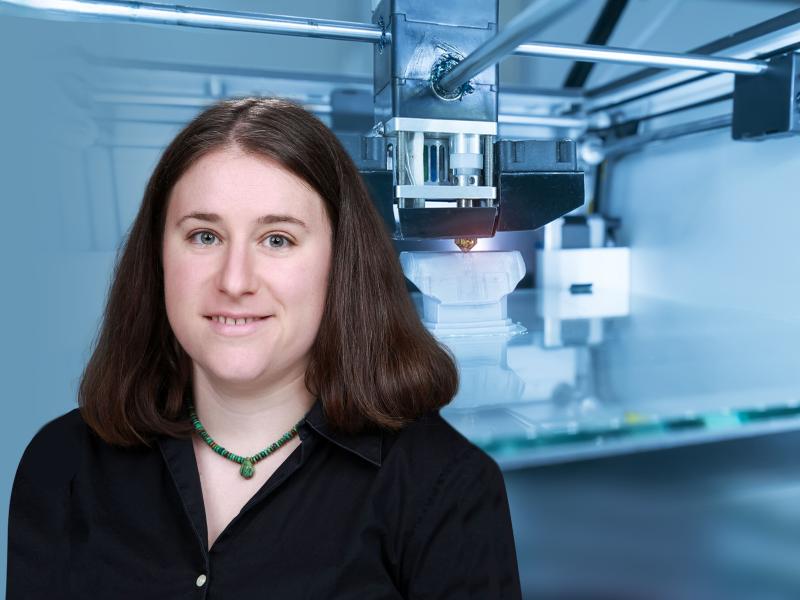
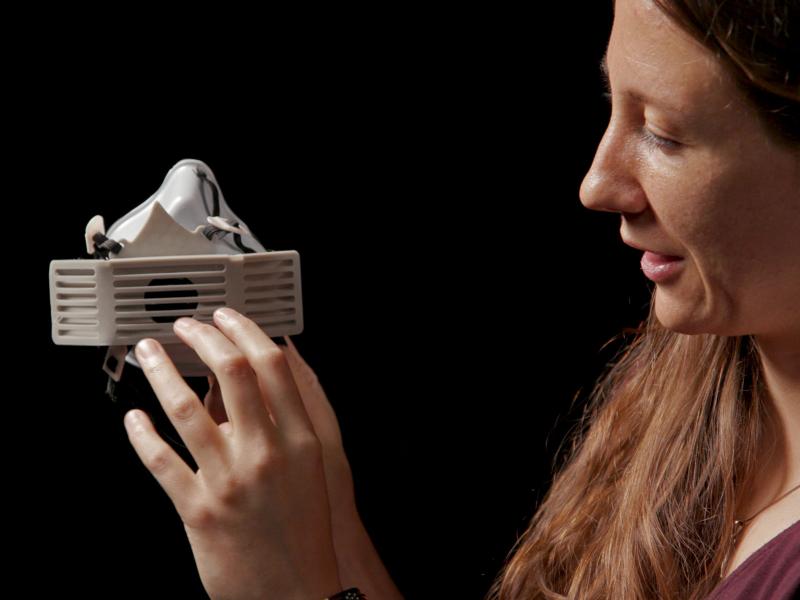
In a new video series, PNNL is highlighting six scientific and technical experts in the national security domain throughout the fall. Each was promoted to scientist and engineer Level 5, one of PNNL’s most senior research roles.
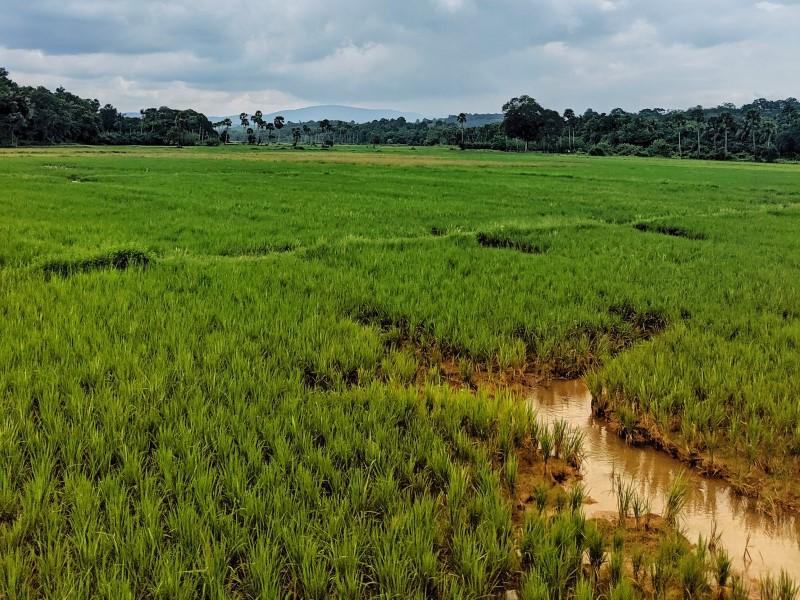
PNNL researchers used the Global Change Analysis Model (GCAM) to explore 15 different global scenarios that consisted of combinations of five different socioeconomic futures and four different climatic futures.
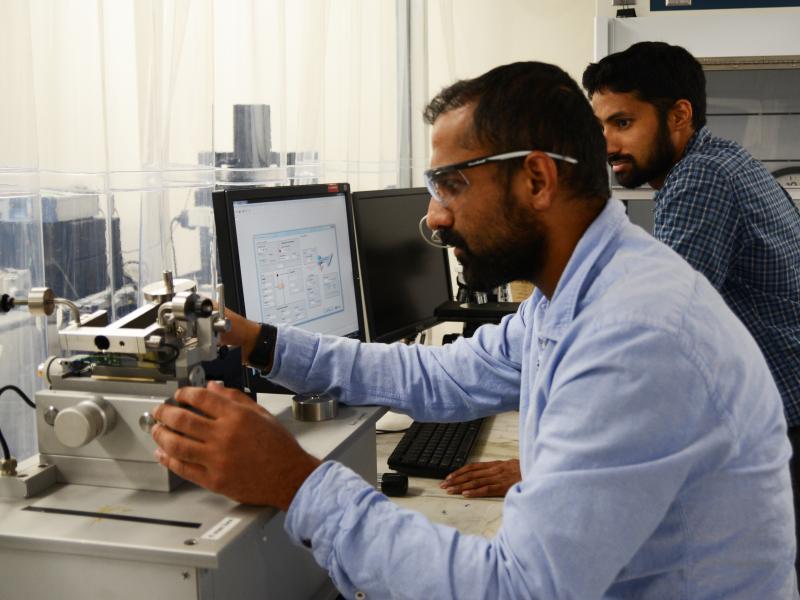
Infusing data science and artificial intelligence into electron microscopy could advance energy storage, quantum information science, and materials design.