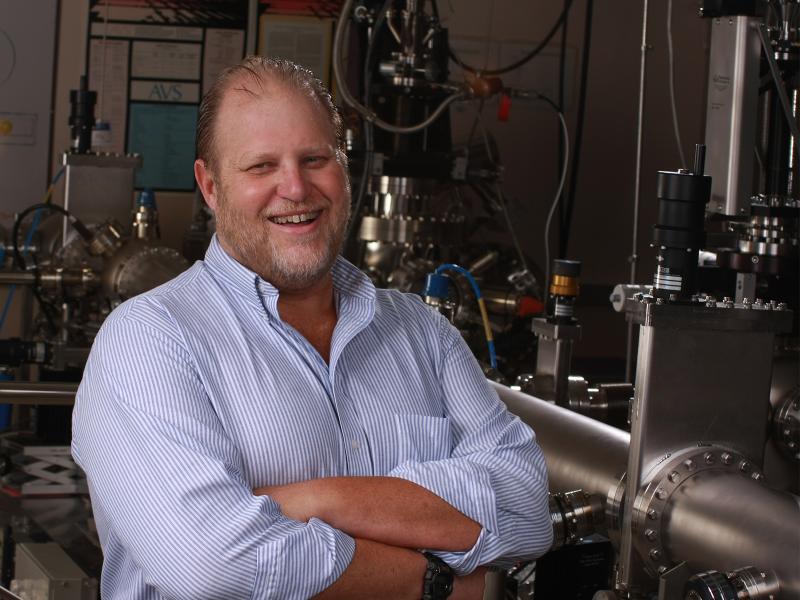
Beginning in 2021, PNNL chemical physicist Bruce Kay begins a three-year term as an AVS trustee, part of a six-member committee responsible for overseeing the administration of student scholarships and major society awards.
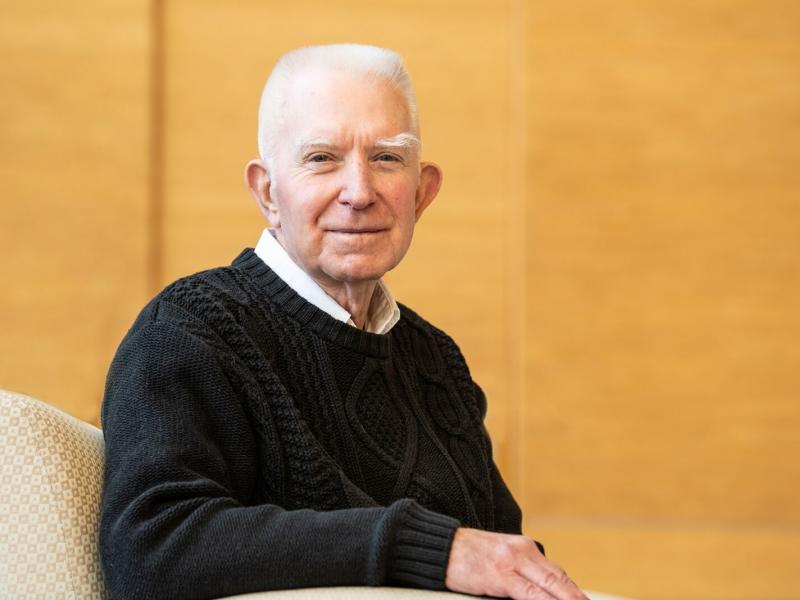
Project manager Larry Morgan has spent half a century at Pacific Northwest National Laboratory—marking one of the longest tenures in the laboratory’s history.
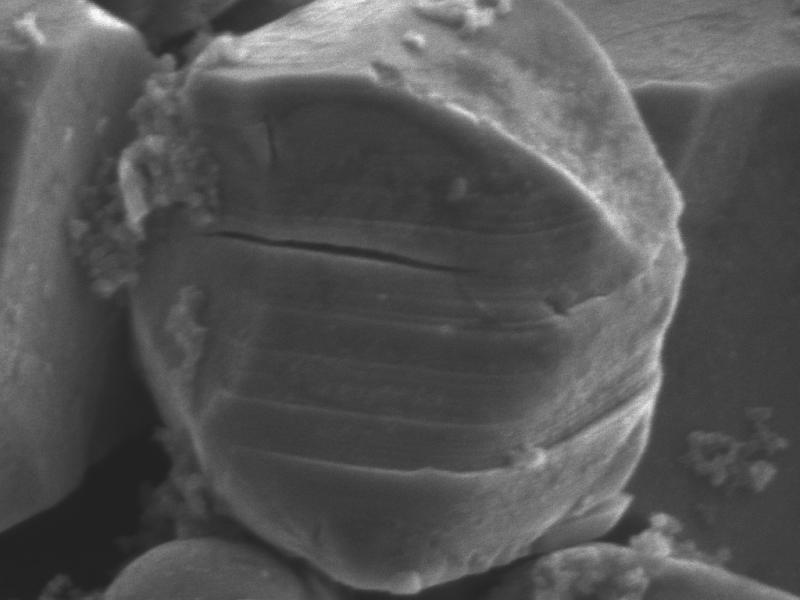
Scientists have created a single-crystal, nickel-rich cathode that is hardier and more efficient than before—important progress on the road to better lithium-ion batteries for electric vehicles.
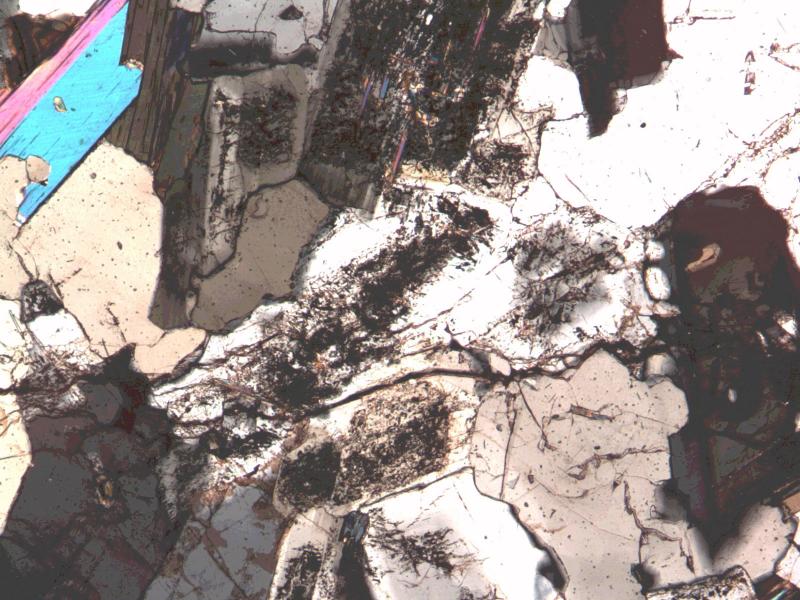
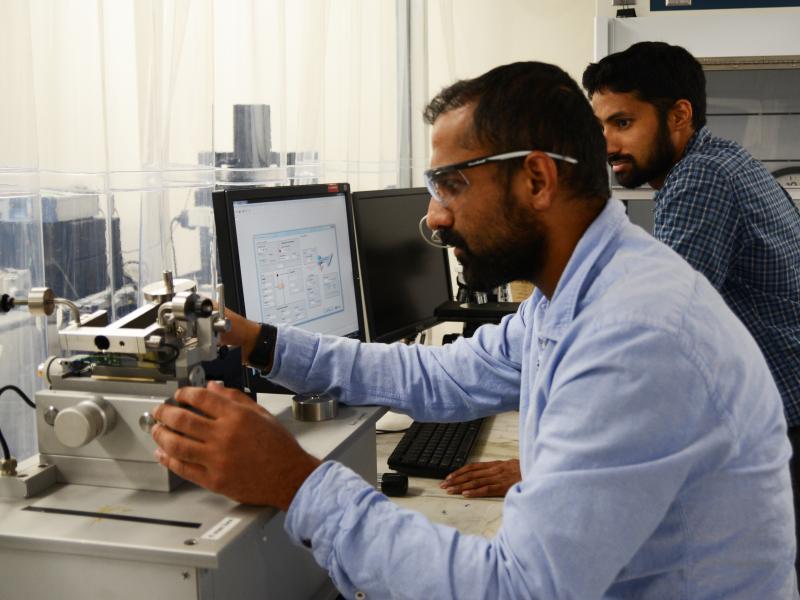
A research team from Pacific Northwest National Laboratory developed an apparatus that evaluates the performance of high-temperature fluids in hydraulic fracturing for enhanced geothermal systems.
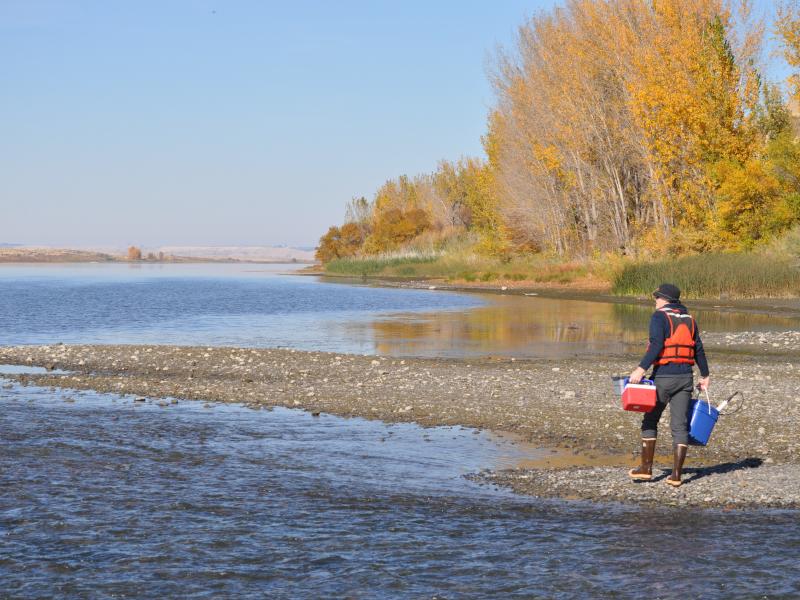
The map fills in a portion of the study site missing from sampling studies and enables a better understanding of hydrological dynamics in a complex river corridor.
This committee represents the country’s soil science community in the International Union of Soil Sciences, advises The National Academies, and communicates with professional societies and organizations.
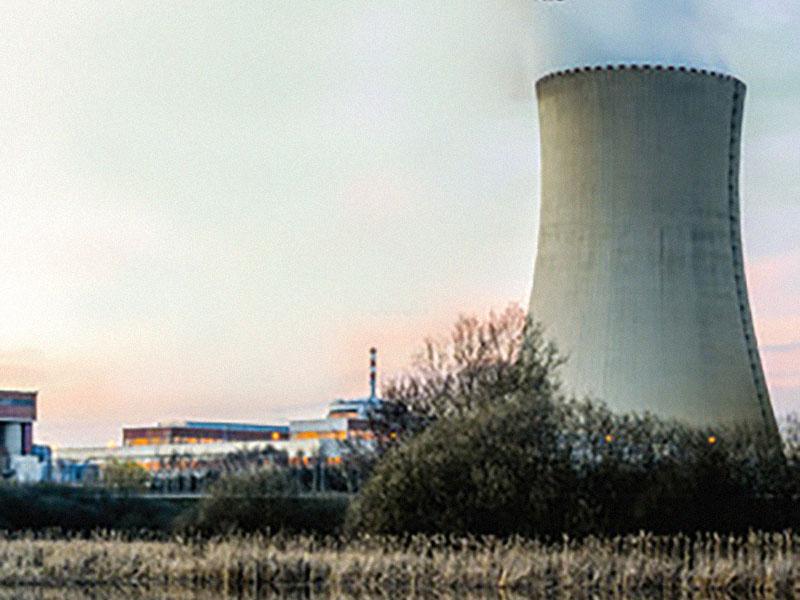
Magazine cover article—“Combating corrosion in the world’s nuclear reactors”—features PNNL research leaders Mark Nutt, Aaron Diaz, and Mychailo Toloczko.
PNNL’s Steven Spurgeon, a materials scientist, was recently elected leader of the Microscopy Society of America (MSA) aberration-corrected microscopy focused interest group.
In a new video series, PNNL is highlighting six scientific and technical experts in the national security domain throughout the fall. Each was promoted to scientist and engineer Level 5, one of PNNL’s most senior research roles.
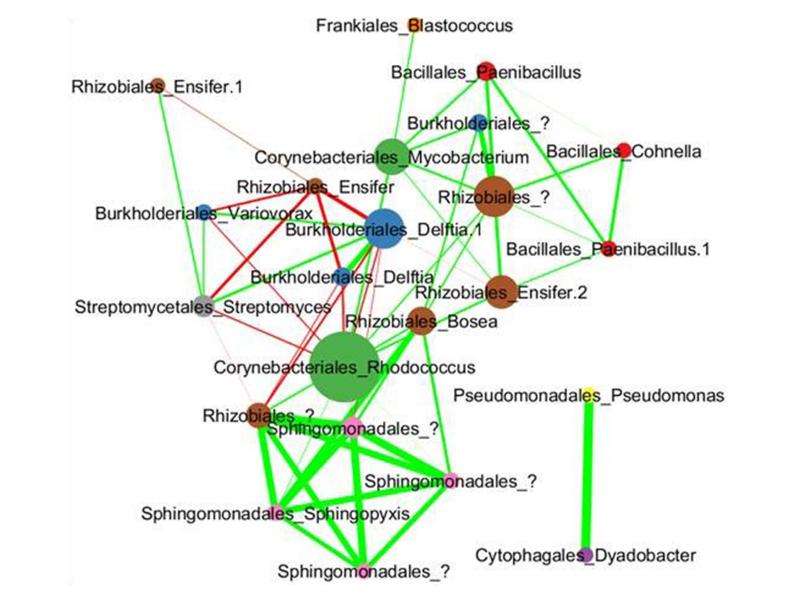
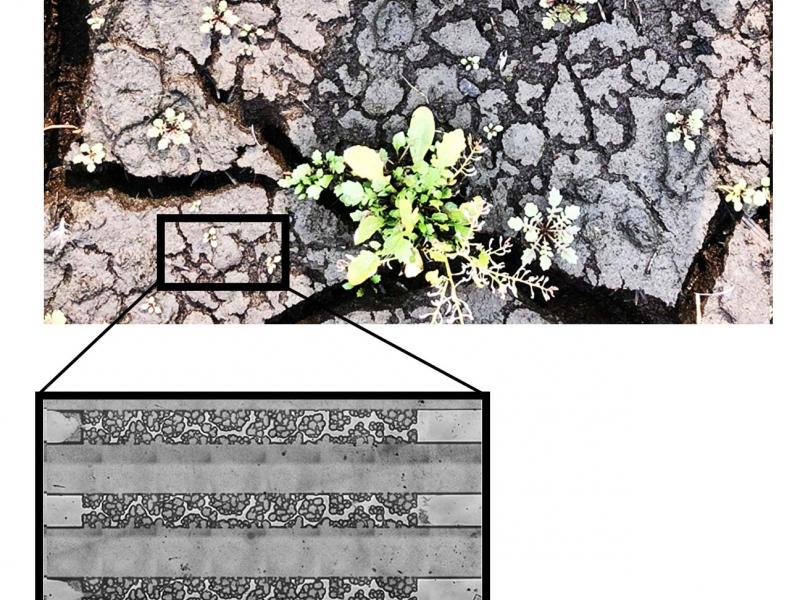
Soil microbial communities produced more water retaining molecules when enriched with insoluble organic carbon, chitin, compared to a soluble carbon source, N-acetylglucosamine.