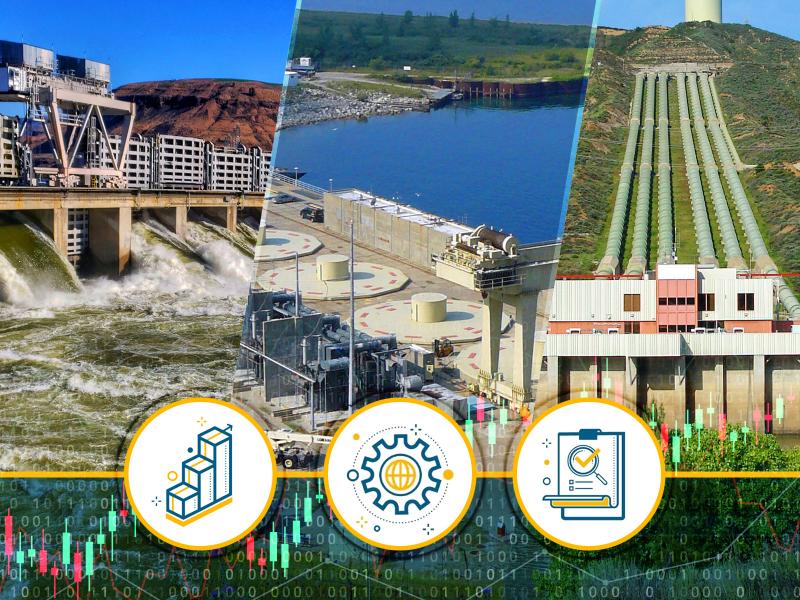
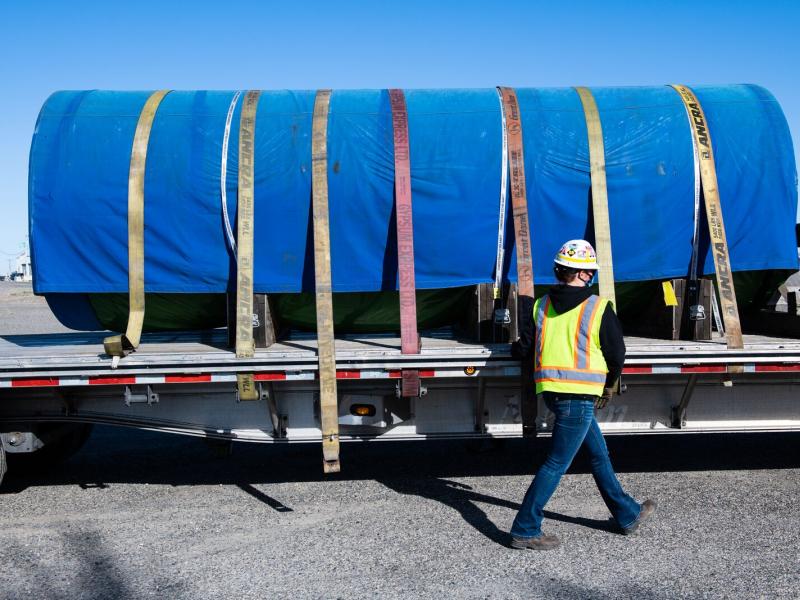
PNNL has published a report that sets the foundation for modeling gaps and technical challenges in optimizing hydropower operations for both energy production and water management.
California and other areas of the U.S. Southwest may see less future winter precipitation than previously projected by climate models, according to new research that corrects for a long-standing model error: the double-ITCZ bias.
Beginning in 2021, PNNL chemical physicist Bruce Kay begins a three-year term as an AVS trustee, part of a six-member committee responsible for overseeing the administration of student scholarships and major society awards.
Project manager Larry Morgan has spent half a century at Pacific Northwest National Laboratory—marking one of the longest tenures in the laboratory’s history.
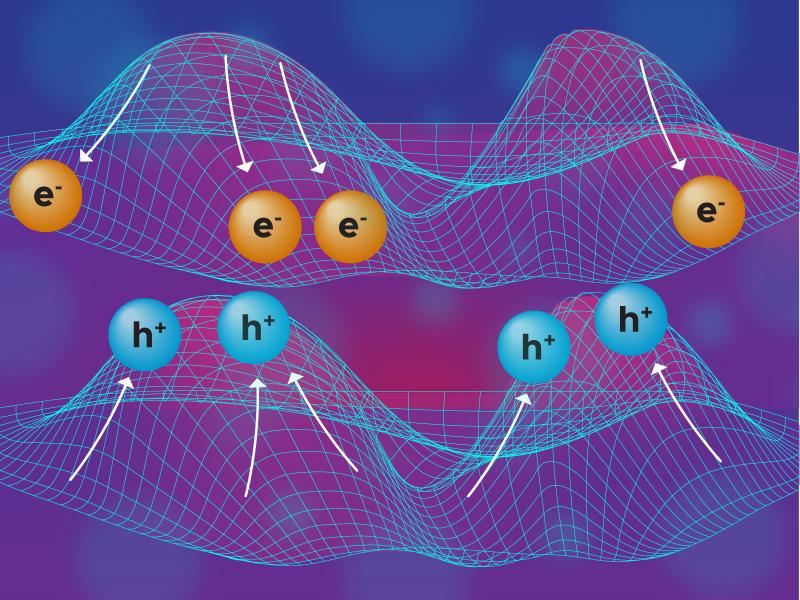
Scientists have created a single-crystal, nickel-rich cathode that is hardier and more efficient than before—important progress on the road to better lithium-ion batteries for electric vehicles.
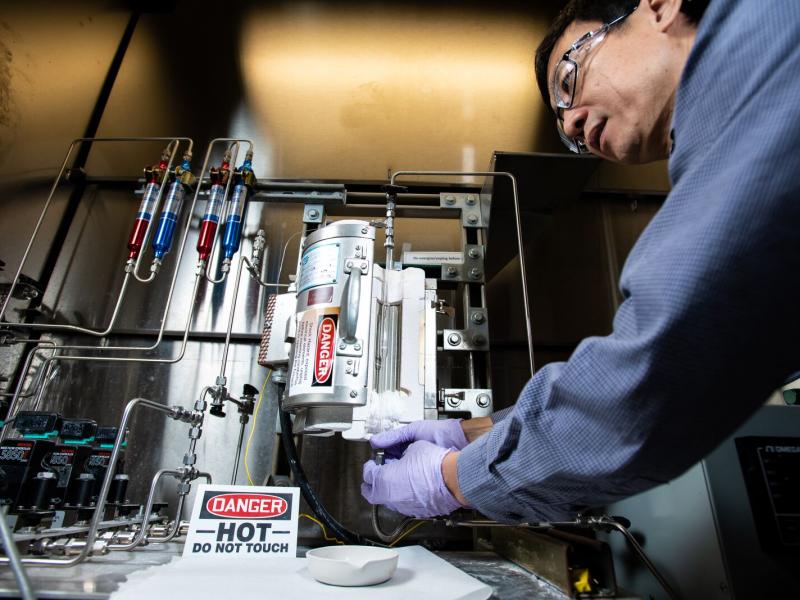
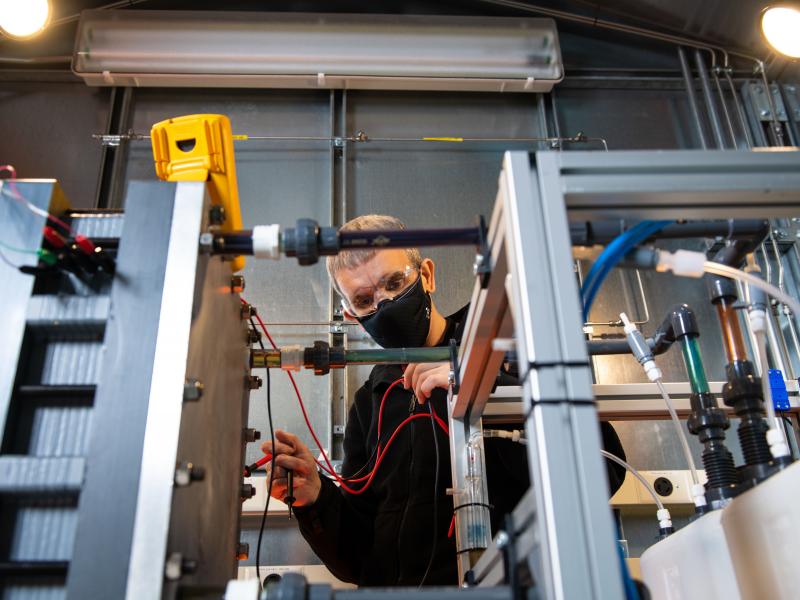
A research team from Pacific Northwest National Laboratory developed an apparatus that evaluates the performance of high-temperature fluids in hydraulic fracturing for enhanced geothermal systems.
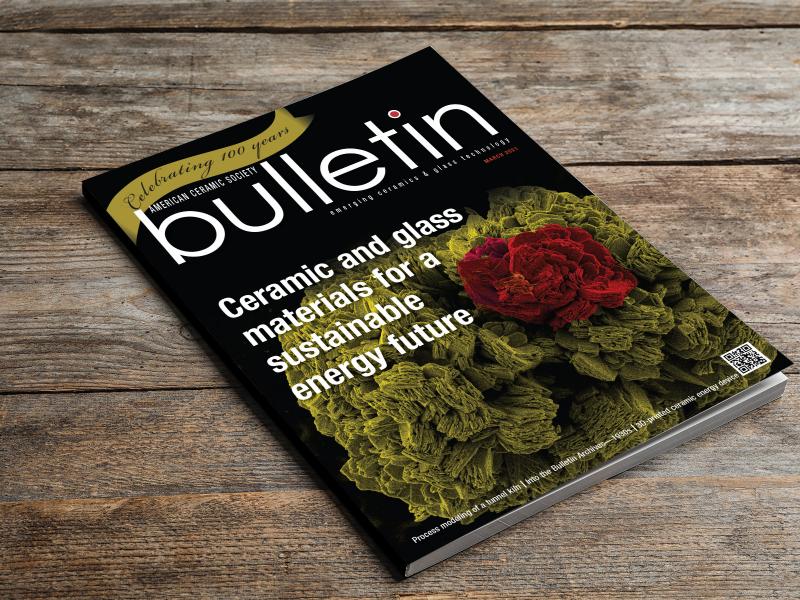
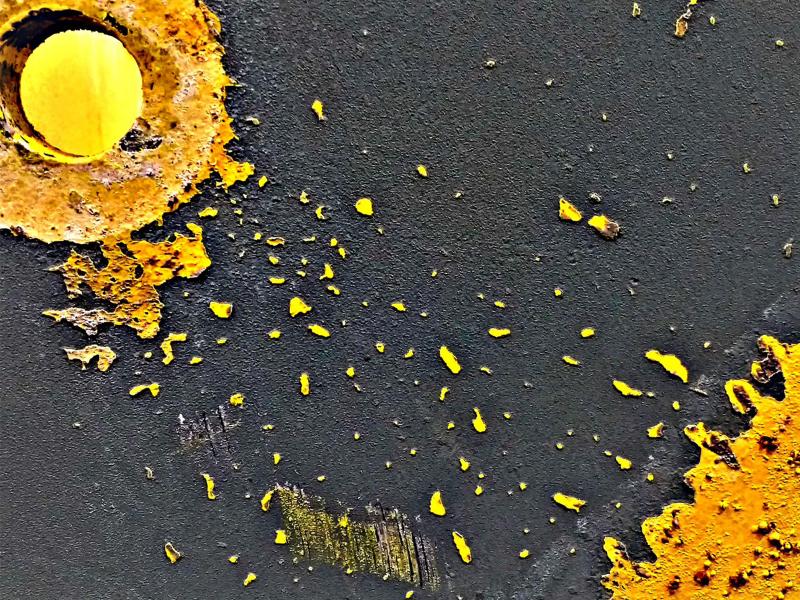
Magazine cover article—“Combating corrosion in the world’s nuclear reactors”—features PNNL research leaders Mark Nutt, Aaron Diaz, and Mychailo Toloczko.
PNNL’s Steven Spurgeon, a materials scientist, was recently elected leader of the Microscopy Society of America (MSA) aberration-corrected microscopy focused interest group.
Water and energy researchers are invited to join a new task force as a way to collaborate broadly on the intersection of the two topics. The task force is part of IEEE's Power and Energy Society and was launched by PNNL and UU researchers.
In a new video series, PNNL is highlighting six scientific and technical experts in the national security domain throughout the fall. Each was promoted to scientist and engineer Level 5, one of PNNL’s most senior research roles.