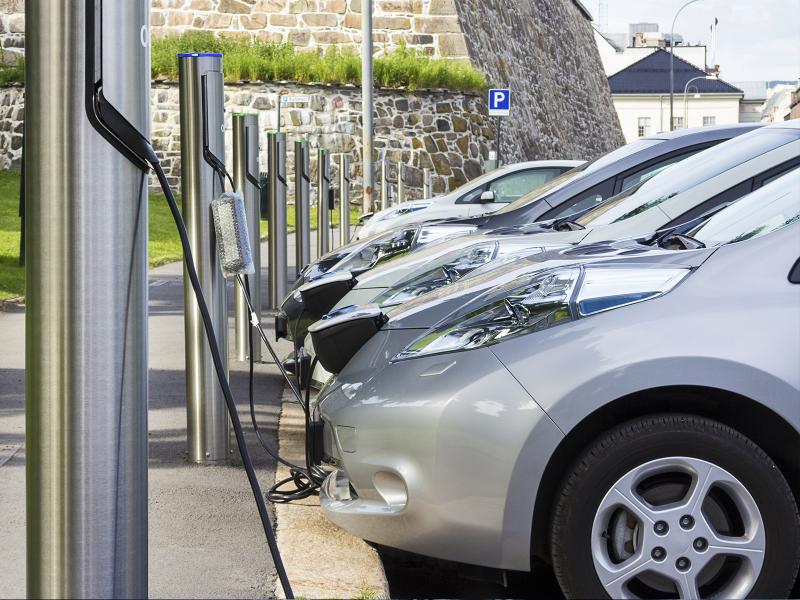
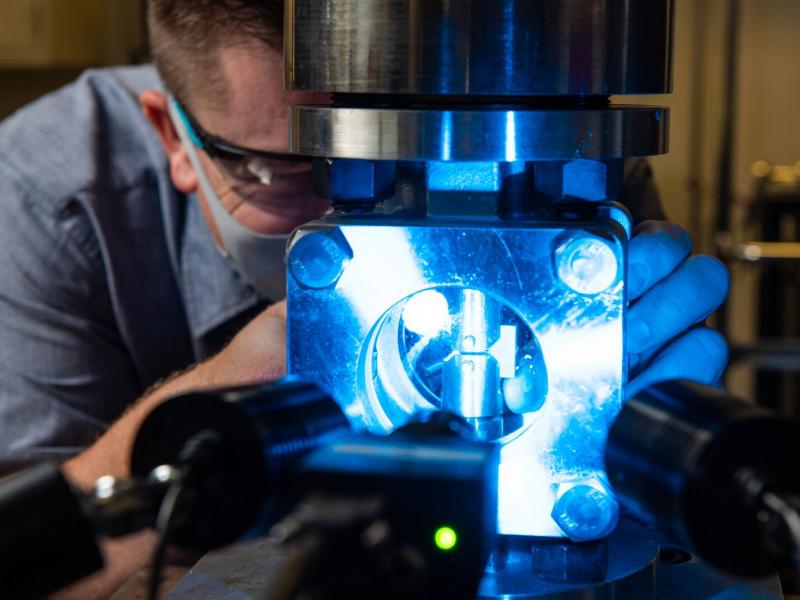
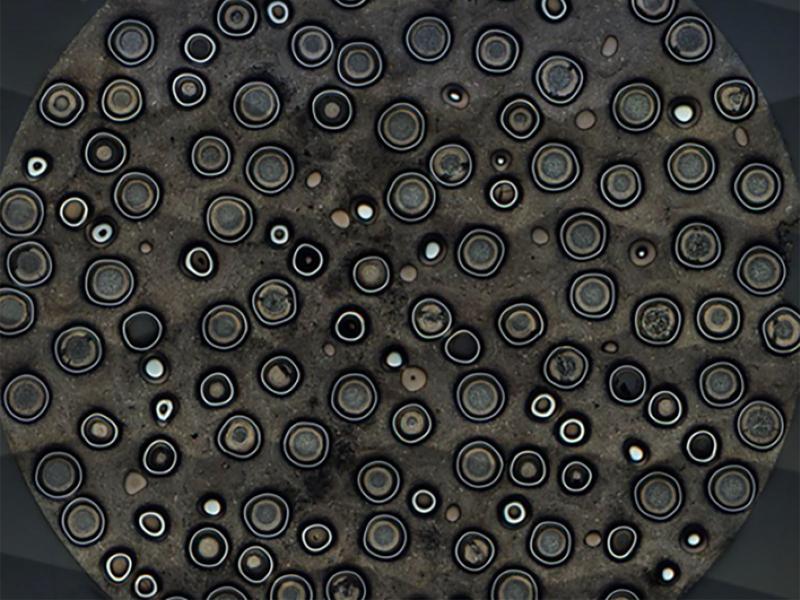
When it comes to hydrogen compatibility, all rubbers are not created equal. New research hints at pathways to improve the durability of rubber-based materials in hydrogen infrastructure.
PNNL paper in Nuclear Technology journal unveils modeling possibilities for TRISO used fuel, implications for reactor planning, and resulting carbon-free nuclear energy.
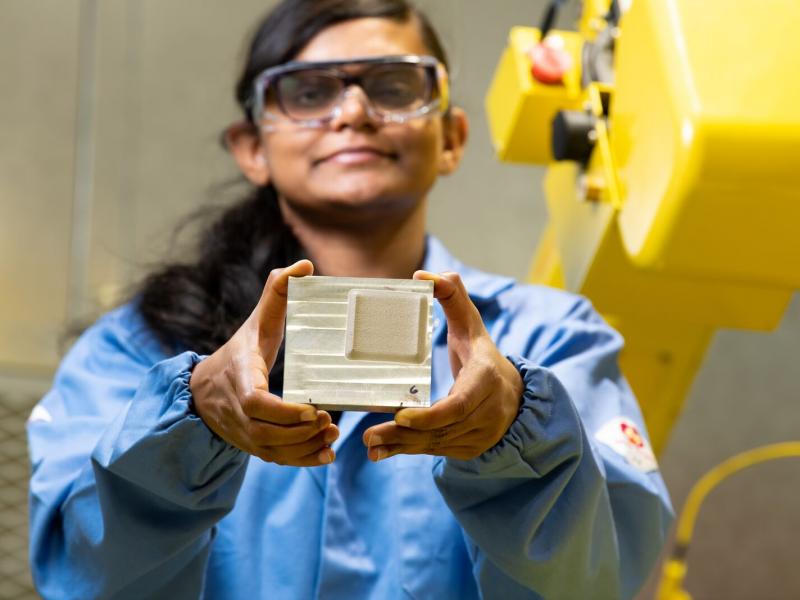
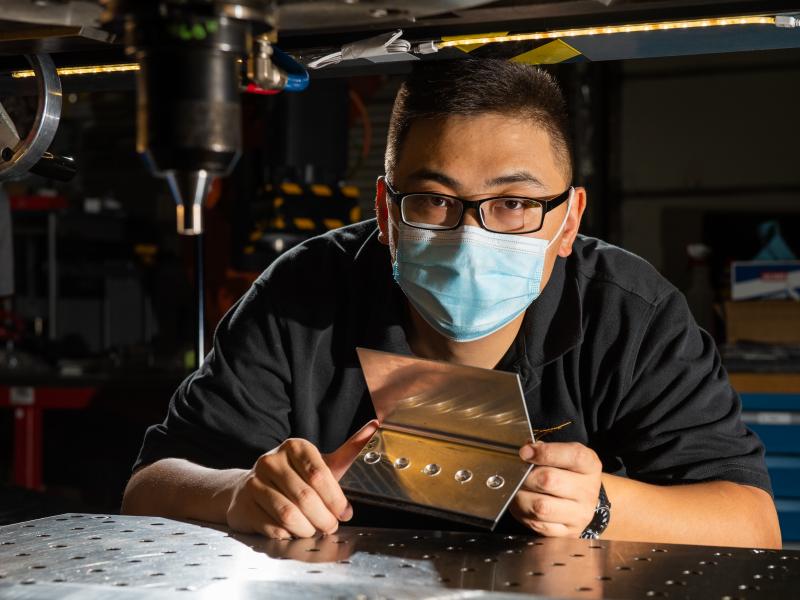
Rotational Hammer Riveting, developed by PNNL, joins dissimilar materials quickly without preheating rivets. The friction-based riveting enables use of lightweight magnesium rivets and also works on aluminum and speeds manufacturing.
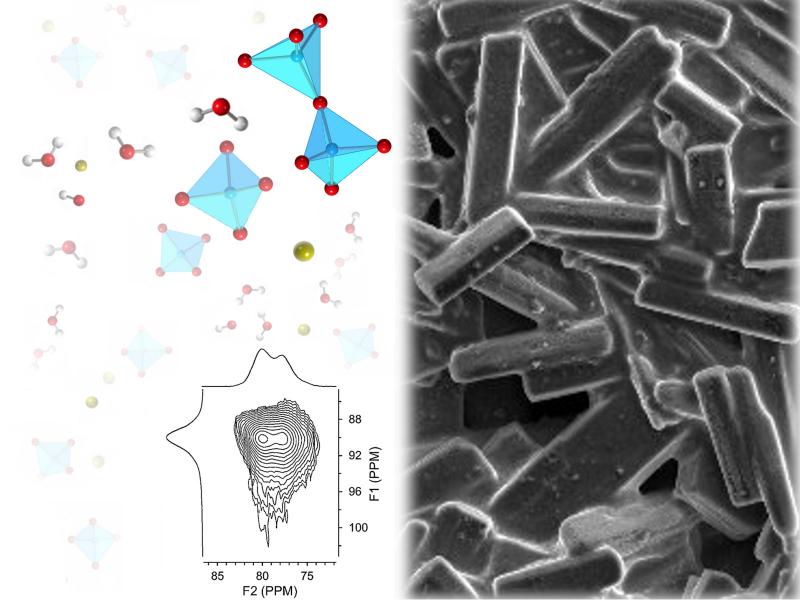
IDREAM study characterizes chemical species and mechanisms that control aluminum salt and mineral crystallization for nuclear waste retrieval, processing.
2021 marks the largest cohort of PNNL authors and co-authors to be recognized at annual Waste Management Symposia for environmental management research.
PNNL’s data-infused approach to electron microscopes’ use in scientific experimentation will help researchers and industry interpret large data streams and drive down costs.
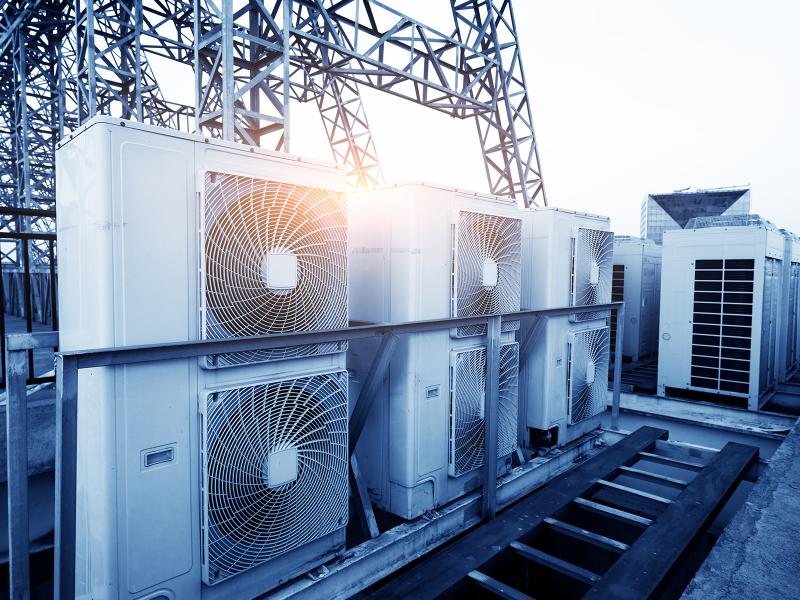
Researchers developed two solutions for air-conditioning—a novel, energy-efficient dehumidification system and a technology to detect refrigerant leaks. Both help increase energy-efficiency and reduce costs.