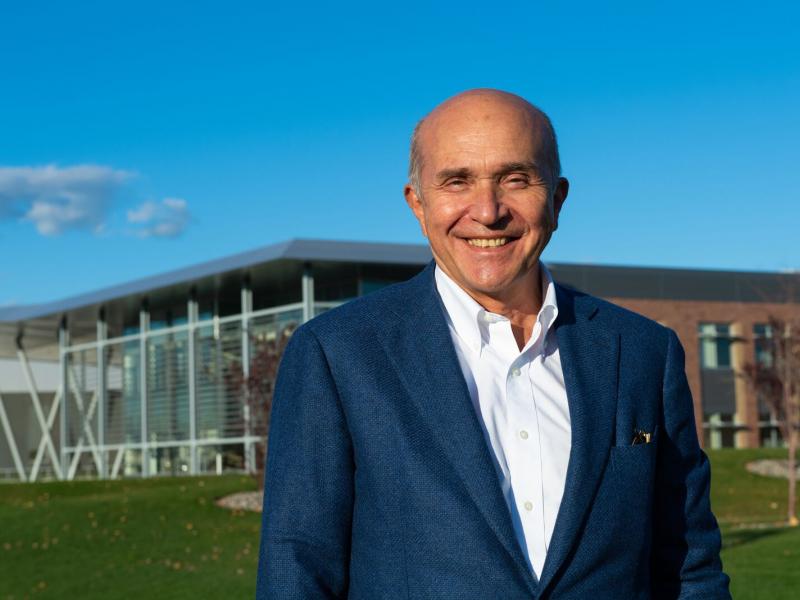
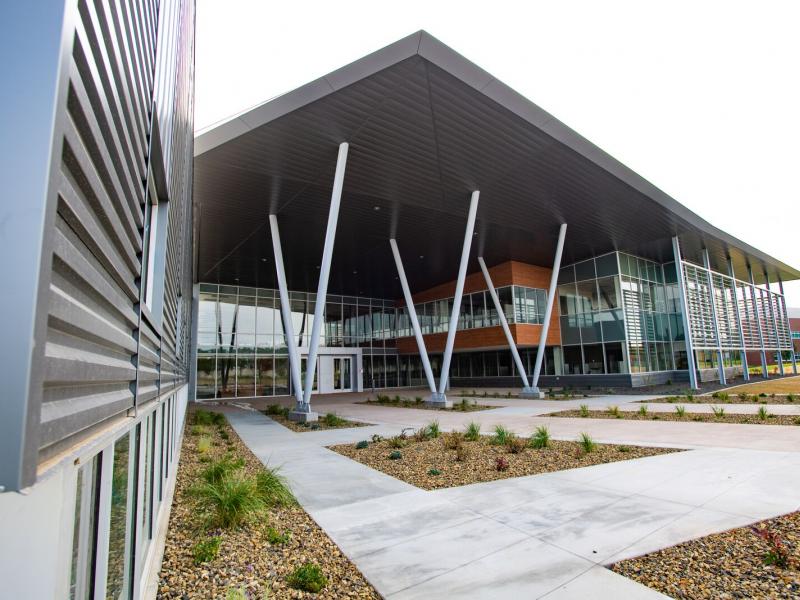
Johannes Lercher, Battelle Fellow and director of the PNNL Institute for Integrated Catalysis, envisions energy storage solutions at the new Energy Sciences Center.
A PNNL study has shown the nation’s wastewater resource recovery facilities could generate revenue by converting sludge into biofuel—while significantly reducing disposal costs—using an in-house-developed technology.
PNNL has published a workshop report that outlines recommended actions to bring sustainable aviation fuel to the airline industry, using a PNNL-developed technology.
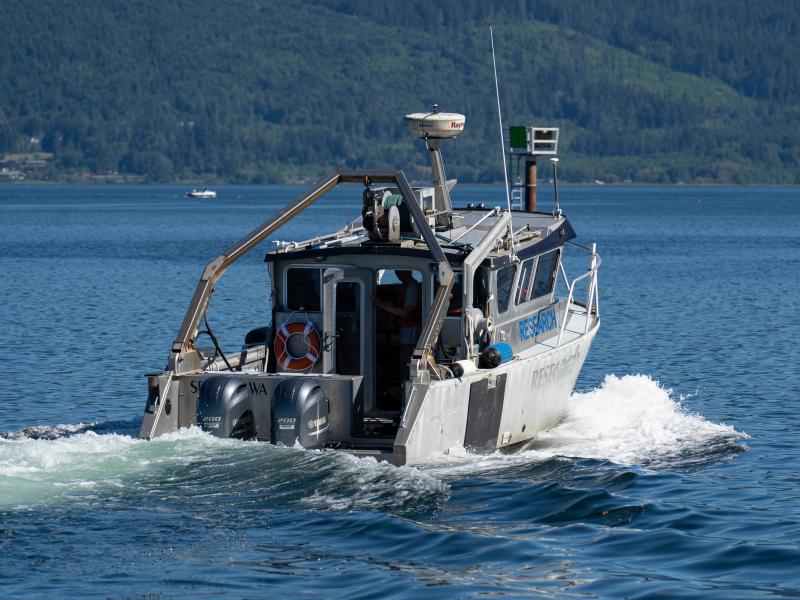
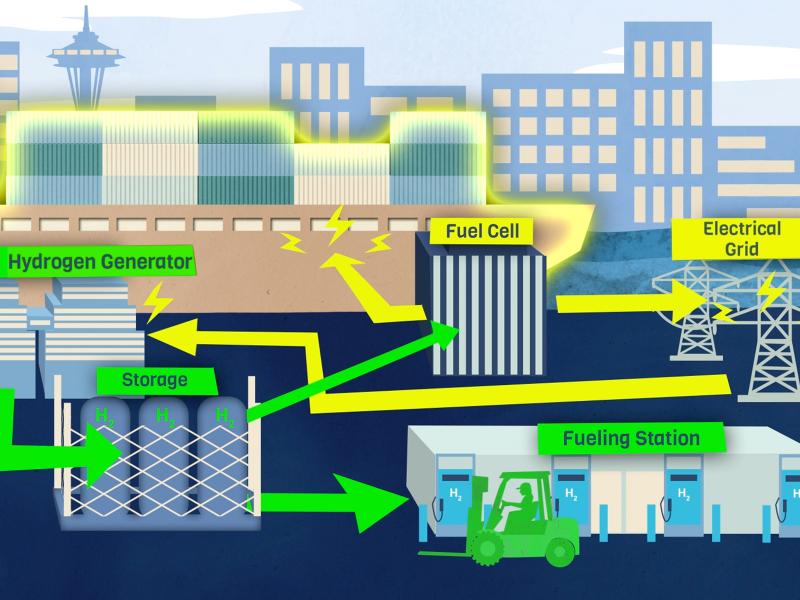
A research team is exploring the safety and feasibility of clean hydrogen to replace some fossil fuel in medium- and heavy-duty vehicles and maritime uses at the Port of Seattle.
Molly Grear, an ocean engineer in the Coastal Sciences Division at PNNL, recently helped middle school summer science camp students from Blatchley Middle School in Sitka, Alaska, design their own energy wave converters.
PNNL has received 119 R&D 100 Awards since 1969, when the laboratory began submitting entries in the contest that recognizes top 100 inventions each year.
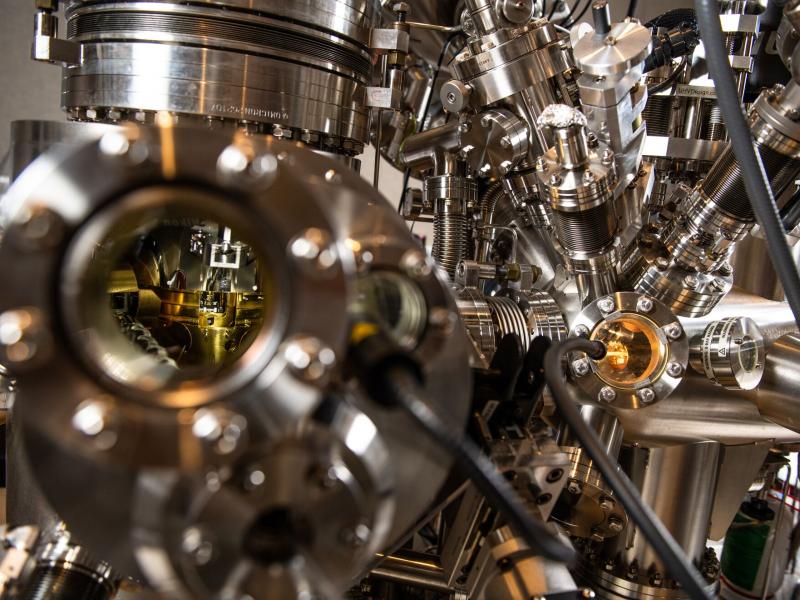
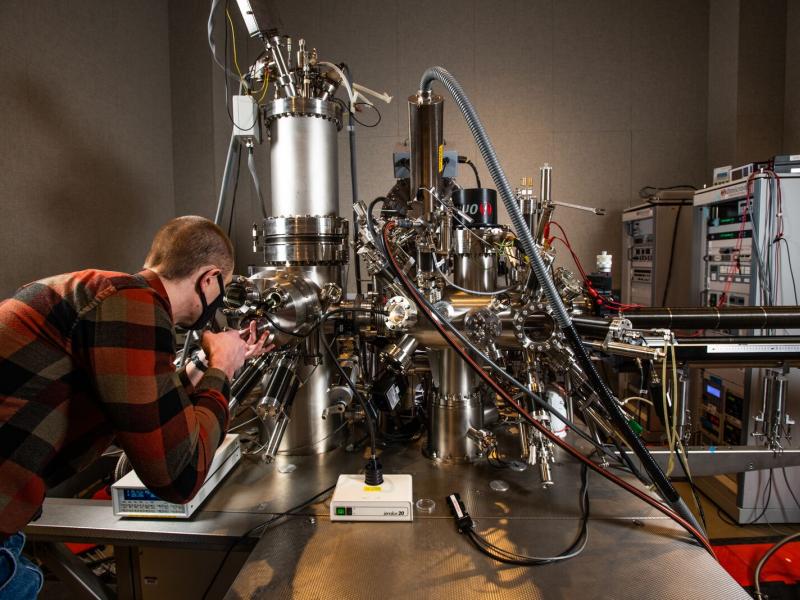
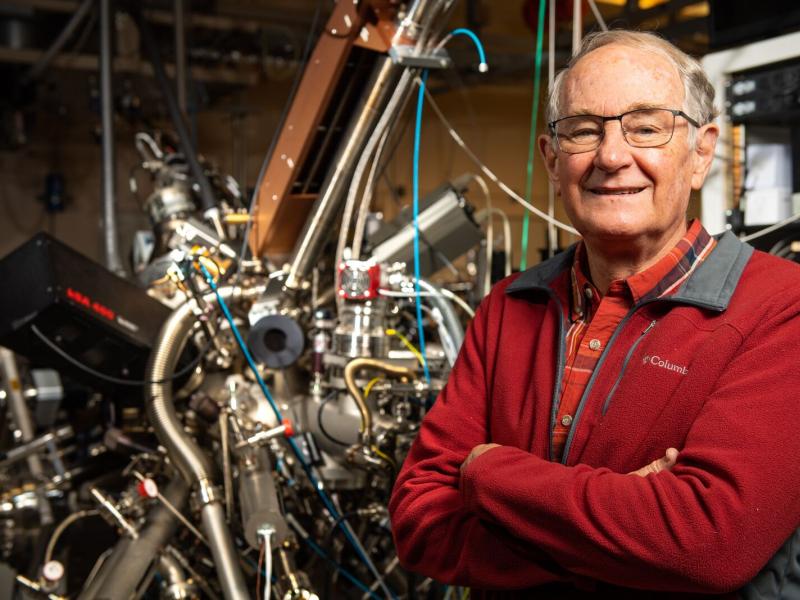
Scott Chambers creates layered structures of thin metal oxide films and studies their properties, creating materials not found in nature. He will soon move his instrumentation and research to the new Energy Sciences Center.
Incorporating green infrastructure into flood protection plans alongside gray infrastructure can shield communities, reduce maintenance, and provide additional social and environmental benefits.
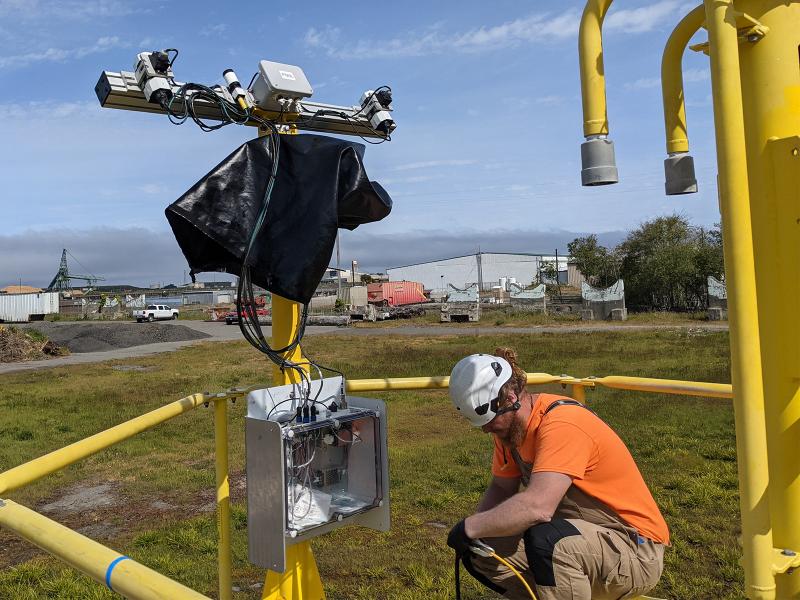
PNNL has paired one of its offshore wind research buoys with its ThermalTracker-3D technology to correlate avian activity with ocean and weather conditions off the California coast.
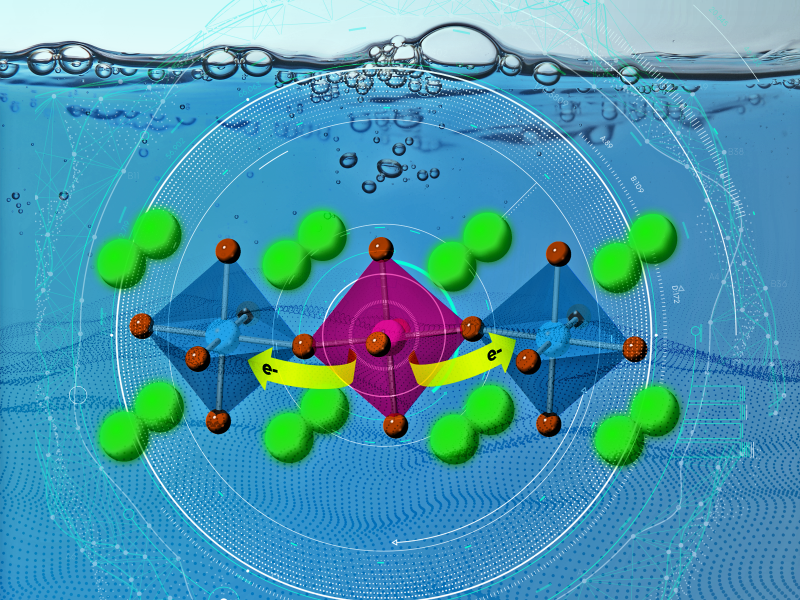
Creating films with atomic precision allows researchers moving to the Energy Sciences Center to identify small, but important changes in the materials.