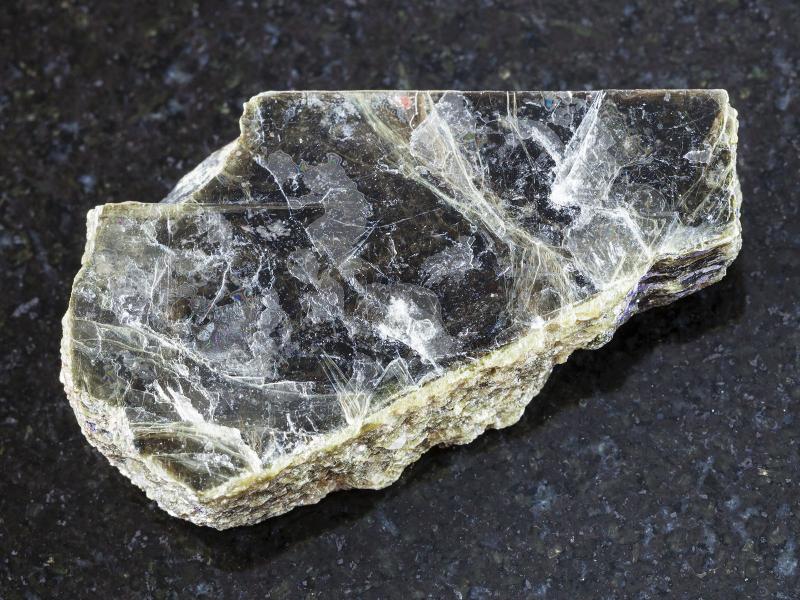
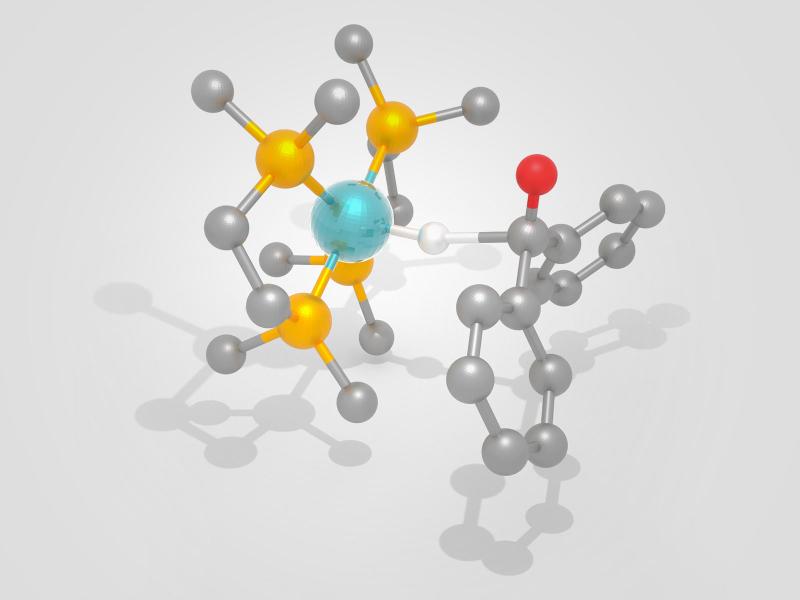
A team of scientists at PNNL developed new computational models to predict the behavior of these impurities and reduce the expense and risk related to actinide metal production.
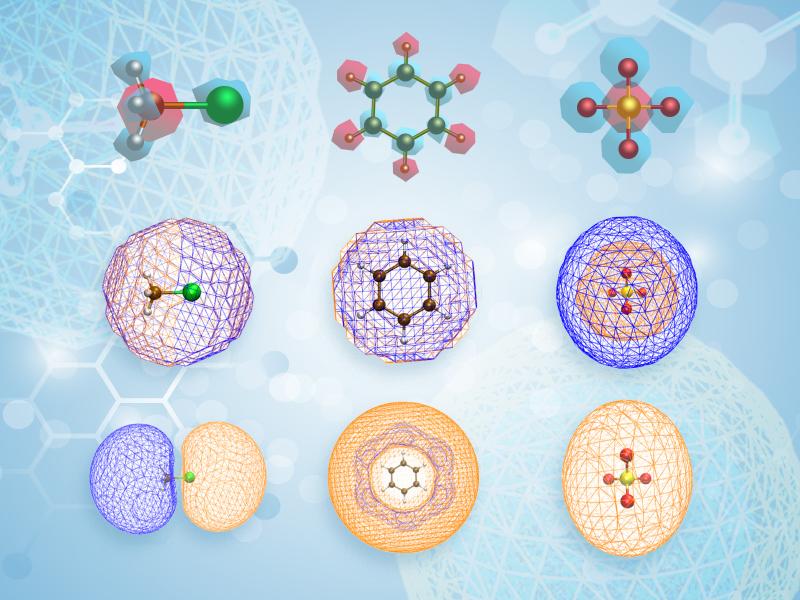
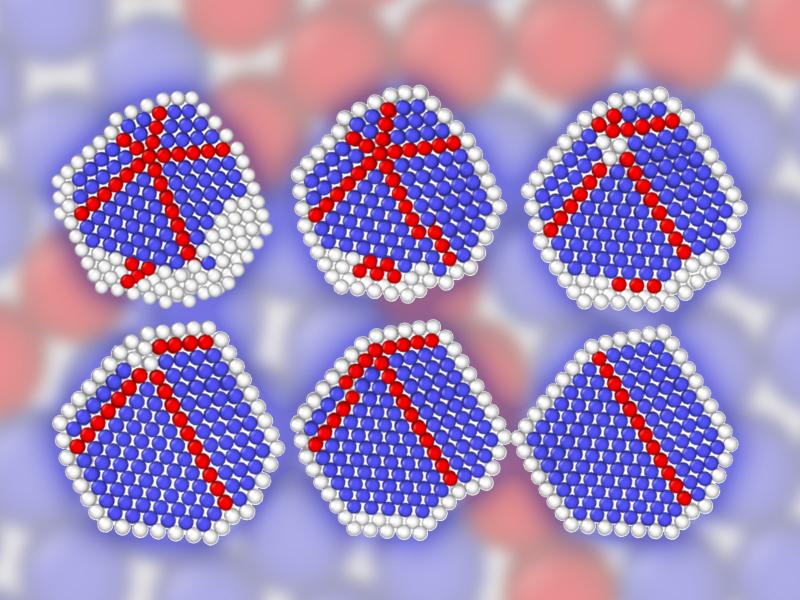
Resolving how nanoparticles come together is important for industry and environmental remediation. New work predicts nanoparticle aggregation behavior across a wide range of scales for the first time.
Robert Rallo from Pacific Northwest National Laboratory will direct a machine learning thrust for a new Department of Energy-funded project led by SLAC National Accelerator Laboratory.
Madalina Man, an international compliance analyst, recently lent her legal expertise to an International Atomic Energy Agency International Physical Protection Advisory Service Mission in Zambia.
Chanel Chauvet-Maldonado, nonproliferation policy and law analyst, completed the Organization for Economic Co-operation and Development Nuclear Energy Agency International School of Nuclear Law program.
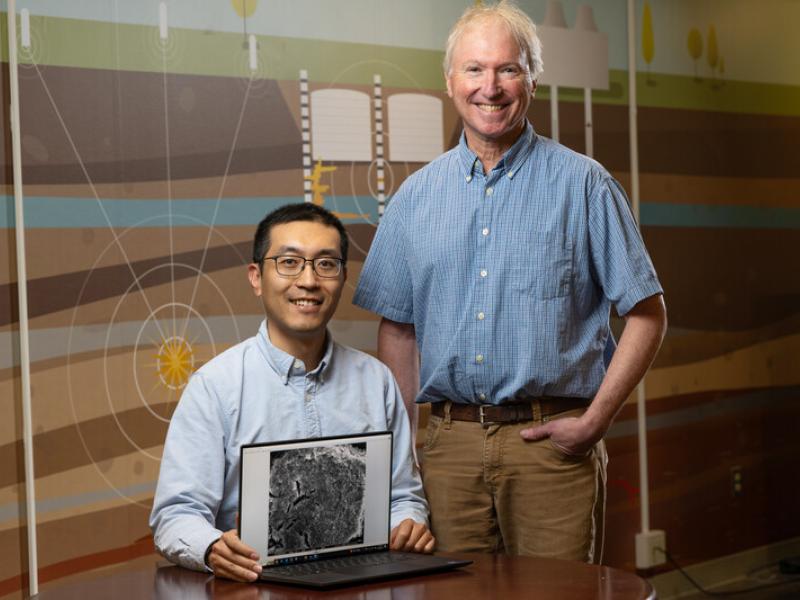
Two renewable energy approaches—enhanced geothermal systems and floating offshore wind energy—get new focus as Energy Earthshot™ Research Centers at PNNL.
Rechargeable battery performance could be improved by a new understanding of how batteries work at the molecular level. Researchers at PNNL upend what's known about how rechargeable batteries function.
A poem inspired by radioactive tank waste—“Can a Scientist Dream it Alone?”—was awarded first place in the Department of Energy’s Poetry of Science Art Contest.