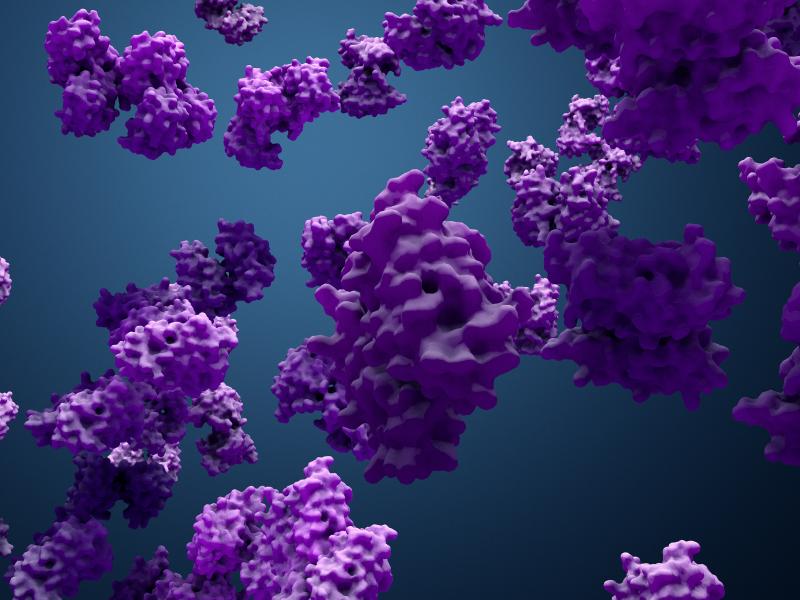
A multi-institution research team found how the protein environment surrounding some enzymes can alter the direction of a cellular reaction, as well as its rate—up to six orders of magnitude—in a phenomenon referred to as catalytic bias.
PNNL and Oklahoma State University join forces to understand the chemistry of sodium-ion and potassium-ion batteries thanks to an award from the U.S. Department of Energy's Established Program to Stimulate Competitive Research (EPSCoR).
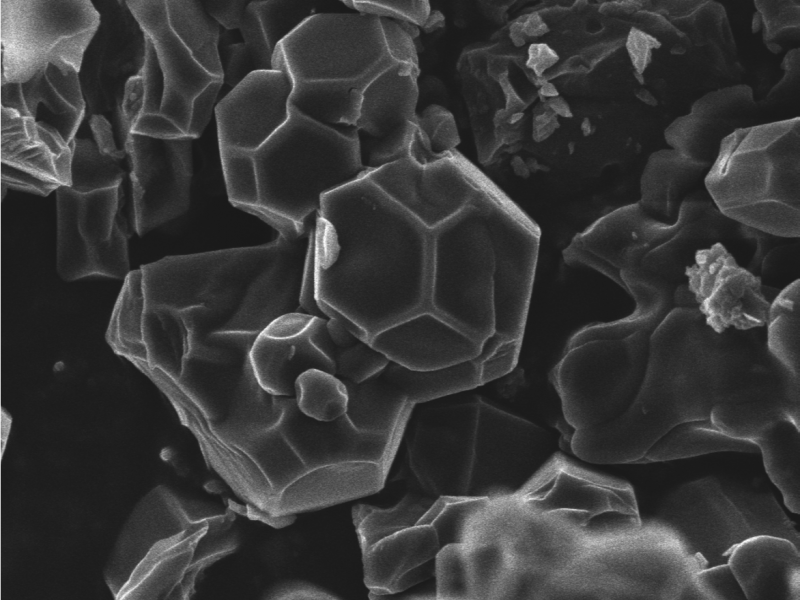
Corresponding PNNL authors assembled a team of experts to show that supercritical carbon dioxide is a promising media for the construction of metal-organic frameworks (MOFs).
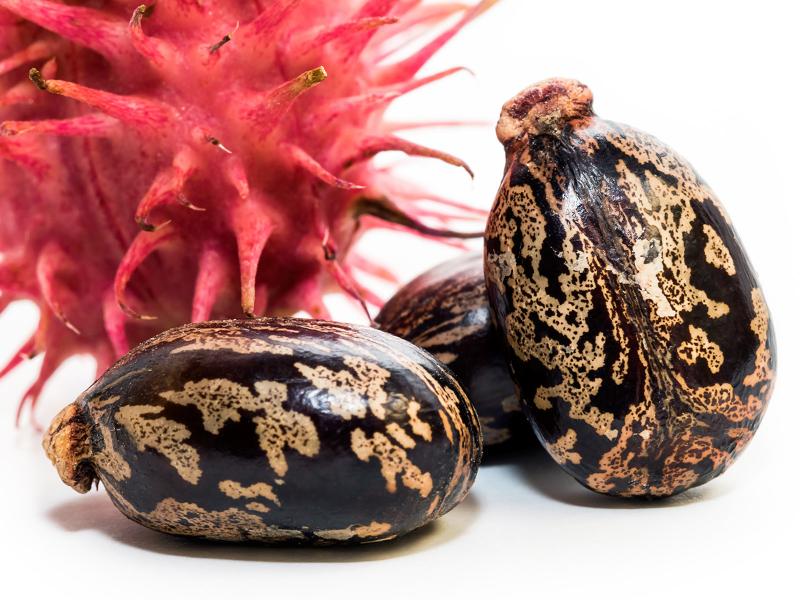
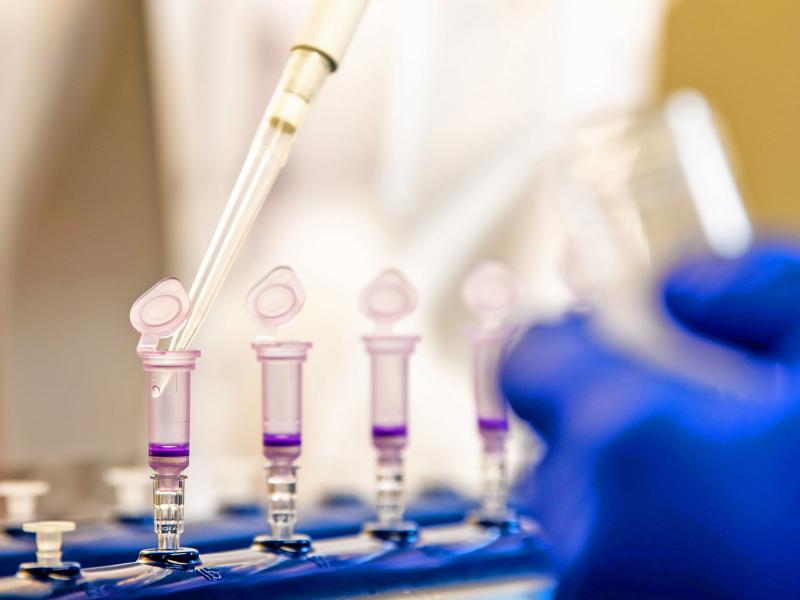
As author of her first publication, PNNL bioinformaticist Isabelle O’Bryon developed the first forensic proteomics method to more quickly detect ricin, a toxin often crudely made in home laboratories that can kill in trace amounts.
Six months into a pandemic that has claimed more than 570,000 lives worldwide, scores of PNNL scientists are engaged in dozens of projects in the fight against COVID-19.
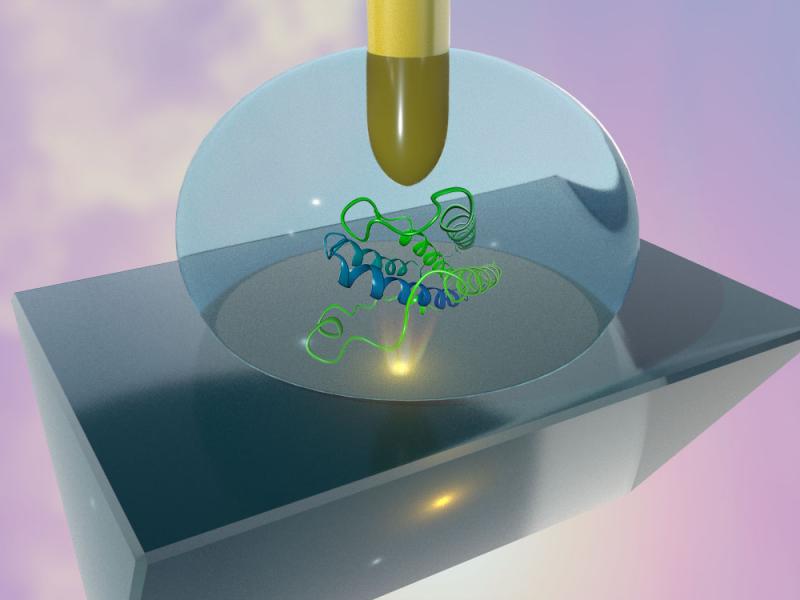
DOE researchers have developed an infrared nano-imager that may be used to visualize and fingerprint biological molecules in their native liquid environments.
Plant scientists at Pacific Northwest National Laboratory have garnered the most comprehensive—and first ever—genetic level dataset of the rooting process in a flowering model grass.
New technique galvanizes iron-based nanoparticles to create an exceptional catalyst. PNNL researchers describe a new technique that produces metal nanoparticles supported on solid iron oxide, in one step, at near room temperature.
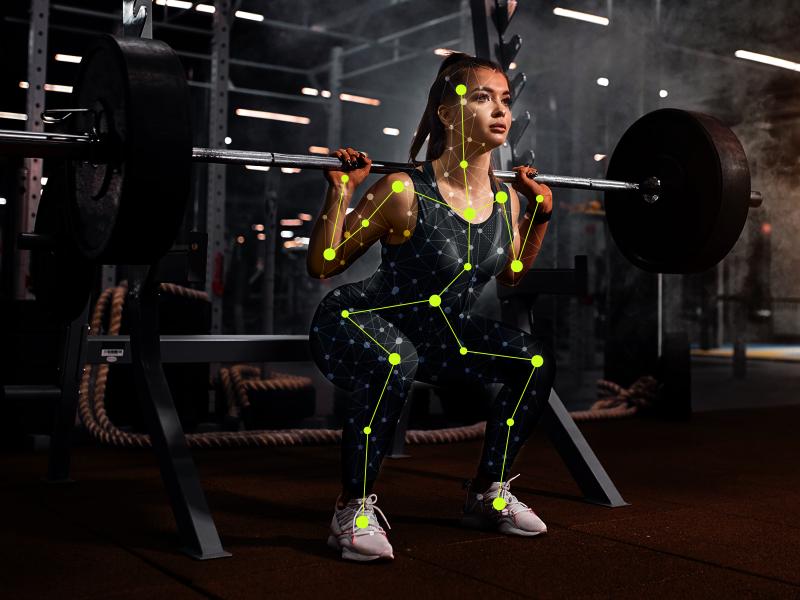
Researchers from 25 institutions around the country, including PNNL, are working to find out how exercise changes the molecular makeup of our cells to generate health benefits.
A chemistry paper on the used nuclear fuel recycling process, led by PNNL lab fellow Gregg Lumetta, ranked 18th in Scientific Reports for downloads in 2019
PNNL’s Karthikeyan Ramasamy was elected to a three-year term as a director in the American Institute of Chemical Engineers’ Fuels and Petrochemicals Division.
Jonathan Male originally joined PNNL in 2006 as a scientist focused on catalysis. After more than seven years leading DOE’s Bioenergy Technologies Office, he's back at PNNL as a chief scientist in the Energy Processes & Materials Division.
PNNL computational biologist Bobbie-Jo Webb-Robertson was recently awarded the “Spirit of nPOD award” to acknowledge her hard work in building, coordinating, and leading the Data Science Working Group.
To help spur economic development and assist in the battle against COVID-19, PNNL is making available its entire portfolio of patented technologies on a research trial basis—at no cost—through the end of 2020.
PNNL microbial ecologist Janet Jansson will serve on a committee representing the U.S. soil science community in the International Union of Soil Sciences.