Patricia Huestis, a collaborator in the Interfacial Dynamics in Radioactive Environments and Materials (IDREAM) Energy Frontier Research Center, has been awarded the DOE Office of Science Graduate Student Research (SCGSR) award.
Frannie Smith, a chemist specializing in nuclear waste management and disposal, was recognized as a "Notable Woman in STEM" for 2019 by the nonprofit Washington STEM program.
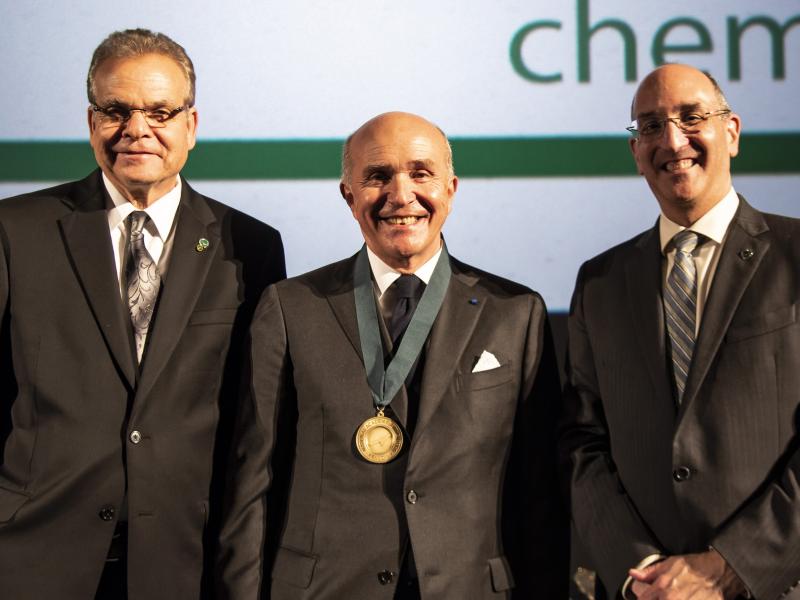
PNNL’s Johannes Lercher was one of 148 researchers recognized at the annual conference of the National Academy of Inventors, held April 10-11, 2019 in Houston, Texas. Lercher recently achieved NAI fellow status, a highly selective honor.
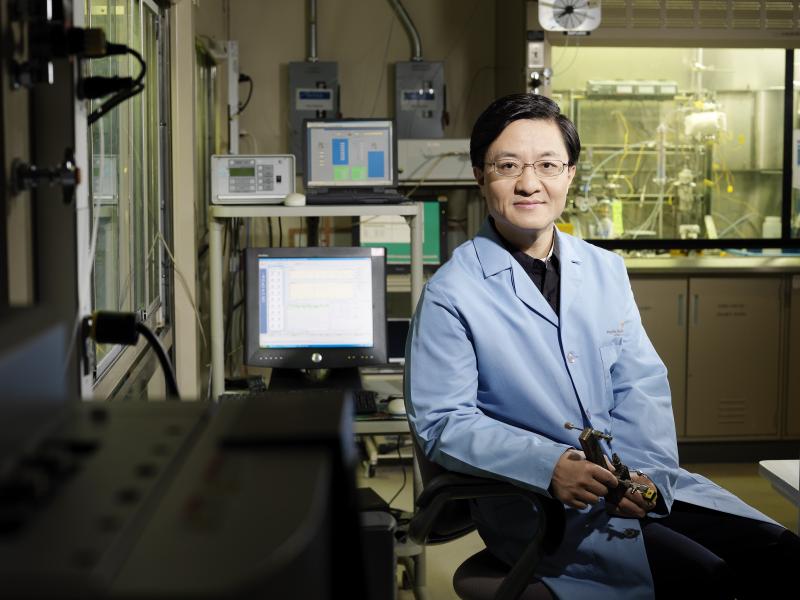
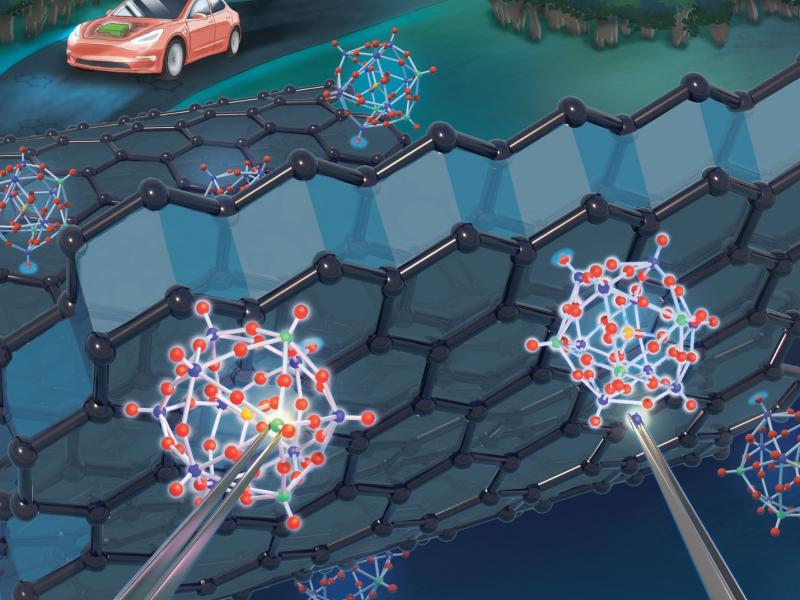
Researchers at PNNL and their collaborators have made a significant improvement to a catalyst that is more rugged and can reduce tailpipe pollution at lower temperatures than existing methods.
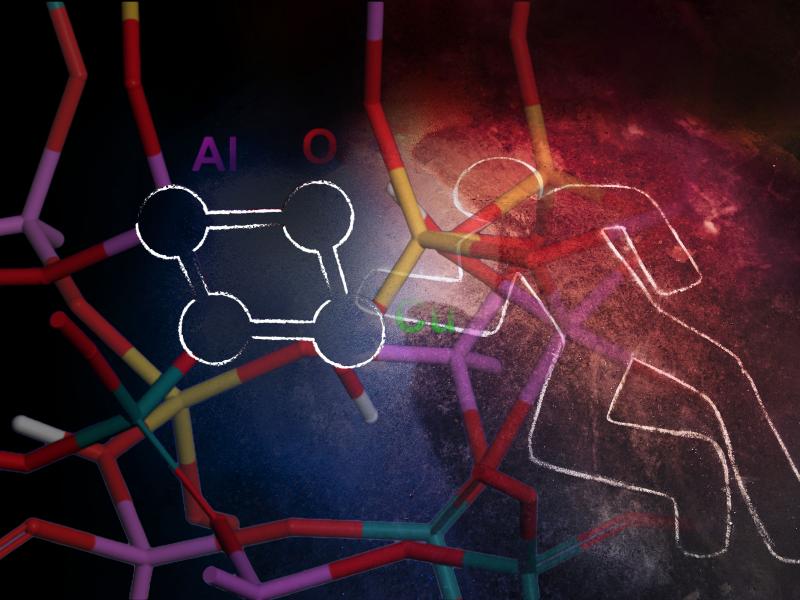
Several years ago, a relatively new catalyst for vehicle emission control began showing failure. A team at PNNL found that this seemingly suicidal catalyst wasn’t actually self-destructing but was the victim of an external assailant.
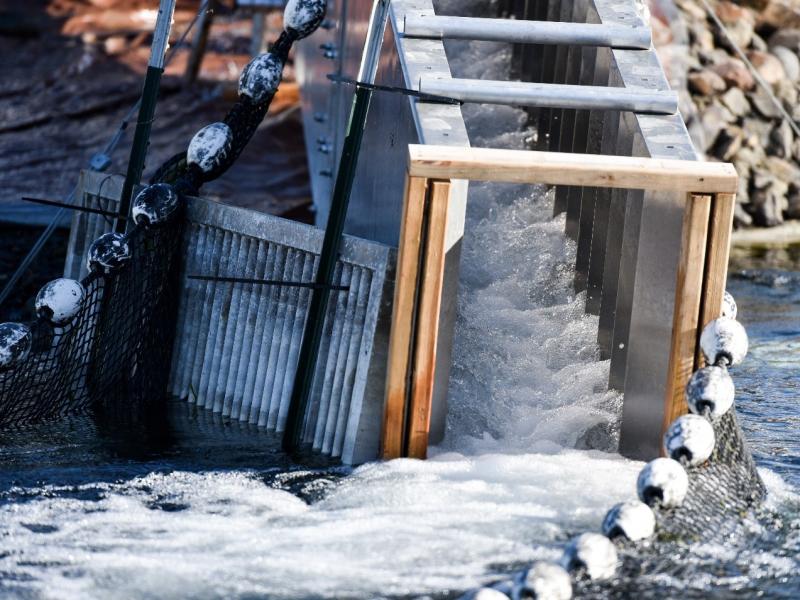
A new paper found that hydropower turbines with composite blades generate about 20 percent more power than turbines with traditional stainless steel blades at the same flow rate.
When the weather heats up, so does power demand for air conditioners and refrigerators. But what if you could cool things down by using heat itself instead of electricity?
Mama and calf humpback whales—considered a vulnerable species that might be entangled in underwater equipment—star in a new animation video that depicts the marine mammals’ scale and movements relative to floating offshore wind farms.
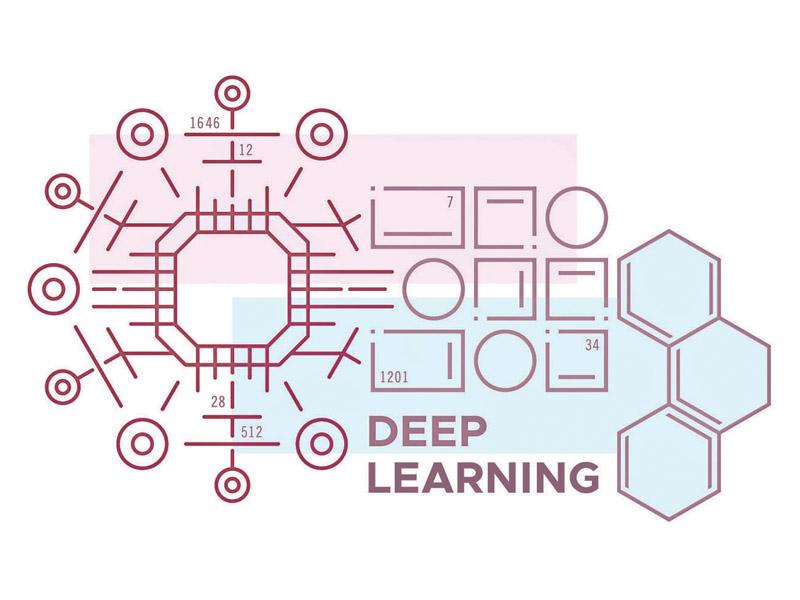
Scientists created a fast-track tutorial that equips a neural network to tackle drug discovery and other applications where there's a shortage of precisely labeled chemical data.
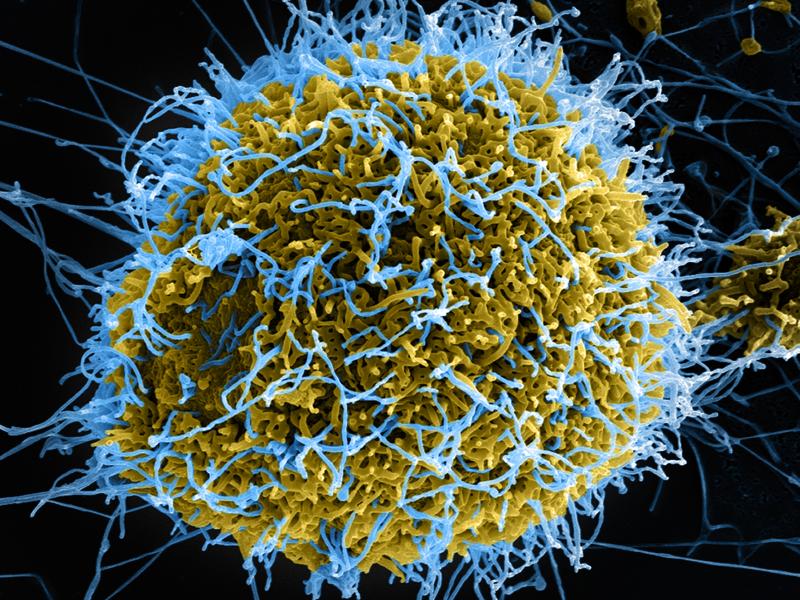
A detailed analysis of blood samples from Ebola patients in Sierra Leone is providing clues about the progression of the effects of the virus and potential treatment pathways. The findings point to a critical role for a molecular pathway.
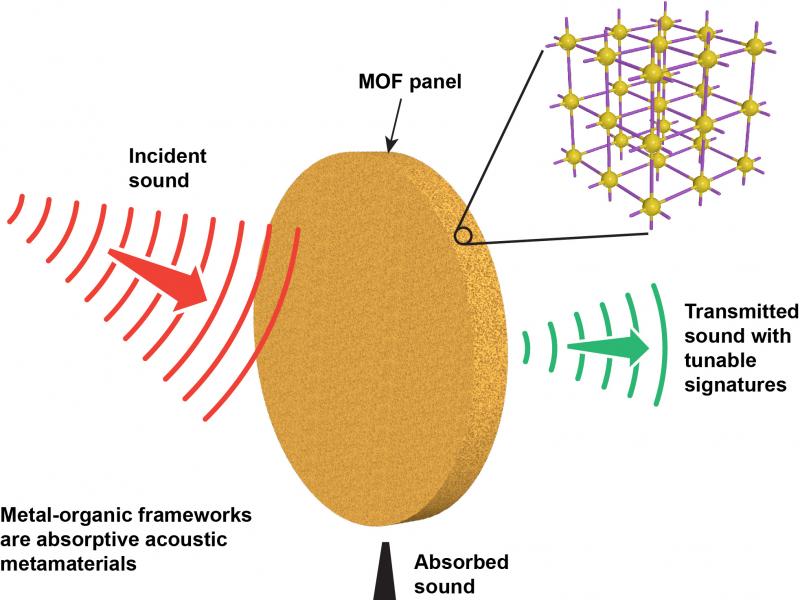
Researchers at PNNL are developing a new class of acoustically active nanomaterials designed to improve the high-resolution tracking of exploratory fluids injected into the subsurface. These could improve subsurface geophysical monitoring.
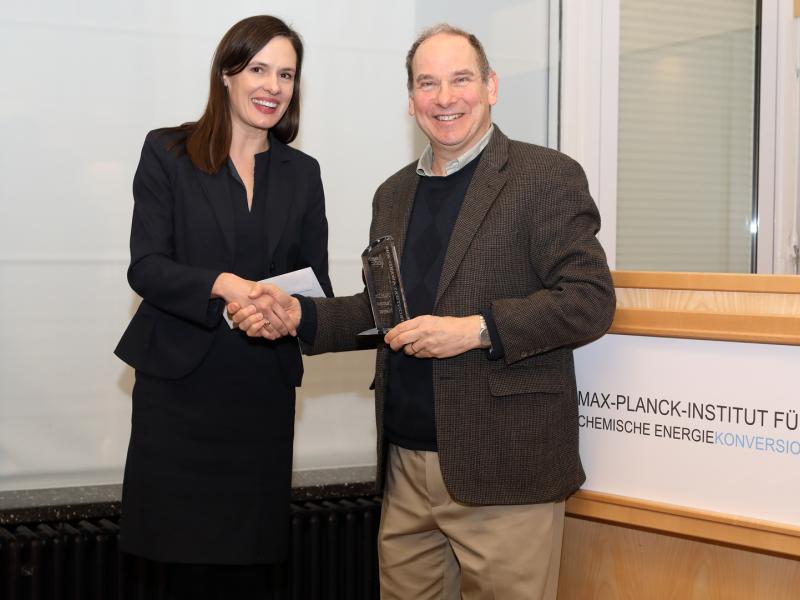
Center for Molecular Electrocatalysis thrust lead for heterogeneous interfaces, Dr. James “Jim” Mayer, was recently honored with the Frontiers Award by the Max Planck Institute for Chemical Energy Conversion.
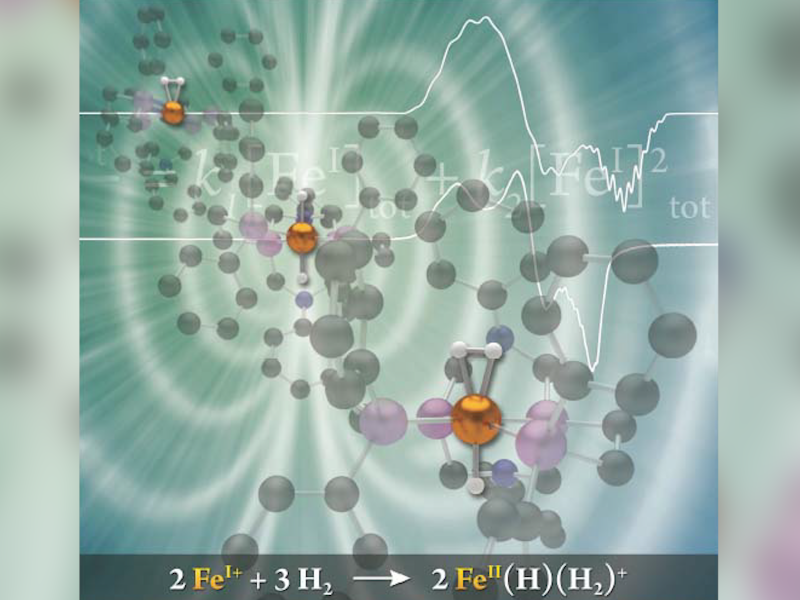
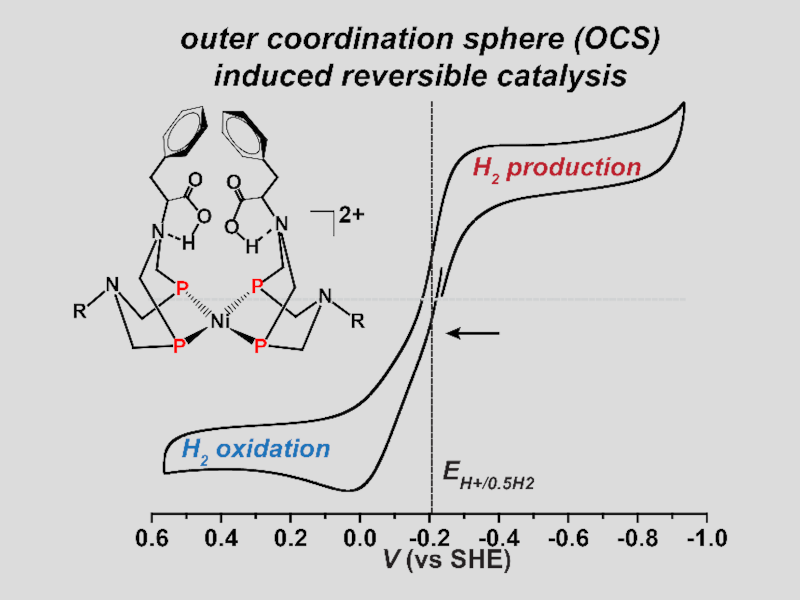
Scientists at PNNL's Center for Molecular Electrocatalysis (CME) are working to understand the fundamental reactivity of H2 that could contribute to making hydrogen a more widely used fuel source.