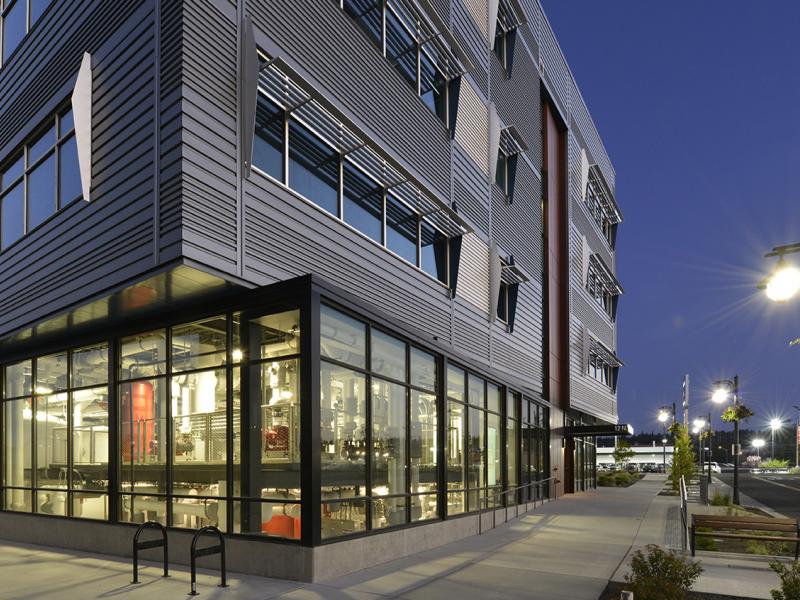
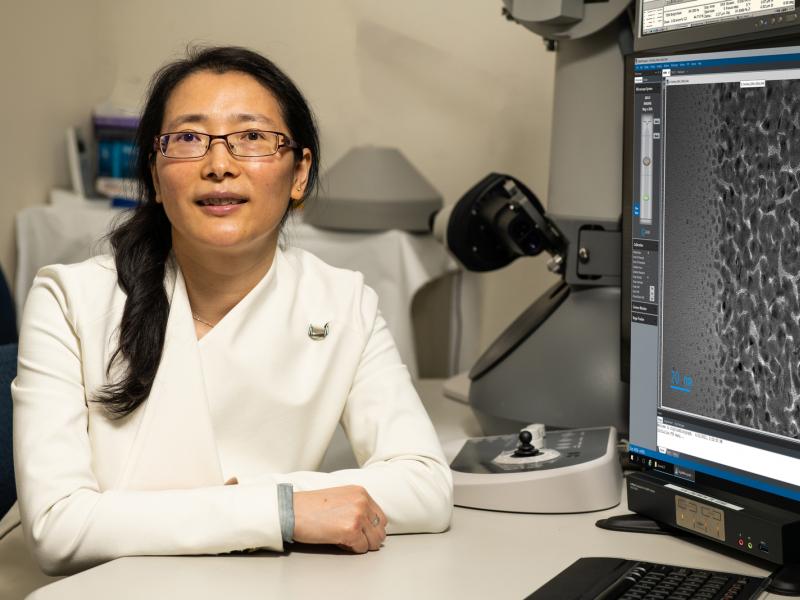
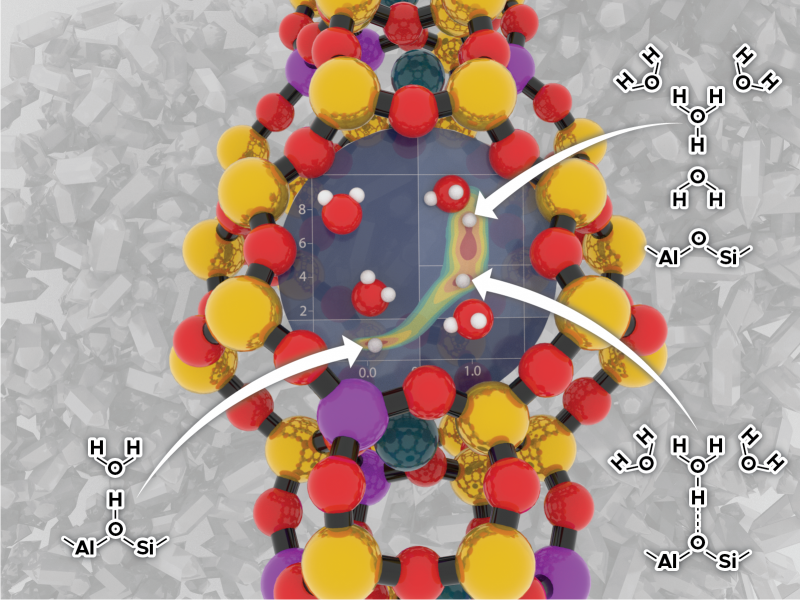
Bojana Ginovska leads a physical biosciences research team headed for PNNL's new Energy Sciences Center. She uses the transformative power of molecular catalysis and enzymes to explore scientific principles.
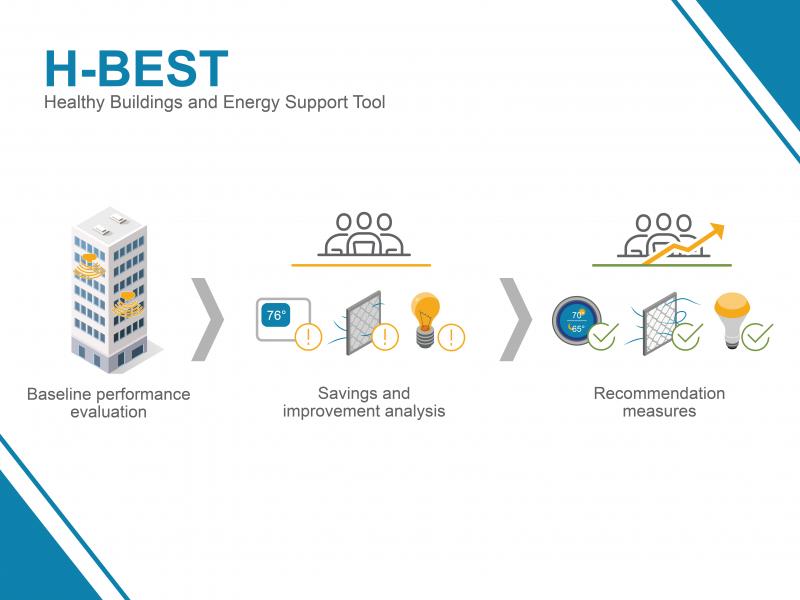
The first customized resource of its kind, H-BEST analyzes the indoor environmental quality profile for buildings and helps its users identify the costs and benefits of improvements.
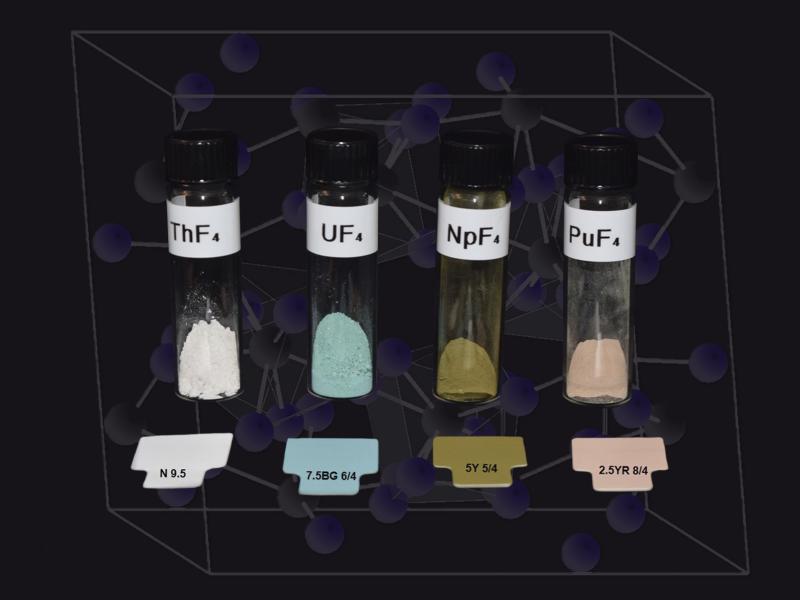
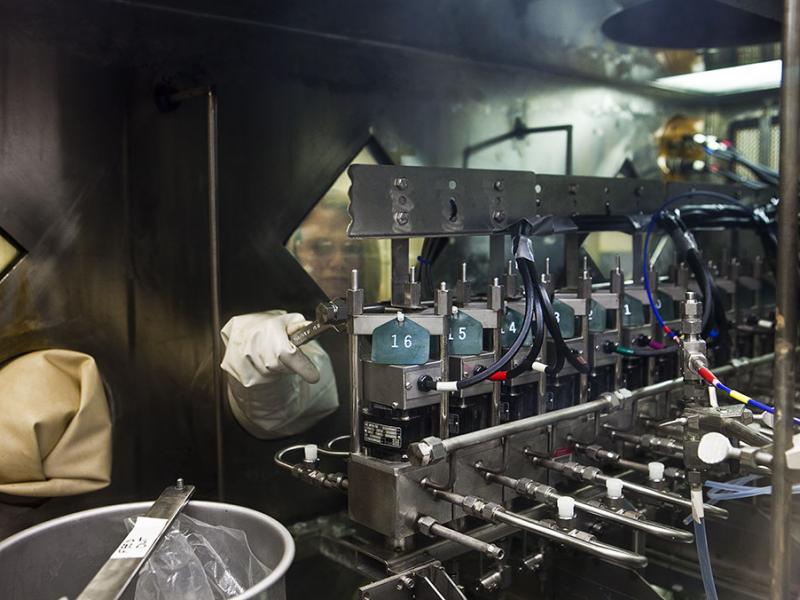
Spectroscopic experiments reveal significant variations in the electronic structures of actinide tetrafluorides despite their nearly identical crystal structures.
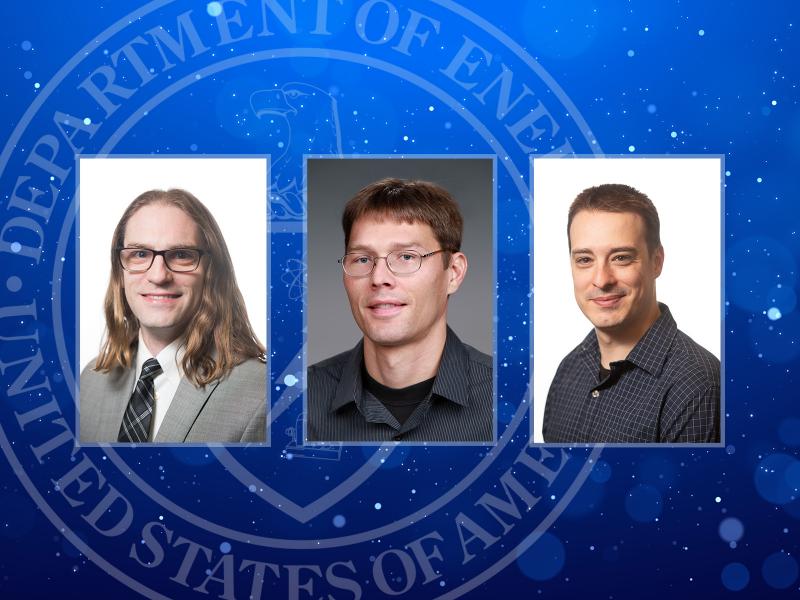
The DOE Early Career Research Program supports exceptional researchers during the crucial early years of their careers and helps advance scientific discovery in fundamental sciences
PNNL’s Supriya Goel has been named by Consulting-Specifying Engineer as one of 2021’s 40 outstanding nonresidential building industry professionals age 40 or younger.
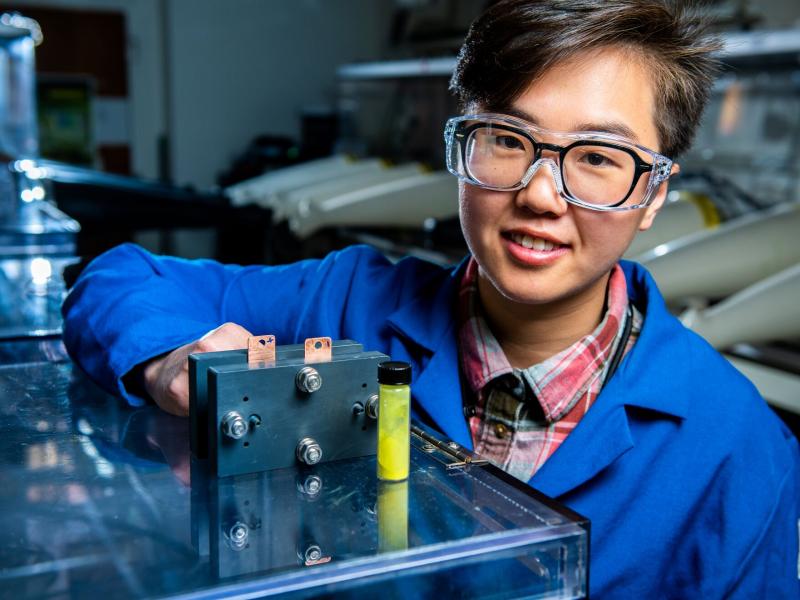
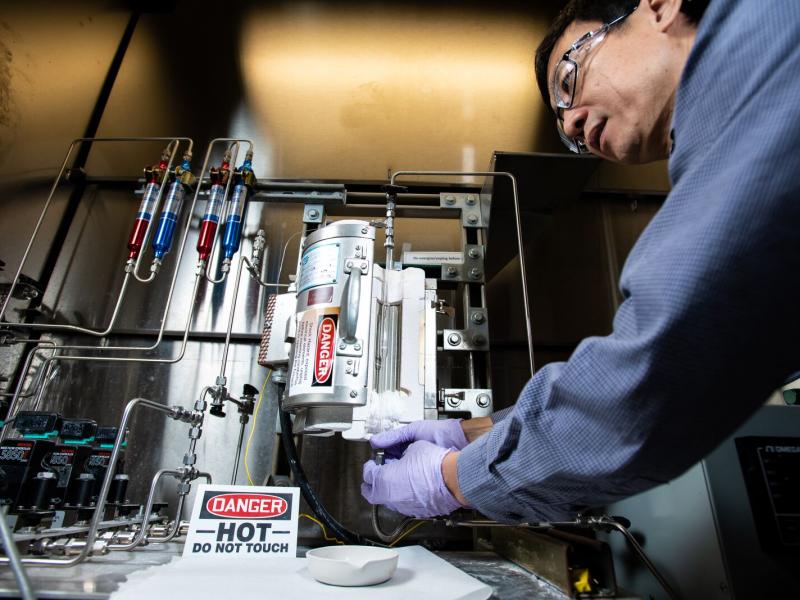
A compound used in candles offers promise for a modern energy challenge—storing massive amounts of energy to be fed into the electric grid as the need arises.
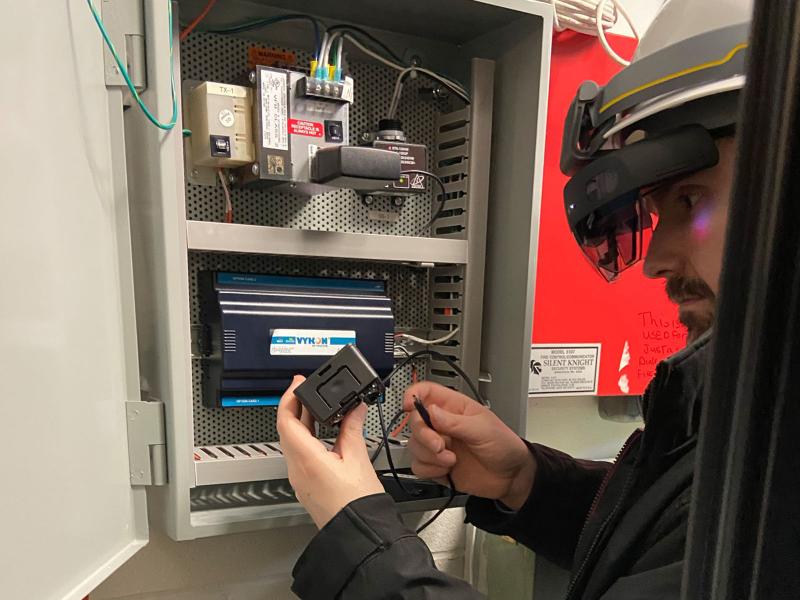
When the COVID-19 pandemic halted all travel for in-person inspections, a team at PNNL knew they needed to find a way to perform assessments virtually. Their solution—a portable kit that could be shipped to locations.
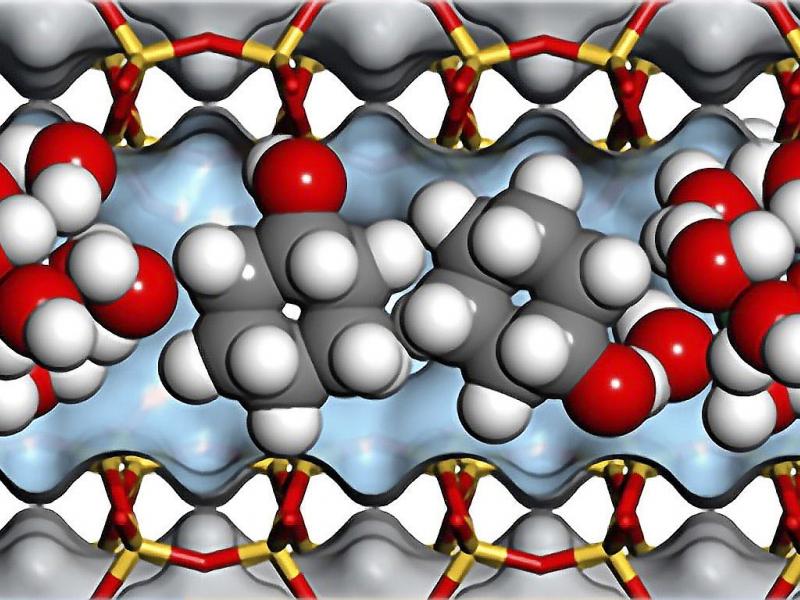
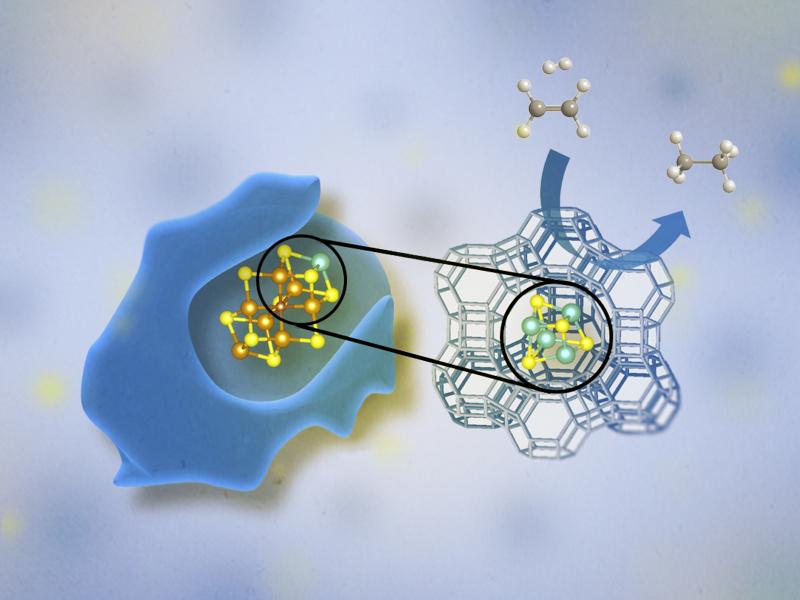
Tetranuclear molybdenum sulfide clusters encaged in zeolites mimic the FeMo-cofactor of nitrogenase, offering a new opportunity for improving industrial hydrotreatment processes.
A collaboration among PNNL, Washington State University, and Tsinghua University has led to the discovery of a mechanism behind the decline in performance of an advanced copper-based catalyst.