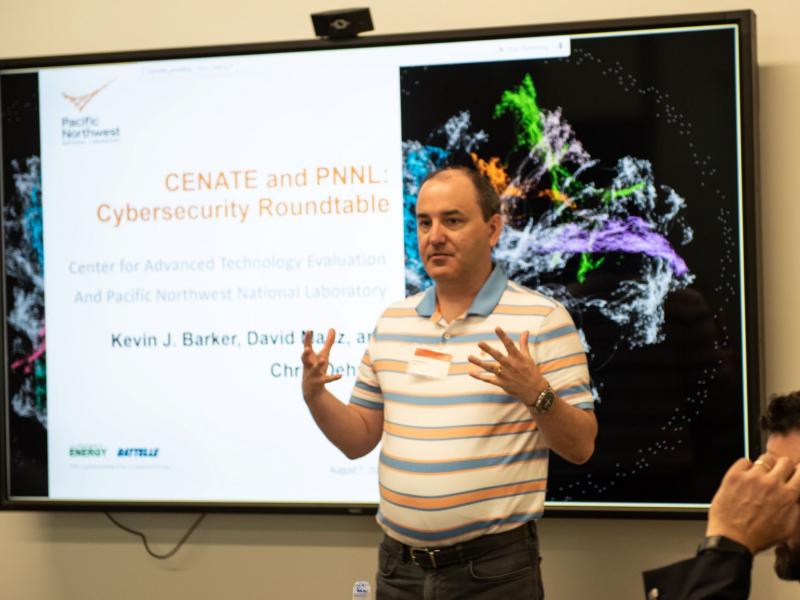
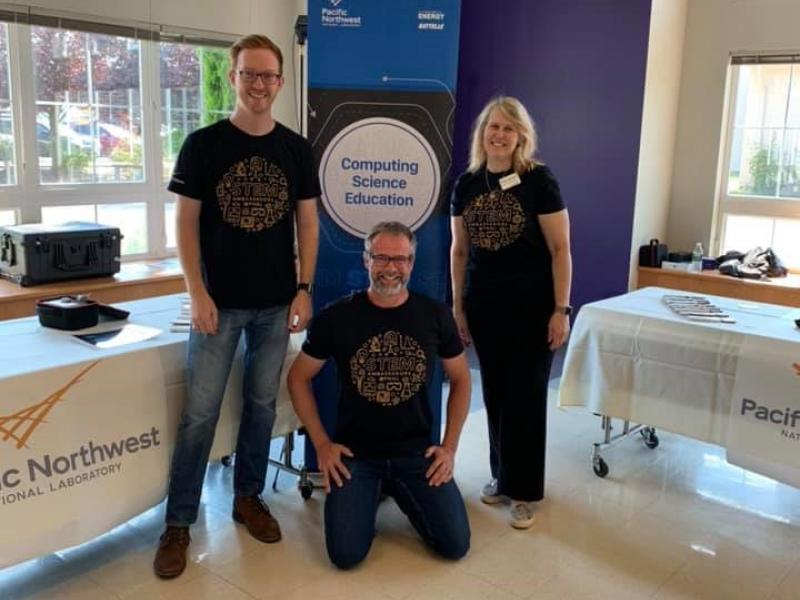
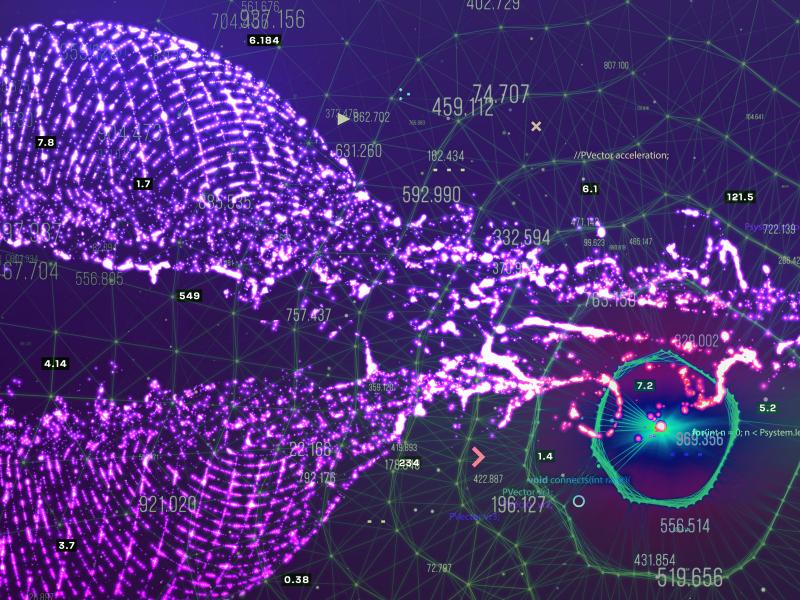
Pacific Northwest National Laboratory is leading efforts to address next-generation computing’s critical role in protecting the nation from cybersecurity threats.
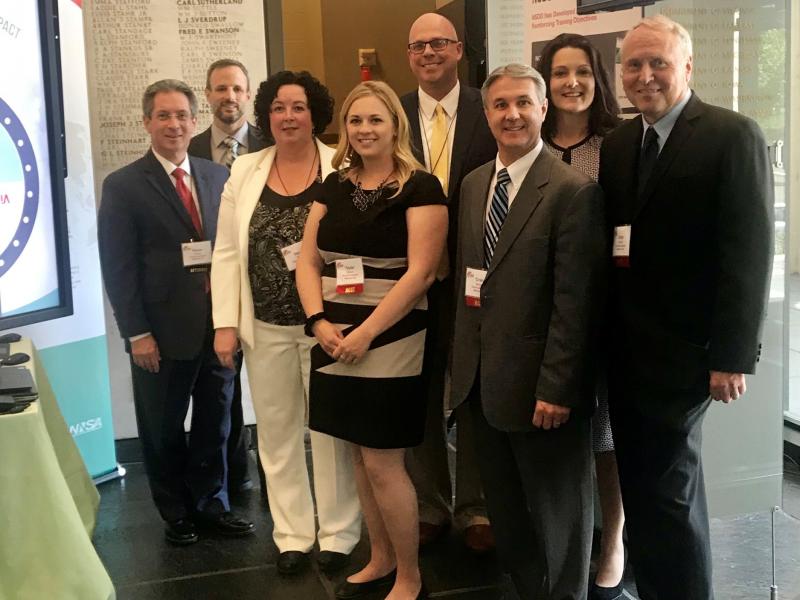
More than 350 people from scientific institutions, education and the private sector gathered at the PNNL campus July 30 for the IEEE Women in Engineering International Leadership Summit.
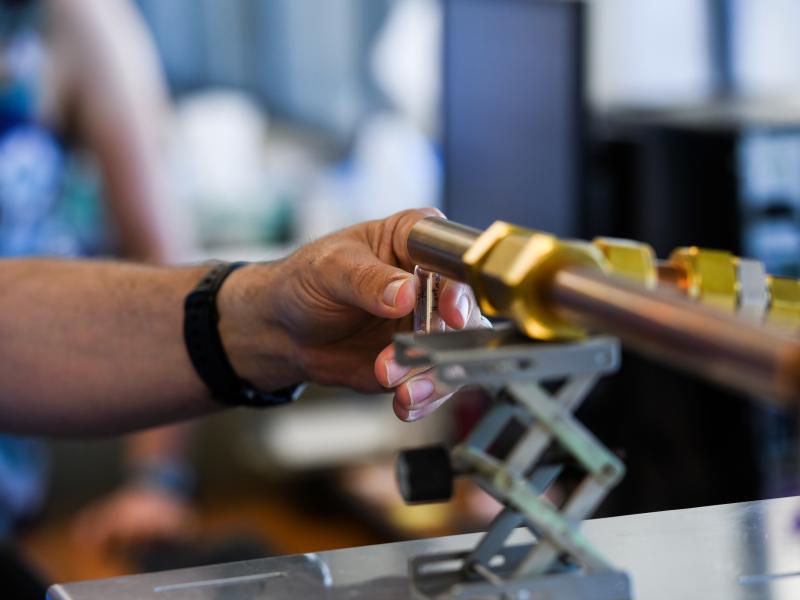
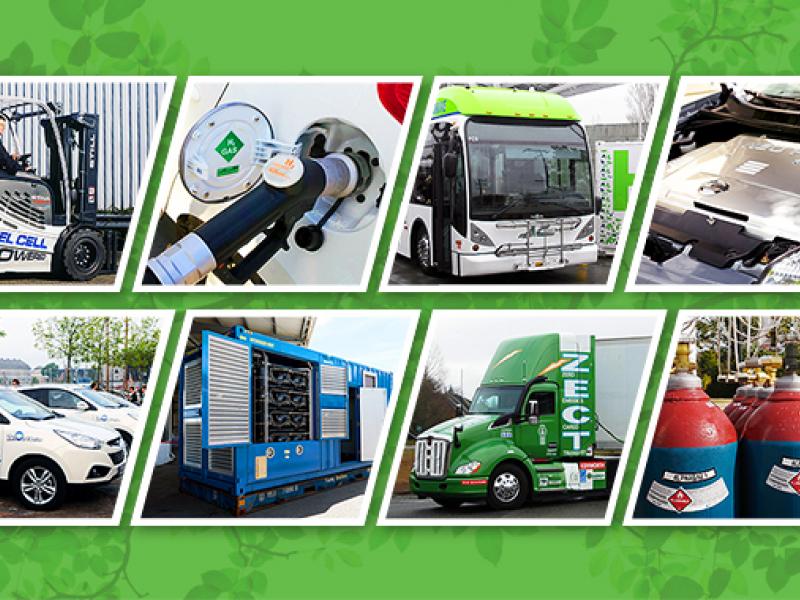
Researchers at the Department of Energy’s Pacific Northwest National Laboratory and Sandia National Laboratories have joined forces to reduce costs and improve the reliability of hydrogen fueling stations.
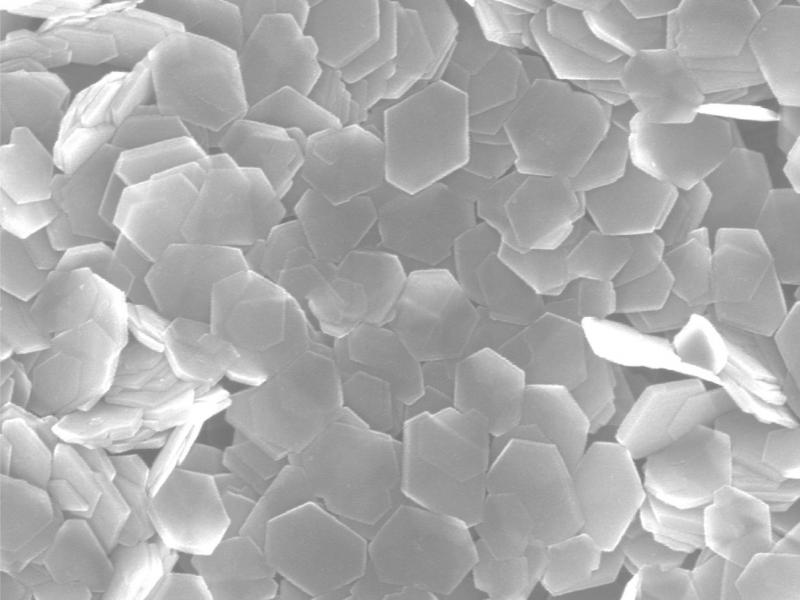
PNNL researchers demonstrate how the excitation of oxygen atoms that contributes to better performance of a lithium-ion battery also triggers a process that leads to damage, explaining a phenomenon that has been a mystery to scientists.
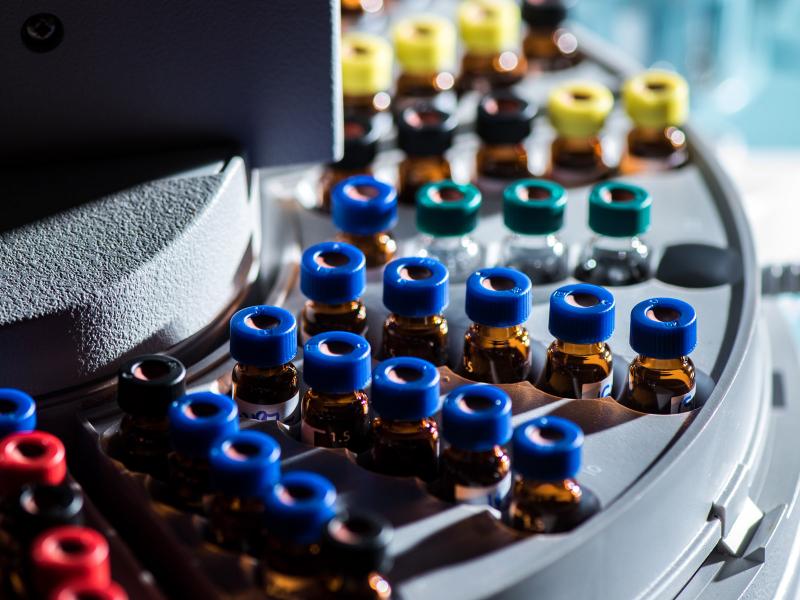
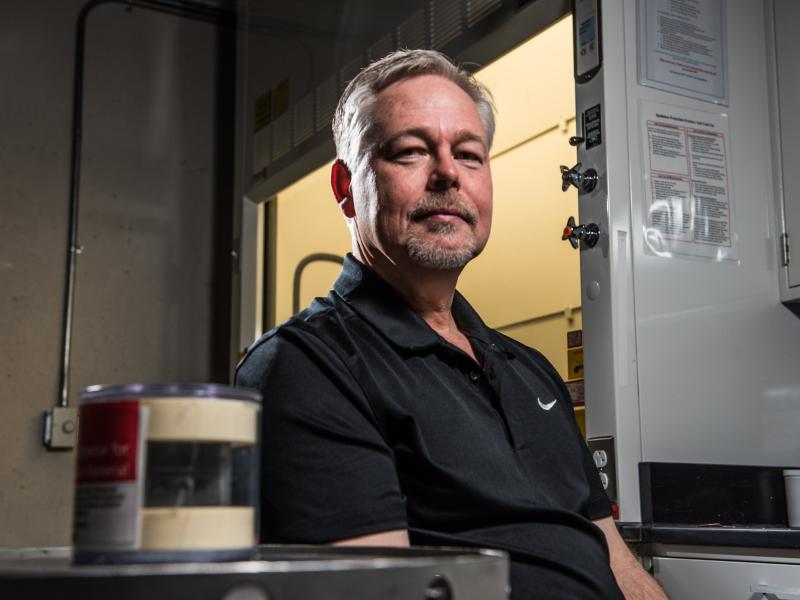
Eric Hoppe, senior scientist, was selected a 2019 American Chemical Society (ACS) fellow. Eric is being recognized for his contributions to analytical chemistry measurements and three decades of volunteer service to the ACS community.
When two powerful earthquakes rocked southern California earlier this month, officials’ attention focused, understandably, on safety. How many people were injured? Were buildings up to code? How good are we at predicting earthquakes?
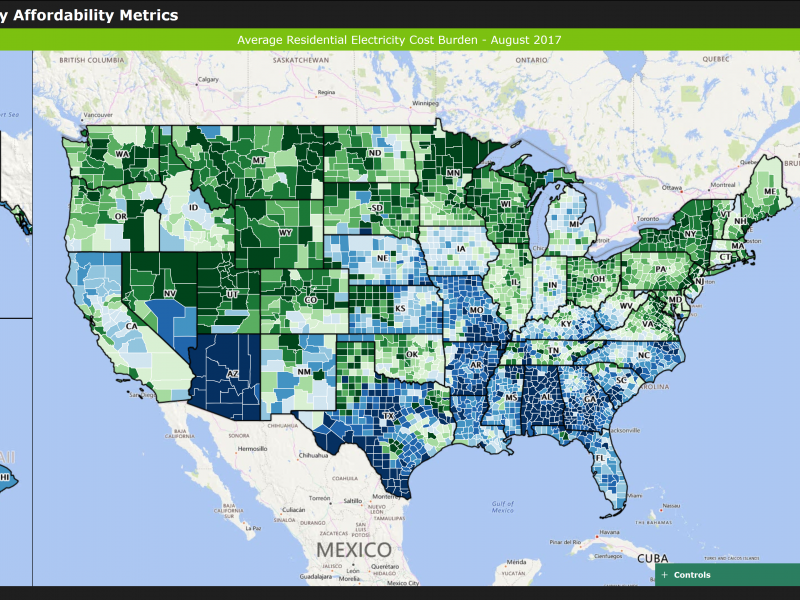
A new PNNL tool makes it easy to see the differences across the country when it comes to the cost and affordability of electricity. Users can sort and compare nearly 100 metrics or variables and get individual county information.
PNNL Laboratory Director Steve Ashby attended an event marking the 20th anniversary of the Department of Energy’s National Nuclear Security Administration Nuclear Smuggling Detection and Deterrence program.
Network Collapse, a virtual reality science, technology, engineering, and mathematics (STEM) app developed by PNNL researchers, has won a Gold Award from the 2019 International Serious Play Award.
Researchers at PNNL are applying deep learning techniques to learn more about neutrinos, part of a worldwide network of researchers trying to understand one of the universe’s most elusive particles.
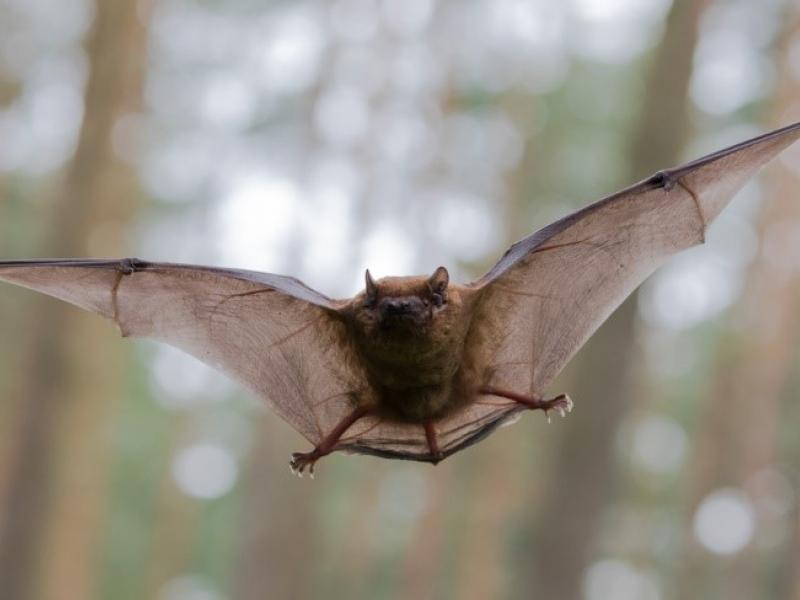
PNNL researchers are developing and evaluating bat tagging and tracking tools that will help design solutions to protect the bat population from wind turbines.
Patricia Huestis, a collaborator in the Interfacial Dynamics in Radioactive Environments and Materials (IDREAM) Energy Frontier Research Center, has been awarded the DOE Office of Science Graduate Student Research (SCGSR) award.