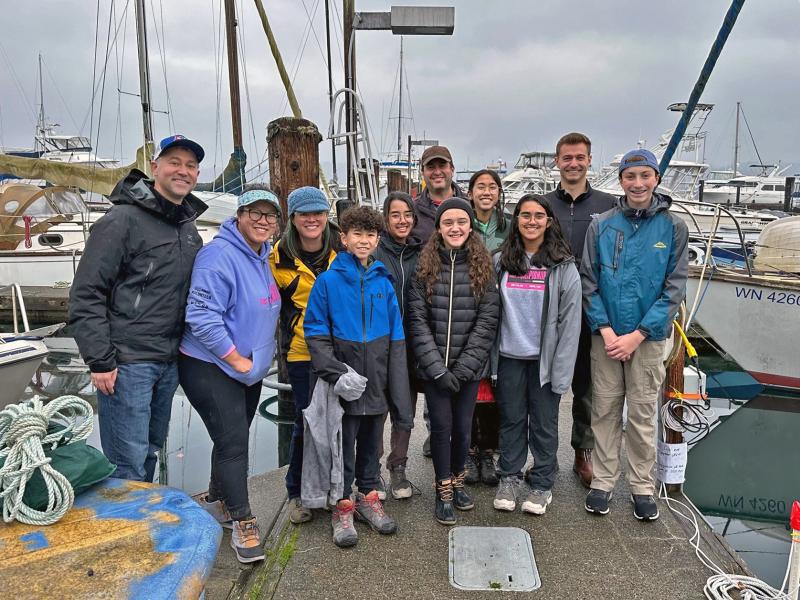
Researchers at PNNL advised elementary and middle school student teams with their problem-solving research for the FIRST® LEGO® League robotics competitions.
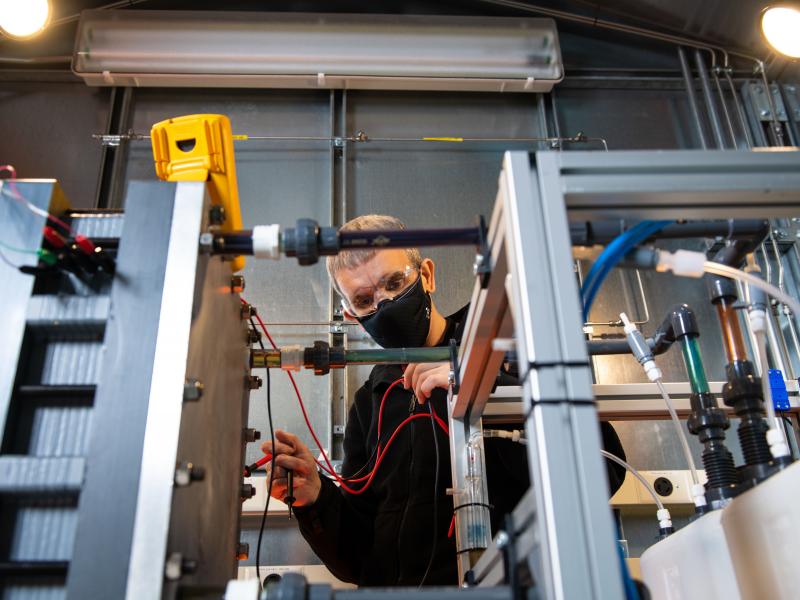
EZBattery Model allows energy storage researchers to more quickly and easily identify the best performing battery designs without the need for extensive physical prototyping or computationally expensive simulations.
Biomedical scientist George Bonheyo has been selected as chair of a new International Electrotechnical Commission committee charged with creating standards for researching and measuring biofouling on marine energy systems.
A paper published last year by scientists at Pacific Northwest National Laboratory was featured in the 2021 Editor’s Choice collection for the Cell Reports Physical Science journal.
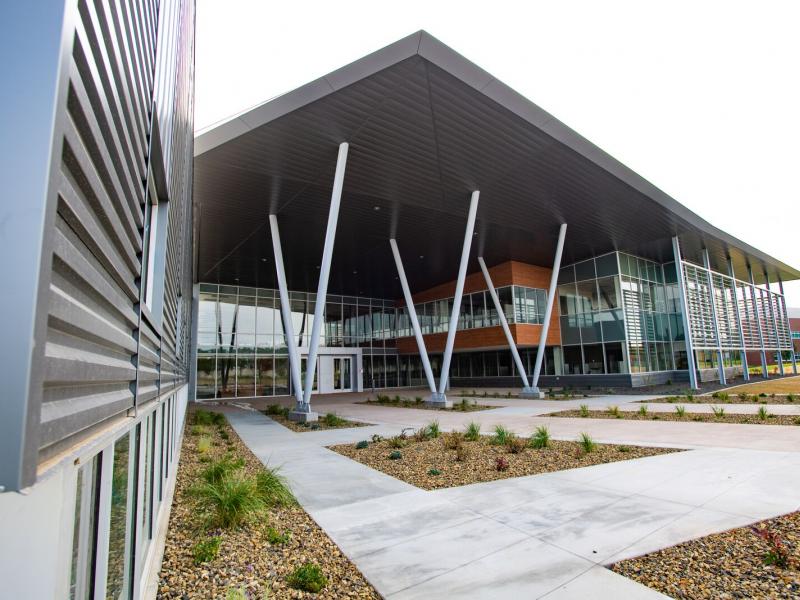
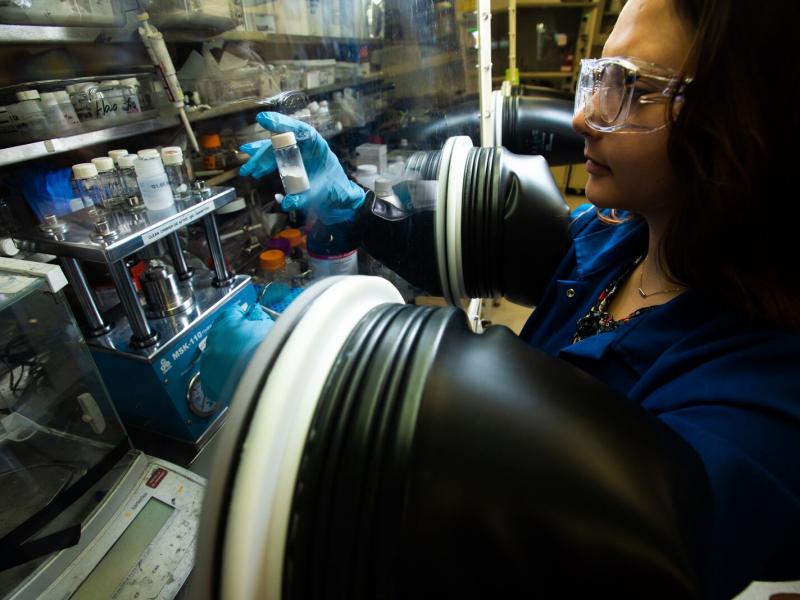
As he prepares to enter PNNL's Energy Sciences Center later this year, Vijayakumar 'Vijay' Murugesan is among DOE leaders exploring solutions to design and build transformative materials for batteries of the future.
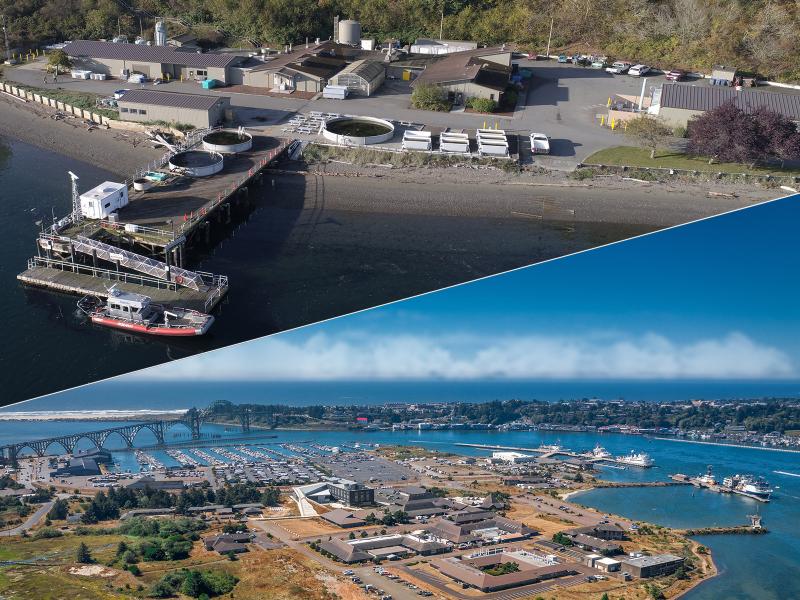
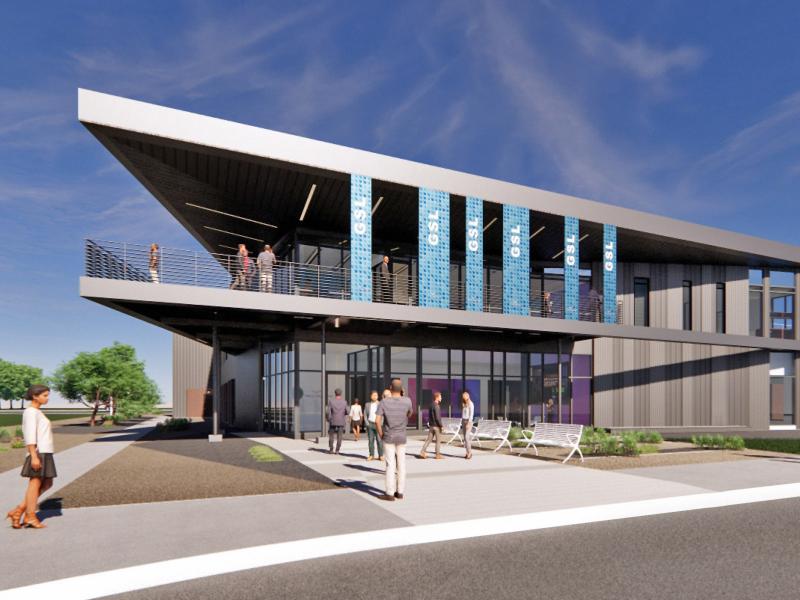
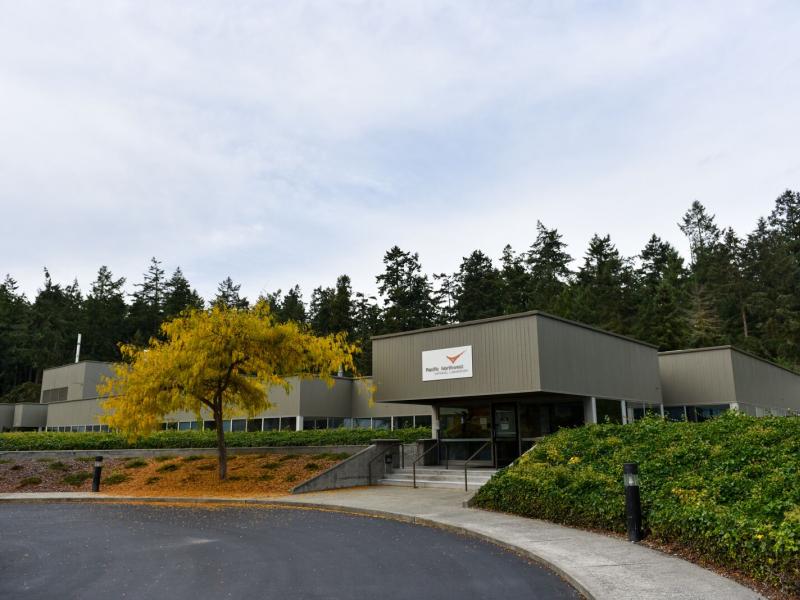
The Marine and Coastal Research Laboratory (MCRL), part of PNNL, in Sequim, Washington, is the U.S. Department of Energy’s only marine research facility. It has a rich history and expanding research scope.
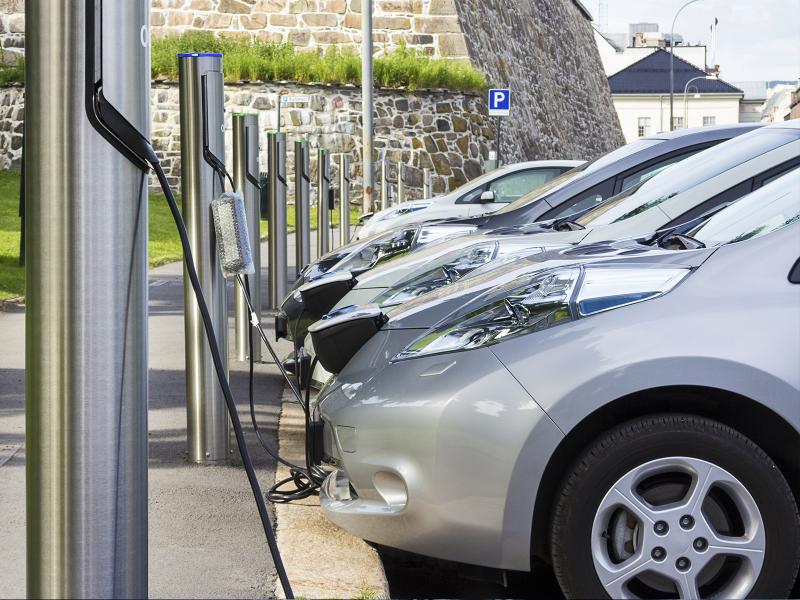
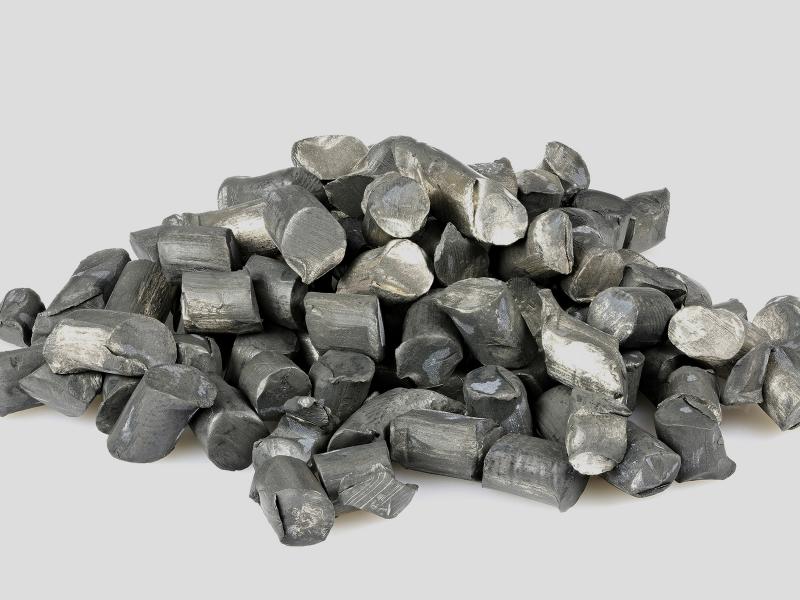
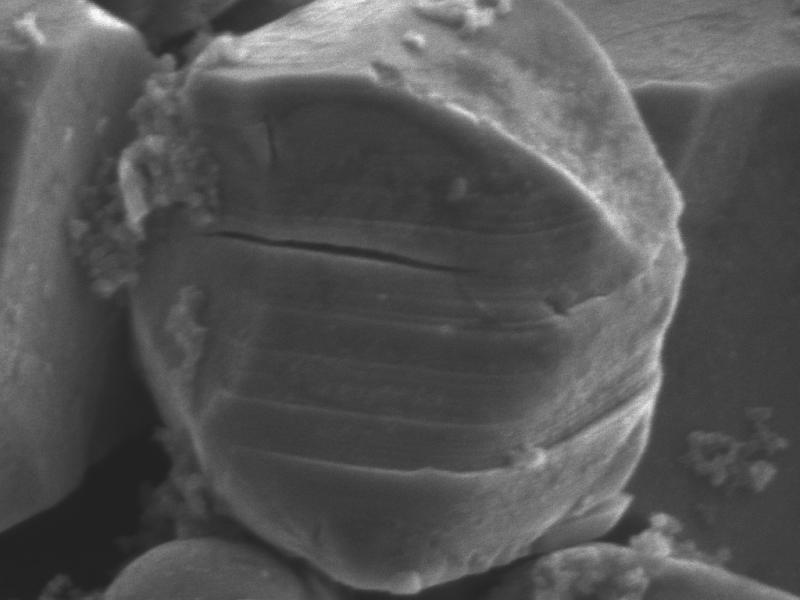
Scientists have created a single-crystal, nickel-rich cathode that is hardier and more efficient than before—important progress on the road to better lithium-ion batteries for electric vehicles.
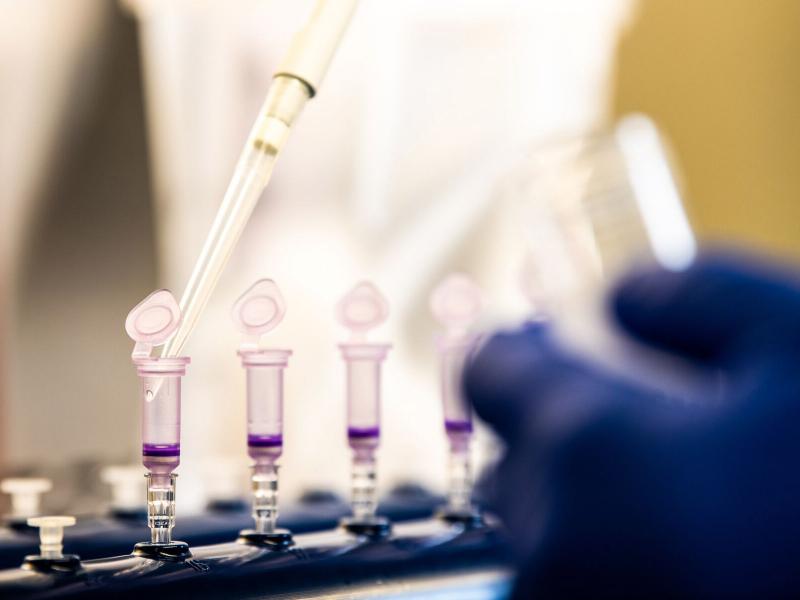
The nation’s ability to test for COVID-19 has expanded, thanks to work at Pacific Northwest National Laboratory, where scientists have established the performance of testing equipment to detect the virus.