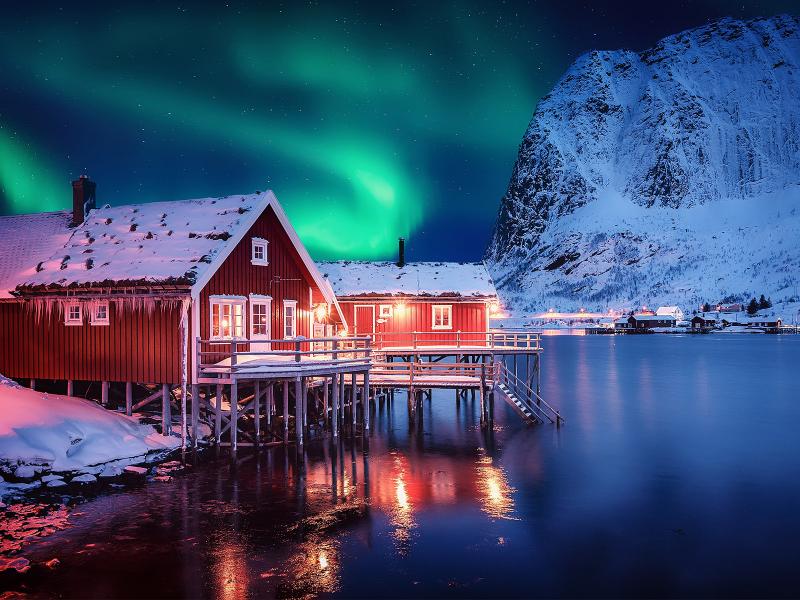
Top scientists and officials from government, academia, Alaskan Native communities, and industry are heading to Alaska to focus on driving energy technologies for a more sustainable Arctic region.
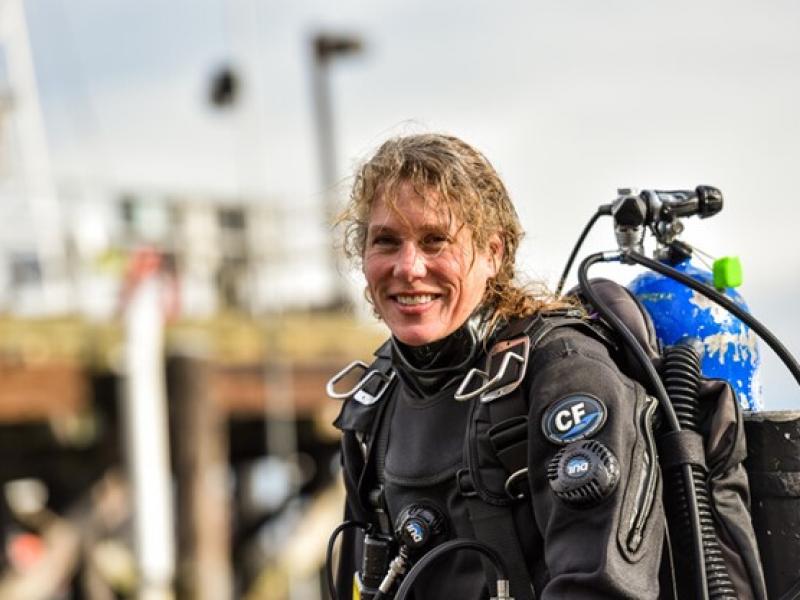
Sue Southard's one thousand dives as a PNNL staff member leave a ripple effect on efforts to keep our ocean healthy, our economy thriving, and our waters safe.
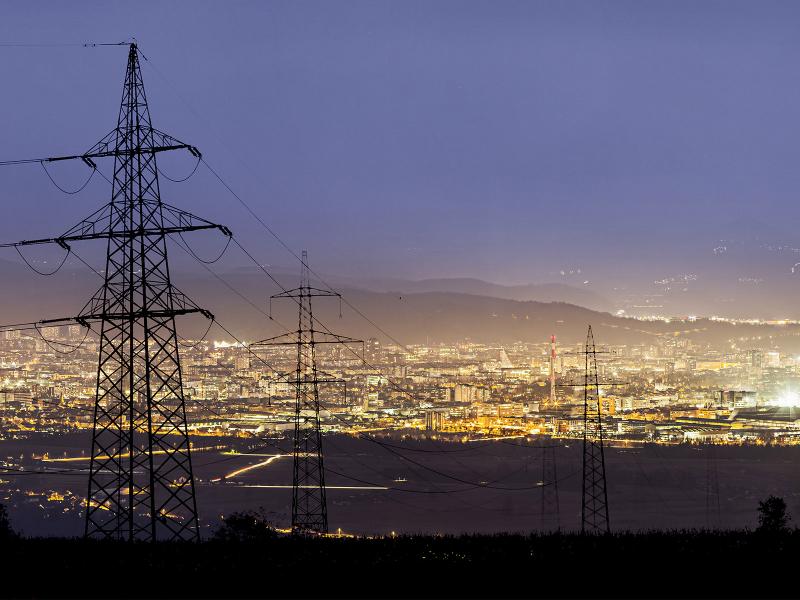
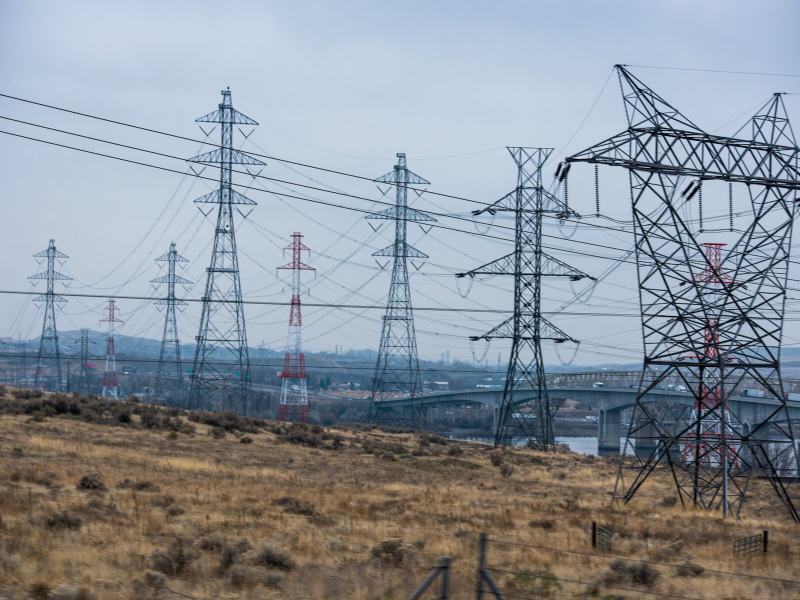
Recognizing how innovation and clean technologies at the very edge of the grid can work together to transition the electricity system, PNNL takes a multidisciplinary approach to advancing and integrating renewable energy solutions.
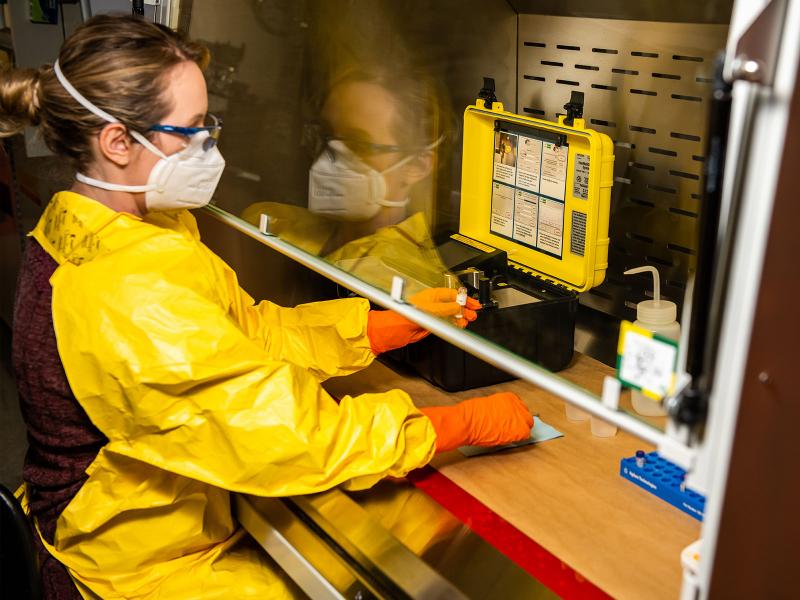
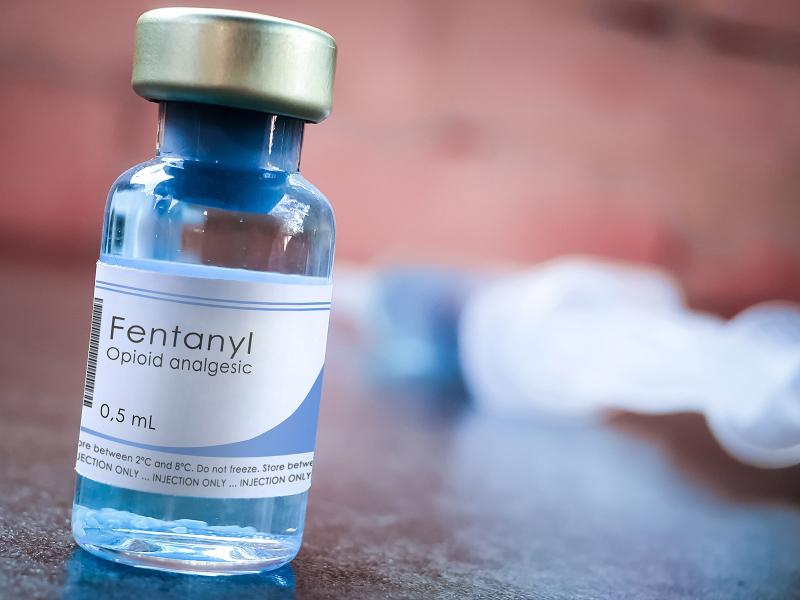
PNNL forensic toxicologist has been invited to serve on a committee of experts charged with improving U.S. strategies for preventing, countering, and responding to chemical terrorism threats.
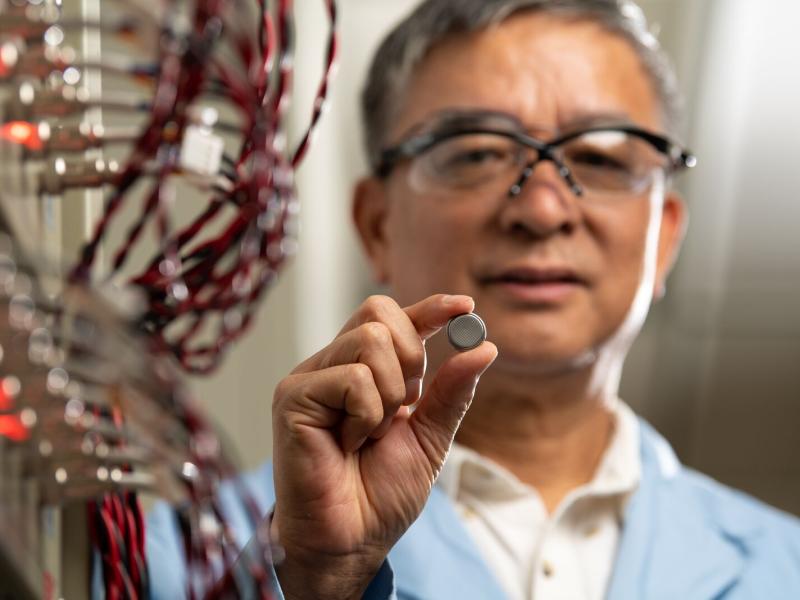
PNNL scientists partnered with colleagues at the University of Akron to create a new molecule that could substantially improve the electrochemical stability of redox flow batteries.
The Energy Storage for Social Equity Initiative will help up to 15 disadvantaged communities consider energy storage technologies to meet local energy goals.
PNNL has developed seaweed-based inks and materials for 2-D and 3-D printing that can be used for a multitude of applications in the art, medical, STEM, and other fields.
A paper by PNNL scientists on nuclear explosion monitoring technology is among top articles in nuclear instruments journal to draw most social media “buzz.”
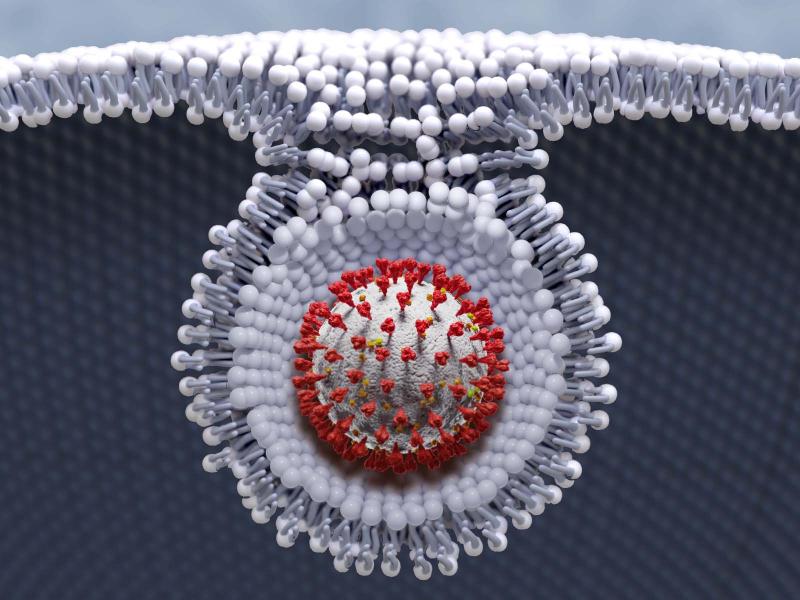
A Q&A with Lauren Charles, veterinarian and PNNL data scientist, on zoonotic diseases and the role biosurveillance plays in mitigating the growing threat to global health.