A graph-theoretic microstate analysis enabled researchers to identify ion aggregate macro-states and microstates in single and mixed electrolyte solutions.
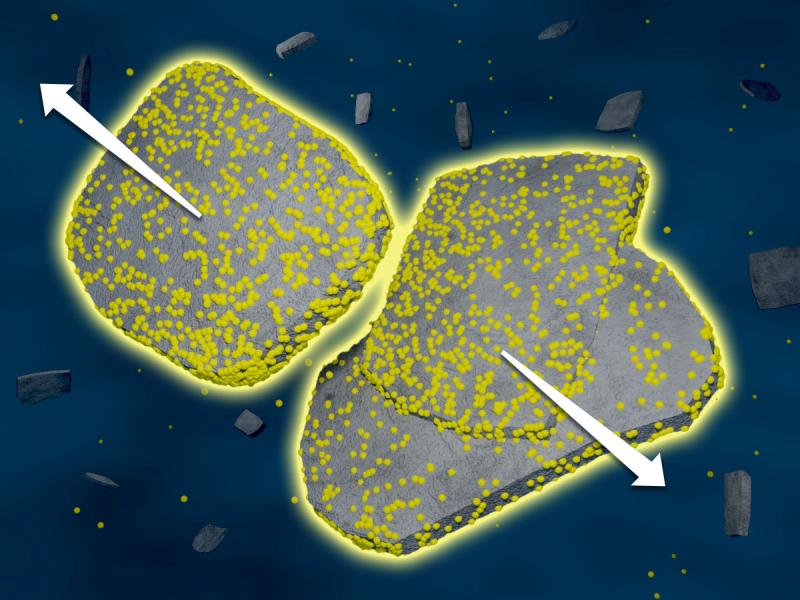
PNNL partners with SRNL, FIU, and industry to test fixative technologies that could be used to immobilize radioactive contaminants on the surface of building materials during the deactivation and decommissioning of DOE legacy facilities.
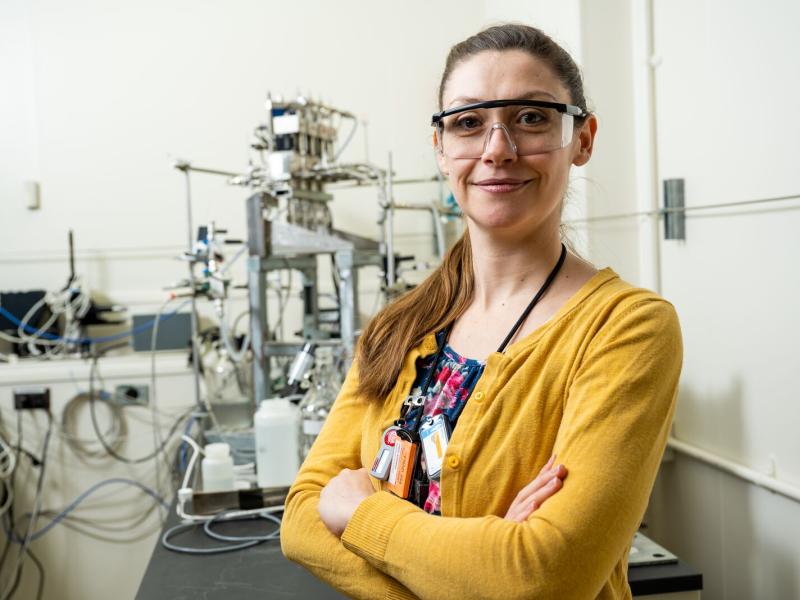
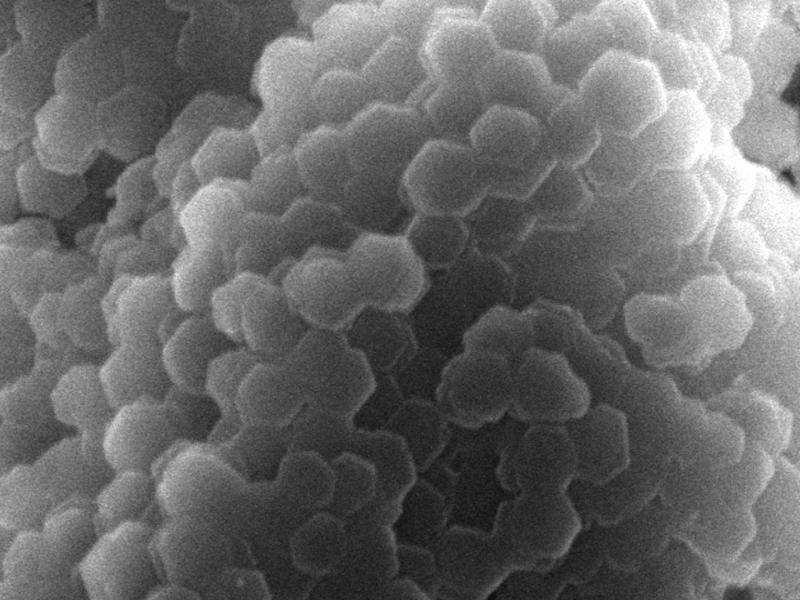
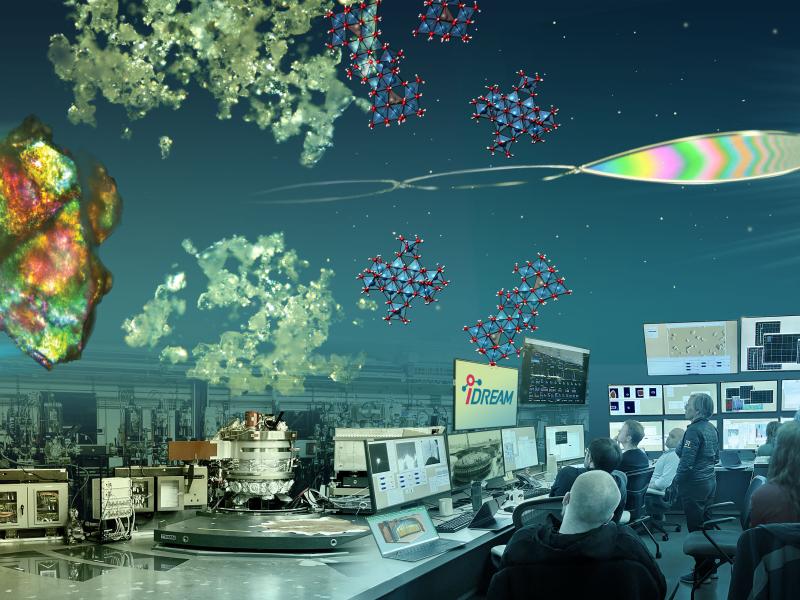
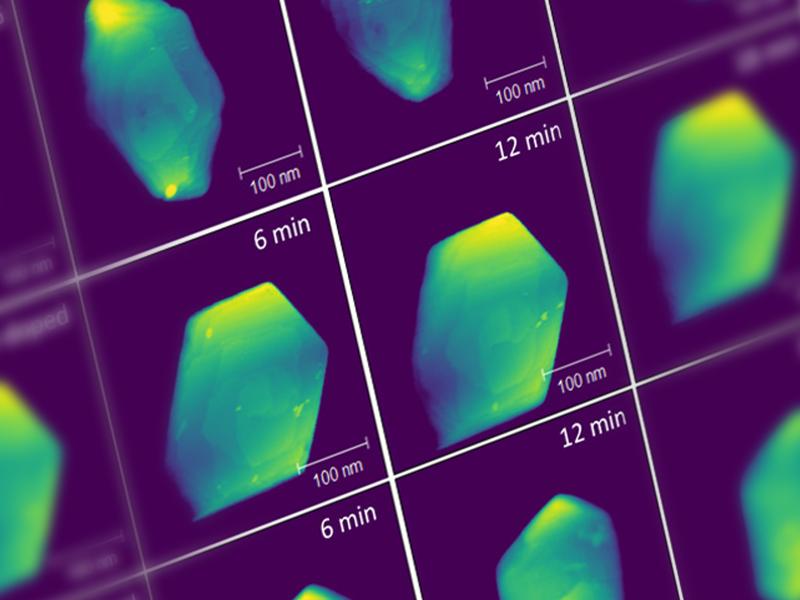
Using multiple specialized techniques, IDREAM researchers gained a better understanding of how trace impurities within gibbsite affect the hydrogen yield.
PNNL researchers are advancing AI-assisted nuclear fuel recycling to tap more than 90% of the energy potential left in used fuel, reduce waste and support secure, cost-effective next-generation reactors.
A newly published custom collection of glass formulas for nuclear waste vitrification — developed and validated by PNNL over the past three years — was made possible in that timeframe with AI tools, including a PNNL machine learning model.
The Hanford Site is now immobilizing radioactive waste in glass: a process known as vitrification. PNNL contributed 60 years of materials science expertise—and is providing operational support—to help the nation meet this cleanup milestone.
Early career researchers recognized with Team Science Award by the Department of Energy for presentation highlighting the collaborative science performed by IDREAM.
PNNL researchers continue to deliver high-quality, high-impact research on radioactive waste and nuclear materials management, earning “Papers of Note” and “Superior Paper” awards.
For PNNL’s Jonathan Evarts, Hope Lackey, and Erik Reinhart, this partnership with WSU opened doors and provided opportunities for their scientific careers to flourish.
Four engineers at PNNL received awards for nuclear science presentations related to Hanford Site cleanup at the annual meeting of the world's leading organization for chemical engineering professionals.