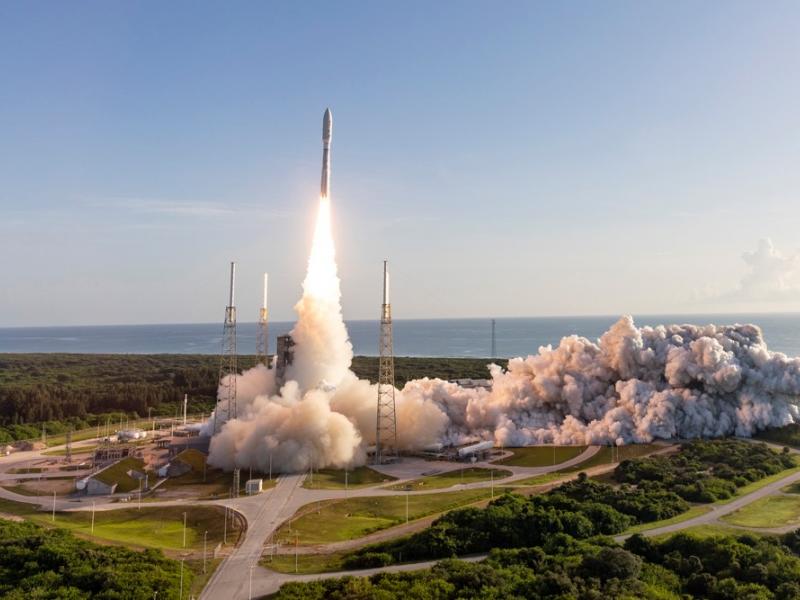
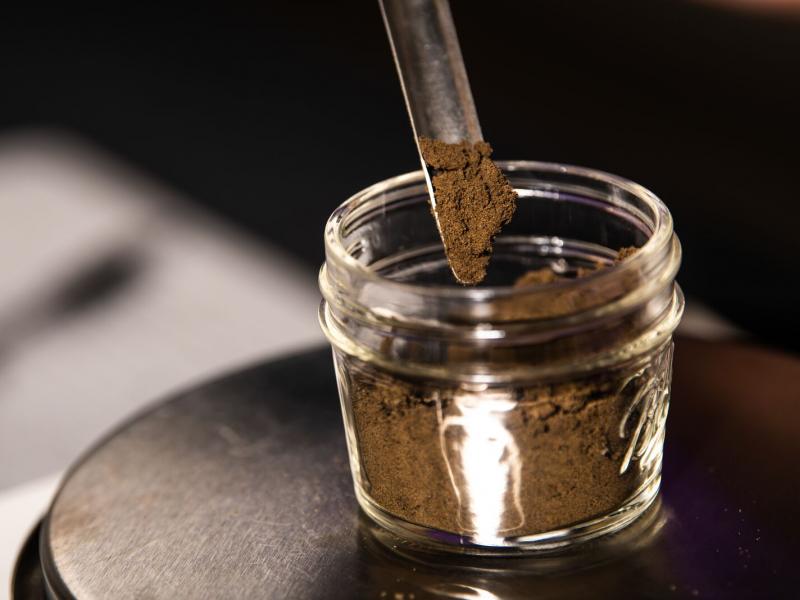
Risk analysis on the plutonium-fueled power system that supplies electricity to the Mars rover answered the “what if” nuclear safety questions for NASA.
When the COVID-19 pandemic halted all travel for in-person inspections, a team at PNNL knew they needed to find a way to perform assessments virtually. Their solution—a portable kit that could be shipped to locations.
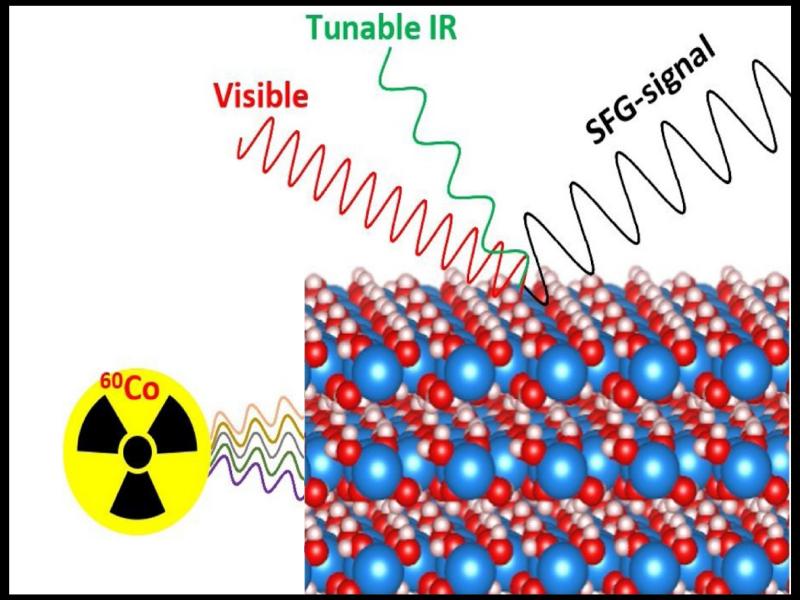
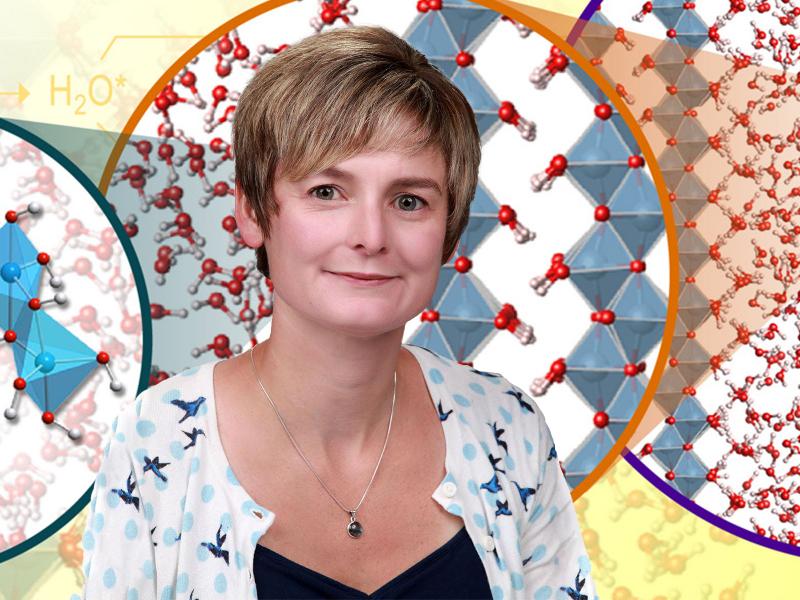
Researchers gained insight into the interfacial radiation chemistry of radioactive waste sludge through studies of surface functional groups on model aluminum-containing solids
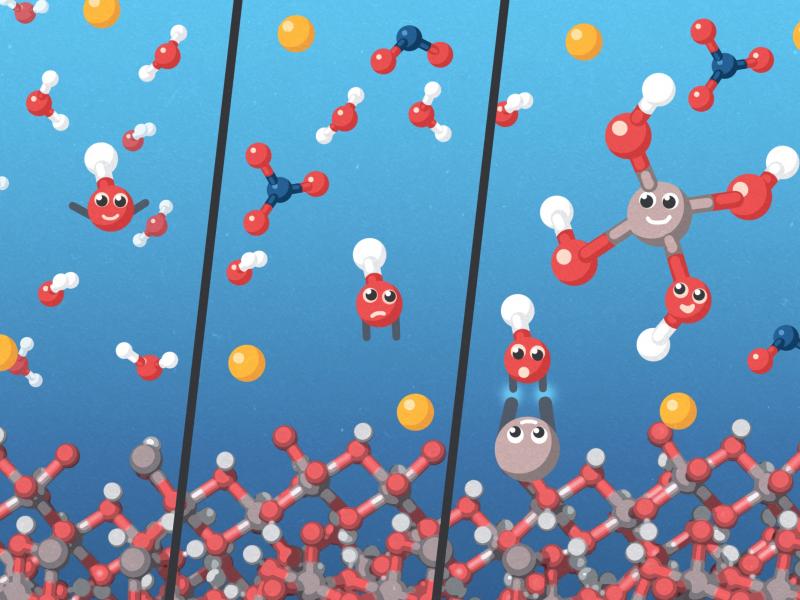
IDREAM researchers have discovered the chemical processes that underpin gibbsite solubility in sodium hydroxide, including sodium nitrate and sodium nitrite interactions.
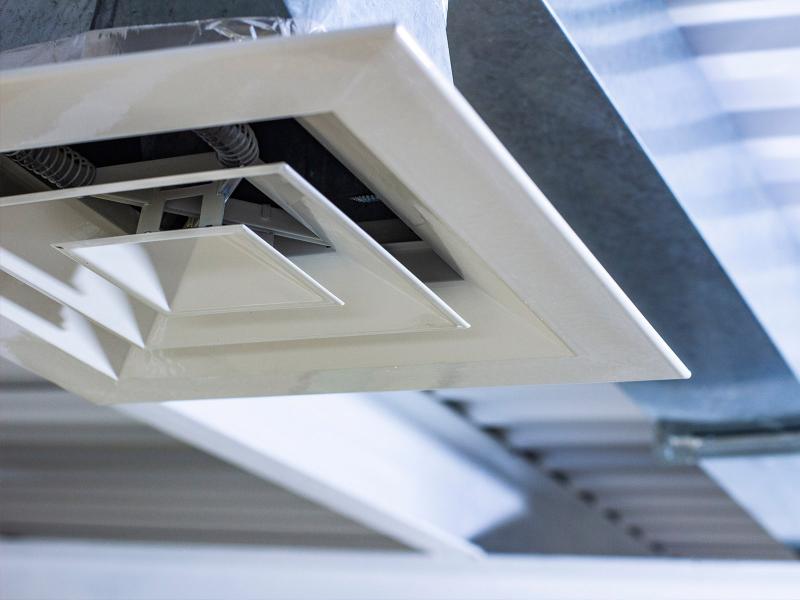
Vigorous and rapid air exchanges might not always be a good thing when it comes to levels of coronavirus particles in a multiroom building, according to a new modeling study.
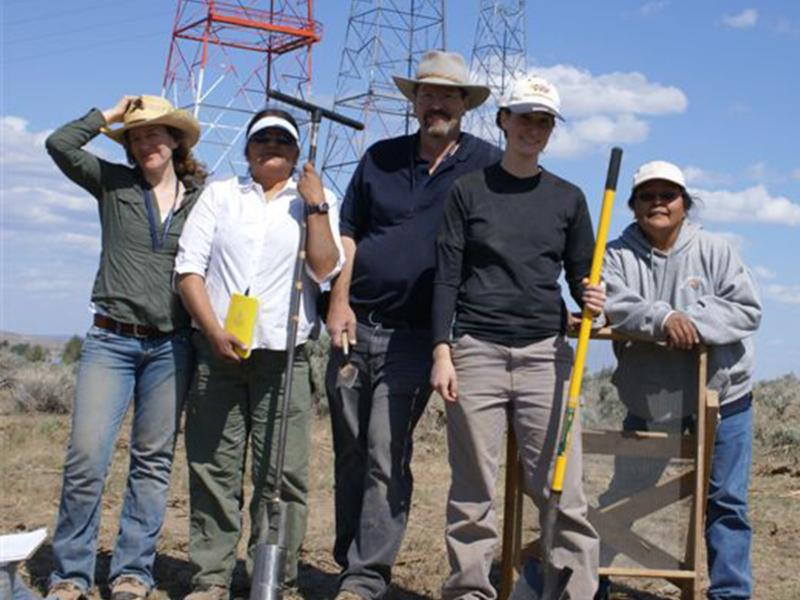
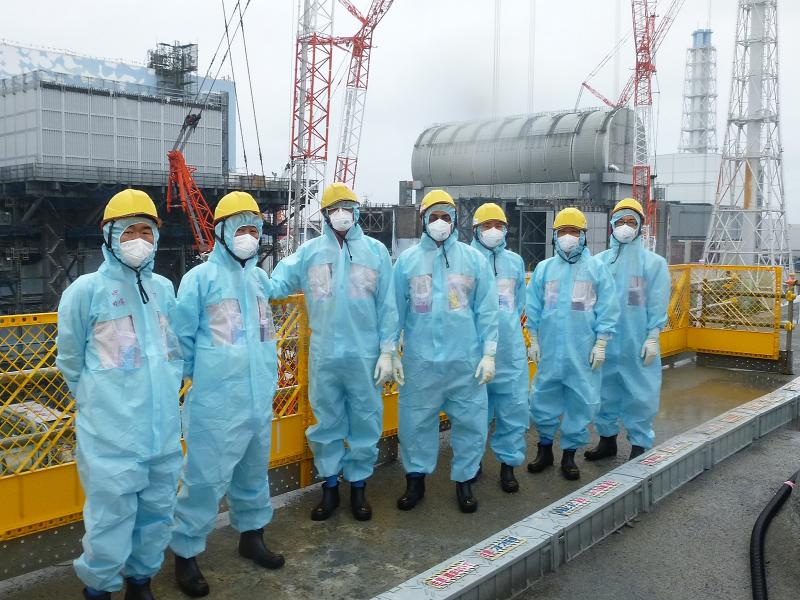
On the looming 10th anniversary of the Fukushima disaster at the Daiichi Power Station in Japan, PNNL looks back at the science and solidarity it has shared with Fukushima and its nuclear cleanup effort.
Fifty-eight PNNL staff members were recognized as members of enterprise-wide teams that helped address challenges in national health and security through transformative science and technology solutions.
PNNL provided expert analysis and technical background for some of the most ambitious building energy efficiency codes proposed for this year's International Energy Conservation Code updates.