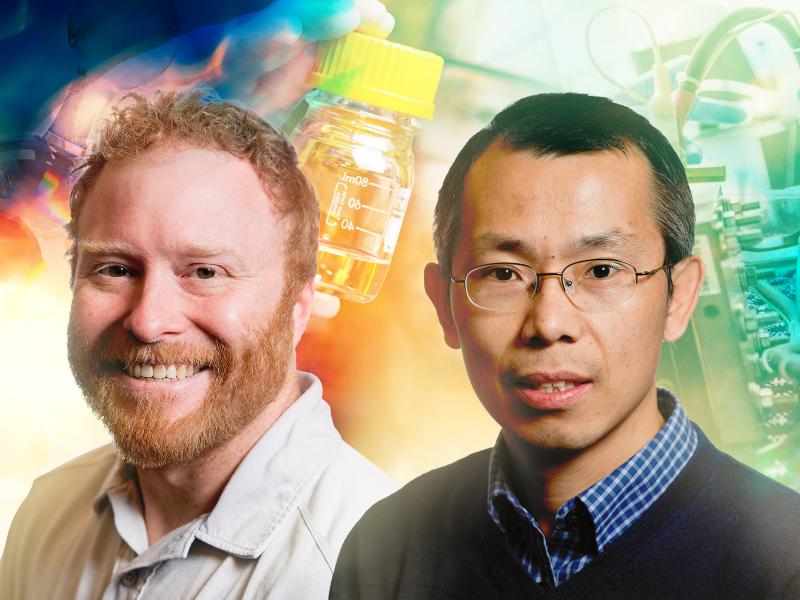
The American Chemical Society's Energy & Fuels Division elected PNNL scientist Yuyan Shao as Chair-Elect for 2021 and scientist Dave Heldebrant as Director-at-Large.
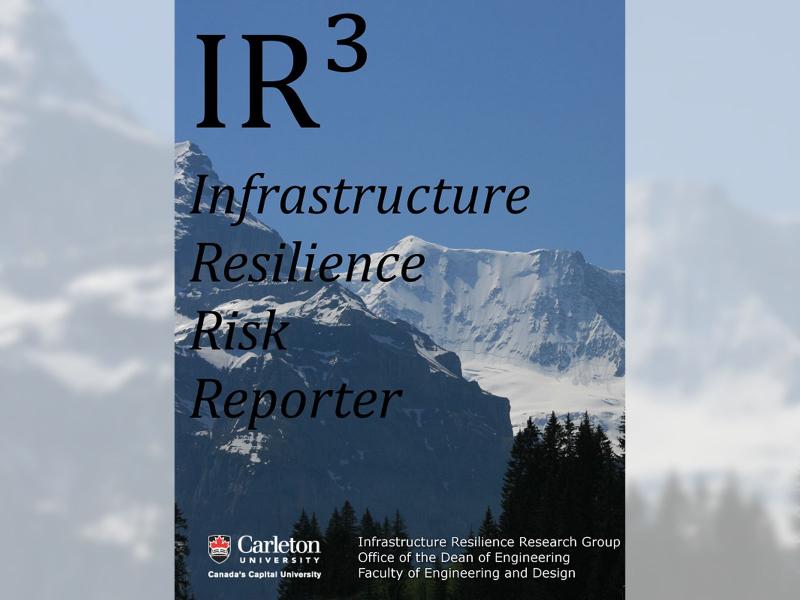
A recent edition of the Infrastructure Resilience Research Group Journal featured an article written by PNNL researchers Rob Siefken and Jake Burns about “Design Basis Threat and the Low Threat Environment.”
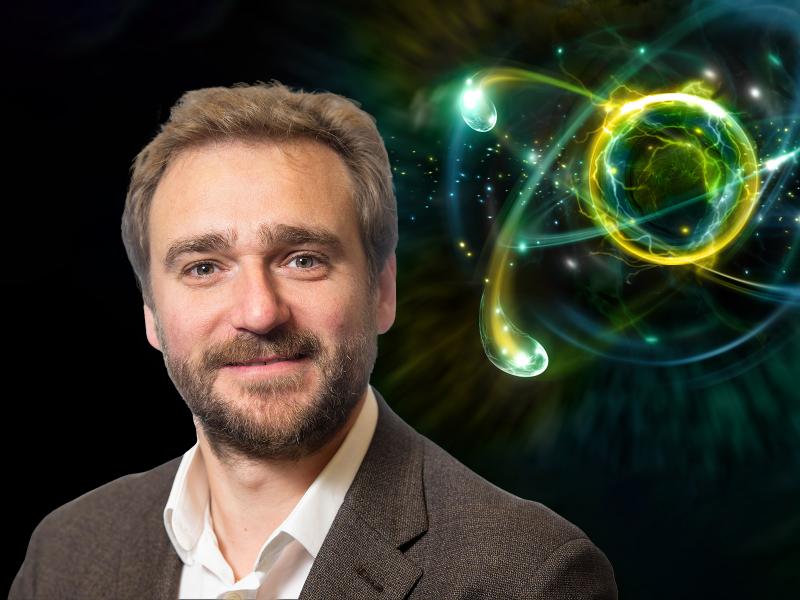
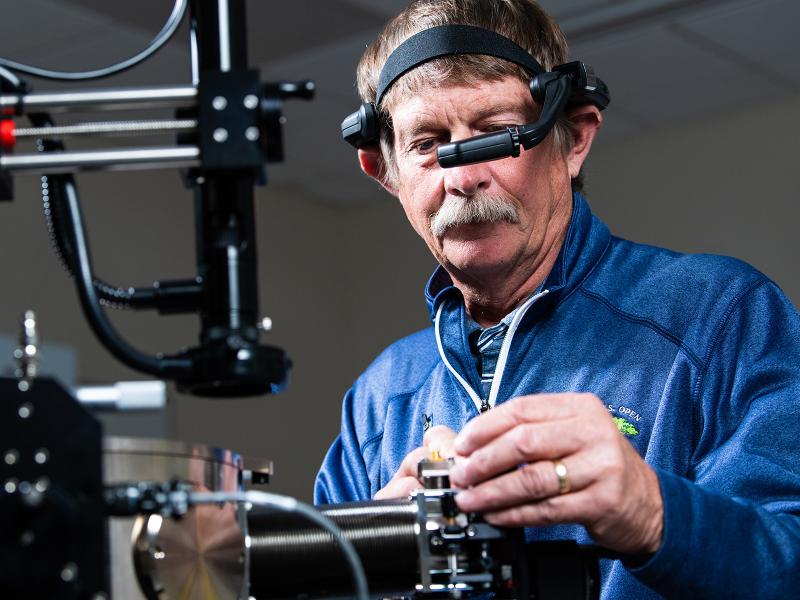
As a physicist at PNNL, Jon Burnett’s work is about developing instruments to detect ultra-trace radionuclide signatures, analyze samples from around the world to look for evidence of nuclear explosions, and then interpret that information.
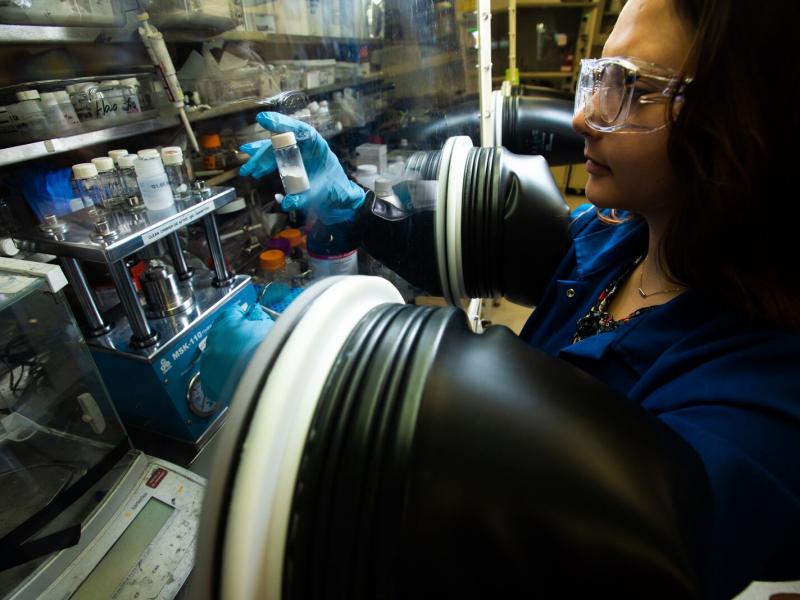
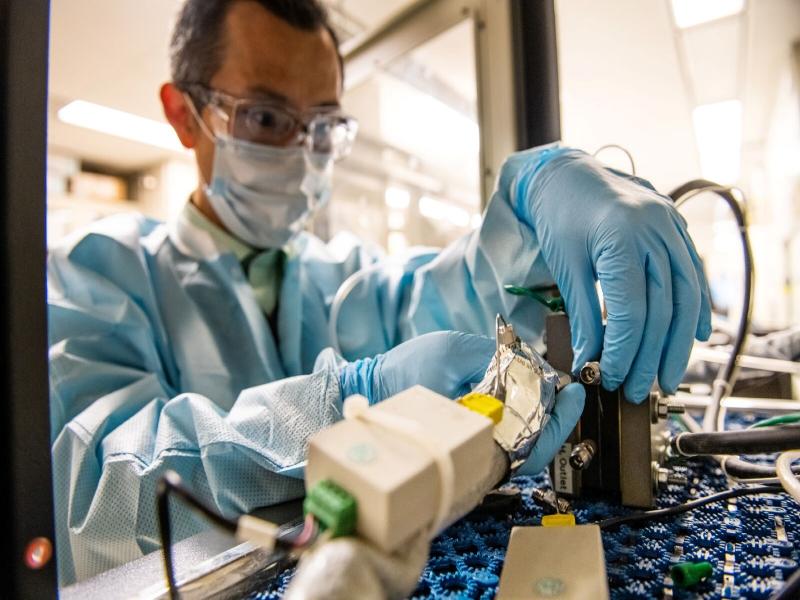
Through two U.S. Department of Energy funding calls awarded in 2020, PNNL is partnering with industry and academia to advance battery materials and processes.
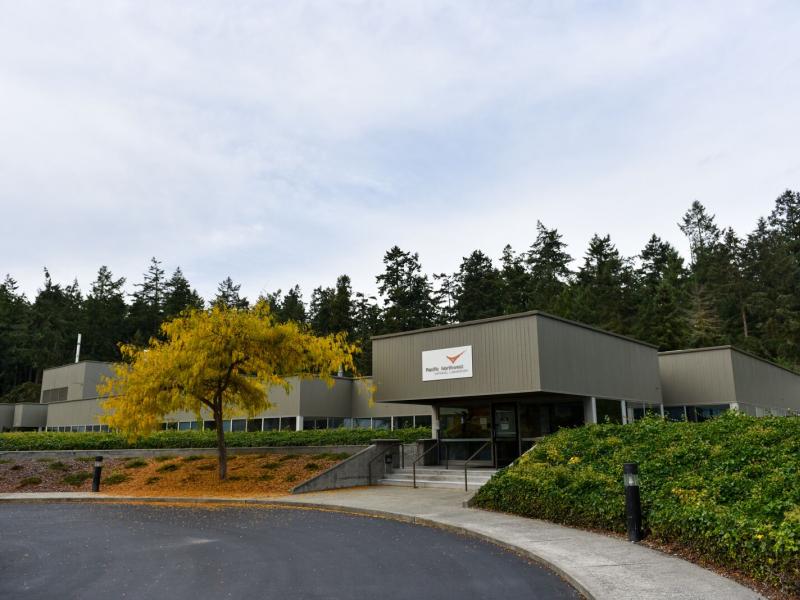
The Marine and Coastal Research Laboratory (MCRL), part of PNNL, in Sequim, Washington, is the U.S. Department of Energy’s only marine research facility. It has a rich history and expanding research scope.
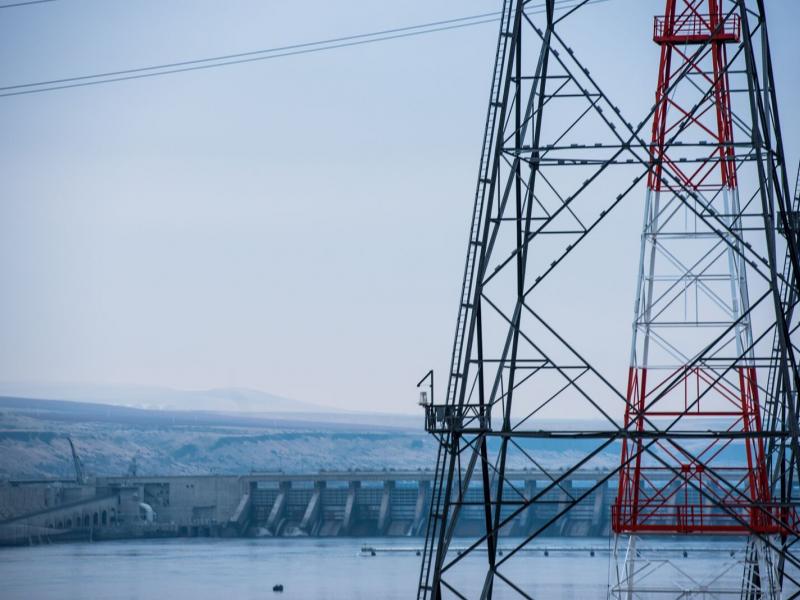
PNNL has published a report that sets the foundation for modeling gaps and technical challenges in optimizing hydropower operations for both energy production and water management.
PNNL led a multi-institutional effort to design a highly active and more durable catalyst made from cobalt, which sets the foundation for fuel cells to power transportation, stationary and backup power, and more.
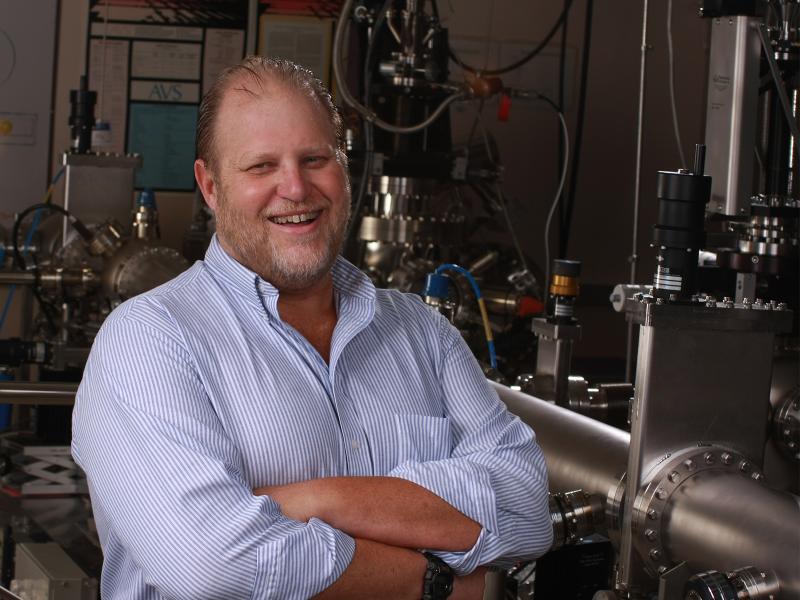
Beginning in 2021, PNNL chemical physicist Bruce Kay begins a three-year term as an AVS trustee, part of a six-member committee responsible for overseeing the administration of student scholarships and major society awards.
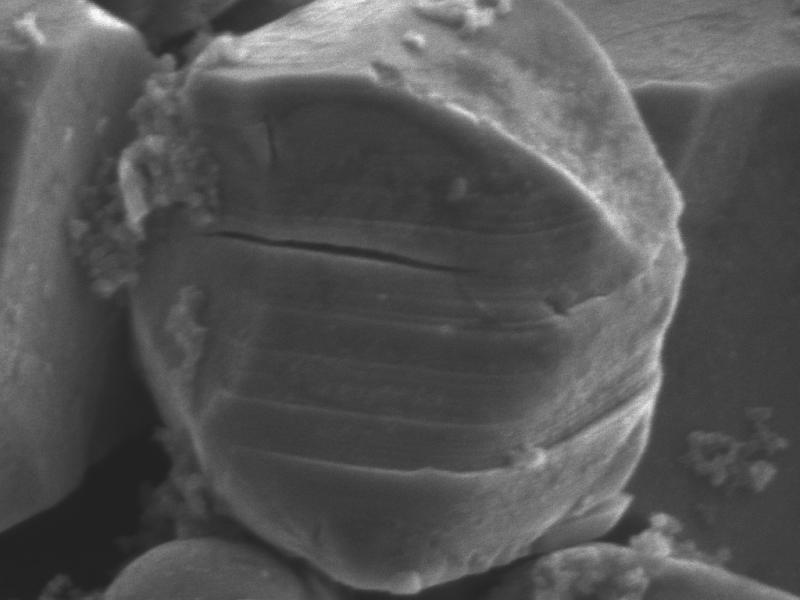
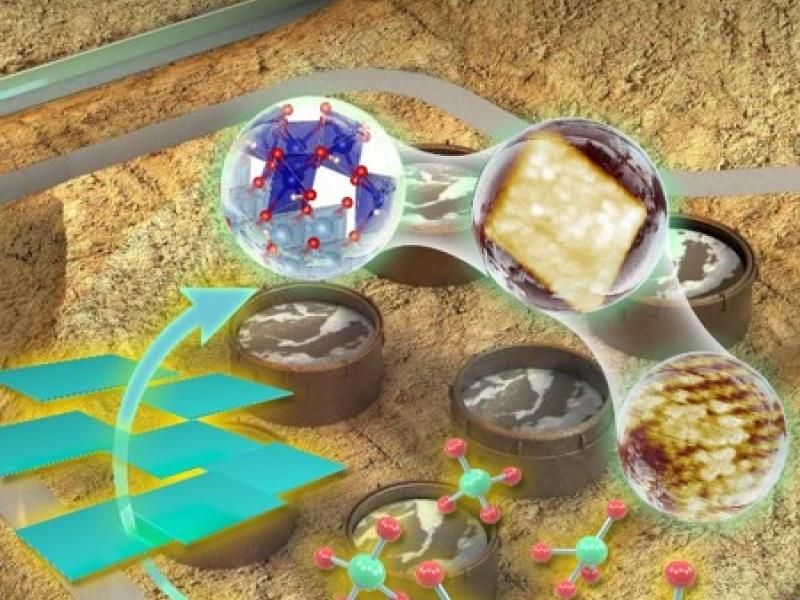
Scientists have created a single-crystal, nickel-rich cathode that is hardier and more efficient than before—important progress on the road to better lithium-ion batteries for electric vehicles.
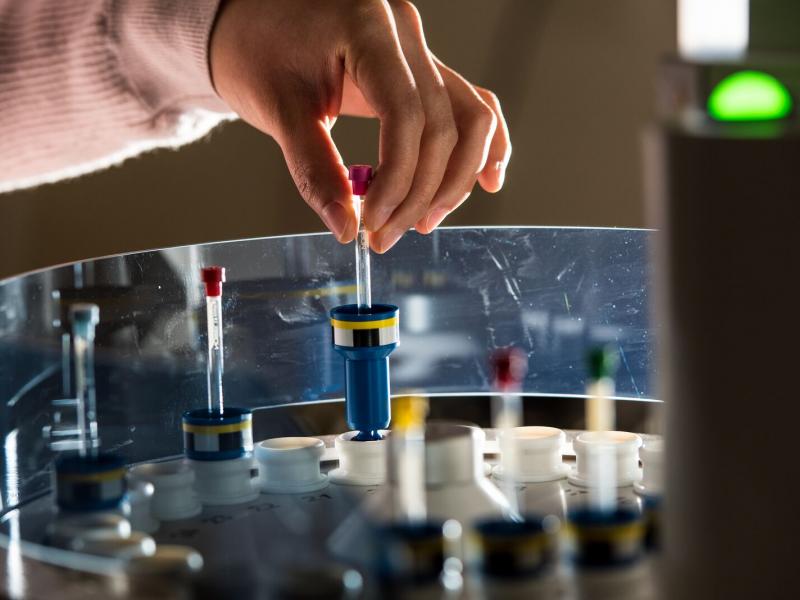
As COVID-19 was limiting in-person contact, halting travel, and creating additional barriers, researchers at PNNL were working to find solutions on how they could still get work done while establishing new safety protocols.
Clarivate Analytics recently unveiled its 2020 list of Highly Cited Researchers. The list named 17 PNNL scientists for their influential and oft-referenced work.
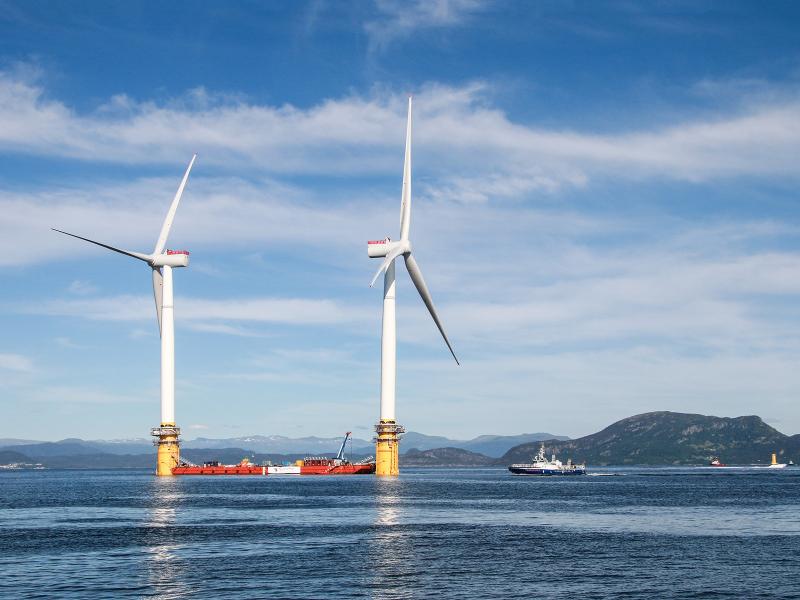
PNNL researchers say that offshore wind energy can add value to the electric grid, beyond just the power it can produce, if locations and strategies are optimized.
PNNL’s longstanding grid and buildings capabilities are driving two projects that test transactive energy concepts on a grand scale and lay the groundwork for a more efficient U.S. energy system.