PNNL has developed a next-generation electrical resistivity tomography system for DOE that uses E4D software and AI-enhanced modeling to produce real-time subsurface images that help guide environmental remediation decisions.
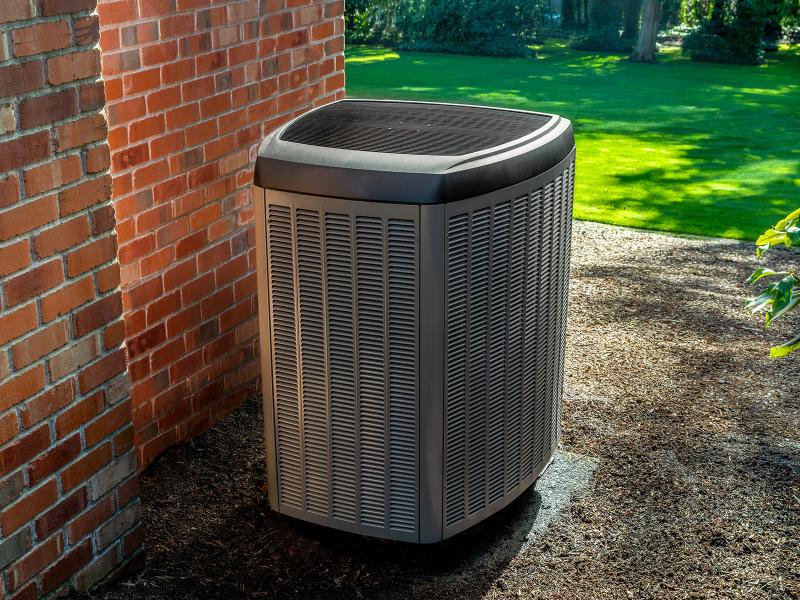
PNNL has developed a decision tool that provides contractors and installers with the information they need to properly select and install cold climate heat pumps, which are a key technology for achieving decarbonization.
To improve our ability to “see” into the subsurface, scientists need to understand how different mineral surfaces respond to electrical signals at the molecular scale.
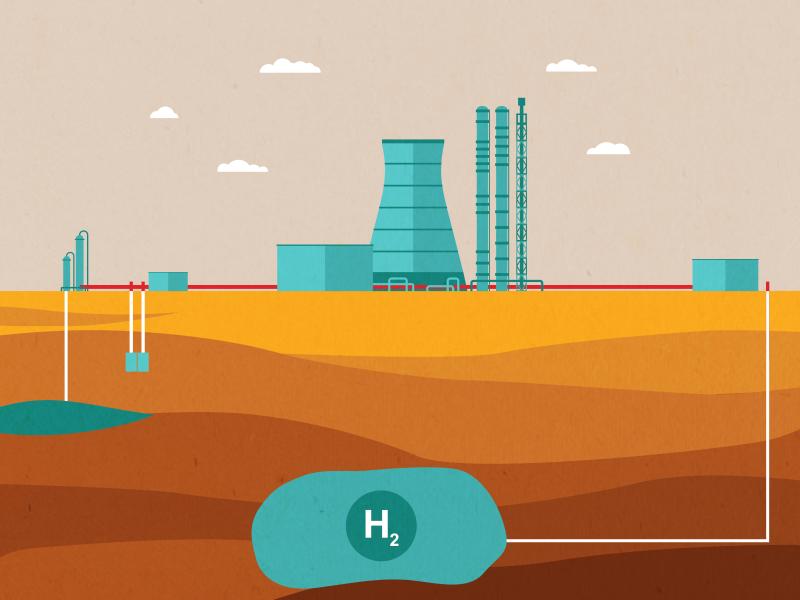
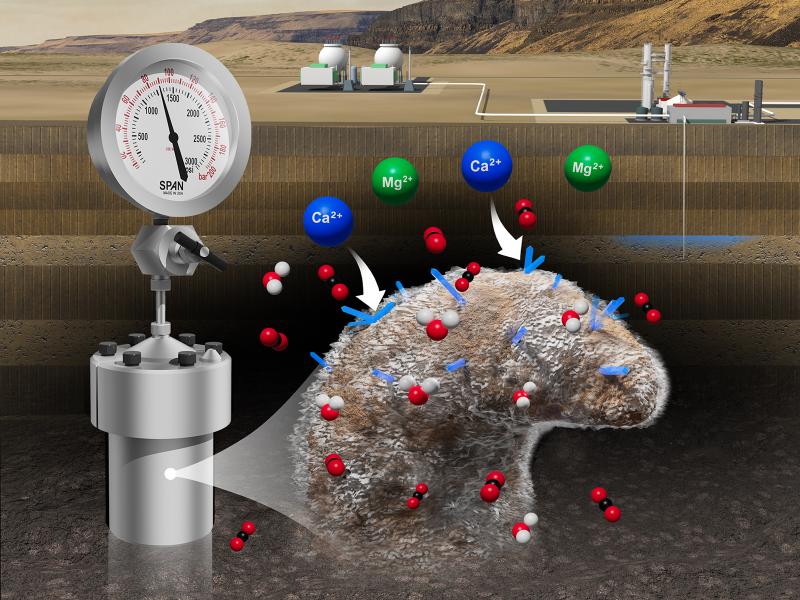
The SHASTA program is doing a deep dive on subsurface hydrogen storage in underground caverns, helping to lay the foundation for a robust hydrogen economy.
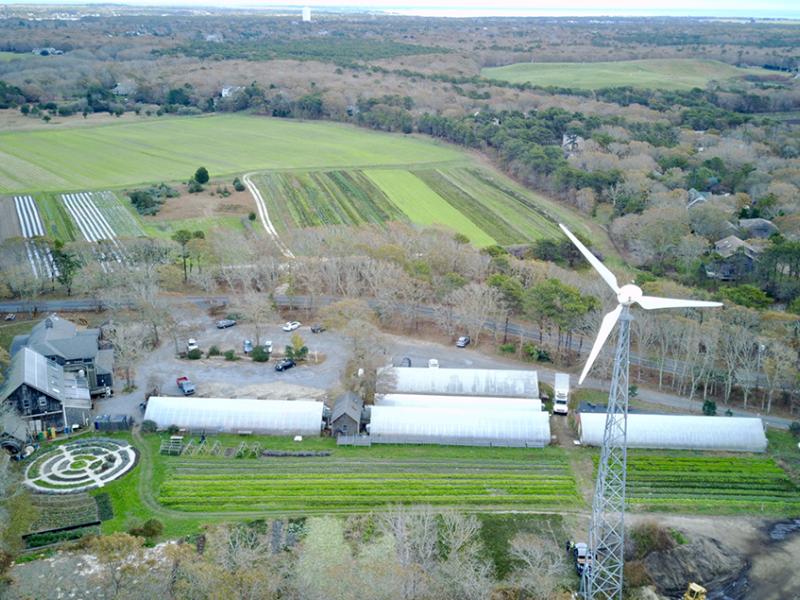
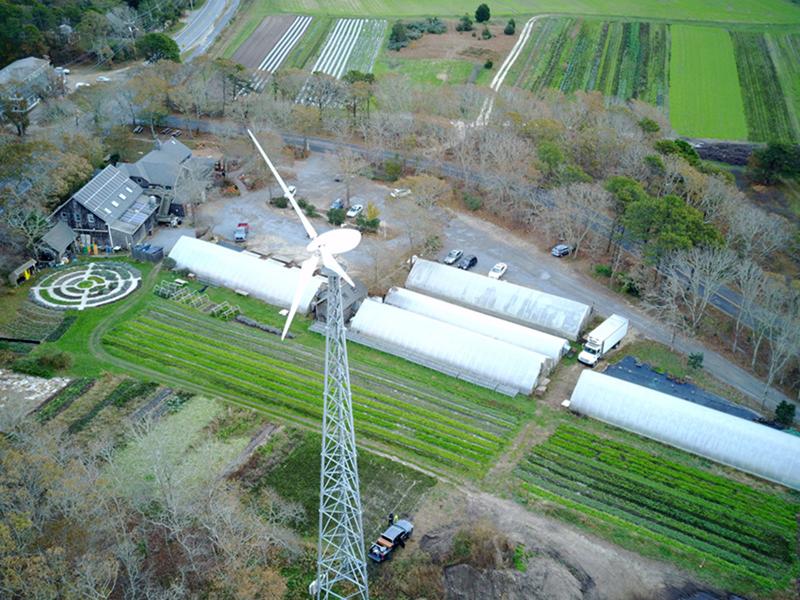
There are many ways that researchers at PNNL bring unique perspectives to the field of distributed wind. One is the fact that PNNL's distributed wind projects are all led by women.
A larger HVAC workforce with training on modern heat pump technology will be pivotal to achieving the mass-scale electrification of household HVAC systems needed to meet building decarbonization goals.
The Distributed Wind Market Report provides market statistics and analysis, along with insights into market trends and characteristics of wind technologies used as distributed energy resources.
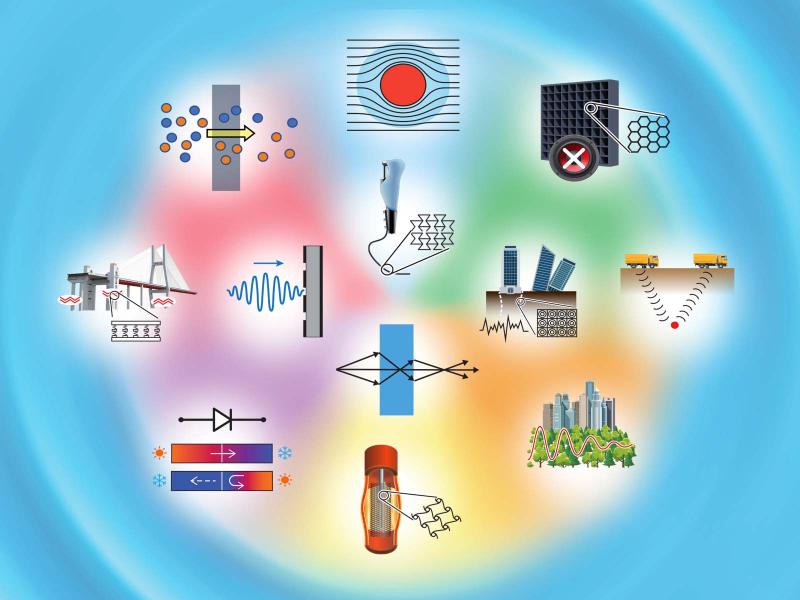
A review article led by researcher Jade Holliman explores the different classes of metamaterials, from the underlying fundamental science to potential applications.
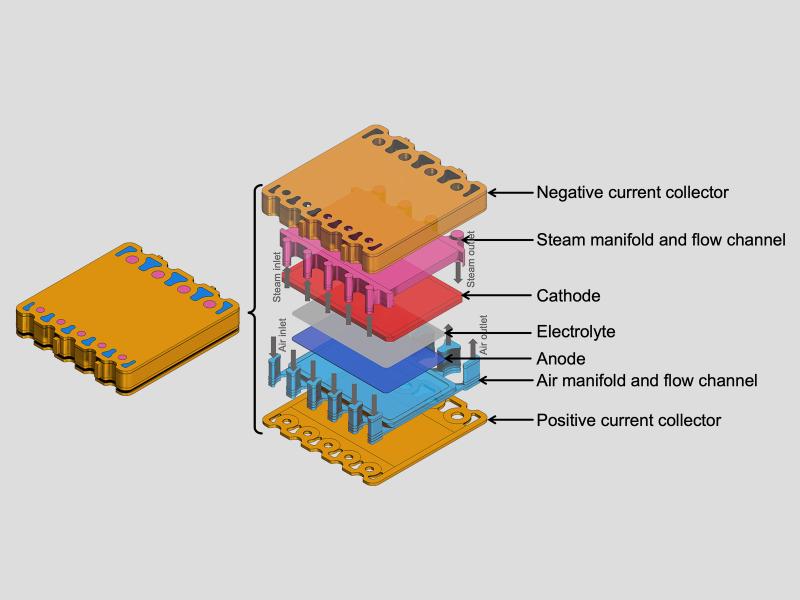
A PNNL team developed and used a model framework to understand the performance and structural reliability of a state-of-the-art solid oxide electrolysis cell design.
An evaluation of models and prediction tools for distributed wind turbines has unearthed data that can help potential users make the most informed decisions on upfront investments.